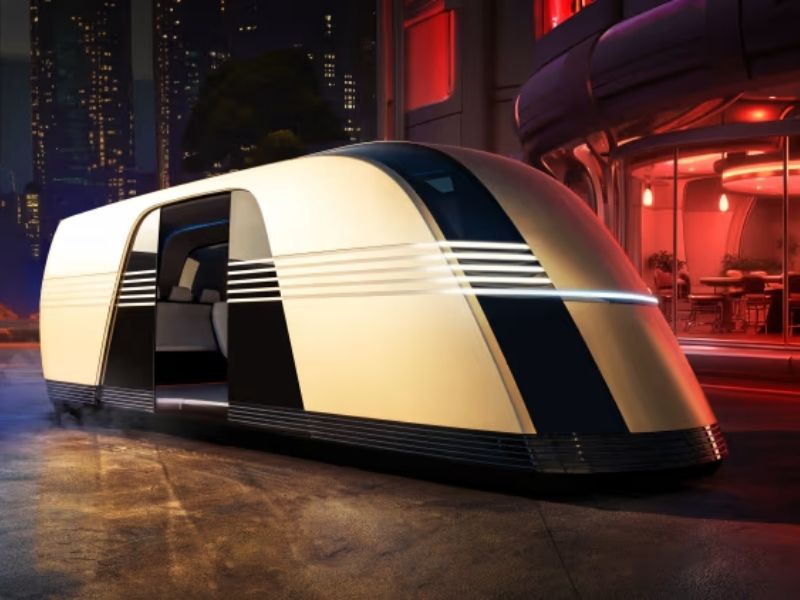
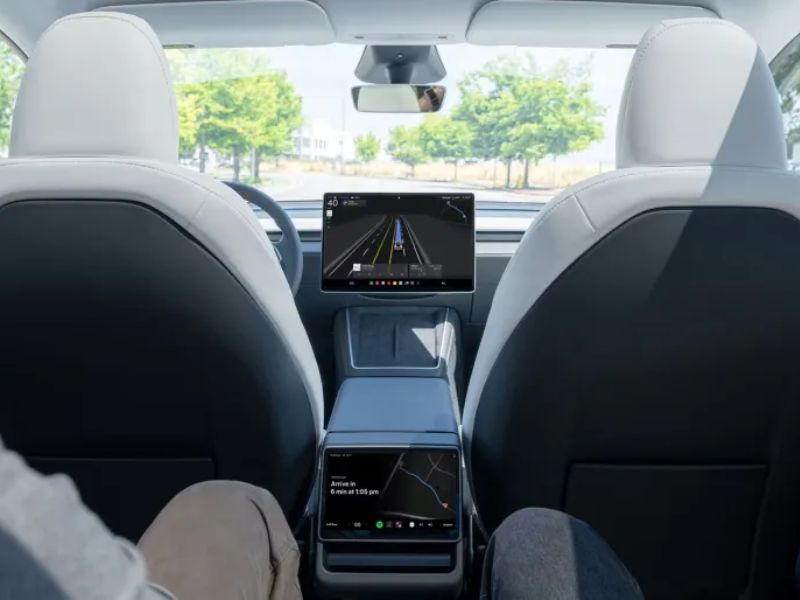
The Tesla Robovan concept debuted at the company’s “We, Robot” event last October and was met with an enthusiastic response. Interest has surged again after an executive hinted it could evolve into a self-driving RV.
A Driverless Design Beyond Urban Mobility
The Tesla Robovan prototype is a modular, fully autonomous vehicle for up to 20 passengers and cargo. Its low-floor design, spacious interior, and panoramic visibility have sparked ideas for uses beyond urban transport.
Social media has been buzzing that the Robovan could lead to autonomous RVs. Y Combinator CEO Garry Tan suggested it’s time for self-driving RV startups, and Tesla’s VP of Autopilot, Ashok Elluswamy, replied “On it,” fueling speculation about a camper-ready Robovan.
Why the Robovan Design Fits the RV Lifestyle
The Robovan concept’s design makes it well suited to discussions around RV use. Its flat, open floor plan, absence of a steering wheel, and Tesla’s load-leveling suspension allow users to configure the platform for sleeping, relaxing, or working. A self-driving electric RV also aligns with the growing “van life” movement, offering the appeal of autonomous, low-stress travel.
For now, the concept of a Robovan-based RV exists only through hints and speculation on social media. Tesla has yet to confirm any plans for a fully autonomous RV built on the platform, and the Robovan itself remains a prototype without a defined production schedule. Still, online enthusiasm for a self-driving Tesla camper continues to grow, hinting that the Robovan could become more than the urban people mover Tesla initially imagined.
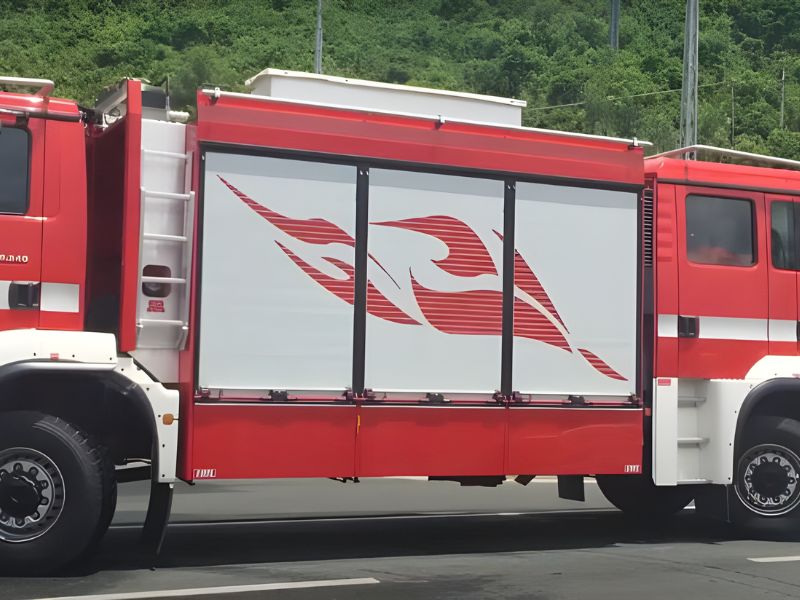
In China, a rare fire truck was spotted with two fronts, allowing it to drive at full speed in either direction without turning. Designed to speed up emergency response, it is especially useful in tunnels and narrow city streets where maneuvering large vehicles is challenging and slow.
Two-Cabin Fire Truck Debuts in Nanjing to Speed Up Emergency Response
This unusual fire truck debuted in Nanjing, the capital of Jiangsu Province.With two driver’s cabins, firefighters can operate it from either side, avoiding wasted time on reversing or making sharp turns during emergencies.
Instead, the vehicle could instantly change direction and continue moving. Reports estimate its cost at around 9 million yuan (about $1.43 million).
Beyond speed—it reaches 120 miles per hour in both directions—the truck carries full firefighting equipment.It carries a 4,000-liter (1,056-gallon) water tank, a 1,892-liter (500-gallon) foam tank, and all the essential firefighting tools.
Image Credits:myelectricsparks
The design was inspired by a tragedy in Europe. On March 24, 1999, a truck carrying flour and margarine caught fire inside the Mont Blanc Tunnel, which connects France and Italy beneath the Alps. The blaze spread rapidly, and rescue teams were unable to reach the victims in time. Tragically, 38 people lost their lives.
Following extensive investigations and safety assessments, experts sought solutions to prevent similar disasters. One outcome was the creation of the two-way fire truck. The German manufacturer MAN designed the vehicles, and BAI in Italy built them to handle emergencies in long tunnels where conventional fire trucks struggle to turn around.
Rare Two-Headed Fire Truck Seen in Nanjing and Fuzhou
According to China Daily, people spotted the two-headed fire truck in China not only in Nanjing but also in Fuzhou, Fujian Province. It was first deployed during the National Youth Games before joining the local fire department. Reports indicated that fewer than ten of these trucks exist across Asia, making them extremely rare and unique.
“Think about the time we saved by not needing to reverse or make difficult turns,” said a firefighter in Nanjing. “In many emergencies, those few seconds can mean the difference between life and death.”
Try to use their active counterparts: Janus, a Roman god with two faces—one looking ahead and the other behind—was a fitting symbol for a vehicle able to move forward and backward without pause.
Image Credits:Gary Coronado / Los Angeles Times / Getty Images
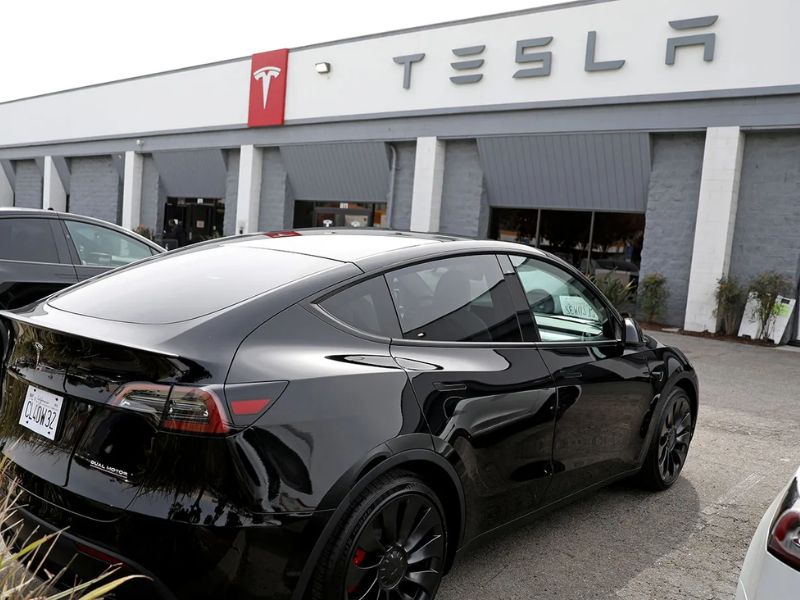
Tesla is redesigning its door handles to reduce the risk of trapping occupants inside, chief designer Franz von Holzhausen told Bloomberg Newson Wednesday.
The announcement follows a new U.S. The National Highway Traffic Safety Administration (NHTSA) launched a probe into the issue just a day earlier, following a Bloomberg investigation a week ago that detailed cases of Tesla owners and passengers getting stuck in vehicles after crashes.
China Pressures Carmakers to Rethink Flush Door Handles Amid Safety Concerns
Von Holzhausen did not specify when Tesla decided to redesign the handles. Meanwhile, Chinese regulators are urging carmakers to rethink fully flush door handles over safety concerns, though they have not issued official rules.
Two main problems emerge: Tesla’s electronic locks can fail if the battery loses power, and the cars’ manual releases are often hard to find and use. Tesla is exploring a new system that combines electronic and manual releases into a single button.
NHTSA said it opened its investigation after receiving nine complaints about faulty handles, including four cases where drivers had to smash windows to exit their vehicles.
While Tesla’s manuals include instructions for using external power sources to unlock doors, NHTSA noted that affected drivers did not receive battery warnings, leaving them unaware of the cause.
Image Credits:The ES90 can go farther and charge faster than any electric Volvo yet Volvo
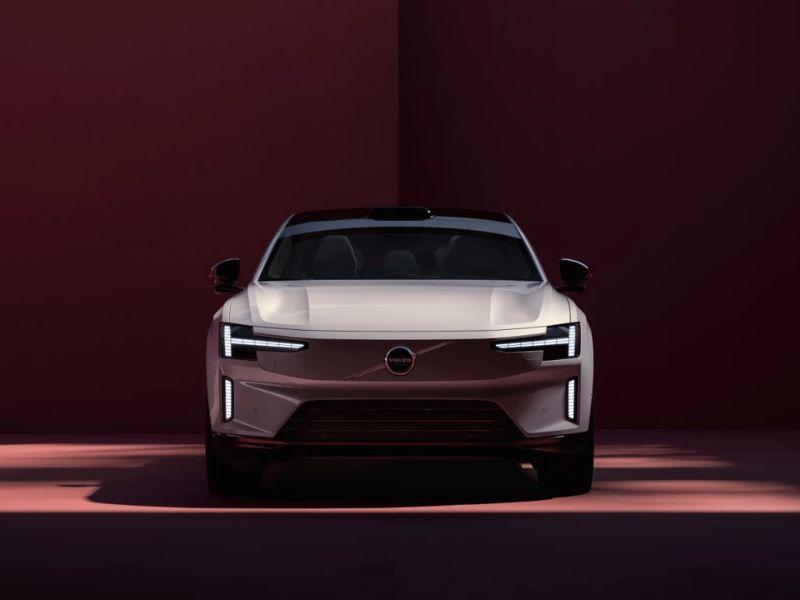
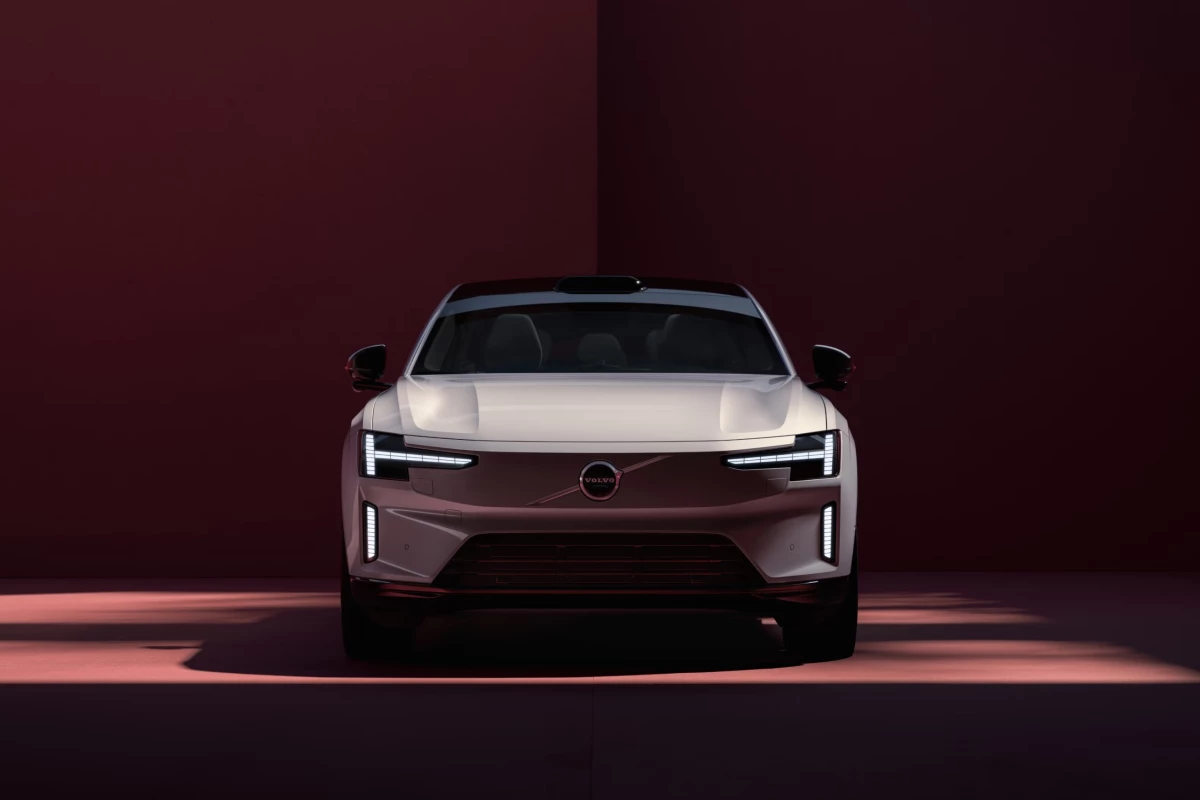
Volvo introduced its all-electric ES90 sedan in March, sparking speculation that it could be the brand’s flagship EV—and based on what we know, that seems likely.
To begin with, the ES90 offers greater range and quicker charging than any previous Volvo EV, while also featuring the brand’s most advanced technology.
A Sedan with SUV Versatility
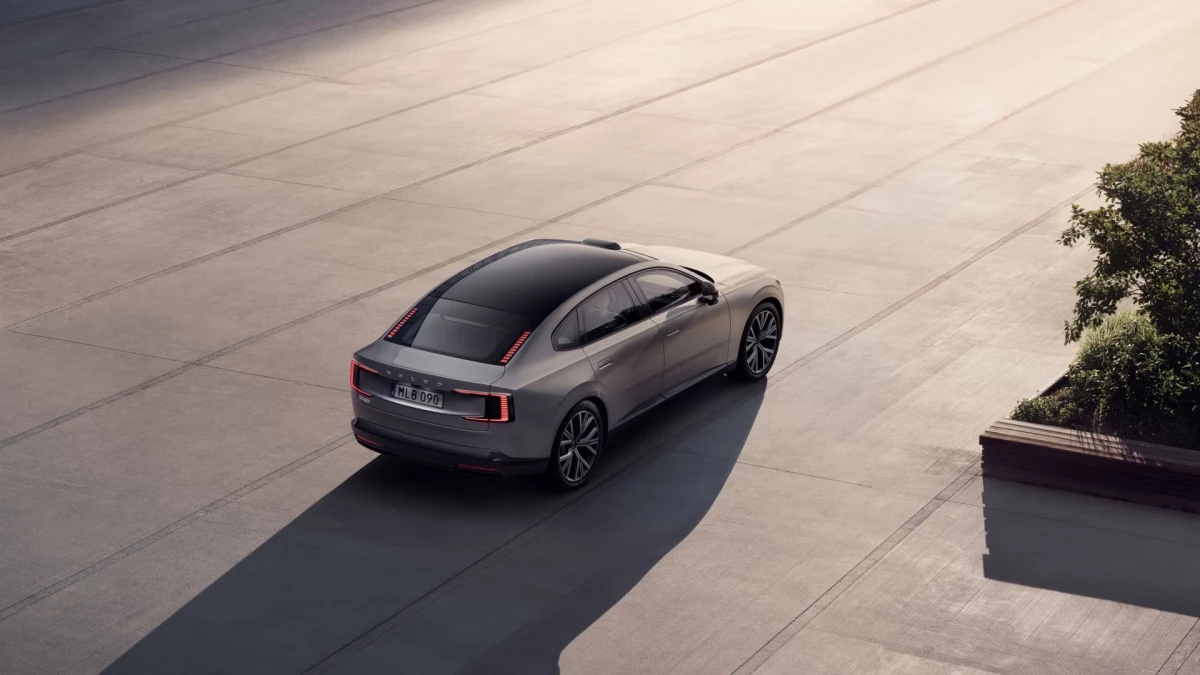
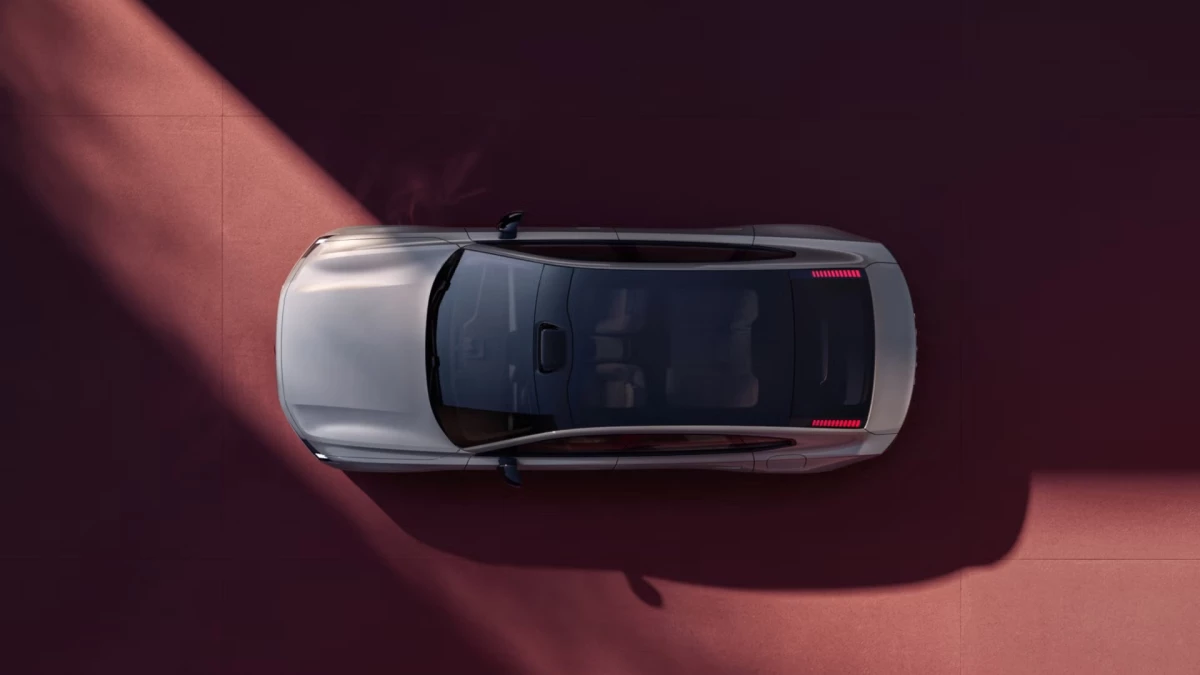
Technically a sedan, the ES90 blurs the lines between segments. It delivers SUV-like versatility with a spacious cabin, higher ground clearance, and, crucially, a practical liftback trunk. Essentially, it merges the strengths of a sedan, fastback, and SUV. Although Volvo hasn’t announced a US release date or full specs yet, several important details are already confirmed.
Image Credits: The ES90 might be a sedan on paper, but it offers the versatility of an SUV Volvo
“The ES90 combines advanced tech, Scandinavian design, and premium comfort to elevate daily life,” said Stephen Connor, Volvo Australia’s managing director. “Together with the EX90 SUV, it cements our role as a leader in software-defined vehicles.”
A Sedan with SUV Versatility
The ES90 debuts Volvo’s 800V SPA2 platform, adding 186 miles (300 km) in 10 minutes with a 350-kW charger.Its 102-kWh battery delivers a WLTP range of 435 miles (700 km) per charge.
It delivers up to 680 hp, sprints from 0–60 mph (97 km/h) in 4 seconds, and, like all modern Volvos, limits top speed to 112 mph (180 km/h).
Image Credits:The ES90 is he first Volvo model to be built on the new 800V SPA2 architecture Volvo
Volvo underscores its sustainability focus by producing the ES90 with climate-neutral energy, supporting one of the lowest carbon footprints in the industry. The company estimates a total footprint of 31 metric tons per vehicle when charged with Europe’s standard energy mix.
“With the ES90, Volvo is entering a new era of safety, sustainability, and human-centric technology,” said Francesca Gamboni, Volvo’s chief industrial operations officer, as the first models rolled off the assembly line in Chengdu, China.
Cutting-Edge Safety and Sensor Technology
The ES90 ranks among Volvo’s most advanced cars, with LiDAR, radars, cameras, and sensors detecting small objects hundreds of meters away.
Additional safety features include door alerts for cyclists, cabin occupancy detection, and a 360-degree parking camera.
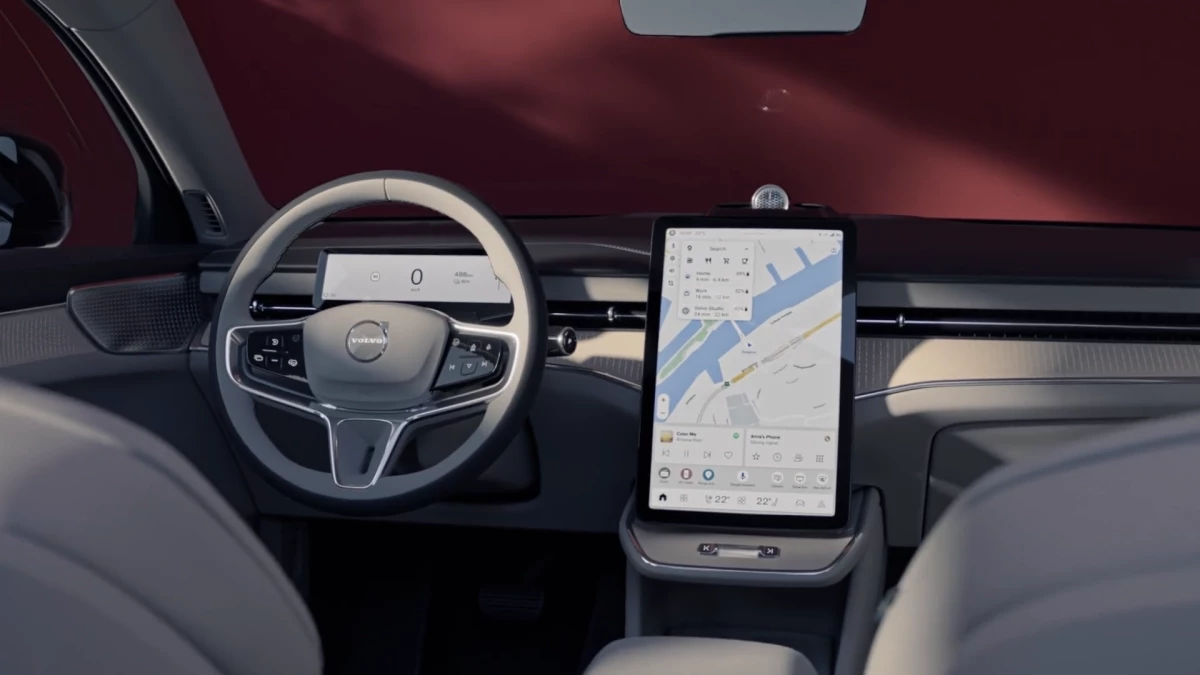
Image Credits: The 14.5-inch touchscreen is Google-powered Volvo
Inside, the ES90 offers a 14.5-inch Google-based infotainment touchscreen, a 9-inch digital driver display, and a head-up display. The top-tier trim also includes a 25-speaker Bowers & Wilkins sound system for premium audio.
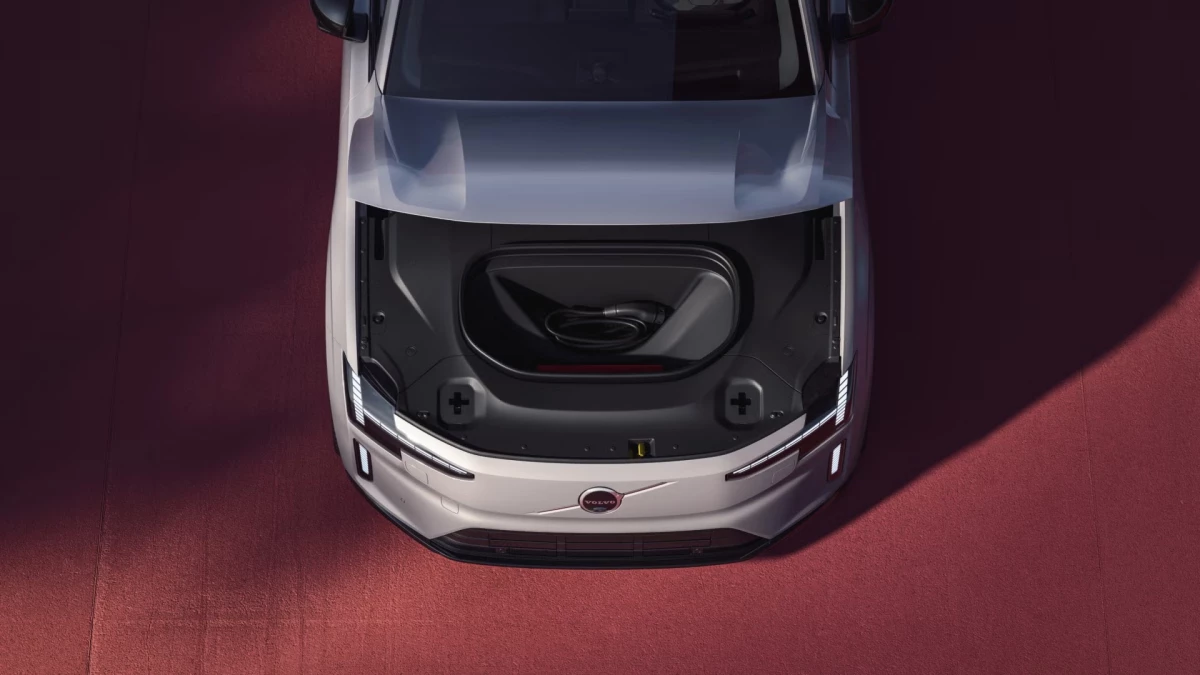
Its liftback trunk offers 15 cubic feet (424 L) of cargo space, which expands to 25.8 cubic feet (733 L) with the rear seats folded down. Up front, a small frunk (0.7 cubic feet / 22 L) provides a convenient spot for charging cables.
High-Performance Computing for Smarter Driving
Dual NVIDIA DRIVE AGX Orin processors power the ES90, delivering 508 trillion operations per second—eight times faster than before. Combined with adaptive dampers, this enables cutting-edge driver-assistance functions and prepares the car for future upgrades.
With Volvo’s new Superset technology stack, the ES90 will improve continuously via over-the-air updates. It currently supports Level 2 autonomous driving, with potential upgrades to Level 3 down the line.
Image Credits: The frunk offers 0.7 cubic feet (22 L) of room to store charging cords Volvo
Orders are already available in much of Europe, with Asia-Pacific markets to follow. In Germany, prices begin at €71,990 (around US$84,000) and go up to roughly €95,000 (US$110,000) for higher-end trims.
This places the ES90 in a strong position within the large premium EV sedan segment. In the US, the ES90 will rival the Polestar 4, BMW i5, and other luxury EV sedans.
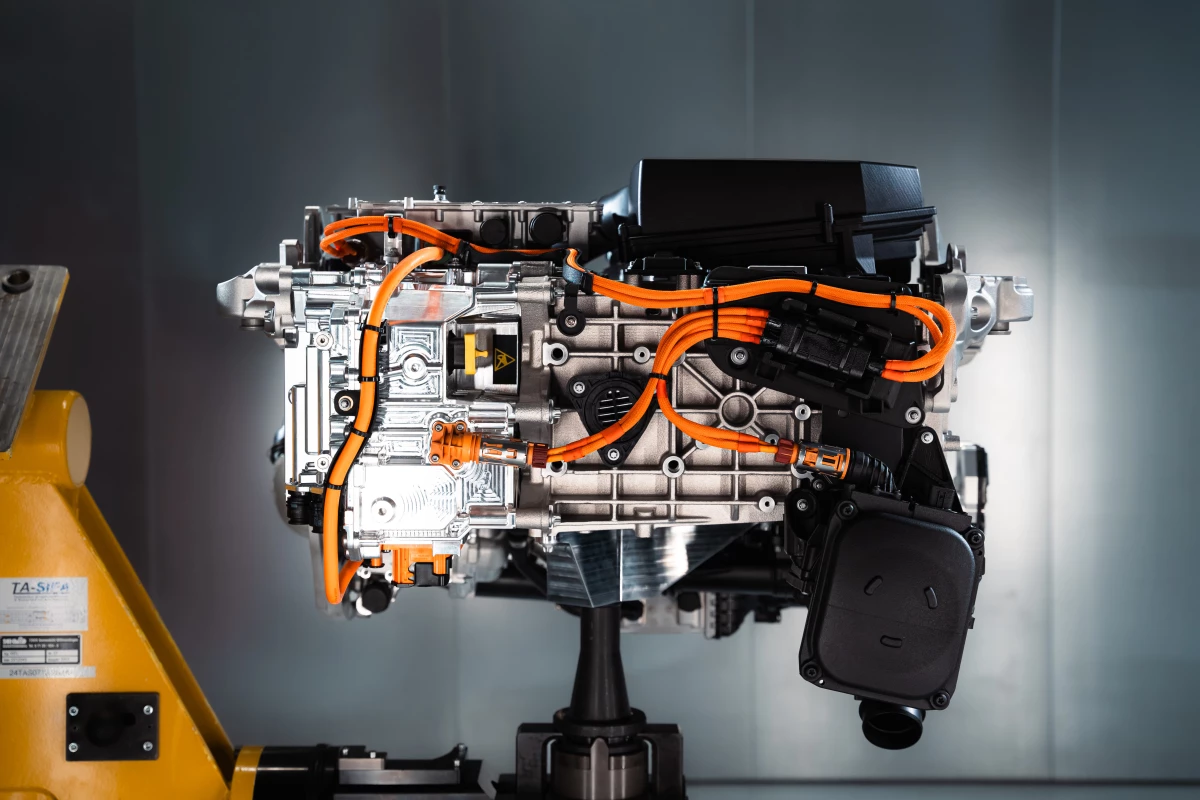
Image Credits:BMW’s third-generation hydrogen fuel cell system is 25% smaller than the previous generation BMW Group
BMW’s Steyr plant is gearing up for mass production of fuel cell systems, currently testing third-generation hydrogen fuel cell prototypes, with full production set for 2028.
BMW will make third-gen HFC components at Steyr, Landshut, and Munich, with Toyota supplying the fuel cells. Unlike earlier generations, the third is fully developed by BMW.
Compact, Efficient, and Cost-Effective
The companies will collaborate on fuel cell units for commercial and passenger vehicles, with the third-gen system 25% smaller than its predecessor and fitting within a standard engine space. It also incorporates an enhanced operating strategy and new drive technology to boost efficiency.
Engineers are testing and comparing noise, vibration, and harshness (NVH) levels and performance output with other propulsion options, and they will conduct further output evaluations before production.
Image Credits:The HFC system includes fuel cells and all of the components required for them, such as cooling, air intake, and hydrogen delivery BMW Group
Integrated Design for Safety and Production Planning
Munich prototypes combine hydrogen and air delivery, cooling, electrical components, and water extraction in a compact unit, serving as final safety tests and guiding Steyr’s production planning.
BMW’s Landshut plant, currently producing the iX5 Hydrogen pilot fleet, will keep making housings and pressure plates for the next-generation hydrogen fuel cell vehicles.
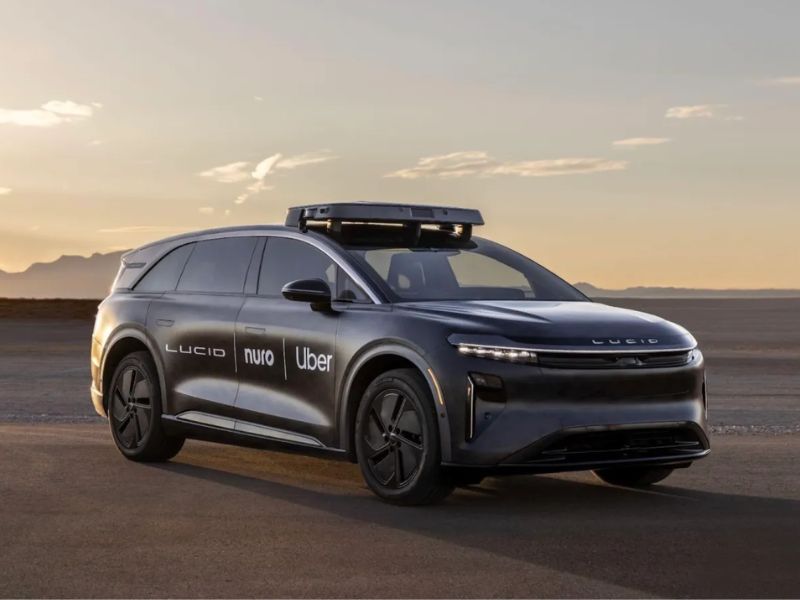
Uber is pouring hundreds of millions into EV maker Lucid and self-driving tech startup Nuro to launch a premium robotaxi service.
As part of the deal, Uber will invest $300 million in Lucid and buy at least 20,000 Gravity SUVs over six years. Uber and its partners will operate vehicles equipped with Nuro’s self-driving tech, launching service in a major U.S. city next year.
Production of the custom Lucid Gravity models is set to begin in late 2026. Uber is also investing a larger, undisclosed sum—described as a “multi-hundred-million dollar” figure—into Nuro.
The partnership took about a year to finalize, Nuro co-founder and president Dave Ferguson told TechCrunch.
Uber Took a Deep Dive Before Choosing Nuro as Robotaxi Partner
“That likely speaks to the depth of the deal,” he said, noting that Uber was serious about making a major investment in a robotaxi program and evaluated nearly every autonomous vehicle company before deciding.
“We were excited to ultimately be the partner they selected,” Ferguson added.
Ferguson noted that engineers at Lucid and Nuro have already made headway on the project, including testing a prototype autonomous vehicle on a closed track at Nuro’s proving grounds in Las Vegas.
He said Lucid’s Gravity SUVs are ideal since they have the hardware redundancies required for Level 3 automation.
Lucid’s Built-In Redundancies Smooth the Path to Level 4 Autonomy
The final product, however, will be a Level 4 vehicle, capable of fully autonomous driving under certain conditions without any human input. Ferguson added that the built-in redundancies made it “almost a delight” to integrate Nuro’s self-driving technology into the Gravity SUVs.
In the past two years, Uber has partnered with AV tech firms to explore various real-world self-driving applications. The company now works with more than 18 partners worldwide across ride-hailing, delivery, and freight. This year, Uber announced partnerships with May Mobility, Volkswagen, and Chinese AV firms Momenta, WeRide, and Baidu.
Uber’s most prominent U.S. partnership is with Waymo, currently operating “Waymo on Uber” services in Austin and Atlanta.
This latest deal highlights the scale of Uber’s financial commitment to gaining a strong foothold—and potentially a leadership role—in the rapidly evolving autonomous vehicle industry.
The deal validates Nuro, which has raised over $2 billion since 2016. Originally, Nuro focused on building a fleet of low-speed delivery robots using its autonomous driving technology. After burning cash and facing funding challenges, the company laid off staff in 2022 and 2023.
Last year, Nuro shifted to licensing its autonomous tech, dropping its delivery bots to focus on automakers and mobility providers. This move, the company said, extended its financial runway from 1.5 to 3.5 years.
Still, Nuro needed a major licensing deal to prove the strategy was working. According to Ferguson, the Uber partnership—and others reportedly in development—shows that the pivot is beginning to pay off.
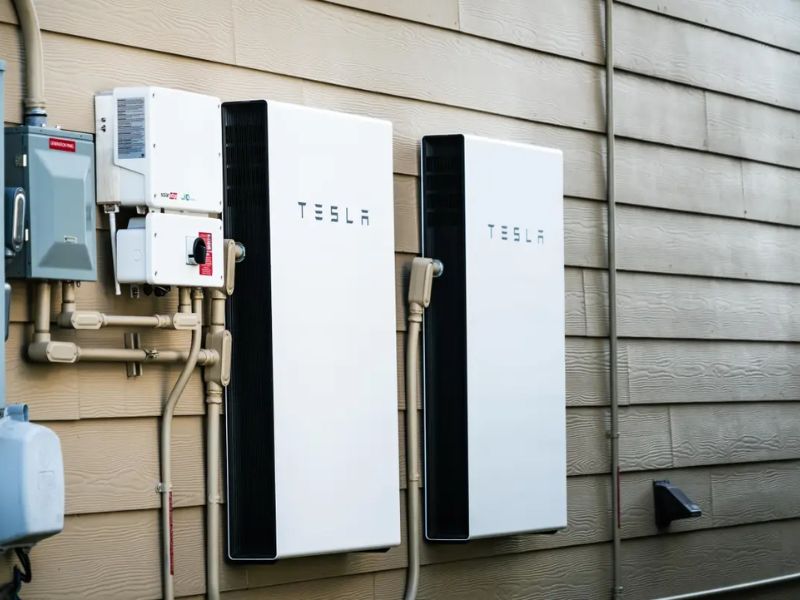
Even Tesla’s energy storage unit—once a rare bright spot—is now feeling the pressure of the company’s broader struggles.
For the second quarter in a row, installations of its Powerwall and Megapack systems have declined. Tesla reported 9.6 gigawatt-hours of energy storage deployed in Q2, down from 10.4 GWh in Q1.
The division reached its highest point in late 2024, with 11 GWh installed in just three months. That year, Tesla delivered a total of 31.4 GWh in energy storage products.
After Years of Steady Growth, Tesla’s Energy Division Faces a Potential Slowdown in 2025
Until recently, this sector had shown steady growth, with combined revenue from storage and solar jumping from $2 billion in 2020 to $10.1 billion in 2024. But with a rocky start to 2025, that growth streak may be nearing its end.
In contrast, the overall energy storage market has been on the rise. According to analysts at Wood Mackenzie, new installations reached a record high in Q1—the latest period with available data—marking a 57% increase compared to the same time last year.
Growth in Energy Storage Faces Threats from Tariffs and Legislative Rollbacks Targeting Clean Energy Incentives
However, this momentum may not last. The industry now faces headwinds from upcoming tariffs on Chinese imports and the potential fallout from a Trump-supported reconciliation bill being negotiated in Congress. Republican lawmakers are pushing to dismantle major components of the Inflation Reduction Act.
While the bill may preserve tax credits for battery storage projects, new restrictions targeting parts or materials sourced from foreign entities of concern (FEOC) could make those incentives difficult to access. That’s a major hurdle, as most battery minerals are currently refined or processed in China.
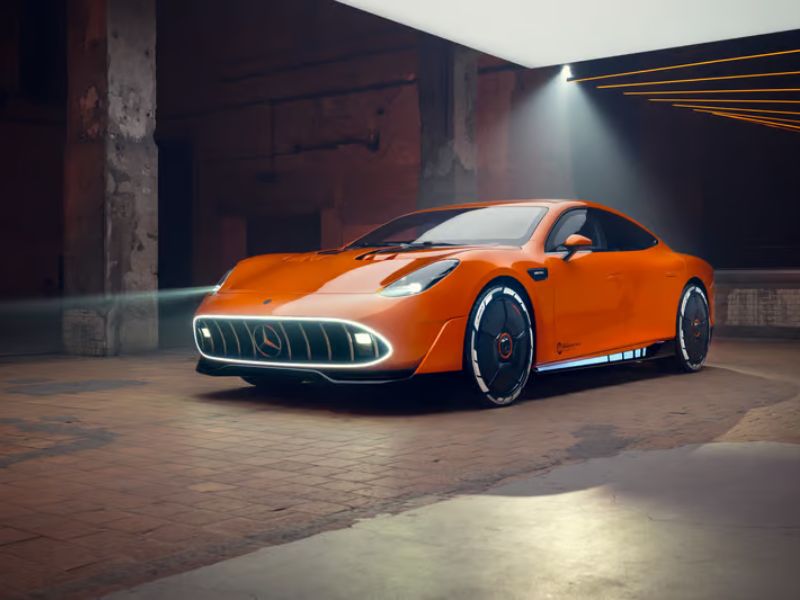
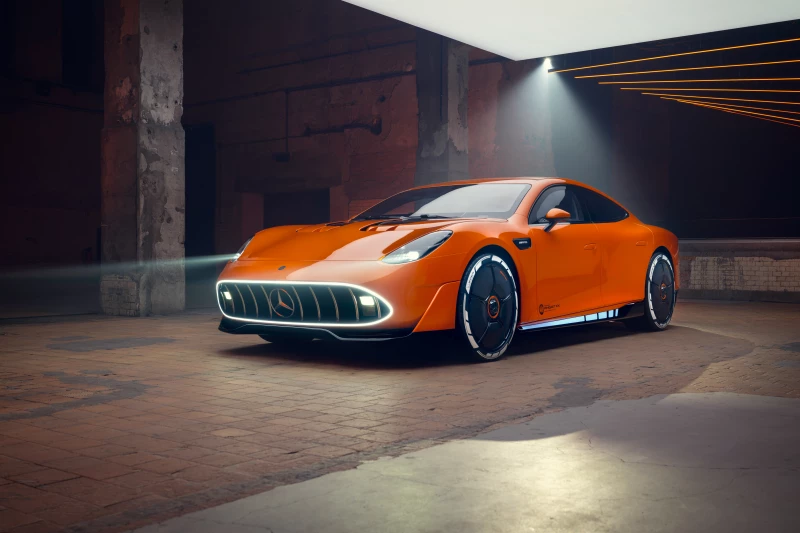
Mercedes’ AMG division has revealed a concept EV that’s essentially a street-legal rocket. Powered by three axial-flux motors, it delivers 1,340 horsepower (985.5 kW) and reaches a top speed of 220 mph (354 km/h).
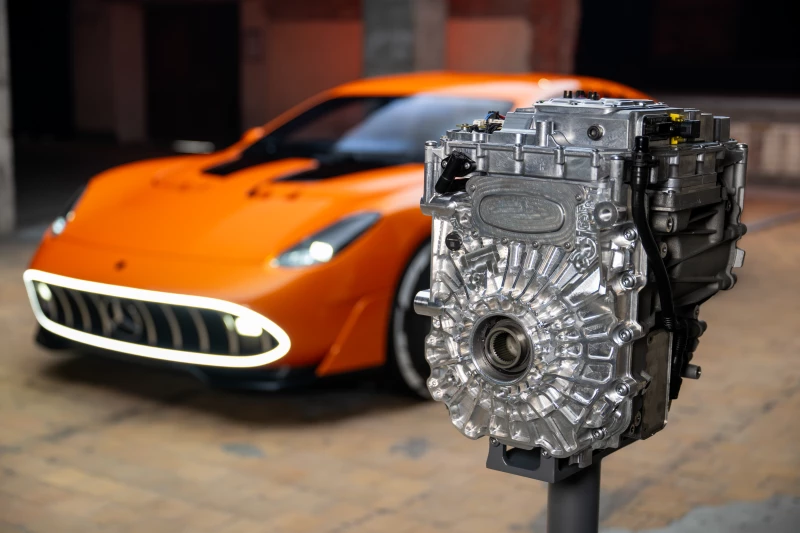
The new axial-flux motors are smaller, lighter, and more efficient. With a disc-shaped stator spinning parallel to the shaft, they’re 67% lighter, offering 3× the power density and 2× the torque of traditional motors.
Next-Gen NCMA Battery Boosts Power and Efficiency
The axial-flux motors are driven by a newly designed battery featuring oil-cooled, tall cylindrical cells using NCMA chemistry. This lithium-ion battery incorporates a nickel cobalt manganese aluminum oxide cathode, enhancing the standard NCM formula with added aluminum.The result: more capacity, higher energy and power output, with less cobalt and improved stability.
Image Credits:An innovative EDU for the motors and transmission was designed to maximize space and weight savings Mercedes-Benz
The Concept GT XX’s 800+ volt battery pack houses more than 3,000 NCMA cells, enabling ultra-fast charging at up to 850 kW. While Mercedes hasn’t disclosed the total capacity of the pack, it did confirm an energy density of 300 Wh/kg.
The motors sit in electric drive units (EDUs) with a planetary transmission and silicon carbide inverter. The rear unit has two motors making 860 hp, while the front holds one motor with a spur-gear setup.
Adaptive Aero Enhances Performance and Efficiency
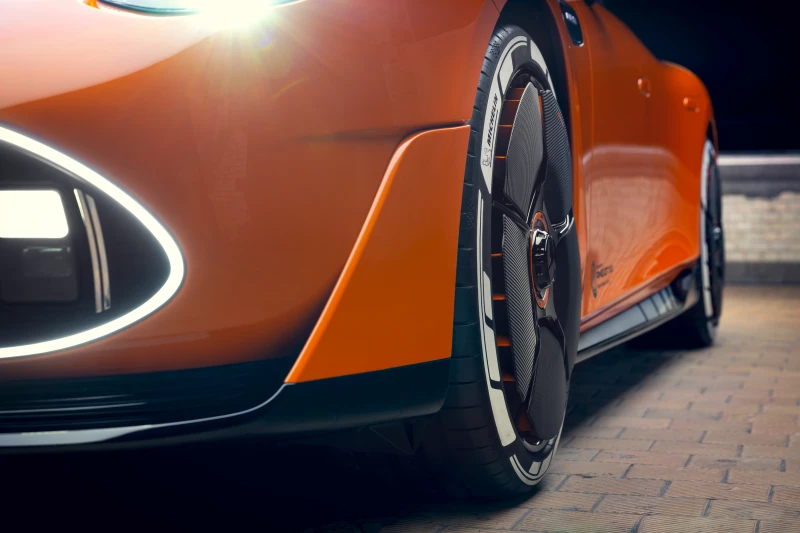
Aerodynamics play a major role in the Concept GT XX’s performance, with a remarkably low drag coefficient of just 0.198. A streamlined body and actively adjusting aero wheels make this possible. These wheels use “cloaking” blades that adjust to either cool the brakes or enhance aerodynamics, depending on driving conditions.
The overall design is compact, aggressive, and steeped in nostalgia, with the front grille and hood strongly reminiscent of the classic 300 SLR.
The Concept GT XX features V8 sounds from headlight speakers, a yoke steering wheel, carbon fiber accents, and orange lighting. A programmable center tail light adds to its sleek, game-inspired interior.
Image Credits:The fins on the AMG Concept GT XX’s wheels can suck in or push out to allow cooling air for the brakes Mercedes-Benz
Mercedes has confirmed that this concept is road-ready and headed for production. Futuristic features may be trimmed for production, but the drivetrain and aero systems actively demonstrate real-world readiness—pending durability tests.
When the Bugatti Tourbillon debuted in June 2024, most of the buzz (mine included) centered on its stunning design and clock-themed flair. But now we finally get a look under the hood.
Efficiency Engineered to the Extreme
And it’s jaw-dropping. Bugatti hasn’t just built a fast car—they’ve engineered a marvel. While rivals chase more power and tech, the Tourbillon stands out for its compact, lightweight design and extreme mechanical efficiency. Think of it as cranking the performance dial to 13.
If you’ve read my takes on Koenigsegg’s Tourbillon transmission or the Gemera’s 800-hp Dark Matter motor, you know I love all things engine. Combustion and electric each have their merits—but in Bugatti’s Tourbillon, the magic happens when they’re combined.
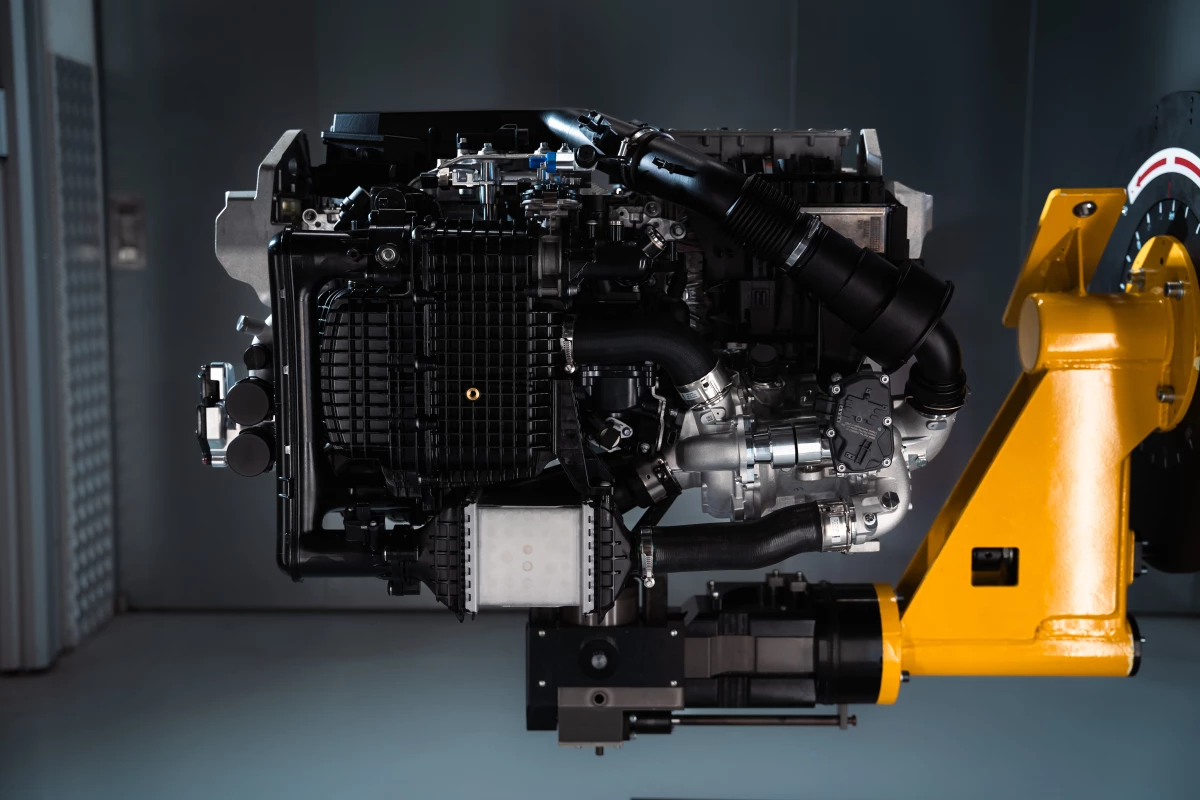
Image Credits:The entire V16 engine, transmission, and electric motor. It’s significantly lighter than the W16 with transmission Bugatti
At the heart of the Tourbillon sits Bugatti’s now-iconic naturally aspirated V16 engine. This 968-hp (735-kW) powerhouse is paired with an 8-speed dual-clutch transmission featuring torque vectoring, along with a 335-hp (250-kW) electric motor that serves three roles: starter, generator, and torque enhancer.
The Tourbillon is all about seamless integration.
Bugatti’s quad-turbo legacy began with the EB110 in 1991, followed by the 253-mph W16 Veyron in 2005. Over the years came faster versions—the Grand Sport, Super Sport, and Grand Sport Vitesse—all with similar looks and incremental performance gains.
From Chiron to Mistral
By 2016, the Bugatti Chiron arrived, continuing the quad-turbo W16 legacy. Between then and 2024, four more versions followed: the track-ready Divo, the ultra-rare (and once most expensive) La Voiture Noire, the $8.8 million Centodieci, and the 300+ mph Bolide. The final chapter for the iconic W16 came with the 2024 Bugatti Mistral—a joint project with Rimac.
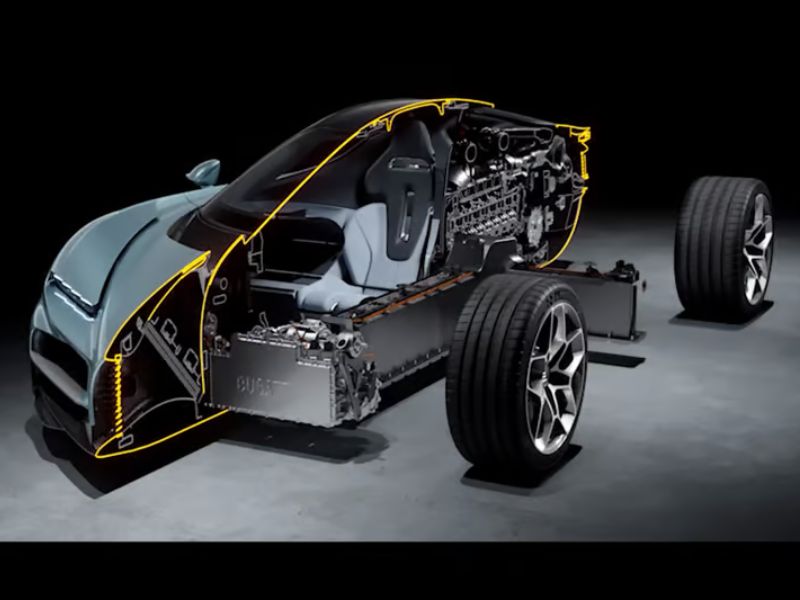
With the Tourbillon, that hefty W16 and its complex quad-turbo system are gone. It even loses two radiators compared to earlier models. The remaining eight manage everything from thermal loops to oil cooling—vital for keeping the batteries in check that power its three identical electric motors.
Image Credits:A cutaway of the Bugatti Tourbillon showing the T-shaped battery back and electric motors up front Bugatti
Up front, it gets even more impressive. Like Koenigsegg’s Dark Matter, there’s a single housing between the front wheels—but inside are two gearboxes and two electric motors, each driving a wheel for true all-wheel drive. Each motor makes 335 hp and revs to 24,000 rpm, tuned for high-speed efficiency over low-end torque.
Talk about integration.
Image Credits:The coverless battery pack Bugatti
The Tourbillon’s T-shaped 800-volt battery skips a traditional case to save weight—the monocoque chassis serves as the housing. With 1,500+ cells, it delivers about 37 miles (60 km) of EV range, though it’s really about zero lag, peak performance, and ultra-efficient, lightweight design.
Is it still a hybrid—or something closer to harmony?
Tesla has officially begun offering driverless rides in Model Y SUVs in Austin, marking a major milestone a decade after CEO Elon Musk first pledged to launch autonomous ride services—many of which failed to materialize until now.
This limited rollout will serve as the first significant test of Musk’s strategy to achieve full autonomy using only cameras and end-to-end AI, setting Tesla apart from competitors like Waymo, which use a mix of sensors and mapping.
Tesla Quietly Launches $4.20 Robotaxi Rides in Austin, Inviting Select Supporters via X
On Sunday, social media videos and local sources confirmed the launch, revealing that rides are available for a flat $4.20 fee. Tesla had quietly sent early-access invites to select users in the past week, allowing them to download a new robotaxi app and start using the service. The total number of participants remains unknown, though many seem to be active Tesla advocates on Musk’s social platform, X.
Tesla also launched a robotaxi information page on June 22, outlining service hours—daily from 6 a.m. to midnight—with operations potentially halted during bad weather. Each ride will include a Tesla employee in the front passenger seat acting as a “safety monitor.”
The page provides basic rider guidance, such as how to download the app or report lost items, but lacks the detailed transparency Waymo typically offers.
For now, the service is limited to a small fleet of around 10 Model Y vehicles operating in a specific area of South Austin. This matches reports from Ed Niedermeyer, a Tesla critic and co-host of The Autonocast, who is in Austin observing the pilot program.
Neidermeyer discovered what seems to be Tesla’s robotaxi staging area—a plain, tree-lined parking lot near Oltorf Street in South Austin. On the day before the launch, he observed several driverless Model Y vehicles, each with a Tesla employee in the driver’s seat, entering and exiting the lot. Additional Model Ys, many bearing manufacturer plates, were also parked there.
Tesla Robotaxi Abruptly Brakes Near Police, Raising Questions About Vehicle Behavior
The following morning, he spotted Tesla-branded Model Y robotaxis departing from the same location—this time with employees sitting in the front passenger seat. One vehicle, which hadn’t yet picked up a passenger, abruptly braked twice, including once in the middle of an intersection. The reason for the sudden stops is unclear, but a video reviewed by TechCrunch and later posted on YouTube shows both incidents happened as the Tesla passed by nearby police vehicles parked along the roadside.
Before the launch, Elon Musk offered only scattered details about Tesla’s robotaxi service through interviews and posts on X. Most of what’s known has come from devoted supporters, not official channels.
Tesla has also worked to limit public disclosure. The company tried to block TechCrunch and Reuters from obtaining records from TxDOT and the city of Austin, citing trade secrets and confidential business information.
A key feature of the rollout is the use of a human “safety monitor” in the front passenger seat. Their role remains vague, though they may have emergency override capabilities. Unlike rivals like Waymo and Cruise, who placed safety drivers behind the wheel during testing, Tesla is using this setup during public operations.
Tesla Launches Robotaxi Service with Model Y SUVs and New “Unsupervised” FSD, Camera Use Limited
The robotaxi fleet consists of 2025 Model Y SUVs running a new “unsupervised” Full Self-Driving software—not the “Cybercabs” unveiled in late 2024. Tesla’s in-cabin camera is off by default and will only activate during emergencies or post-ride diagnostics.
Early riders are encouraged to document their experience but face suspension if they share content showing rule violations like smoking, drinking, or misuse of the service.
Tesla executives celebrated the launch on X, with Musk calling it the result of a decade of work. Despite the fanfare, at least one rider required remote assistance during a trip, though they later reported a smooth experience overall.
We use cookies on our website to give you the most relevant experience by remembering your preferences and repeat visits. By clicking “Accept All”, you consent to the use of ALL the cookies. However, you may visit "Cookie Settings" to provide a controlled consent.
This website uses cookies to improve your experience while you navigate through the website. Out of these, the cookies that are categorized as necessary are stored on your browser as they are essential for the working of basic functionalities of the website. We also use third-party cookies that help us analyze and understand how you use this website. These cookies will be stored in your browser only with your consent. You also have the option to opt-out of these cookies. But opting out of some of these cookies may affect your browsing experience.
Necessary cookies are absolutely essential for the website to function properly. These cookies ensure basic functionalities and security features of the website, anonymously.
Cookie
Duration
Description
cookielawinfo-checkbox-analytics
11 months
This cookie is set by GDPR Cookie Consent plugin. The cookie is used to store the user consent for the cookies in the category "Analytics".
cookielawinfo-checkbox-functional
11 months
The cookie is set by GDPR cookie consent to record the user consent for the cookies in the category "Functional".
cookielawinfo-checkbox-necessary
11 months
This cookie is set by GDPR Cookie Consent plugin. The cookies is used to store the user consent for the cookies in the category "Necessary".
cookielawinfo-checkbox-others
11 months
This cookie is set by GDPR Cookie Consent plugin. The cookie is used to store the user consent for the cookies in the category "Other.
cookielawinfo-checkbox-performance
11 months
This cookie is set by GDPR Cookie Consent plugin. The cookie is used to store the user consent for the cookies in the category "Performance".
viewed_cookie_policy
11 months
The cookie is set by the GDPR Cookie Consent plugin and is used to store whether or not user has consented to the use of cookies. It does not store any personal data.
Functional cookies help to perform certain functionalities like sharing the content of the website on social media platforms, collect feedbacks, and other third-party features.
Performance cookies are used to understand and analyze the key performance indexes of the website which helps in delivering a better user experience for the visitors.
Analytical cookies are used to understand how visitors interact with the website. These cookies help provide information on metrics the number of visitors, bounce rate, traffic source, etc.
Advertisement cookies are used to provide visitors with relevant ads and marketing campaigns. These cookies track visitors across websites and collect information to provide customized ads.