Tag: ADHD

  • Hidden Eye Feature May Reveal ADHD Risk

    Hidden Eye Feature May Reveal ADHD Risk

    Accurately diagnosing ADHD is essential for providing clarity and appropriate support to those affected, yet current methods are often lengthy and unreliable. A recent study indicates that AI might offer a solution.
    Credit: Pixabay

    In South Korea, researchers developed machine learning models to link features in fundus images—photos of the back of the eye—to clinical ADHD (attention deficit hyperactivity disorder) diagnoses.

    Top Model Hits 96.9% Accuracy in ADHD Detection

    Among the four models tested, the most effective one reached an accuracy rate of 96.9% in identifying ADHD using image analysis alone.

    Key indicators of the condition included increased blood vessel density, variations in vessel shape and width, and specific changes in the optic disc of the eye.

    For years, scientists have suspected that the eye might reflect brain connectivity changes linked to ADHD. Identifying specific visual indicators could lead to a quicker and more dependable way to detect the disorder.

    Our analysis of retinal fundus photographs demonstrated potential as a noninvasive biomarker for ADHD screening and executive function deficit stratification in the visual attention domain,” the research team, led by Yonsei University College of Medicine, noted in their published study.

    “Researchers tested the method on 323 children and teens diagnosed with ADHD and a control group of 323 age- and sex-matched individuals without the condition.”

    The AI model showed strong performance across various evaluation metrics for predicting ADHD, and it was also effective at identifying traits associated with the disorder, such as difficulties with visual selective attention.

    Here’s the sentence with active counterparts:

    “Researchers have recently investigated various machine learning approaches for ADHD screening, including methods that use different types of eye scans and behavioral assessments.” While this new method may not be the top performer in raw accuracy, it’s nearly as effective—and stands out for being fast, easy to evaluate, and highly scalable.

    Reliance on Diverse Variables in Early High-Accuracy Models

    As the researchers note, earlier high-accuracy models usually depended on a broad range of variables, each offering a small but important role in distinguishing individuals.”

    Our method streamlines the analysis by using only retinal images, making our models more straightforward and effective,” the researchers explain.

    They now plan to test the approach on larger and more diverse populations, especially since the current study focused on children with an average age of 9.5—while ADHD can appear quite differently in adults.

    There’s also potential to broaden the system’s capabilities. For instance, individuals with autism spectrum disorder were not included in the main analysis, and additional testing revealed the AI struggled to distinguish between autism and ADHD.

    With around 1 in 20 people affected by ADHD—characterized by difficulties with focus, impulsivity, and hyperactivity—a faster and more precise diagnostic tool could have a significant impact.

    Early detection and timely treatment can enhance social, family, and academic outcomes for those with ADHD,” the researchers note.


    Read the original article on: Sciencealert

    Read more: Many of Us Are Dominantly Right-Handed but Left-Eyed. Here’s the Reason

  • Misinformation on TikTok is Distorting Young People’s Perception of ADHD

    Misinformation on TikTok is Distorting Young People’s Perception of ADHD

    Around 1.8 billion people use TikTok monthly, spending an average of 95 minutes per day on the platform for entertainment, engagement, and even education. While these figures are impressive, a new study highlights that TikTok may not be the most trustworthy source for health-related information, especially regarding ADHD.
    Credit: Pixabay

    Around 1.8 billion people use TikTok monthly, spending an average of 95 minutes per day on the platform for entertainment, engagement, and even education. While these figures are impressive, a new study highlights that TikTok may not be the most trustworthy source for health-related information, especially regarding ADHD.

    Study Reveals Misinformation in Popular TikTok ADHD Videos

    Researchers from the University of British Columbia (UBC) analyzed the 100 most-viewed TikTok videos tagged with ADHD content and found that fewer than half aligned with professional diagnostic criteria.

    These videos, which amassed nearly half a billion views, were primarily based on personal experiences and opinions. Many failed to capture the complexity of ADHD, including how symptoms can vary among individuals.

    The researchers looked at hashtags related to ADHD posts. (Karasavva et al., PLOS One, 2025)

    While TikTok is a powerful platform for raising awareness and reducing stigma, it also has its drawbacks,” says UBC clinical psychologist Vasileia Karasavva.

    Personal experiences and anecdotes can be compelling, but without proper context, they risk spreading misconceptions about ADHD and mental health overall.”

    Examining the Influence of Accurate and Inaccurate ADHD Content on Student Perceptions

    To explore this impact, researchers conducted an experiment using the five most accurate and five least accurate videos from the top 100, as assessed by clinical psychologists. These 10 videos were shown to 843 undergraduate students in an introductory psychology course, who then rated them based on their perceived educational value.

    While psychologists rated the five most accurate videos at an average of 3.6 for accuracy, students gave them a lower score of 2.8. Meanwhile, the least accurate videos received a 1.1 rating from psychologists but scored 2.3 among students.

    This gap highlights a concerning disconnect between expert evaluations and how casual viewers perceive ADHD content on TikTok. Such misinformation could influence public understanding of the condition, potentially impacting diagnoses and treatment.

    Our findings reveal a discrepancy between mental health professionals and young adults regarding the educational value of ADHD content on TikTok,” the researchers note. “Addressing this is essential for improving access to treatment and support for individuals with ADHD.”

    The study also found that students who frequently viewed ADHD-related content were more likely to share it and overestimate the condition’s prevalence.

    The researchers emphasize that TikTok’s algorithm rewards engagement rather than accuracy, making misinformation widespread. They advocate for more expert-driven content from healthcare professionals and encourage viewers to seek reliable sources outside the platform.

    Despite these concerns, the researchers acknowledge TikTok’s role in community building and awareness. However, they urge users to verify information through reputable sources.

    Some young adults seek out TikTok for information due to challenges in accessing care or past negative experiences with mental health professionals,” says Amori Mikami, a psychology professor at UBC.


    Read the original article on: Science Alert

    Read more: TikTok Misinformation Is Distorting Young People’s Perception Of ADHD

  • Increased Risk of Toxicity in Children with Autism and ADHD

    Increased Risk of Toxicity in Children with Autism and ADHD

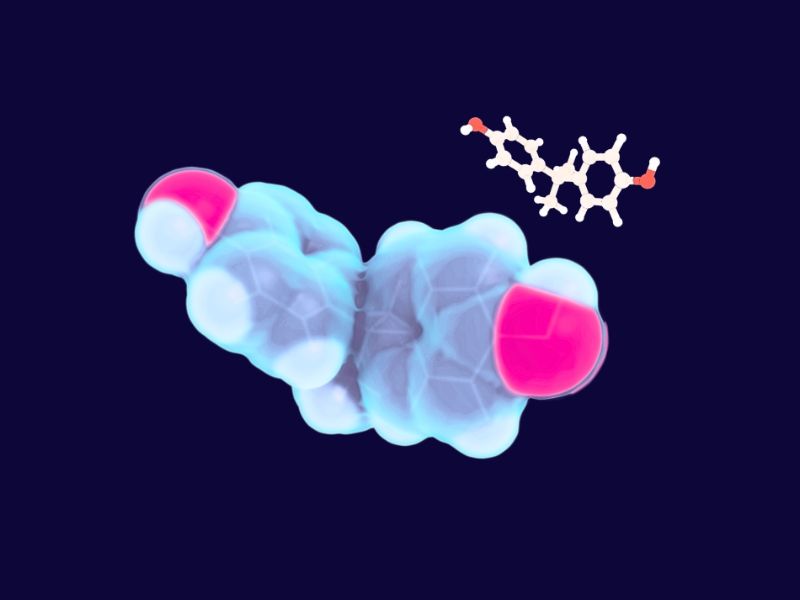
    Bisphenol A molecule. (Selvanegra/Canva Pro)

    In recent years, diagnoses of autism spectrum disorder (ASD) and attention deficit hyperactivity disorder (ADHD) have significantly risen, prompting ongoing research into the factors contributing to these conditions.

    Key Findings on BPA Processing in Children

    A 2023 study highlighted a key difference in how children with autism and ADHD process bisphenol A (BPA), a common plastic additive, compared to neurotypical children.

    BPA is widely used in plastics and food containers, but past studies have linked it to health risks such as hormone disruption, breast cancer, and infertility.

    Plastic bottles can contain the additive bisphenol A. (fotoblend/pixabay)

    Researchers from Rowan University and Rutgers University in the US examined three groups of children: 66 with autism, 46 with ADHD, and 37 neurotypical children. They focused on glucuronidation, a chemical process that helps the body eliminate toxins from the bloodstream via urine.

    Reduced BPA Detoxification in Children with ASD and ADHD

    The study revealed that children with ASD and ADHD had a reduced ability to clear BPA and a similar compound, diethylhexyl phthalate (DEHP), compared to neurotypical children, potentially exposing them to prolonged toxic effects.

    The researchers noted that children with ASD and ADHD have compromised detoxification of these two plasticizers, leading to increased exposure in their tissues.

    However, the difference was only statistically significant for BPA. Children with ASD showed an 11 percent reduction in clearing BPA, and children with ADHD showed a 17 percent reduction compared to the control group.

    The researchers hypothesize that genetic mutations may impair the body’s ability to detoxify BPA, allowing it to linger in the body and potentially harm neural development and function.

    Inability to clear BPA in some individuals could affect the development of their neurons. (IMGMIDI/pixabay)

    Genetic and Environmental Factors in ASD and ADHD

    While ASD and ADHD are believed to result from a combination of genetic and environmental factors, this study suggests that both play a role. However, it is not the entire picture—some children with neurodevelopmental disorders did not show issues with clearing BPA, indicating other contributing factors.

    Research is ongoing to understand the exact origins of ASD and ADHD, whether from prenatal exposure or later in life. The current data is insufficient to prove that BPA exposure directly causes either disorder.

    The researchers concluded, “There is an extensive body of epidemiological evidence for a relationship between neurodevelopmental disorders and environmental pollutants such as plasticizers.”

    They also noted that while the full impact of plasticizers on neurodevelopmental disorders is still unclear, the correlation found in their study indicates a significant relationship.


    Read the original article on: Science Alert

    Read more: Nanowarming Technique Revolutionizes Organ Transplantation

  • Expert Identifies Irregular Brain Wave Patterns as Potential Indicator of ADHD

    Expert Identifies Irregular Brain Wave Patterns as Potential Indicator of ADHD

    Credit: Pixabay

    Children with attention deficit hyperactivity disorder (ADHD) are not lazy, undisciplined, or lacking manners. Instead, their brains develop and function differently, marked by unique neurological activity patterns and neurochemical imbalances. These differences classify ADHD as a neurodevelopmental disorder rather than a behavioral issue.

    The Neurological Basis of ADHD

    The neurological variations in ADHD manifest as attention difficulties, disorganization, hyperactivity, or impulsivity. While these traits are often most evident in childhood, where ADHD affects about 5% of the population, they frequently persist into adulthood, impacting around 2.5% of adults. Consequently, ADHD can influence social, academic, and occupational outcomes throughout a person’s life.

    Although some risk factors, such as maternal smoking during pregnancy or low birth weight, are associated with ADHD, they are not direct causes. Instead, genetic factors play a more significant role, as heredity accounts for 74% of cases.

    Moving Beyond Behavioral Diagnoses

    Currently, ADHD diagnoses rely heavily on observing cognitive and behavioral traits relative to age expectations. However, advances in computational neuroscience offer a new frontier. Emerging tools analyze brain activity patterns instead of relying solely on behavioral observations, providing a more objective diagnosis.

    Using mathematical algorithms, these tools identify similarities in brain activity between individuals with ADHD, offering a complementary or future alternative to traditional diagnostic methods.

    Brain Wave Patterns in The Disease

    Our brain’s neurons communicate via electrical activity, producing brain waves linked to cognitive states. In ADHD, studies have identified divergent patterns in the P3B and N200 waves.

    • P3B waves, which reflect attention and information processing, tend to be weaker or delayed in ADHD individuals.
    • N200 waves, involved in error detection, impulse control, and attention focus, show irregular functioning, contributing to difficulties in self-regulation.

    Insights from Neuroimaging

    Advanced neuroimaging techniques, like magnetic resonance imaging (MRI), reveal structural differences in ADHD brains:

    • The corpus callosum, which connects the brain’s hemispheres, often shows reduced size or volume.
    • The frontal lobe, responsible for attention and executive functions, is typically smaller.
    • The caudate nucleus, crucial for dopamine release and the brain’s reward system, is also affected.

    Lower cortical volumes in regions such as the frontal, temporal, parietal, and occipital lobes are particularly significant, with reductions in the orbitofrontal areas impacting self-control and inhibition.

    Chemical and Metabolic Factors

    Other imaging methods, like positron emission tomography (PET), highlight decreased glucose metabolism in key regions related to emotional regulation, memory, sensory processing, and attention. For example:

    • Reduced blood flow to white matter in the frontal areas impairs executive functions like decision-making and impulse control.
    • Lower blood supply in regions such as the basal nuclei and striatum disrupts dopamine regulation, further affecting attention and motivation.

    Additionally, studies indicate reduced dopamine levels in ADHD brains, directly impacting the reward system, learning, and focus.

    Reducing Stigma and Embracing Strengths

    Neuroscience has made it clear that this disease is a legitimate neurodevelopmental condition, not a matter of poor discipline or laziness. Recognizing this helps avoid false positives and ensures accurate diagnoses by considering environmental factors and other potential explanations.

    It is crucial to provide tools and strategies to help individuals with ADHD manage their challenges while emphasizing their strengths. Support from schools, families, and therapists can create an environment where individuals with ADHD thrive.

    Although school can be challenging for children with ADHD, with proper support, many grow up to achieve remarkable success. Celebrities like Will Smith, Jim Carrey, and Justin Timberlake, alongside entrepreneurs like Ingvar Kamprad (IKEA) and Richard Branson (Virgin), exemplify this potential.

    The true challenge lies not in ADHD itself but in society’s understanding and support of the condition.


    Read Original Article: Science Alert

    Read More: This Key Blood Measurement Could Signal Your Future Disease Risk

  • A study Confirms that ADHD Affects Overall Brain Connectivity

    A study Confirms that ADHD Affects Overall Brain Connectivity

    Analyzing neuroimaging data from almost 12,000 participants, researchers have verified the necessity of adopting a comprehensive approach encompassing the entire brain for the diagnosis, research, and treatment of attention-deficit hyperactivity disorder (ADHD).
    Assessing connectivity across the entire brain could help identify likely ADHD development
    Depositphotos

    Analyzing neuroimaging data from almost 12,000 participants, researchers have verified the necessity of adopting a comprehensive approach encompassing the entire brain for the diagnosis, research, and treatment of attention-deficit hyperactivity disorder (ADHD).

    Earlier research has concentrated on specific brain regions or networks. However, scientists at the Oregon Health & Science University (OHSU) and the University of Minnesota Masonic Institute for the Developing Brain argue that such an approach may overlook aspects of the condition. They emphasize the importance of zooming out and considering the broader perspective to detect additional facets of ADHD.

    Predicting and Identifying High-Risk Children for Timely Intervention

    Assessing the collective impact of brain regions, we now approach ADHD as a comprehensive brain-related issue, offering the potential to predict which children may have ADHD and to what extent,” explained Michael A. Mooney, the corresponding author and assistant professor of medical informatics and clinical epidemiology in the OHSU School of Medicine. “In the future, we anticipate that this approach will aid in early identification of children at the highest risk, enabling prompt intervention.”

    ADHD, with its diverse symptoms and varying severity, officially affects approximately 3.5% of the US population, exceeding 11 million people; however, the actual prevalence is believed to be higher. Currently, there is no singular diagnostic test for this often debilitating condition observed in both children and adults. Diagnosis relies on a combination of medical tests to eliminate other possibilities and subjective assessments through anecdotal and symptom checklist examinations, forming the foundation for diagnosis and treatment.

    Neuroimaging Insight

    In this investigation, the scientists utilized neuroimaging information from almost 12,000 children, aged nine and ten, participating in the Adolescent Brain Development Study (ABCD). This study spanned over a decade and mapped behavioral, social, and brain development. Using this dataset, the researchers developed a Polyneuro Risk Score (PNRS) to assess the probability of an ADHD diagnosis based on connectivity throughout the entire brain.

    By understanding the types of connectivity issues associated with different ADHD symptoms, the researchers assigned PNRS scores using participants’ resting-state functional connectivity magnetic resonance imaging (rs-fcMRI) data. A higher score indicated a stronger correlation with recognized ADHD brain activity.

    The noteworthy finding was a significant correlation between the PNRS score and ADHD diagnosis when considering the entire brain.

    Challenging the Conventional Focus on Specific Brain Regions in ADHD Research

    This is a notable development, as much of the earlier research concentrated on specific brain regions, whereas our study reveals that it is not universally applicable,” stated Mooney. “In reality, there is signal contribution from all areas of the brain that influences the risk of ADHD.”

    The team’s subsequent objective is to validate if these findings remain consistent across different age groups, aiming to establish a robust neurological tool for diagnosis. Additionally, they aspire to explore how assessing connectivity across the entire brain could serve as a foundation for more effective treatment.

    Given the evolving understanding of ADHD and its diverse behavioral expressions, the current diagnostic methods are viewed as somewhat outdated. While symptoms may involve hyperactivity, impulsivity, and disruptiveness, there are also inattentive and distractible types, along with a combination of the two extremes.

    At this research stage, we are still assessing the practical applications of these findings,” remarked Mooney. “Nevertheless, it strongly suggests the importance of not isolating behavioral conditions. Our aspiration is to continue advancing in this research area so that, in the future, we can enhance the methodology to a level where it could be employed in healthcare settings, offering ADHD risk prediction and assessment.”


    Read the original article on: New Atlas

    Read more: Caltech’s Leading Role in Ultrasound Brain–Machine Interface Advancement