Tag: Air

  • ‘Brainless’ Robots That Move Together are Driven Entirely By Air

    ‘Brainless’ Robots That Move Together are Driven Entirely By Air

    Researchers at the University of Oxford have created a new type of soft robot that functions without electronics, motors, or computers, relying solely on air pressure. Published in Advanced Materials, the study demonstrates that these "fluidic robots" can produce complex, rhythmic motions and even synchronize their movements automatically.
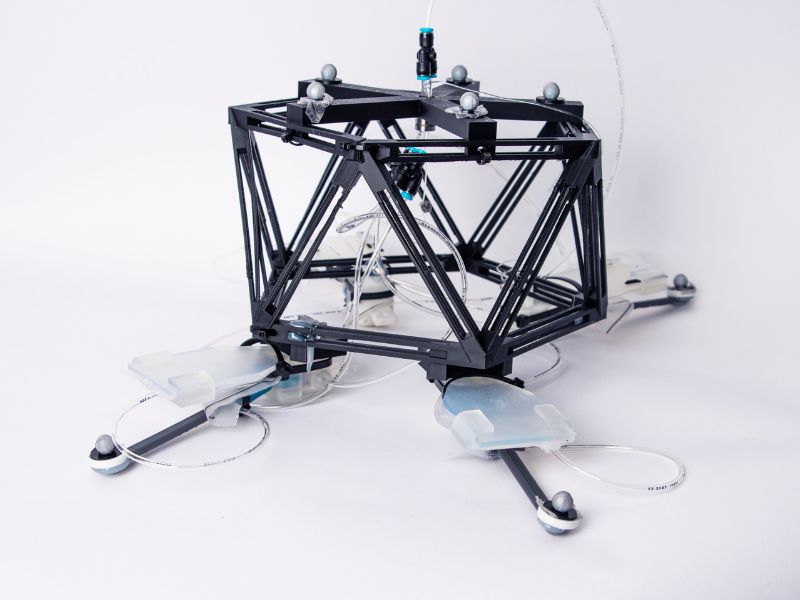
    A photo of the unidirectional hopping robot which is composed of a black skeleton as the robot body, and four self-sensing oscillating actuators. Image Credits: Antonio Forte and Mostafa Mousa.

    Researchers at the University of Oxford have created a new type of soft robot that functions without electronics, motors, or computers, relying solely on air pressure. Published in Advanced Materials, the study demonstrates that these “fluidic robots” can produce complex, rhythmic motions and even synchronize their movements automatically.

    Professor Antonio Forte (Department of Engineering Science, University of Oxford, RADLab Lead) said, “We’re thrilled to observe that brainless machines naturally produce complex behaviors, distribute functional tasks to the peripheries, and free up capacity for more intelligent operations.”

    Addressing a Major Hurdle in soft Robotics

    Soft robots, made from flexible materials, excel at navigating uneven terrain and handling fragile objects. Soft robotics aims to embed behavior into a robot’s structure, making machines more adaptive and responsive.

    Such automatic behavior—arising from interactions between the body and its environment—is hard to replicate with conventional electronic circuits, which rely on complex sensing, programming, and control systems.

    To tackle this, the researchers drew inspiration from nature, where body parts often serve multiple functions and coordinated behavior can emerge without a central controller. Their key innovation was a small, modular component that uses air pressure to perform mechanical tasks, functioning similarly to how an electronic circuit directs electrical current. Depending on its configuration, this single block can either:

    • Respond to air pressure changes by moving or deforming, acting like a muscle.
    • Detect pressure changes or contact, functioning like a touch sensor.
    • Control air flow by switching it on or off, similar to a valve or logic gate.

    Modular, Self-Synchronizing Robots

    Like LEGO blocks, small identical units combine to make different robots without changing the hardware. In the study, the team built tabletop robots, about the size of a shoebox, capable of hopping, shaking, or crawling.

    “Researchers found that each unit could perform all three functions simultaneously, generating rhythmic motion under constant pressure.” When multiple responsive units connect, they naturally synchronize their movements without any computer control or programming.

    Demonstrated in a shaker robot sorting beads and a crawler halting at table edges. In both cases, mechanical interactions entirely achieved the coordinated movements, with no external electronics.

    Lead author Dr. Mostafa Mousa (Department of Engineering Science, University of Oxford) explained, “This spontaneous coordination requires no preset instructions; it emerges solely from how the units interact with each other and with their environment.”

    Paving The way for Embodied Intelligence

    Importantly, the robots only synchronize their behavior when they connect and maintain contact with the ground. The team applied the Kuramoto model—a mathematical framework describing how networks of oscillators synchronize—to explain this phenomenon.

    Their analysis showed that coordinated movements can emerge solely from the robots’ physical design and environmental coupling. Here, the motion of each leg subtly influences the others via the shared body and ground reaction forces.

    This interaction creates a feedback loop, where forces transmitted through friction, compression, and rebound link the limbs’ movements, resulting in spontaneous coordination.

    A snapshot of the unidirectional hopping robot at the beginning of its motion. Its from limbs actuates in synch initiating hopping motion with no control, only single-constant air pressure is applied. Image Credits: Antonio Forte and Mostafa Mousa.

    Robots Achieve Natural Synchronization Through Physical Interaction

    Dr. Mousa explained, “Like fireflies syncing flashes, the robot’s air-powered limbs rhythmically align through ground contact instead of sight.” This emergent behavior, seen in nature before, marks a significant advance toward programmable, self-intelligent robots.”

    Although the current soft robots sit on tabletops, the researchers note that the design principles apply at any scale. They aim to study these systems to create energy-efficient, untethered robots for extreme environments requiring adaptability and low power use.

    Professor Forte added, “Embedding decision-making and behavior directly into a robot’s structure could produce adaptive, responsive machines that don’t rely on software to ‘think.’ This represents a shift from ‘robots with brains’ to ‘robots that are their own brains,’ making them faster, more efficient, and better equipped to handle unpredictable environments.”


    Read the original article on: Tech Xplore

    Read more: Designed Proteins Allow Efficient, Green, and Biocompatible Energy Storage

  • Dinosaur Teeth Suggest Prehistoric Air Was Surprisingly Poor

    Dinosaur Teeth Suggest Prehistoric Air Was Surprisingly Poor

    Who knew that the enamel on fossilized dinosaur teeth contained secrets – like ancient isotropic traces of oxygen?
    Dan Dennis on Unsplash

    Fossilized dinosaur teeth offer more than just clues about diet and lineage—they also serve as unexpected archives of ancient atmospheric conditions. New research shows that if humans had existed alongside dinosaurs, breathing might have been quite difficult due to significantly elevated levels of carbon dioxide in the air.

    A Global Effort to Decode Ancient Enamel

    This insight comes from a study led by geochemists and geologists at the University of Göttingen in Germany. The team analyzed enamel powder from dinosaur teeth discovered across North America, Europe, and Africa. These teeth, some dating back as far as 150 million years, preserved isotopic signatures of the oxygen the dinosaurs once inhaled.

    While it may seem odd to study tooth enamel for air quality data, its durability makes it ideal for preserving traces of the atmospheric gases absorbed into body water through biomineralization. This quality allowed scientists to reconstruct the air composition of ancient Earth with remarkable detail.

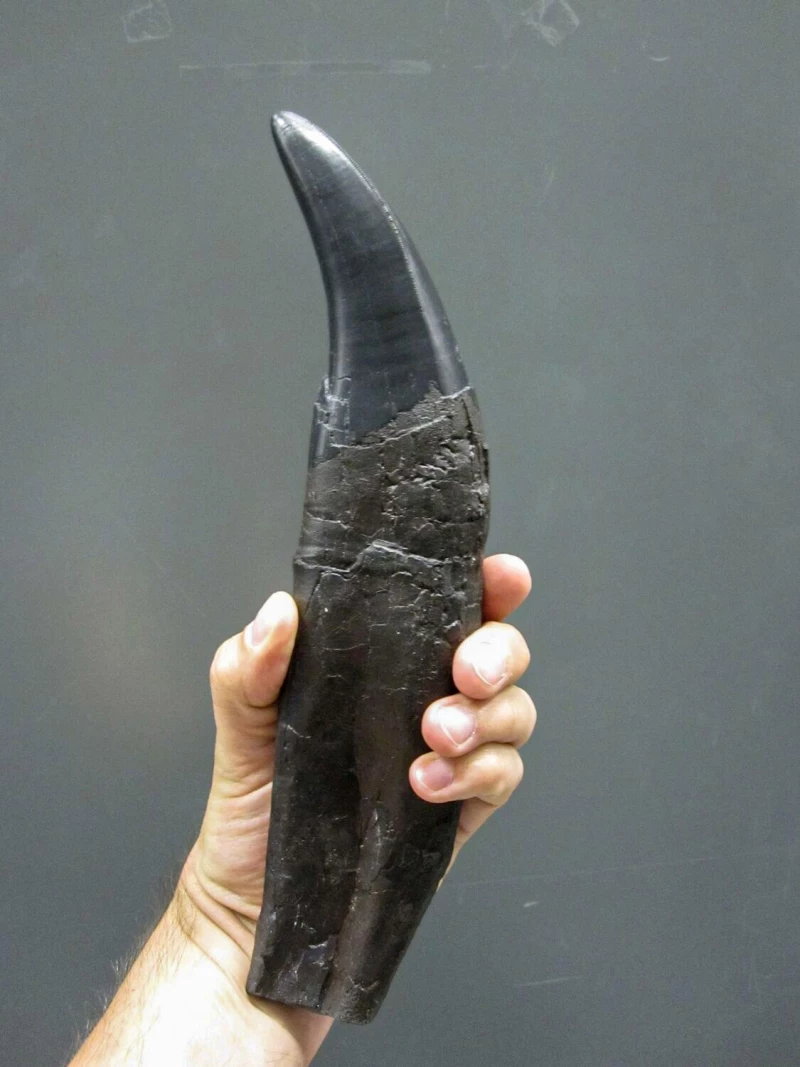
    The tooth of a Tyrannosaurus rex – like the teeth analyzed in this study – found in Alberta, Canada
    Thomas Tütken

    Their findings were startling. During the late Cretaceous, atmospheric CO₂ levels hit about 750 parts per million, and in the late Jurassic, they soared to approximately 1,200 parts per million. That’s nearly four times higher than preindustrial levels—and well above the current average of 430 ppm.

    Volcanic Clues and Enhanced Plant Productivity

    In the teeth of two dinosaurs—a Tyrannosaurus rex and a sauropod named Kaatedocus siberi—the researchers also detected unusual oxygen isotope patterns, pointing to a sudden surge in CO₂, potentially triggered by volcanic activity. Additionally, they found that global photosynthetic activity during the Mesozoic era was over twice what we observe on Earth today.

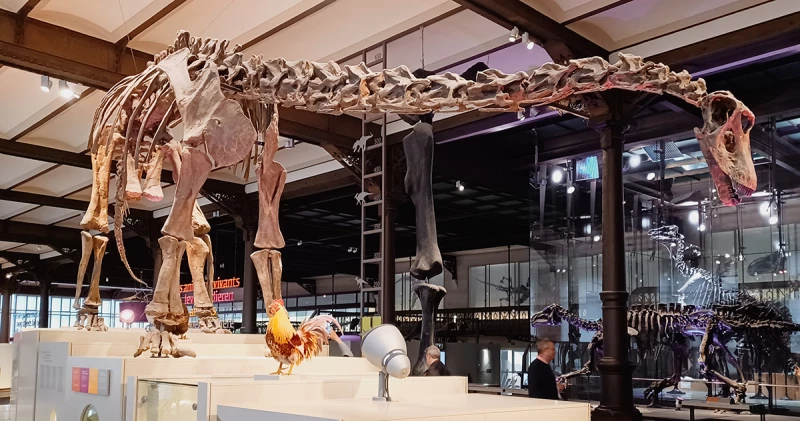
    Kaatedocus – one of the dinosaurs whose teeth the researchers analyzed – at the Museum voor Natuurwetenschappen in Brussels, Belgium
    DaveLevy / Wikimedia Commons

    These discoveries pave the way for new approaches to studying Earth’s ancient climate systems. “Our method allows us to use fossil tooth enamel to analyze the atmosphere and plant productivity in early Earth history,” explained Dr. Dingsu Feng, lead author of the paper published in PNAS. “This is essential for understanding long-term climate evolution.”

    According to ScienceAlert, the team now plans to apply their technique to teeth from around 252 million years ago, during the so-called “Great Dying”—a mass extinction that wiped out nearly all life on Earth. The hope is that this could reveal more about the causes and aftermath of one of the planet’s most catastrophic events.


    Read the original article on: New Atlas

    Read more: Sick Dinosaur May Have Had the Earliest Known Cough

  • Guiding Electricity Through the Air Using Ultrasound Pulses

    Guiding Electricity Through the Air Using Ultrasound Pulses

    Electricity is naturally unpredictable, typically requiring wires and circuits for control. However, researchers in Europe and Canada have successfully directed sparks through open air and around obstacles using ultrasound waves.
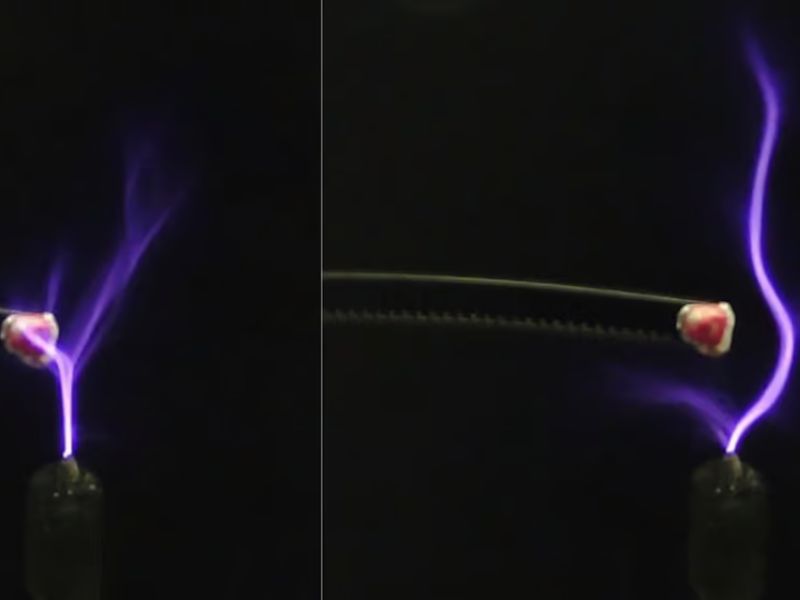
    Plasma sparks naturally (left) and ultrasound-guided (right)
    Josu Irisarri

    Electricity is naturally unpredictable, typically requiring wires and circuits for control. However, researchers in Europe and Canada have successfully directed sparks through open air and around obstacles using ultrasound waves.

    In open air, electricity naturally spreads in unpredictable directions—much like a lightning bolt. Its path is influenced by slight variations in air density, charge distribution, and attraction to metal objects. Managing these factors makes precise control challenging.

    Precision Control of Electric Sparks Through Air

    In a recent study, researchers from the University of Helsinki, Public University of Navarre, and the University of Waterloo developed a technique to steer electric sparks through the air. This method enables sparks to be guided with such precision that they can curve around obstacles and strike targeted points on a material, even if it isn’t conductive.

    We first noticed this phenomenon over a year ago, but it took months to control and even longer to understand,” said Asier Marzo, the study’s lead researcher.

    The key to this technique is ultrasound. Sound waves at these frequencies generate air pressure strong enough to levitate lightweight objects. While they don’t directly push the electricity, they effectively shape its path.

    When a spark forms, it heats the surrounding air, causing it to expand and lower in density. Since electricity naturally favors traveling through lower-density air, the spark moves in that direction. Ultrasound pulses manipulate this warm, less dense air, allowing the spark’s movement to be guided with remarkable precision.

    Ultrasound Emitters Guide Sparks with Precision

    To test the method, the team used two circular arrays of ultrasound emitters positioned around a Tesla coil’s spark point. When activated, the plasma spark shifted from a chaotic, branching pattern into a single controlled line. By tilting the emitter ring or adjusting the intensity of individual emitters, researchers could steer the spark in specific directions.

    This technique enabled the team to direct plasma toward certain electrodes while avoiding others, potentially enabling controlled switching in wireless circuits. It also allowed sparks to strike materials that electricity wouldn’t typically reach. Possible applications include etching patterns into bacterial colonies and creating haptic feedback devices that deliver low-power plasma sensations to the skin.

    I’m excited about the potential of using faint sparks to create controlled tactile sensations in the hand, possibly leading to the first contactless Braille system,” said Josu Irisarri, the study’s first author.

    The research was published in Science Advances.

    Paper | Electric Plasma Guided with Ultrasonic Fields

    Read the original article on: New Atlas

    Read more: Promising New Desalination Method Operates without Electricity

  • Evidence Reveals Your Body Can Inhale Vitamins from the Air

    Evidence Reveals Your Body Can Inhale Vitamins from the Air

    That refreshing sensation you experience when breathing in fresh air in nature might involve more than just the absence of pollution.
    Credit: Pixabay

    That refreshing sensation you experience when breathing in fresh air in nature might involve more than just the absence of pollution.

    While we typically associate nutrients with our diet, a closer examination of scientific studies reveals compelling evidence that humans can also absorb certain nutrients directly from the air.

    In a recent perspective article in Advances in Nutrition, we introduce the term “aeronutrients” to describe nutrients absorbed through inhalation, distinguishing them from “gastronutrients,” which are absorbed via the digestive system.

    We suggest that breathing can complement our diet by providing essential nutrients like iodine, zinc, manganese, and certain vitamins.

    This concept is well-supported by existing research, so why hasn’t it gained widespread attention until now?

    Breathing Exposes Us to Nutrients Constantly Over a Lifetime

    We inhale roughly 9,000 liters of air daily and about 438 million liters over a lifetime. Unlike eating, breathing is constant. This continuous exposure to the components of air, even in trace amounts, accumulates significantly over time.

    So far, most research on air’s impact on health has focused on pollution, emphasizing the need to filter out harmful substances rather than exploring potential benefits. Additionally, since a single breath contains only tiny amounts of nutrients, the significance has often been overlooked.

    For centuries, many cultures have recognized the health benefits of nature and fresh air. The concept of aeronutrients provides scientific support for these beliefs. Oxygen, for instance, is technically a nutrient—a chemical essential for sustaining the body’s basic functions.

    We don’t usually refer to it as a nutrient because we inhale it instead of consuming it.

    Aeronutrients enter the body through small blood vessels in the nose, lungs, olfactory epithelium (where smell is detected), and oropharynx (the back of the throat).

    The lungs are capable of absorbing much larger molecules than the gut—specifically, 260 times larger. These molecules pass directly into the bloodstream and brain without being broken down.

    Inhaled substances like cocaine, nicotine, and anesthetics enter the body almost instantly and are effective at much lower concentrations compared to when consumed orally.

    In contrast, the gut breaks down substances into their smallest components using enzymes and acids before they enter the bloodstream, where they are then metabolized and detoxified by the liver.

    The Gut’s Limitations Drive Innovation in Oral Drug Development

    While the gut is highly effective at absorbing starches, sugars, and amino acids, it’s less efficient at taking in certain drugs. As a result, scientists are continually working to improve oral medications for better absorption.

    Many scientific insights that seem obvious in hindsight have been right in front of us all along. Research from the 1960s showed that laundry workers exposed to iodine in the air had higher levels of iodine in their blood and urine.

    More recently, Irish researchers studied schoolchildren living near coastal areas rich in seaweed, where iodine gas levels in the air were significantly higher. These children had notably more iodine in their urine and were less likely to be iodine-deficient compared to those living in areas with less seaweed or rural locations. Diet alone didn’t explain these differences.

    This suggests that airborne iodine, particularly in seaweed-rich areas, could help supplement dietary iodine, making it a potential aeronutrient absorbed through breathing.

    Manganese and zinc can enter the brain through the neurons in the nose that detect smell. While manganese is essential for health, excessive amounts can be harmful, as seen in welders exposed to high levels of airborne manganese, leading to dangerous buildup in the brain.

    Specialized Receptors in the Respiratory System Detect Key Aeronutrients

    The cilia in the olfactory and respiratory systems have special receptors that can bind to a variety of aeronutrients, including nutrients like choline, vitamin C, calcium, manganese, magnesium, iron, and even amino acids.

    Research from over 70 years ago showed that aerosolized vitamin B12 could treat vitamin B12 deficiency, which is especially important for those at higher risk, such as vegans, older adults, people with diabetes, and those with excessive alcohol consumption.

    There are still many unanswered questions. First, we need to identify which components of air promote health in natural environments like forests, green spaces, oceans, and mountains. So far, most research has focused on pollutants, particulate matter, and allergens like pollen.

    Next, we need to determine which of these air components qualify as aeronutrients.

    Since aerosolized vitamin B12 has already been shown to be both safe and effective, further studies could investigate whether other micronutrients, such as vitamin D, could be converted into aerosols to help address common nutrient deficiencies.

    We need to conduct controlled experiments to examine these potential aeronutrients, focusing on their dosage, safety, and their contribution to our diet. This is especially important in environments with highly filtered air, such as airplanes, hospitals, submarines, and space stations.

    It’s possible that aeronutrients could play a role in preventing some of the modern diseases associated with urbanization. In the future, nutrition guidelines might suggest inhaling certain nutrients, or recommend spending more time in nature to naturally absorb aeronutrients, complementing a healthy, balanced diet.


    Read the original article on: Science Alert

    Read more: Study Finds That Your Sense of Smell Influences How You Breathe

  • Miracle Powder Removes CO2 from the Air More Effectively than Any Other Solution

    Miracle Powder Removes CO2 from the Air More Effectively than Any Other Solution

    Researchers at the University of California, Berkeley have developed a powdery material that adsorbs carbon dioxide with remarkable efficiency. Just 200 grams (about 0.5 pounds) can capture 44 pounds (20 kilograms) of CO2, equivalent to what a tree absorbs in a year.
    COF-999, shown here in its form of a yellow powder, adsorbs a huge quantity of CO2 at room temperature, and can be reused at least 100 times
    Zihui Zhou / UC Berkeley

    Researchers at the University of California, Berkeley have developed a powdery material that adsorbs carbon dioxide with remarkable efficiency. Just 200 grams (about 0.5 pounds) can capture 44 pounds (20 kilograms) of CO2, equivalent to what a tree absorbs in a year.

    It’s known as COF-999, short for Covalent Organic Frameworks. This term describes a category of porous crystalline materials characterized by their large pores, high surface area, and low density. These features make them ideal for direct air capture (DAC), a method for removing existing CO2 from the atmosphere. With the current concerning levels of CO2 in the air, innovations like this are essential for addressing the issue.

    Developed by Pioneering Chemist Omar Yaghi and His UC Berkeley Team

    The material was created by a team headed by Omar Yaghi, a chemistry professor at UC Berkeley and the pioneer of COFs. He has been working on similar materials since the 1990s.

    COF-999 features pores adorned with amine compounds that can effectively capture CO2 molecules. Its porous design provides a significant surface area for carbon capture, and its covalent bonds are exceptionally strong. As air flows through the powder, the basic amine polymers in COF-999 bind with the acidic CO2, effectively trapping it.

    A visualization of COF-999, featuring hexagonal channels decorated with polyamines that bind CO2 molecules (blue and orange balls)
    Chaoyang Zhao

    A Room-Temperature, Durable Alternative to Traditional DAC Methods

    Although previous DAC methods have relied on amine solutions in water, COF-999 offers several advantages for this purpose. For one, it operates effectively at room temperature, eliminating the need for heating. Additionally, it can be reused over 100 times without degradation or loss of efficiency, and it can selectively adsorb a significant amount of CO2.

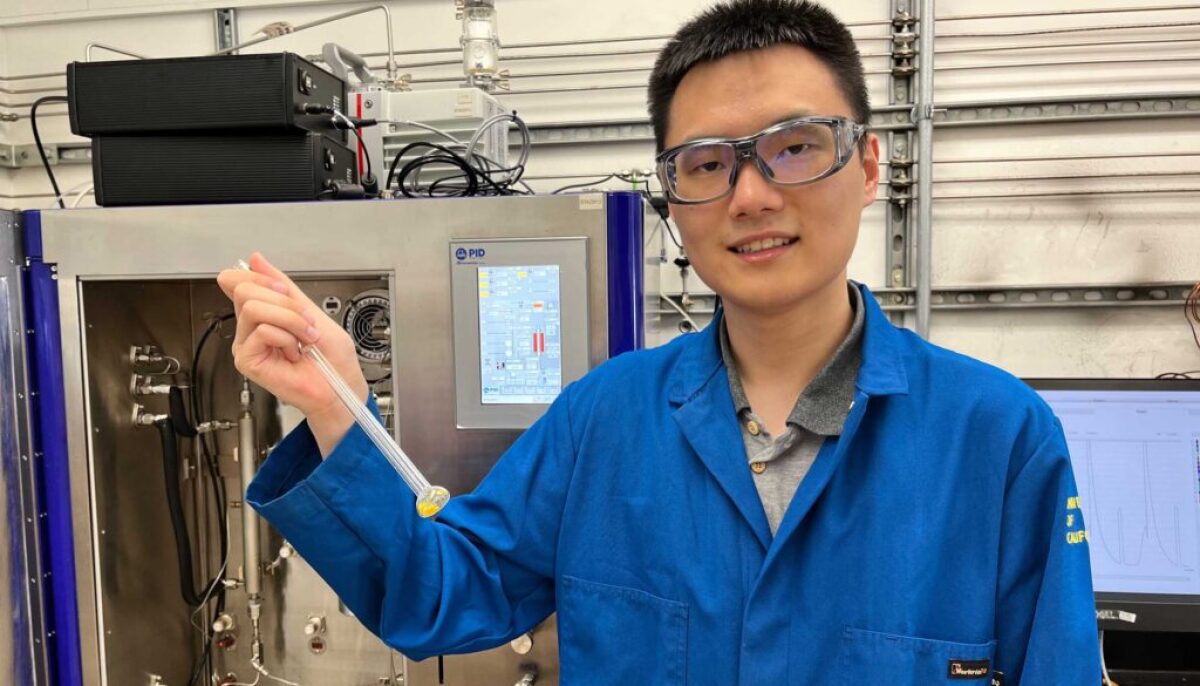
    Study author Zihui Zhou with a test sample of COF-999, standing in front of an analyzer that measures CO2 adsorption
    Robert Sanders / UC Berkeley

    Additionally, study leader Zihui Zhou informed the LA Times that COF-999 captures carbon dioxide “at least 10 times faster” than other direct air capture materials.

    After the CO2 is captured by the powder, it can be heated to 140 ºF (60 ºC) to release it. The released CO2 can either be permanently stored in underground geological formations to prevent atmospheric pollution or utilized in manufacturing materials like concrete and plastic.

    High Costs and Energy Demands Challenge Direct Air Capture (DAC) Expansion

    Direct air capture (DAC) plants are already operating or being developed worldwide, but they come with high costs and require substantial energy. The World Economic Forum reports that current costs range from $600 to $1,000 to remove a ton of CO2 from the air; this price must drop below $200 for widespread adoption.

    COF-999, however, still requires additional testing and refinement before large-scale use. According to Yaghi, this process may take around two years, during which the material could be optimized to capture more CO2 and endure more capture cycles before breaking down.

    Study lead Omar Yaghi with molecular models of metal-organic frameworks, which predate his COFs
    Brittany Hosea-Small for UC Berkeley

    Yaghi is still uncertain about the production costs of COF-999, so its impact on reducing DAC expenses is yet unclear. However, he did mention that it doesn’t rely on costly materials, which is a promising factor.

    Currently, the International Energy Agency reports that global CO2 capture rates stand at only 0.01 megatons per year—a small fraction of the 85 megatons needed annually by 2030. Looking further ahead, the Intergovernmental Panel on Climate Change projects that up to 10 billion tons of CO2 must be removed each year by 2050 to reach net-zero emissions.

    There’s still significant progress needed, but promising breakthroughs like Yaghi’s innovative yellow powder offer hope. A paper detailing this study was recently published in Nature.


    Read the original article on: New Atlas

    Read more: Sunlight Converts CO2 and Methane into Valuable Chemicals

  • Solar-Powered, Self-Contained Units Extract Drinking Water from the Air

    Solar-Powered, Self-Contained Units Extract Drinking Water from the Air

    Clean drinking water, one of the essential needs for human survival, is becoming increasingly crucial as climate change affects traditional sources like rainfall, rivers, and lakes. Aquaria Technologies, a San Francisco-based company founded in 2022, aims to make affordable, clean drinking water accessible by extracting it from the air.
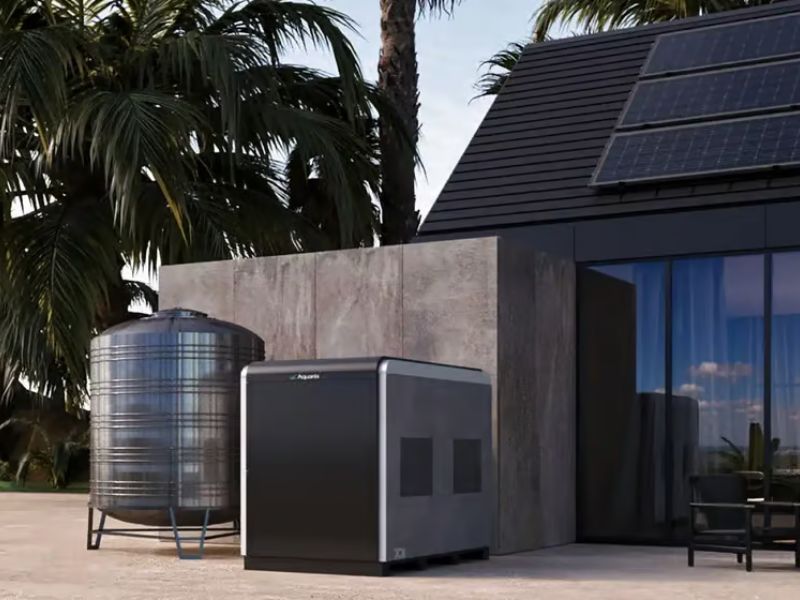
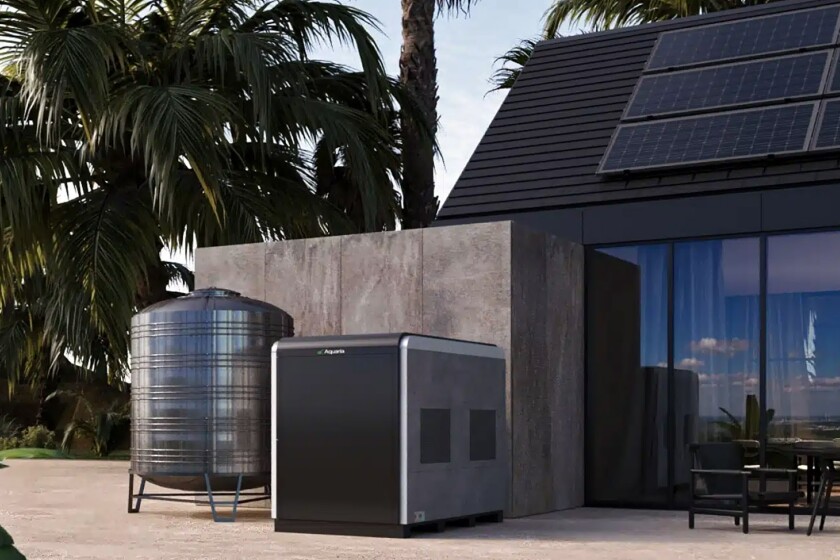
    The Aquaria Hydropack can provide up to 132 gallons (500 liters) of water per day and is compatible with solar and battery setups on your home
    Aquaria

    Clean drinking water, one of the essential needs for human survival, is becoming increasingly crucial as climate change affects traditional sources like rainfall, rivers, and lakes. Aquaria Technologies, a San Francisco-based company founded in 2022, aims to make affordable, clean drinking water accessible by extracting it from the air.

    Moisture is present in the air regardless of whether you live in a desert or the tropics, and this moisture can be collected and used for drinking or household purposes. While atmospheric water generators (AWGs) have been around for some time, they are now more efficient, cost-effective, and safer.

    Aquaria Technologies recently became a finalist for the Future Resilience Prize in the 2024 Urban Future Prize competition for developing solar-powered, self-contained units that extract water from the air, helping vulnerable communities.

    Advanced Features of Modern Atmospheric Water Generators (AWGs)

    Modern atmospheric water generators (AWGs) differ from standard dehumidifiers that also extract moisture from the air by incorporating advanced features like particulate filtration, carbon filtration, and ultraviolet (UV) sterilization to remove viruses and bacteria.

    Some models even include mineralization to enhance the taste and nutritional value of the water.

    Without these filtration and sterilization processes, water from dehumidifiers could be unsafe to drink due to potential contaminants from the air or the device itself.

    The Hydrostation can make up to 132 gallons (500 liters) of water per day, serving as many as 1,500 thirsty people in the process, and all it needs is power
    Aquaria

    Advanced Features of Modern Atmospheric Water Generators (AWGs)

    Aquaria offers a variety of products, including the Hydrostation, a standalone outdoor water dispenser that requires no plumbing. It is designed for use in places like parks, construction sites, and resorts, where it can serve up to 1,500 people.

    They also provide the Hydropixel, an indoor water dispenser that can produce up to 24 gallons (91 liters) of water daily and only needs a power outlet.

    According to Aquaria, the Hydropixel is among the most energy-efficient standalone atmospheric water generators globally, consuming just 1.25 kWh per gallon (330 Wh/L). Depending on local electricity rates, the cost to produce a gallon (3.8 liters) of water ranges from a few cents to about $0.66.

    Aquaria’s Hydropixel has a 10.6 gallon (40 liter) tank in it and can make up to 24 gallons (90 liters) of water per day in a simple plug-and-play solution
    Aquaria

    Cost Savings with Aquaria’s Atmospheric Water Generators

    In my area, where I pay $0.14 per kilowatt, the cost to produce a gallon of water is $0.17, which is significantly cheaper than the $0.50 per gallon charged at my local grocery store’s water refilling station, where I typically fill up about 20 gallons (75 liters) weekly.

    The Hydropack, Aquaria’s whole-home atmospheric water generator (AWG) solution, performs even better, using just 0.93 kWh per gallon (245 Wh/L), which translates to a cost of $0.13 per gallon.

    Utilizing renewable energy sources like solar could potentially reduce this cost to near zero.

    Aquaria also provides larger-scale AWG solutions. The Hydropack X, which combines two Hydropacks, can fully replace a home’s reliance on municipal water, producing up to 264 gallons (1,000 liters) of drinkable water per day under optimal conditions.

    A single Aquaria Hydropack can provide up to 132 gallons (500 liters) of water per day
    Aquaria

    Later this year, Aquaria plans to provide a community of 1,000 homes in Hawaii with water solely generated from atmospheric sources.

    Water Usage and the Potential of Atmospheric Water Generators (AWGs)

    The EPA estimates that the average American household uses about 300 gallons (1,136 liters) of water daily and wastes 180 gallons (680 liters) per week. Small leaks alone account for nearly 900 billion gallons (3.46 trillion liters) of water wasted annually in the U.S.

    While Aquaria’s water generation might be slightly less than the average household’s usage, adopting eco-friendly practices could make atmospheric water generators a fully sustainable primary water source.

    However, your location significantly impacts water production due to variations in temperature and humidity. Arid climates will yield much less water daily, while humid regions will generate the most. Aquaria’s devices operate best within temperatures of 59-109 °F (15-43 °C) and may be less effective outside this range.

    Climate Impact on Water Production with Hydropack X

    For example, in a climate like San Francisco, the Hydropack X might produce around 132 gallons (500 liters) of water per day, whereas, in Miami, it could produce up to 250 gallons (950 liters) daily. Any excess water is stored in tanks for future use.

    Aquaria’s AWGs are equipped with software that continuously monitors water quality to meet or exceed EPA and WHO standards, regardless of air quality. The company suggests changing filters every 6-12 months, depending on usage and air quality conditions.

    In areas where access to water, especially potable water, is challenging, atmospheric water generation technology could be incredibly valuable.

    To conclude, as extreme temperatures, droughts, declining groundwater levels, deeper wells, and increasing populations become more common, our reliance on desalination plants and atmospheric water generators may grow.

    Introducing: Aquaria’s Home Backup Water Generator

    Read the original article on: New Atlas

    Read more: Solar Panels: Key Milestones in Over 140 Years of Innovation