Tag: Antibiotic

  • Skin Fungi May Create Powerful Antibiotics to Help Combat Infections

    Skin Fungi May Create Powerful Antibiotics to Help Combat Infections

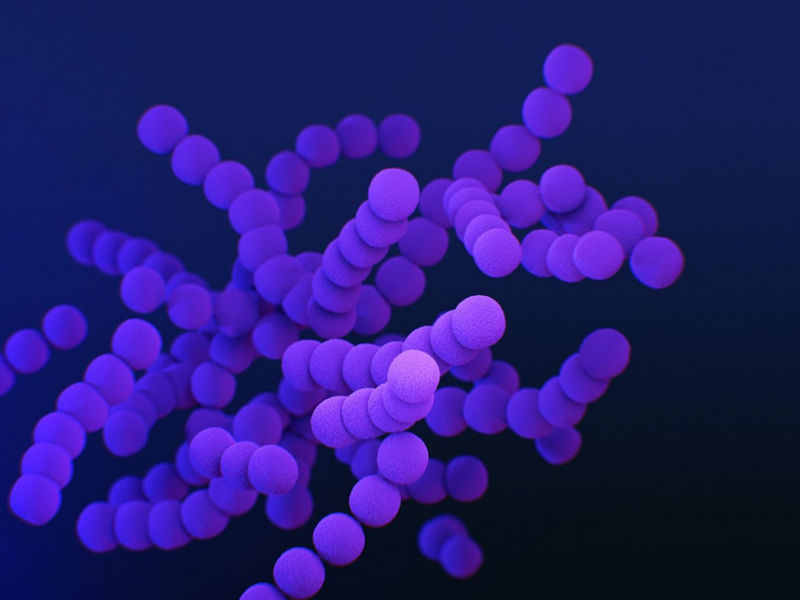
    A dangerous superbug responsible for  more than a million people worldwide each year might have a natural foe living just beneath your nose. Literally so—it plays a major role in your skin microbiome and appears to help fend off staph infections.
    Credit: Pixabay

    A dangerous superbug responsible for  more than a million people worldwide each year might have a natural foe living just beneath your nose. Literally so—it plays a major role in your skin microbiome and appears to help fend off staph infections.

    Malassezia sympodialis: A Common Skin Yeast with Hidden Power Against Staph Infections

    Malassezia sympodialis, a common skin microbe, produces a fatty acid that prevents staph infections and breaks down oils and fats.

    Researchers at the University of Oregon led laboratory experiments that showed M. sympodialis suppresses Staphylococcus aureus by releasing acidic byproducts.

    Scientists believe the yeast-generated acid, commonly found on healthy skin, helps prevent S. aureus from taking over the microbiome. S. aureus is usually on the skin but can cause serious infections if it spreads or enters the bloodstream.

    In the U.S., skin and soft tissue infections caused by S. aureus account for roughly 500,000 hospitalizations each year. Alarmingly, the bacterium can develop resistance to every class of antibiotics currently available.

    This makes the search for new treatment options urgent—and underscores the importance of studying our own skin’s natural defenses. Lead author Caitlin Kowalski says their study is exciting because it highlights a familiar but previously overlooked molecule.

    Credit: Diagram of the production of 10-HP from M. sympodialis. (Kowalski et al., Curr. Biol., 2025)

    10-HP: A Skin-Activated Antimicrobial Compound Hidden in Plain Sight

    10-HP was likely overlooked because it only works in acidic environments like skin, not in typical lab conditions. As a result, researchers overlooked its potential in previous studies.

    By examining skin biopsies from healthy donors, Kowalski and her team discovered that the acid is produced by the naturally occurring Malassezia yeast living on the skin.

    “It was like searching for a needle in a haystack—but with invisible molecules,” says Matthew Barber, a biologist and adviser to lead researcher Caitlin Kowalski.

    In the lab, Barber, Kowalski, and their team tested how M. sympodialis yeast affected different strains of Staphylococcus aureus. After just two hours of exposure, most strains showed over a 100-fold drop in viability.

    However, over time, S. aureus began developing resistance to the yeast’s 10-HP compound—using mechanisms similar to how it adapts to clinical antibiotics.

    Researchers found that less harmful Staphylococcus species had adapted to coexist with M. sympodialis, hinting at a long-standing microbial balance. Given how common Malassezia is, researchers believe we’re just beginning to understand its role in microbial balance and defense.

    Kowalski now plans to explore the genetic pathways behind antibiotic-resistant staph infections to better grasp how these bacteria rapidly evolve to evade various treatments.

    “We still have a great deal to learn about these microorganisms,” Barber adds, “and about how we might develop new strategies to treat or prevent the infections they cause.”


    Read the original article on: Sciencealert

    Read more: Innovative Drug Delivery System Stores Doses as Crystals Beneath the Skin
  • New Antibiotic May Fight Deadly Superbug

    New Antibiotic May Fight Deadly Superbug

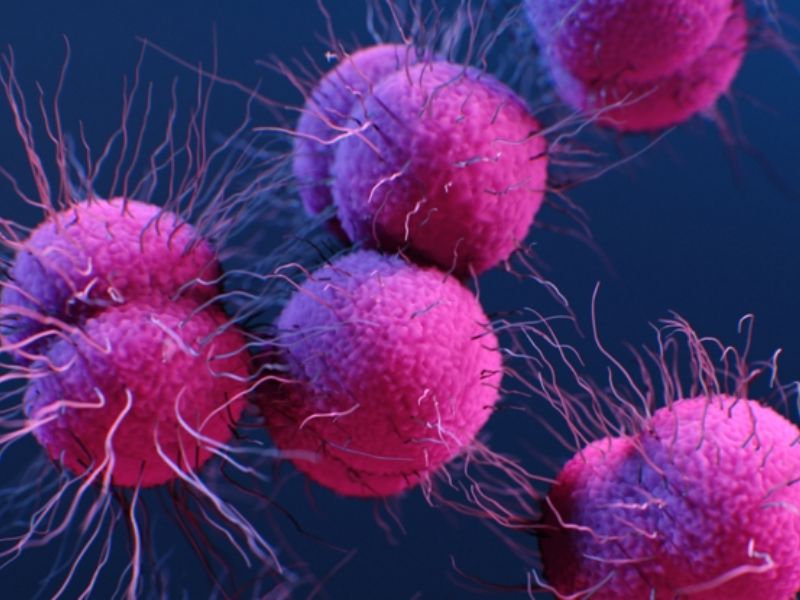
    Some strains of Neisseria gonorrhoeae, the bacteria causing gonorrhea, have become resistant to most antibiotics. Fortunately, a new class of antibiotics may offer a promising tool in the fight against this pathogen.
    Credit: Illustration of Neisseria gonorrhoeae. (Alissa Eckert/CDC)

    Some strains of Neisseria gonorrhoeae, the bacteria causing gonorrhea, have become resistant to most antibiotics. Fortunately, a new class of antibiotics may offer a promising tool in the fight against this pathogen.

    “How Alkyl Quinolones Trigger Bacterial Self-Destruction”

    The researchers studied alkyl quinolones (AQs), compounds bacteria use for defense and offense, and created new versions in the lab.

    The researchers studied alkyl quinolones (AQs), compounds some bacteria use for offensive and defensive responses against other microbes. In addition, studying these natural AQs, the team also created new versions of them in the lab.

    Credit:Compounds from another bacteria proved effective against N. gonorrhoeae. (Mix et al., Nature Microbiology, 2025)

    One newly developed AQ molecule had a distinct effect,” says Christof Hauck, a cell biologist at the University of Konstanz. “This compound could eliminate gonococci without harming other microbes or human cells.”

    “A Breakthrough Compound Halting the Spread of Gonorrhea”

    The compound in question was 2-nonyl-4-quinolone N-oxide, or NQNO, derived from the bacterium Pseudomonas aeruginosa. In laboratory tests, it effectively halted the growth of N. gonorrhoeae, preventing the pathogen from spreading.

    More precisely, NQNO disrupts the electron transport chain in gonococci—a crucial step in cellular energy production. This interference stresses the bacteria, causing it to release a toxin that leads to its self-destruction.

    Tests showed the compound doesn’t harm beneficial bacteria naturally in the body, which is even more promising.

    In mouse models, NQNO treated gonorrhea, and the team developed a stronger, more effective version through chemical engineering.

    Microbiologist Ann-Kathrin Mix from the University of Konstanz says, “We’ve observed similar self-destruct mechanisms in other microorganisms, and our AQ compound exploits this weakness in gonococci.”

    A Superbug on the WHO’s Bacterial Priority Pathogens List

    N. gonorrhoeae is notorious enough to be included on the World Health Organization’s (WHO) Bacterial Priority Pathogens List, a lineup of 15 of the most dangerous superbugs.

    Moreover one of the challenges in fighting it is its unique ability to acquire genetic material from other microbes it encounters, including genes that enhance antibiotic resistance.

    A Promising New Treatment on the Horizon

    Efforts to fight gonorrhea and the millions of infections it causes worldwide each year are ongoing.

    While this new treatment option is still in its early stages, it may help us stay ahead of the rapidly evolving defenses of N. gonorrhoeae.

    Microbial biochemist Thomas Böttcher from the University of Vienna explains, “Gonococci are well-known for rapidly developing resistance to antibiotics.”

    One reason for the rise of gonococcal strains resistant to all antibiotics is that these superbugs can’t be treated with current options.


    Read the original article on: Sciencealert

    Read more: A Fast, Persistent Molecule Can Eradicate Drug-Resistant Superbugs

  • Early Childhood Antibiotic Use Raises the Likelihood of Developing Asthma

    Early Childhood Antibiotic Use Raises the Likelihood of Developing Asthma

    Credit: Pixabay

    Recent research from Monash University underscores the profound impact of early antibiotic exposure on long-term asthma risk.

    Antibiotics, commonly used to treat infections in early childhood, have been found to disrupt the delicate balance of gut microbiota, potentially heightening susceptibility to asthma later in life. This study has identified a promising avenue: a molecule produced by gut bacteria, IPA (indole-3-propionic acid), which could serve as a preventive measure against asthma development in children vulnerable to the condition.

    Understanding IPA’s Role in Asthma Protection

    Additionally, the study led by Professor Ben Marsland and published in the prestigious journal Immunity illuminates the critical role of IPA in protecting against this disease. Moreover, the research reveals that frequent antibiotic use in infancy diminishes the presence of IPA-producing bacteria in the gut. Consequently, this reduction in IPA levels appears to compromise the immune system’s ability to regulate allergic responses effectively, thus increasing the risk of asthma and allergic airway inflammation in the long term.

    The research employed a mouse model genetically predisposed to asthma to explore the effects of early-life antibiotic exposure. Mice exposed to antibiotics during early development showed heightened susceptibility to allergic airway inflammation triggered by common allergens like house dust mites. Importantly, even after the microbiota normalized post-antibiotic treatment, these mice continued to exhibit increased vulnerability to asthma, underscoring the enduring impact of early disruptions in gut microbiota composition.

    In contrast, supplementing the diet of these mice with IPA during their early developmental stages significantly reduced the incidence of allergic airway inflammation and asthma in adulthood. This experimental finding suggests that restoring IPA levels in infancy could potentially mitigate the adverse effects of early antibiotic use on asthma susceptibility.

    Exploring Preventive Strategies

    Understanding the intricate relationship between antibiotics, gut microbiota, and asthma susceptibility opens new possibilities for preventive strategies. “By focusing on maintaining healthy gut microbiota and enhancing IPA production early in life, healthcare interventions could potentially reduce the incidence of childhood asthma and related allergic conditions.”

    Further research is warranted to explore the feasibility and effectiveness of IPA supplementation as a preventive approach in human populations at risk of contracting this disease. Ultimately, these insights could lead to personalized interventions that mitigate the long-term health impacts of early antibiotic exposure and improve respiratory health outcomes globally.


    Read the Original Article on: Medical Xpress

    Read more: Identifying Chronic Sinusitis Apart from Allergies

  • Promising New Antibiotic Targets Drug-Resistant Bacteria

    Promising New Antibiotic Targets Drug-Resistant Bacteria


    The medication fights against carbapenem-resistant Acinetobacter baumannii, a challenging human pathogen that eludes the majority of antibiotics. Credit: Unsplash.

    An antibiotic belonging to a novel class of drugs has recently been uncovered, offering potential effectiveness against a major bacterial threat to human health. The antibiotic, named zosurabalpin, has exhibited promising results in laboratory experiments and mouse trials, specifically targeting a highly drug-resistant strain of Acinetobacter baumannii, a bacterium classified as a priority one critical pathogen by the World Health Organization.

    Targeting the Resilient CRAB Strain

    The carbapenem-resistant strain of A. baumannii, known as CRAB, is notorious for resisting almost all existing antibiotics. The bug poses a significant risk in healthcare settings, particularly affecting individuals with medical devices, those in intensive care, and those recovering from surgical wounds.Zosurabalpin’s ability to combat this resilient strain could provide a much-needed addition to our antimicrobial arsenal.

    Mechanism of Action: Disrupting LPS Transport

    Zosurabalpin’s unique mechanism of action was revealed in experiments detailed in a second published paper. It interferes with the transport mechanisms responsible for moving lipopolysaccharide (LPS) to the outer membrane of Gram-negative bacteria. By binding to both the transport complex and the LPS itself, the drug prevents LPS transport, leading to the death of the bacteria.

    Potential Impact on Gram-Negative Pathogens

    The discovery of zosurabalpin holds promise for treating CRAB and developing novel treatments against other Gram-negative pathogens.

    These bacteria, including Pseudomonas aeruginosa, are challenging to eliminate due to their protective outer membrane. Zosurabalpin’s ability to target the LPS transport system opens possibilities for combating a broader range of Gram-negative bacteria.

    Clinical Trials and Future Prospects

    Clinical trials for zosurabalpin have commenced, marking a crucial step toward potential clinical use. While the journey from lab experiments to widespread clinical implementation is lengthy, the discovery of this new antibiotic class brings hope in addressing one of the most pressing challenges in human health — the rise of antibiotic-resistant bacteria.

    Further research is essential to understand potential resistance developments, but this breakthrough could signal a turning point in the battle against bacterial threats.


    Read the original article on Nature.

    Read more: Infant Gut Bacteria Imbalances Linked to Major Childhood Allergies.