Tag: Cocaine

  • Q&A: How Should You Respond If Your Dog Consumes Cocaine?

    Q&A: How Should You Respond If Your Dog Consumes Cocaine?

    Dr. Jake Johnson, a cardiology resident at North Carolina State University’s College of Veterinary Medicine, recently published an article in Frontiers in Veterinary Science. In it, he shares his research findings and offers advice on preventing future accidents involving pets.
    Image Credits: Pixabay

    Dr. Jake Johnson, a cardiology resident at North Carolina State University’s College of Veterinary Medicine, recently published an article in Frontiers in Veterinary Science. In it, he shares his research findings and offers advice on preventing future accidents involving pets.

    What Motivated You To Pursue a Career in Research?

    I first encountered the One Health Initiative during my undergraduate studies, and it fundamentally shaped my perspective on the power of collaborative science. This approach emphasizes the connection between veterinary medicine, human health, environmental sciences, and other fields, all working together to improve collective well-being.

    What struck me most was the deep interdependence of our health challenges—diseases don’t recognize the boundaries between species or ecosystems. I came to see that discoveries in veterinary medicine often extend far beyond animals, carrying insights that benefit broader scientific and medical communities.

    At the core, I believe knowledge holds the greatest value when we share it. Research offers me the chance to contribute to that exchange of ideas, creating ripple effects that reach well beyond any single case I could address in practice.

    Could you Share Details About the Research You’re Currently Involved In?

    During my cardiology residency and beyond, I focus my research on closing the gap between advanced cardiology knowledge and its practical use in clinics, with a strong emphasis on education.

    My aim is to make specialized cardiac training more accessible to veterinary students and clinicians who may have limited exposure to this field. My prior work includes a case report on a cat with an atypical presentation of heart failure, where imaging techniques were key in shaping different clinical approaches.

    How Do Veterinarians Investigate Cocaine poisoning In Animals?

    Most studies on this subject take place in controlled laboratory settings. Because data in dogs is scarce, veterinary research often relies on information derived from human medicine. However, experimental models frequently fail to reflect real-world clinical situations, so only a small number of case reports are available.

    Another difficulty is that pet owners may be unaware of what their dog ingested, or they may hesitate to disclose it. This creates a noticeable gap between controlled research conditions and the unpredictable realities of clinical practice.

    What Symptoms Did the Chihuahua Show, and How Was The Diagnosis Made?

    The dog was first seen at the referring clinic for collapse episodes and a markedly low heart rate. Because we suspected illicit substance ingestion, we ran a point-of-care urine drug screen that tested positive for cocaine, later confirmed by an external laboratory test.

    How can Pet Owners Reduce The Risk of Their Animals Accidentally Consuming These Substances?

    Dogs are instinctive scavengers and will often investigate objects they find on the ground, so extra caution is needed during walks. Owners can reduce the risk of ingestion by keeping their dog leashed, monitoring closely for attempts to pick up or eat unfamiliar items, and, if needed, using a basket muzzle.

    Teaching commands like “leave it” and “drop it” can be critical in preventing harm if they come across something dangerous. If you suspect your dog has been exposed to something harmful or notice unusual behavior, take them to a veterinarian immediately—acting quickly can save their life.

    How Do You See The Significance of Your Research?

    Case reports play an essential role in veterinary medicine by documenting real-life cases. They highlight clinical situations that broader studies may overlook, record uncommon presentations for future use, and contribute to our shared knowledge of rare conditions—ultimately enhancing emergency readiness and guiding treatment strategies.

    What Are Common Misconceptions In This research, and How Would You Address Them?

    A common misunderstanding in toxicology research—especially with illicit substances—is that veterinarians will judge or report owners if they admit their pet may have ingested drugs.

    This fear often stops owners from sharing vital details that could save their pet’s life. When owners share what was consumed, when, and how much, vets can give the most effective treatment and monitor closely for complications. The priority is always getting the pet urgent care, not placing blame.

    What Future Research Areas Would you Like To See Explored?

    Veterinary medicine has advanced rapidly, with procedures like open-heart surgery, kidney transplants, dialysis, and bronchial stents now possible—treatments once thought unattainable. The real challenge, however, is making these life-saving options widely accessible.

    Future research should focus on breaking down barriers to advanced care. This includes developing simplified imaging techniques for standard equipment, cost-effective screening tools, and educational strategies that translate specialized knowledge into practical applications for everyday practice.

    It’s also important to address the financial side of care through studies on lower-cost treatment alternatives, training general practitioners in basic specialty procedures, and expanding telemedicine for specialist input.

    Ultimately, the goal is to make advanced veterinary care more equitable, so pets in rural clinics can receive the same life-saving treatments as those in urban specialty hospitals. Only then can these breakthroughs truly maximize their impact on animal welfare.

    In What ways Has Open Science Expanded the Reach and Influence of Your Research?

    Knowledge is only valuable when it’s accessible. Removing barriers allows information to reach more people. I aim to equip peers with the tools to apply aspects of cardiology in practice, even with limited resources.


    Read the original article on: Phys.Org

    Read more: Study Finds Women Get Better Sleep Sharing a Bed with Dogs Than With Men

  • Fruit Flies and Cocaine: Unlikely Allies in Addiction Research

    Fruit Flies and Cocaine: Unlikely Allies in Addiction Research

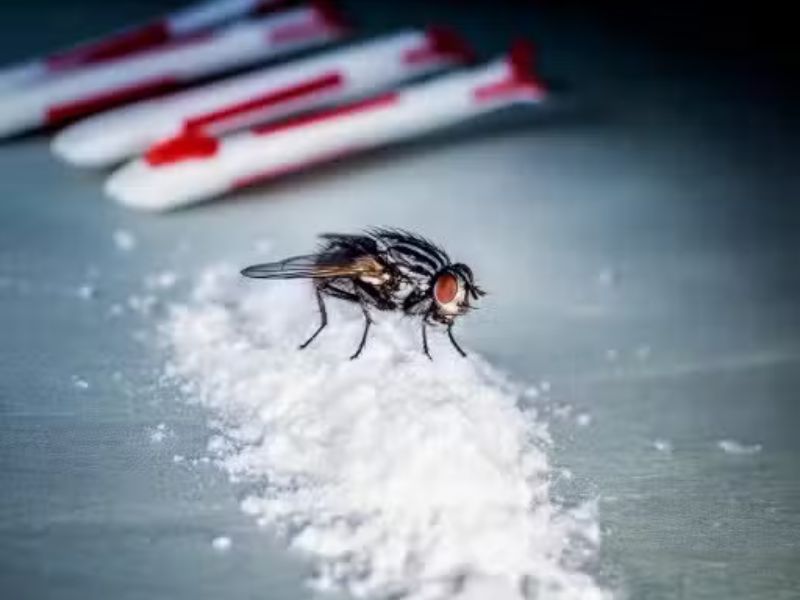
    Credit Futuroprossimo

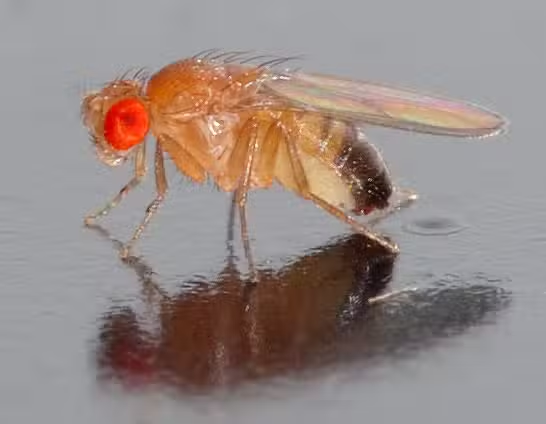
    Genetically modified fruit flies can develop a dependence on cocaine in just 16 hours—a breakthrough that could transform how we study and treat substance addiction.

    In a surprising twist for addiction research, a team at the University of Utah has genetically engineered fruit flies that can become addicted to cocaine. The study, led by Dr. Adrian Rothenfluh from the Department of Psychiatry, was recently published in the Journal of Neuroscience, and it may fundamentally change how scientists investigate addiction.

    A New Way to Study Drug Dependence

    Drosophila melanogaster, better known as the fruit fly, shares about 75% of the genes linked to human diseases, making it an ideal model for biological research. But until now, studying drug addiction in fruit flies faced one major obstacle: they hated cocaine.

    When offered a choice between sugary water and sugar water mixed with cocaine, the flies consistently avoided the drug-laced option. The reason? Bitter taste receptors on their feet alerted them to the presence of a toxic substance.

    The aversion is due to taste receptors located on the tarsi—the bottom of the fly’s legs—which they dip into liquids before ingestion,” the study explains. Flies have evolved to steer clear of plant-based toxins, and since cocaine comes from the coca plant, they instinctively avoid it.

    Genetic Tweaks Changed Everything

    The breakthrough came through genetic engineering. Researchers used advanced gene-silencing techniques to deactivate the bitter taste receptors. With this aversion switched off, something remarkable happened: within just 16 hours, the flies began to prefer the cocaine-laced water.

    As Rothenfluh noted, “At low doses, the flies get hyperactive—just like people. At high doses, they become immobilized, which is also seen in humans.” The flies’ reactions mirrored human behavioral patterns when exposed to the drug.

    cocaine mosquitoes

    Speeding Up Addiction Research

    One of the most exciting aspects of this model is the speed of research it allows. Fruit flies complete their life cycle in about two weeks, compared to the months needed to breed genetically modified rodents. This enables scientists to test hundreds of genes in a fraction of the time.

    The team believes this model could accelerate the discovery of the molecular mechanisms driving cocaine addiction and support the development of targeted therapies. Previous studies involving alcohol and fruit flies have already shown that many of the genes influencing drug responses in flies are also involved in human substance use disorders.

    Why Fruit Flies Matter More Than You Think

    This research adds to a growing body of evidence showing how similar fruit flies are to humans at the molecular and behavioral levels. Some recent studies have even proposed that insects like fruit flies may possess a form of consciousness.

    Rothenfluh emphasized, “Once again, the so-called ‘humble’ fruit fly proves to be a powerful model for understanding the genetics and biology of human diseases.” These modified flies may become crucial tools for screening anti-addiction drugs and exploring the genetic factors that increase susceptibility to substance abuse.

    A New Chapter in Addiction Research

    This is only the beginning. Researchers aim to use this model to investigate more complex aspects of addiction, such as tolerance, withdrawal, and relapse. Thanks to their short generation time and low maintenance costs, fruit flies could dramatically accelerate the search for effective treatments for cocaine use disorder—a condition with no approved pharmacological therapies today.

    Nature often surprises us. Who would have guessed that disabling a fly’s ability to taste bitterness could open a new path in the fight against one of the most devastating addictions? Yet these tiny insects may hold the key to unlocking treatments that could change millions of lives.


    Read the original article on: Futuro Prossimo

    Read more: TEWL: A Promising Predictor for Diabetic Foot Ulcer Recurrence

  • First-Time Cocaine Use in Rats Highlights Individual Susceptibility to Addiction

    First-Time Cocaine Use in Rats Highlights Individual Susceptibility to Addiction

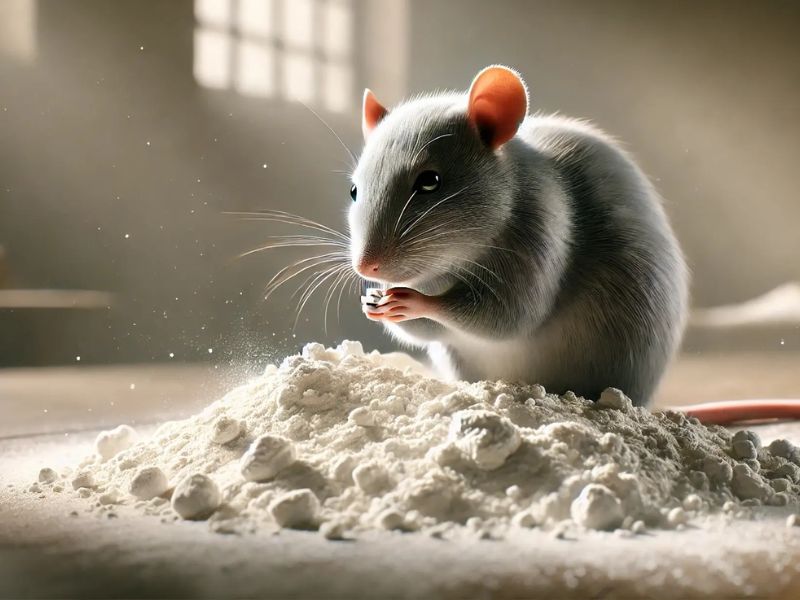
    Nose for it: For one group of rats, averse cues didn’t stop them seeking out the reward
    Image generated by DALL-E

    Researchers at the University of Texas at El Paso (UTEP) explored how rats react to cocaine paired with an unpleasant stimulus, uncovering new insights into addiction vulnerability. In the experiment, nearly 30 rats self-administered intravenous doses of cocaine hydrochloride combined with quinine—a bitter but safe compound—via a nose-poke mechanism. The quinine hit preceded the cocaine by one second, simulating the negative cues often associated with drug use, such as needles or smoke.

    The rats’ responses revealed three distinct behavioral patterns. A “Low Consumption” group avoided further doses, deterred by the bitter quinine. An “Ascending” group steadily increased their drug intake, ignoring the aversive effect. Surprisingly, a “Descending” group initially binged on cocaine but quickly reduced their consumption, reacting strongly to the unpleasant stimulus.

    Aversive cues matter from the very first exposure,” noted lead researcher Travis Moschak, emphasizing how initial negative experiences influence drug use. Interestingly, the Ascending group sought cocaine even after the trial ended, highlighting differences in susceptibility to addiction.

    Individual Variability Among Rats Highlights Parallels to Human Addiction Patterns

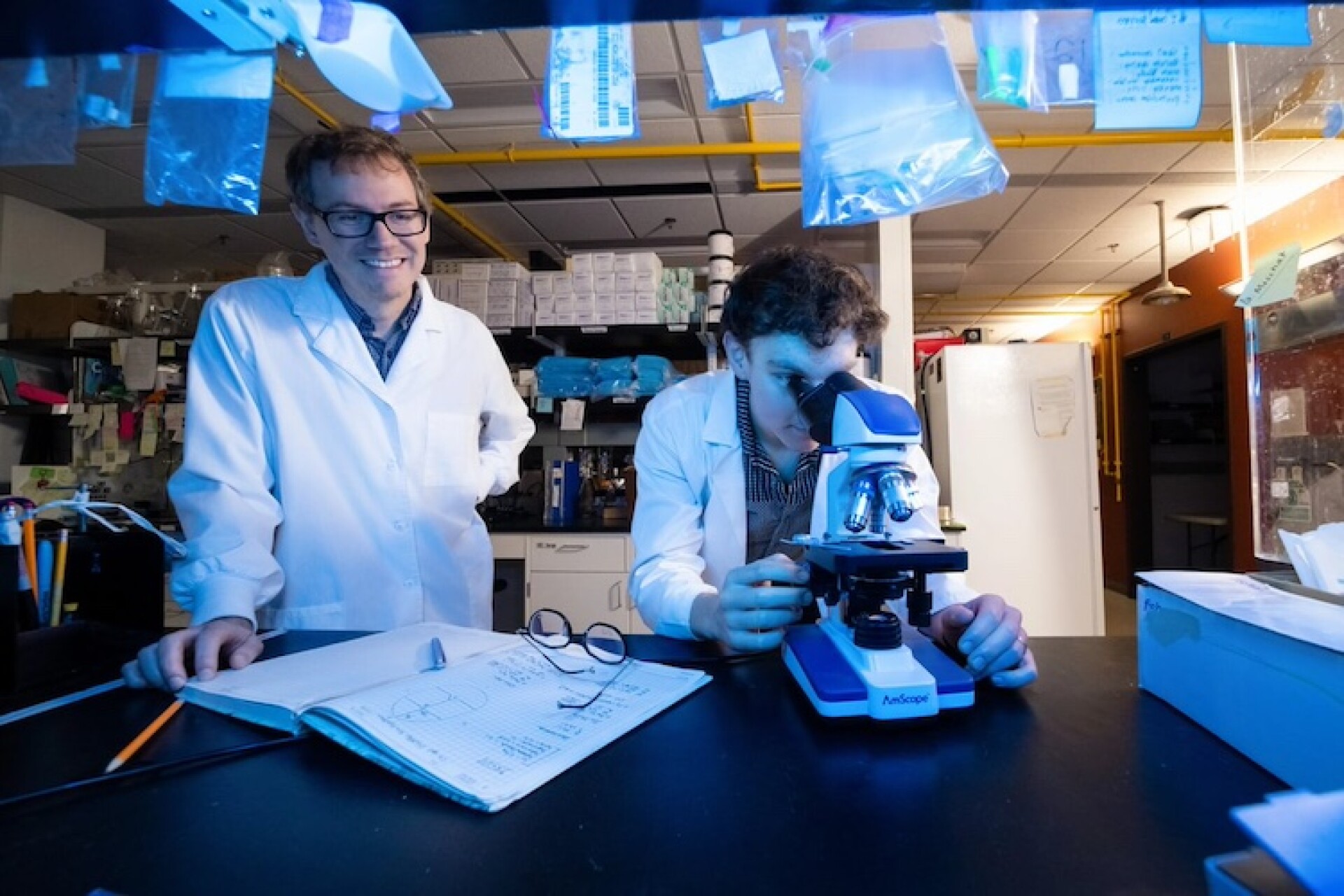
    Lead author Travis Moschak (left) in the lab at the Department of Biological Sciences
    University of Texas at El Paso

    Despite being housed together and exposed to the same conditions, the rats displayed significant individual variation, challenging the assumption that repeated exposure to aversive cues leads to uniform tolerance. This variability mirrors human experiences with addiction—some can quit after a bad first encounter, while others persist despite negative consequences.

    The study’s findings could guide future research into genetic and neural differences that predispose individuals to addiction. Further exploration of brain activity during drug use aims to identify regions linked to aversion and reward-seeking behaviors.

    This research has the potential to improve addiction prevention and treatment strategies,” said Robert Kirken, dean of UTEP’s College of Science. By identifying stronger aversive cues or assessing novelty-seeking tendencies, scientists may better address substance use disorders in humans.

    The experiment concluded with all rats unharmed and without further access to cocaine. The team credits the National Institute on Drug Abuse’s Drug Supply Program for providing the restricted substance used in their groundbreaking study.


    Read Original Article: Science Alert

    Read More: Scitke