Tag: Disease

  • Common Eye Bacteria Connected to Alzheimer’s Disease

    Common Eye Bacteria Connected to Alzheimer’s Disease

    A recent study indicates that a common respiratory bacterium could have an unexpected connection to Alzheimer’s disease.
    Chlamydia pneumoniae is an intracellular bacterium that commonly causes respiratory infections such as pneumonia and sinusitis. It can persist in the body by evading immune defenses, leading to chronic, low-level inflammation. Image Credits: Shutterstock

    A recent study indicates that a common respiratory bacterium could have an unexpected connection to Alzheimer’s disease.

    Researchers at Cedars-Sinai are investigating an unexpected source for Alzheimer’s disease clues: the eye. In a study published in Nature Communications, they show that Chlamydia pneumoniae—a bacterium best known for causing pneumonia and sinus infections—can persist in the body for years and may contribute to changes seen in Alzheimer’s disease.

    The findings suggest that a long-term infection could contribute to the inflammation that harms nerve cells and point to potential new interventions, ranging from strategies that limit inflammation to earlier antibiotic treatments.

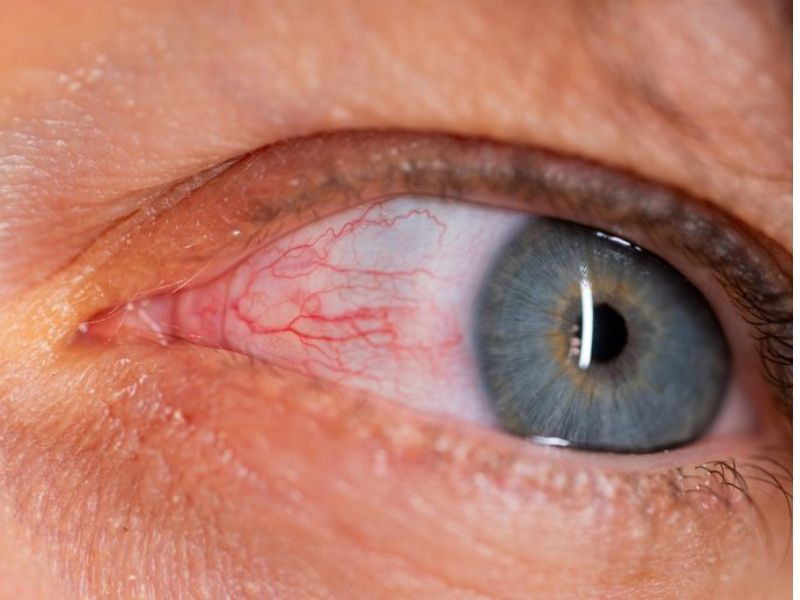
    The study revealed that the bacterium can appear in the retina, the thin layer of neural tissue at the back of the eye responsible for processing visual signals. Since the retina forms part of the central nervous system and researchers can examine it without surgery, it offers a unique opportunity to observe brain-related processes in real time. The researchers found that when Chlamydia pneumoniae reaches the retina, it is associated with immune responses tied to inflammation, nerve cell damage, and cognitive decline.

    Connecting Infection, Inflammation, and Nerve Cell Damage

    “Observing Chlamydia pneumoniae consistently across human tissues, cell cultures, and animal models allowed us to uncover a previously unrecognized connection between bacterial infection, inflammation, and neurodegeneration,” said Maya Koronyo-Hamaoui, PhD, professor of Neurosurgery, Neurology, and Biomedical Sciences at Cedars-Sinai Health Sciences University and the study’s senior author. “The eye serves as a proxy for the brain, and our findings show that bacterial infection in the retina and ongoing inflammation can mirror brain pathology and indicate disease progression, supporting the use of retinal imaging as a noninvasive tool to identify individuals at risk for Alzheimer’s.”

    To explore this, the team used advanced imaging along with genetic and protein analyses to study retinal tissue from 104 participants, including those with normal cognition, mild cognitive impairment, and Alzheimer’s disease.

    They found significantly higher levels of Chlamydia pneumoniae in the retinas and brains of participants with Alzheimer’s compared with those with normal cognition, and greater bacterial presence correlated with more severe brain changes and cognitive decline.

    Genetics also seemed to play a role, with elevated bacterial levels occurring more frequently in individuals carrying the APOE4 gene variant, a recognized risk factor for Alzheimer’s disease.

    Results from Laboratory and Animal Studies

    Investigators also studied human neurons in the lab and in laboratory mice with Alzheimer’s disease. In both, infection with Chlamydia pneumoniae increased inflammation, nerve cell death and cognitive decline, showing the bacterium can accelerate disease processes. The infection also triggered production of amyloid-beta, the protein that accumulates in the brains of people with Alzheimer’s.

    The findings were driven by co-first authors Bhakta Gaire, PhD, and Yosef Koronyo, MSc.

    “This discovery raises the possibility of targeting the infection-inflammation axis to treat Alzheimer’s,” said Timothy Crother, PhD, co-corresponding author of the study and research professor at Cedars-Sinai Guerin Children’s and the Department of Biomedical Sciences at Cedars‑Sinai.

    Results from Laboratory and Animal Studies

    The results indicate that addressing chronic bacterial infection and the resulting inflammation could offer a novel treatment approach. The study also highlights the retina’s potential as a noninvasive tool for diagnosing and tracking the progression of the disease.


    Read the original article on: SciTechDaily

    Read more: Small Adjustment in Airflow Lowers Indoor Infection Risk by Up to 90%
  • MIT’s Injectable Brain Chips May Treat Disease Without Surgery

    MIT’s Injectable Brain Chips May Treat Disease Without Surgery

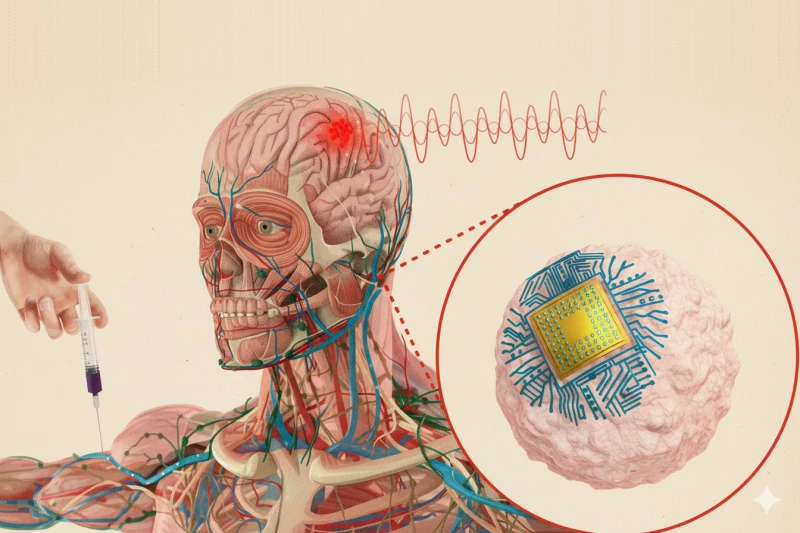
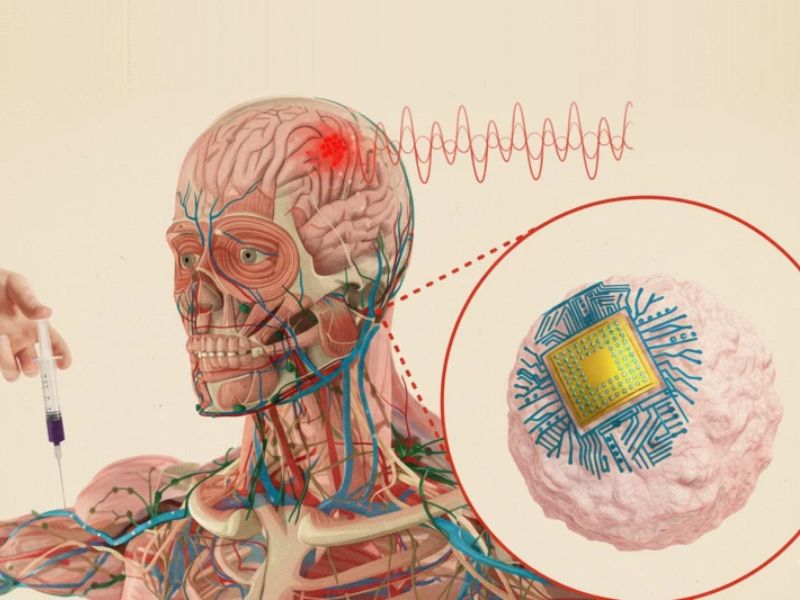
    MIT’s Circulatronics tech sees tiny chips injected into the bloodstream to reach the brain, negating the need for invasive surgery to deliver treatment for neurological disorders
    Image generated using Google Gemini, based on an illustration by the researchers

    For the past six years, researchers at MIT have been advancing and integrating several cutting-edge technologies to build a breakthrough platform for treating a wide range of neurological disorders and mental health conditions. This approach could be more effective than current treatments and eliminate the need for risky, complex procedures.

    How Circulatronics Implants Bioelectronics Without Surgery

    The system, called Circulatronics, uses a blend of electronics and the body’s own transport pathways to implant bioelectronic devices without surgery.

    Its focus is targeted electrical stimulation of the brain, a method already explored for treating conditions such as depression, Alzheimer’s disease, multiple sclerosis, and brain tumors.

    In fact, today, this type of therapy requires invasive brain surgery to place electrodes—a process that carries risks like infection, tissue damage, and high medical costs, making it inaccessible to many of the three billion people living with neurological disorders.

    Injectable SWEDs Deliver Targeted Brain Stimulation Without Surgery

    However, circulatronics replaces surgery with sub-cellular wireless electronic devices (SWEDs) that are injected through a simple shot. After entering the bloodstream, these tiny chips travel to the brain, attach themselves to specific regions, power up on their own, and deliver electrical stimulation directly where it’s needed.

    Surgery-Free Brain Implant for Brain-Computer Symbiosis

    The team detailed Circulatronics in a recent Nature Biotechnology paper. The project was led by senior author Deblina Sarkar, who heads MIT’s Nano-Cybernetic Biotrek Lab, with collaborators from MIT, Wellesley College, and Harvard University. She also breaks down the technology in the video above.

    The system has two standout features: the SWEDs themselves and the way they travel to the brain.

    Tiny, Light-Powered Chips Built to Travel Through the Bloodstream

    In fact, each SWED is incredibly small—about a billionth the length of a grain of rice. These chips are built from organic semiconducting polymers layered between thin metals, making them small enough to ride on blood cells. They generate power wirelessly using a photovoltaic mechanism, meaning they can convert external light into electricity, such as near-infrared laser light that passes through the skull.

    It’s not much to look at, but that’s a SWED (sub-cellular sized wireless electronic device) smaller than a blood cell, seen through a scanning electron microscope
    Image courtesy of the researchers

    These tiny devices deliver extremely precise stimulation to deep brain regions, and despite their microscopic size, they can still produce enough nanowatt-level power to deliver small electrical pulses.

    Cell–Electronics Hybrids Guide SWEDs to Inflamed Brain Regions

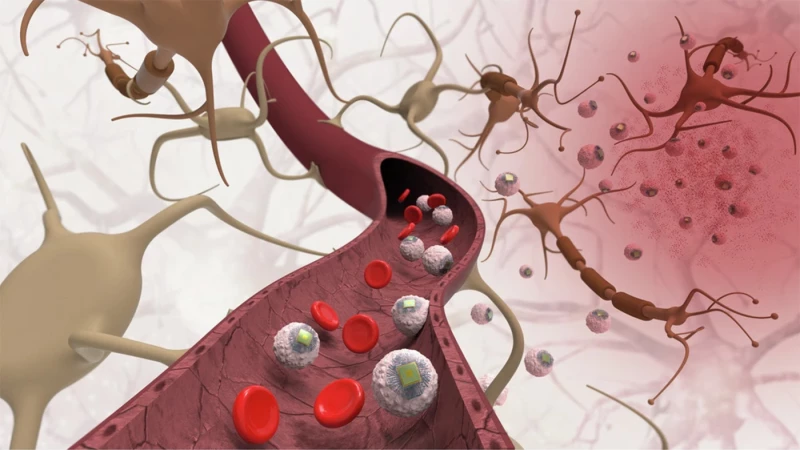
    In fact, to reach the brain, each SWED is paired with a living immune cell called a monocyte, forming a cell–electronics hybrid. Monocytes can cross the blood–brain barrier and naturally migrate toward inflamed tissue. Because inflammation is a key feature of many neurological disorders, these hybrids travel directly to those affected brain areas and implant themselves there.

    The cell–electronics hybrids can pass through the blood-brain barrier without being attacked by the body’s immune system, and help the sub-cellular sized wireless electronic devices self-implant on target regions of the brain
    Image courtesy of the researchers

    Once the hybrid reaches its target, the SWED can be activated wirelessly with a laser, triggering precise electrical stimulation in a tiny area of the brain.

    Mouse Trials Confirm Safe, Targeted Delivery and Brain Stimulation

    However, researchers tested the system in mice to prove that cells can safely deliver and operate implants without surgery. The hybrids successfully traveled to an inflamed brain region within 72 hours, and laser activation produced strong, focused c-Fos activity—showing the stimulation worked.

    This method could greatly expand access to neurological treatments, especially where brain surgery is limited. The team is now adapting Circulatronics for conditions like brain cancer, Alzheimer’s, and chronic pain, and exploring added sensing and synthetic neuron capabilities.

    Sarkar says the technology may also target other organs or power devices like wireless pacemakers. Through MIT spin-off Cahira Technologies, clinical trials could begin within three years, followed by additional regulatory steps before it becomes available.


    Read the original article on: New Atlas

    Read more: Why Your Brain Struggles to Concentrate When you’re Sleep-Deprived

  • TRIC Robotics Secures Seed funding to Support Pest and Disease Control for Farmers

    TRIC Robotics Secures Seed funding to Support Pest and Disease Control for Farmers

    TRIC Robotics, specializing in autonomous pest and disease control, has raised $5.5 million in seed funding. The company plans to scale its robots for specialty crops, starting with labor- and pesticide-heavy strawberries.
    Image Credits:therobotreport

    TRIC Robotics, specializing in autonomous pest and disease control, has raised $5.5 million in seed funding. The company plans to scale its robots for specialty crops, starting with labor- and pesticide-heavy strawberries.

    Our robots have already helped cut chemical use across hundreds of acres on California’s Central Coast,” said founder and CEO Adam Stager. “This funding will fuel our growth, letting us expand into new regions and add key talent.

    He added, “Automation is essential to helping farmers boost productivity sustainably.

    TRIC Robotics Offers Sustainable Alternative to Chemicals and Manual Labor

    TRIC Robotics says farmers face mounting pressure to cut chemical use, control labor costs, and meet sustainability goals. Based in San Luis Obispo, California, the company promotes its robotic fleet as a cleaner, more efficient alternative to pesticides and manual labor.

    Its tractor-sized robot, Luna, replaces traditional chemical sprays by using UV light to combat pests and disease without harming the environment. It also uses vacuum technology to remove insects without pesticides.

    Offered as a full-service solution, TRIC’s technology aims to boost farm profitability while supporting the demand for chemical-free produce—creating recurring revenue for the company. The initial focus is on strawberries, a crop known for high labor and pesticide needs.

    TRIC’s robotics-as-a-service (RaaS) model features a data-driven platform equipped with vision systems and real-time field analytics. The company reports that pilot programs have cut pesticide use by as much as 70%.

    TRIC gained early visibility among robotics investors through its participation in the Pitchfire competition at RoboBusiness 2023.

    TRIC Robotics Secures Backing from Top VCs and Strategic Angels in Seed Round

    Version One Ventures led TRIC Robotics’ seed round, with support from Garage Capital, Todd and Rahul Capital, Valor Equity Partners, Lucas Venture Group, Spacecadet, and Redstick Ventures. Strategic angel investors—including the founders of Clearpath Robotics and New Leader Manufacturing—also contributed.

    Existing backers like Undeterred Capital, Embark Ventures, Soundboard Venture Fund, and Central Coast Ventures participated as well. TRIC plans to use the funds to grow its robot fleet, expand into new California farming areas such as Oxnard and Watsonville, and enhance its automation and analytics features.

    The company has doubled its robot fleet over the past year, now operating nine units with three more in production. It says Luna has been deployed across hundreds of acres, helping farmers improve the profitability of high-value crops while reducing chemical use.

    Our goal is to equip farmers to grow more with less—sustainably,” said CEO Adam Stager. “This funding drives our mission to bring chemical-free solutions to specialty crop regions across California.


    Read the original article on: The Robot Report

    Read more:Parents Worried About AI Find It Difficult To Navigate Important Decisions

  • The US Has Recently Approved The First Blood Test For Alzheimer’s Disease

    The US Has Recently Approved The First Blood Test For Alzheimer’s Disease

    On Friday, the United States approved the first blood test for Alzheimer's, a decision that could enable patients to start treatment sooner with newly approved medications that slow the progression of this debilitating neurological disease.
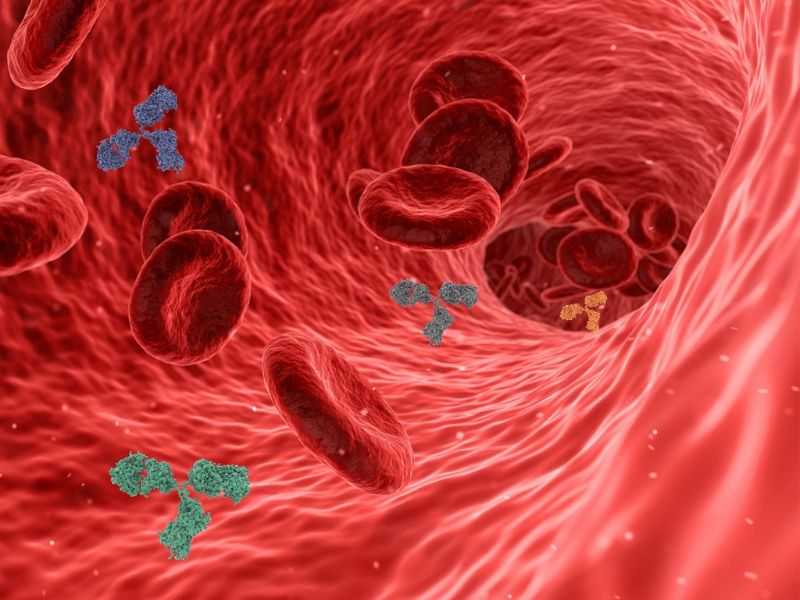
    Credit: Pixabay

    On Friday, the United States approved the first blood test for Alzheimer’s, a decision that could enable patients to start treatment sooner with newly approved medications that slow the progression of this debilitating neurological disease.

    New Blood Test for Alzheimer’s

    The test, created by Fujirebio Diagnostics, analyzes the ratio of two proteins in the blood. This ratio is linked to amyloid plaques in the brain, a key indicator of Alzheimer’s, which until now could only be detected through brain scans or spinal fluid tests.

    “Alzheimer’s disease affects an overwhelming number of people—more than both breast cancer and prostate cancer combined,” said Marty Makary, Commissioner of the Food and Drug Administration.

    “Given that 10 percent of people aged 65 and older have Alzheimer’s, and that this figure is expected to double by 2050, I am optimistic that new medical treatments like this one will assist patients,” said Makary.

    Fujirebio Diagnostics’ Blood Test Offers Hope for Earlier Alzheimer’s Diagnosis

    Currently, two FDA-approved treatments for Alzheimer’s are lecanemab and donanemab. These drugs actively target amyloid plaques in the brain, which contribute to the progression of the disease. While they have shown promise in slightly slowing cognitive decline, they do not offer a cure for Alzheimer’s.

    Supporters of intravenous antibody treatments, including many neurologists, argue that these therapies can provide patients with a few extra months of independence and are likely to be more effective if administered earlier in the disease’s progression.

    In clinical trials, the blood test yielded results that were mostly consistent with positron emission tomography (PET) brain scans and spinal fluid tests.

    Credit: (fotostorm/Getty Images)

    “Today’s approval is a significant advancement in Alzheimer’s diagnosis, making it easier and potentially more accessible for patients in the US at earlier stages of the disease,” said Michelle Tarver from the FDA’s Center for Devices and Radiological Health.

    The clinical environment approves the test for use in patients showing signs of cognitive decline, and clinicians must consider the results alongside other clinical data.

    Alzheimer’s is the most prevalent type of dementia. It progresses over time, slowly taking away individuals’ memories and independence.


    Read the original article on: Sciencealert

    Read more: New study Finds Empathy May Persist in Alzheimer’s Patients

  • Kidney Disease is a Global Threat—Let’s Start Treating it Like One

    Kidney Disease is a Global Threat—Let’s Start Treating it Like One

    The 78th World Health Assembly on May 19 will be one of the toughest yet for global health ministers. With the U.S. exiting the WHO, conflicts ongoing, and economic instability rising, the organization's financial crisis has deepened. Even before the U.S. withdrawal, the WHO was struggling with limited funds and seeking to diversify its income. Now, delegates must urgently allocate scarce resources where they’re needed most.
    Credit: Pixabay

    The 78th World Health Assembly on May 19 will be one of the toughest yet for global health ministers. With the U.S. exiting the WHO, conflicts ongoing, and economic instability rising, the organization’s financial crisis has deepened. Even before the U.S. withdrawal, the WHO was struggling with limited funds and seeking to diversify its income. Now, delegates must urgently allocate scarce resources where they’re needed most.

    Despite current challenges, delegates must focus on long-term goals. This meeting offers a key opportunity to reduce the global impact of non-communicable diseases (NCDs), aligning with UN Goal 3.4. The Assembly should support a resolution urging the WHO to recognize kidney disease as a major cause of death and disability, adding it to its priority NCD list alongside cancer, cardiovascular disease, diabetes, and respiratory illness.

    Global Impact of Kidney Disease

    Kidney disease affects 674 million people worldwide (8.5% of the population) and is a leading cause of premature death. BBy 2040, projections indicate that it will become the fifth leading cause of years of life lost. Kidney dysfunction raises the risk of cardiovascular disease, worsens diabetes and hypertension, and contributes to other conditions like cancer and dementia. It also leads to poor quality of life and mental health issues. Chronic kidney disease is particularly rising in regions like Mesoamerica, India, and Sri Lanka, increasing mortality and disability.

    Kidney disease often goes underreported, especially in low- and middle-income countries, where many individuals are unaware of their condition.” This leads to delayed diagnoses, poorer health outcomes, and higher mortality rates.

    Financial Considerations and the Call for Global Support in Tackling Kidney Disease

    Few high-income countries support the resolution, citing the WHO’s financial crisis and the estimated US$16 million needed for implementation over seven years. However, this modest investment could unlock more funding for kidney disease research and treatment. Given the economic burden, such as the £7 billion (US$9.3 billion) cost in the UK, it is a small price for the potential benefits.

    The WHO already supports efforts for diabetes, heart disease, and hypertension, and kidney disease should be treated similarly, with affordable therapies integrated into existing NCD strategies. Global nephrology societies emphasize that failing to prioritize kidney disease misses the chance to reduce preventable deaths.

    Despite current challenges, addressing kidney disease is crucial for any strategy tackling the global NCD burden. Adopting the WHO resolution is a vital first step.


    Read the original article on: Nature

    Read more: https://scitke.com/measles-causes-long-term-harm-in-kids-but-vaccines-fully-prevent-it/

  • Parasites Unearthed in 500-Year-Old Toilet Expose Surprising Medieval Disease Networks

    Parasites Unearthed in 500-Year-Old Toilet Expose Surprising Medieval Disease Networks

    Schistosoma mansoni egg recovered from the medieval latrine in Bruges. Black bar represents 20 µm. Credit: Marissa Ledger, McMaster University

    The discovery of a 500-year-old African parasite in a Bruges latrine offers new insights into how medieval trade networks facilitated the spread of infectious diseases. Linked to Spanish merchants and global commerce, this finding sheds light on historical health challenges and human migration patterns.

    Published in Parasitology, the study uncovers one of the earliest known cases of schistosomiasis outside Africa. This disease, caused by the waterborne parasite Schistosoma mansoni, penetrates the skin, travels through the bloodstream, and reproduces in the intestines. Remarkably, researchers found a preserved parasite egg in a 15th-century latrine, located thousands of kilometers from the parasite’s endemic region.

    The latrine, uncovered during a 1996 excavation and recently analyzed, belonged to Bruges’ Spanish Nation House. As the administrative hub for Castilian merchants, this site was central to trade in African goods like gold and spices, as well as involvement in the early Atlantic slave trade. Consequently, researchers believe that these trade networks also facilitated the unexpected spread of diseases.

    Medieval Bruges: A Hub of Trade and Disease Transmission

    The Spanish nation house with nearby warehouses (right) and former buildings of Spanish merchant Francisco de la Torre (left). Copper engraving with watercolor from Sanderus’s Flandria illustrata (1641). Credit: Ghent University Library.

    “Our findings reveal just how interconnected medieval urban life truly was,” says Maxime Poulain, an archaeologist at Ghent University. “Not only does this provide novel insight into daily life in medieval Bruges, but it also underscores how cities like Bruges, as international hubs of trade, inevitably became conduits for the spread of infectious diseases.”

    Furthermore, the research highlights the importance of analyzing organic remains, which can provide critical information about the health, hygiene, and mobility of historical populations. Looking ahead, lead researcher Marissa Ledger plans to study the parasite’s genetics to compare its ancient makeup with modern counterparts.

    “Understanding these parasites over time gives us valuable insight into how migration influences disease patterns,” Ledger explains. “Even centuries ago, human movement effectively carried diseases across long distances. This historical context is incredibly useful for modern disease studies.”


    Read Original Article: SciTechDaily

    Read More: This Key Blood Measurement Could Signal Your Future Disease Risk

  • This Key Blood Measurement Could Signal Your Future Disease Risk

    This Key Blood Measurement Could Signal Your Future Disease Risk

    If you've ever had a blood test ordered by a doctor, chances are it included a complete blood count (CBC). As one of the most common medical tests worldwide, CBCs are performed billions of times each year to diagnose conditions and monitor overall health.
    Credit: Pixabay

    If you’ve ever had a blood test ordered by a doctor, chances are it included a complete blood count (CBC). As one of the most common medical tests worldwide, CBCs are performed billions of times each year to diagnose conditions and monitor overall health.

    Despite their widespread use, the way clinicians interpret CBC results can often be imprecise. Currently, these tests rely on standardized reference intervals that don’t account for individual differences, which may limit their accuracy.

    At the University of Washington School of Medicine, my team and I are working to improve clinical blood testing by applying computational tools. In collaboration with the Higgins Lab at Harvard Medical School, we analyzed 20 years of blood count data from tens of thousands of patients across the U.S. Using machine learning, we developed methods to identify personalized blood count ranges and predict future disease risks.

    How CBCs and Clinical Tests Work

    Unlike purely diagnostic tests, such as those for pregnancy or COVID-19, which give a straightforward positive or negative result, most clinical tests measure biological traits that fluctuate within a regulated range.

    A CBC test provides a detailed profile of your blood, including red and white blood cell counts and platelet levels. These markers are crucial across nearly all areas of medicine. For instance:

    • Hemoglobin, an iron-containing protein in red blood cells, indicates oxygen-carrying capacity. Low levels may suggest iron deficiency.
    • Platelets, which help form blood clots, can indicate internal bleeding if their levels are too low.
    • White blood cells, essential to the immune system, often increase in response to infections.
    Lab tests are interpreted based on reference intervals.

    Redefining “Normal”

    Currently, clinicians use reference intervals based on the middle 95% of values from healthy individuals to define “normal” ranges. However, these population-based intervals don’t account for individual variability, which is largely influenced by genetics and environment.

    For example, while the standard normal platelet range is 150 to 400 billion cells per liter, your personal set point—the value your body naturally regulates—might be closer to 200, with a narrower healthy range of 150 to 250.

    This mismatch between individual set points and generalized reference intervals can lead to misdiagnoses. Doctors may overlook disease symptoms if your personal set point differs significantly from population averages or conduct unnecessary tests if your results hover near a cutoff.

    Using Machine Learning to Personalize Lab Results

    Many patients undergo routine CBCs during annual checkups, creating a rich data history. By applying machine learning to this data, we estimated blood count set points for over 50,000 patients and discovered that individual normal ranges are about three times narrower than population-based ranges. For instance, while the standard white blood cell range is 4.0 to 11.0 billion cells per liter, most individuals’ true ranges fall between 4.5 to 7.0 or 7.5 to 10.0.

    Interpreting test results based on personalized set points improved the detection of diseases like iron deficiency, chronic kidney disease, and hypothyroidism. It also allowed us to identify subtle changes that might go unnoticed when using broader reference ranges.

    Predicting Future Disease Risk

    Interestingly, individual set points also proved to be strong predictors of future health risks. For example, patients with higher white blood cell set points were more likely to develop Type 2 diabetes and faced nearly twice the risk of death from any cause compared to those with lower counts. Other blood count markers also correlated with disease and mortality risks.

    The Future of Personalized Medicine

    Incorporating personalized set points into clinical practice could revolutionize how diseases are screened and diagnosed. By leveraging your medical history to define what “healthy” truly means for you, doctors could provide more accurate and tailored care. This approach represents a promising step forward in the field of personalized medicine.


    Read Original Article: Science Alert

    Read More: Scitke

  • Link Between Gut Inflammation and Alzheimer’s Disease Reconfirmed

    Link Between Gut Inflammation and Alzheimer’s Disease Reconfirmed

    Researchers are piecing together the complex relationship between gut health and Alzheimer's disease, revealing yet another connection between our digestive system and brain function. Animal studies have shown that gut microbes can transmit Alzheimer's to young mice, reinforcing this link.
    Credit: Pixabay

    Researchers are piecing together the complex relationship between gut health and Alzheimer’s disease, revealing yet another connection between our digestive system and brain function. Animal studies have shown that gut microbes can transmit Alzheimer’s to young mice, reinforcing this link.

    Furthermore, a 2023 study supports the idea that inflammation may be the mechanism behind this connection. “We found that individuals with the disease experience more gut inflammation,” said University of Wisconsin psychologist Barbara Bendlin. She noted that higher gut inflammation correlates with increased amyloid plaque accumulation in the brains of Alzheimer’s patients.

    Led by University of Wisconsin pathologist Margo Heston, an international team tested for fecal calprotectin, an inflammation marker, in stool samples from 125 participants in two Alzheimer’s prevention studies.

    Participants completed cognitive tests and provided family histories, along with tests for a high-risk Alzheimer’s gene. The study revealed that while older patients generally had higher calprotectin levels, those with amyloid plaques showed even more pronounced inflammation, highlighting its potential role in Alzheimer’s pathology.

    Illustration of amyloid plaques (yellow) amongst neurons. (Science Photo Library/Canva)

    Link Between Inflammation and Alzheimer’s

    Researchers found that higher inflammation levels correlated with increased Alzheimer’s biomarkers, while memory test scores declined alongside rising calprotectin levels. Notably, even participants without an Alzheimer’s diagnosis exhibited poorer memory performance with elevated calprotectin.

    However, Heston cautioned, “We can’t infer causality from this study; for that, we need to conduct animal studies.” Previous laboratory analyses have indicated that gut bacteria can trigger inflammatory signals in the brain, and other studies have confirmed greater gut inflammation in Alzheimer’s patients compared to controls.

    Heston and her team propose that changes in the microbiome lead to gut alterations, resulting in mild but chronic systemic inflammation. This ongoing inflammation may gradually weaken the body’s barriers. “Increased gut permeability could raise blood levels of inflammatory molecules and toxins from the gut, leading to systemic inflammation that may impair the blood-brain barrier and promote neuroinflammation, potentially resulting in neural injury and neurodegeneration,” explained University of Wisconsin bacteriologist Federico Rey.

    Currently, the researchers are testing mice to determine if diet-induced inflammation can trigger the rodent equivalent of Alzheimer’s. Despite decades of research yielding no effective treatment for the millions affected this disease, scientists are gradually advancing their understanding of the biological processes involved.


    Read Original Article On: Science Alert

    Read More: Scitke

  • A Million Were Struck by This Mysterious Disease Before It Vanished

    A Million Were Struck by This Mysterious Disease Before It Vanished

    A patient with encephalitis lethargica in 1925. (Public Domain Mark/Wellcome Collection)

    In the film Awakenings, Robert De Niro’s character laments, “People have forgotten what life is all about” after he revives from a 30-year shutdown state. This film, based on Dr. Oliver Sacks’ true story, explores the lives of individuals impacted by encephalitis lethargica, or “sleepy sickness.”

    Far from rare, this disease affected over a million people during and after World War I, then mysteriously vanished for a century. The unanswered question remains: what caused it?

    First described by a neurologist in Vienna in 1917, the disease began with flu-like symptoms but quickly diverged. Some patients became unable to sleep, while others were so lethargic they could only be roused briefly for food. About half died in this initial phase, but those who survived faced perplexing challenges. Many returned to work only to later experience stiffness, slowed movements, and fixated eye positions.

    Sadly, the condition often progressed, leaving many, like De Niro’s character, frozen and unable to speak or move. Additionally, some patients developed slurred speech and changes in mood, perception, and personality. In a study my colleagues and I conducted, we even identified four patients who exhibited kleptomania as part of their illness.

    What might have led to this?

    Subjects with encephalitis lethargica were identified in the archives of the National Hospital for Neurology and Neurosurgery, UK between 1918 and 1946. (Rogers et al., Brain Communications, 2024

    Determining the origin of a disease can be complex. For example, identifying HIV as the cause of AIDS and HPV as the cause of cervical cancer both took time and were not immediately clear, similar to the case with encephalitis lethargica.

    Since the disease appeared suddenly and then disappeared, some have proposed a link to an infection, especially considering the Spanish flu was prevalent around that time. However, initial cases of encephalitis lethargica appeared even earlier, and we haven’t detected any influenza virus in the brains of affected individuals, which complicates the connection.

    To explore this further, we meticulously reviewed records from over 600 patients diagnosed with encephalitis lethargica.

    Reevaluating the Flu Infection Theory in Encephalitis Lethargica Cases

    Our research revealed that only 32% of patients experienced flu-like symptoms in the year before their illness, and less than 1% had an affected family member, undermining the flu infection theory.

    Next, we considered environmental factors. The year 1917 was notable due to World War I and the massive mobilization of people and resources. While a new chemical could be a factor, we found no link between the illness and exposure to specific substances.

    A new theory suggests that an autoimmune process may be involved, where the body’s defense mechanisms mistakenly attack the brain. This occurs in conditions like type 1 diabetes, which results from attacks on pancreatic cells, and Graves’ disease, caused by antibodies targeting thyroid cells.

    In the brain, such attacks can be devastating. We now recognize multiple sclerosis as an immune system issue, and autoimmune encephalitis occurs when antibodies attack nerve cells. Our study suggests that nearly half of those diagnosed with encephalitis lethargica might have had autoimmune encephalitis, even though it doesn’t match any recognized types today.

    Understanding the Varied Symptoms of Sudden-Onset Disease

    But how does this explain a disease that appeared suddenly and caused varied symptoms? Some patients experienced significantly slowed movements and thoughts, while others had hallucinations, bizarre delusions, or a distorted sense of right and wrong.

    This leads us back to the infection theory. Certain autoimmune conditions can be triggered by infections that resemble familiar substances, confusing the immune system. Once recognized, the body risks attacking its own defenses.

    So, does this understanding matter? Should we investigate a pandemic that claimed its last survivor two decades ago? Unfortunately, encephalitis lethargica wasn’t the first neurological epidemic. If we don’t unravel this mystery, we may not be prepared for the next one.


    Read Original Article On: Science Alert

    Read More: Scitke