Dodge
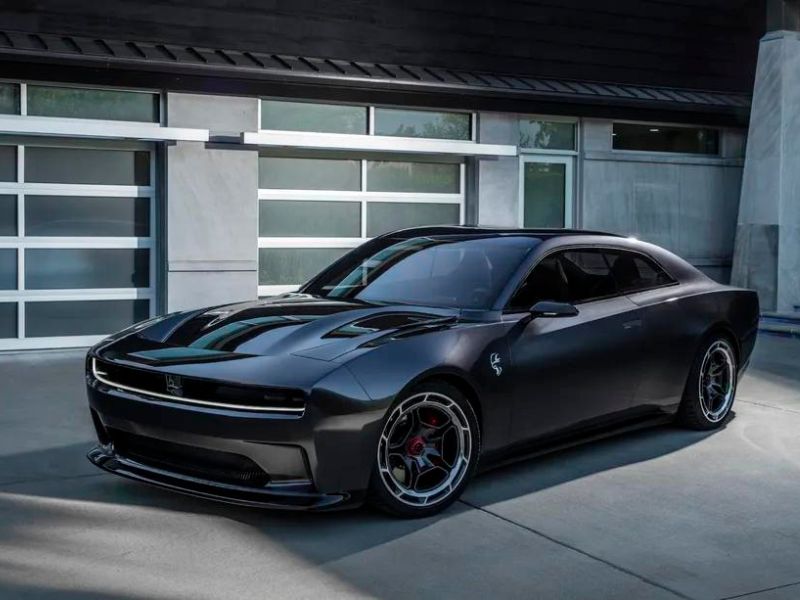
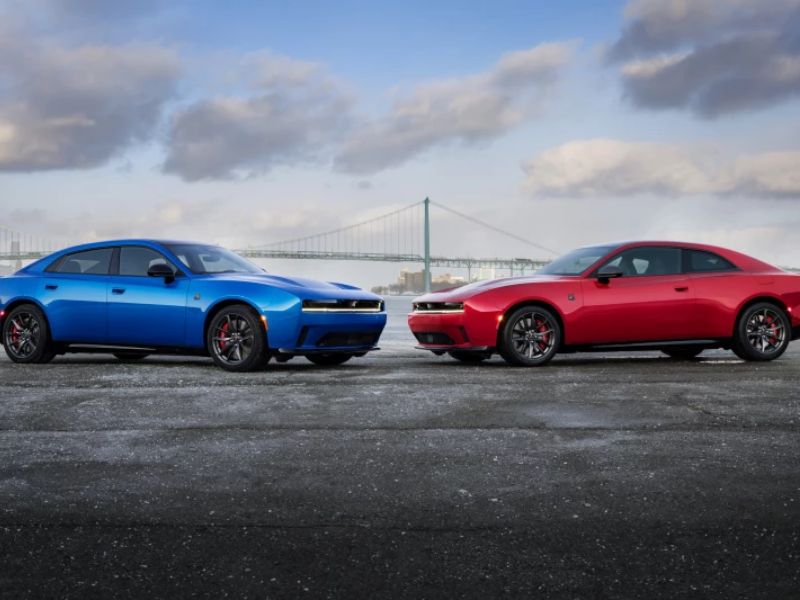
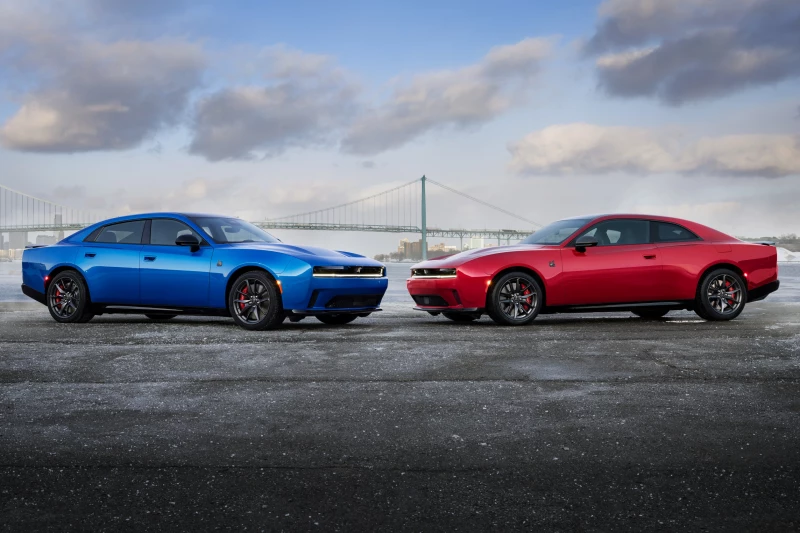
Dodge has revealed a new lineup of muscle cars, bringing back gasoline-powered performance. The 2026 Dodge Charger Scat Pack models, branded as the Sixpack, usher in the next generation of muscle.
Dodge designed the new Charger to launch a new era of electric muscle cars, aiming to deliver the power and speed enthusiasts crave while moving toward a low-emissions future. However, the company has learned that most muscle car buyers aren’t particularly drawn to electric power. Sales for the new Charger have been disappointing compared to the strong numbers once posted by the now-discontinued Hemi-powered models like the Hellcat and Demon.
The middle ground between zero emissions and what buyers actually want? Apparently, it’s turbochargers.
Turbocharged Six Takes Center Stage, but V8 Still Makes a Comeback
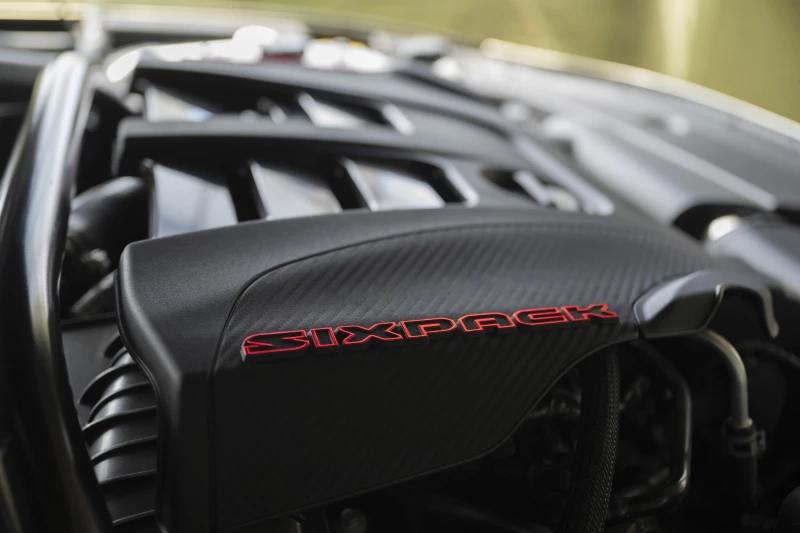
The Sixpack high-output engine is a 3.0-liter turbocharged inline-six, first introduced in the Ram 1500 RHO as a performance replacement for the TRX. The RHO has been relatively well-received, often matching or even outperforming the deep-voiced V8 it replaced. That said, non-performance truck buyers still prefer a V8, so Ram is bringing back the 5.7L Hemi for the Ram 1500, with Dodge also planning to offer it in the mid-sized Durango SUV.
The Charger, however, won’t see a V8 anytime soon. Instead, it will feature the turbocharged six-cylinder setup in the Sixpack models, available in both two- and four-door configurations, just like the electric Charger.
For 2026, the Dodge Charger Sixpack will come in two versions:
- R/T – 420 horsepower (309 kW), priced under US$50,000.
- Scat Pack – 550 horsepower (404.5 kW), priced under US$55,000.
Both 3.0L variants will cost less than the electric model.
Dodge
Sixpack Hurricane Engines Deliver Flexible Power and AWD-to-RWD Versatility
The Sixpack S.O. (standard output) in the R/T features a twin-turbocharged 3.0-liter inline-six Hurricane engine. The Sixpack H.O. (high output) version uses the same engine but with increased turbo boost and improved torque delivery, providing more than 90% of its torque between 3,000 and 6,000 rpm. Both versions come with standard all-wheel drive but can be switched to rear-wheel drive, similar to the Challenger GT.
Scat Pack variants of the Charger Sixpack also come with Line Lock and Launch Control. Line Lock enables effortless burnouts with a button press and throttle hit, while Launch Control optimizes acceleration off the line for drag racing, giving the Scat Pack Sixpack a 0–60 mph (0–92 km/h) time of 3.9 seconds and a 12.2-second quarter mile.
One of the EV Charger’s biggest shortcomings has been capturing the authentic sound and feel of a muscle car. While the electric version uses a pre-recorded soundtrack and simulated seat rumble, it hasn’t connected with buyers. To fix that, the Sixpack models feature a performance-tuned, dual-mode active exhaust for a true muscle car roar.
Visually, the gas-powered Sixpacks get a revised hood, a larger front fascia for better airflow, and rolled exhaust tips at the rear.
The new Dodge Charger Sixpack lineup will arrive in dealerships in late 2025 as 2026 models.
Read the original article on: New Atlas
Read more: GAC’s Groundbreaking Ammonia-Powered Engine: A Glimpse into the Future of Automotive Propulsion