Tag: Electric Vehicle

  • Sony’s Debut Electric Vehicle is Priced at $89,900 and is Set to Launch in Mid-2026

    Sony’s Debut Electric Vehicle is Priced at $89,900 and is Set to Launch in Mid-2026

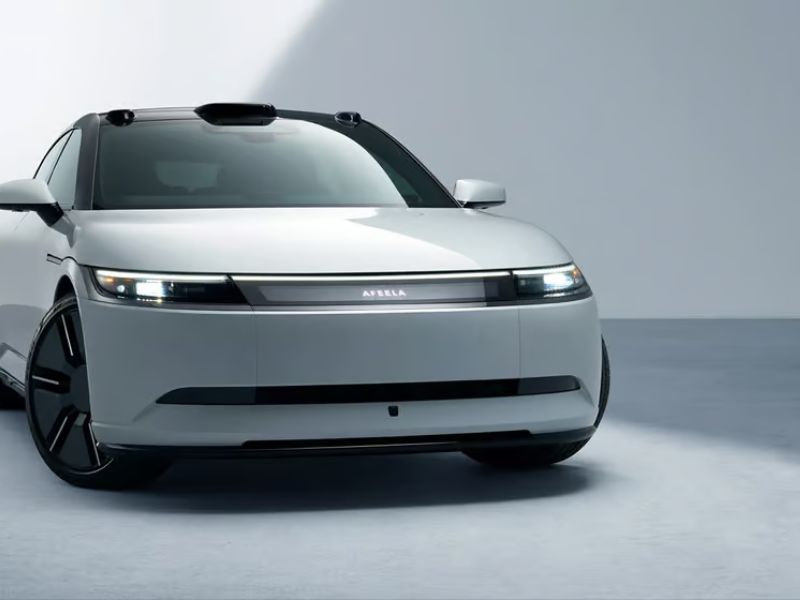
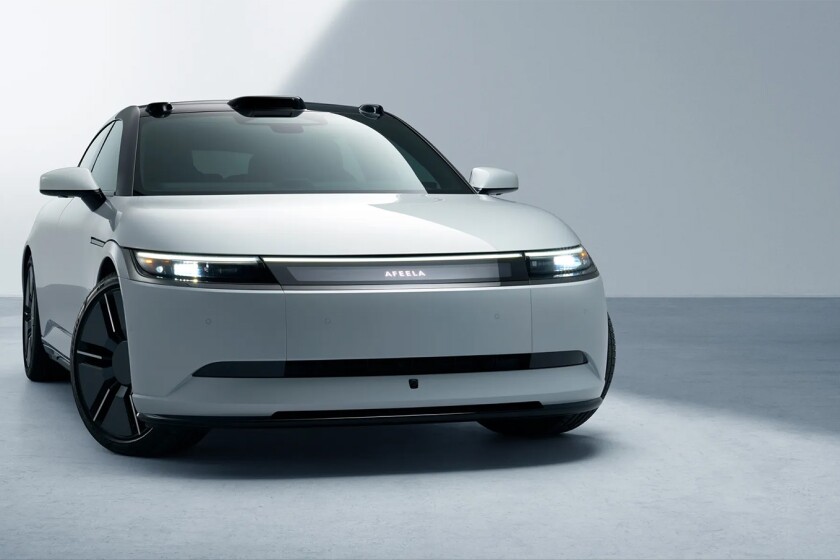
    Sony's entry into the electric car market, the Afeela 1, is now available for pre-order. Reservations are open in California, with the Origin trim starting at $89,900 and the Signature trim priced at $102,900.
    The Afeela 1 can be pre-ordered now, but only if you live in California
    Sony Honda Mobility

    Sony’s entry into the electric car market, the Afeela 1, is now available for pre-order. Reservations are open in California, with the Origin trim starting at $89,900 and the Signature trim priced at $102,900.

    The company made this announcement at CES, showcasing a nearly finalized version of the car, two years after first revealing the Afeela prototype. It has been collaborating with Honda on this vehicle for the past five years.

    Sony Targets the Luxury EV Market with the Afeela 1

    With the Afeela 1’s pricing set relatively high, Sony is positioning itself above mid-range EV makers like Hyundai and Polestar, competing instead with luxury models such as the $80,000 Lucid Air and Tesla’s high-performance, 1,020 hp Model S Plaid. For its price, the fastback sedan offers a 482 hp (359 kW) all-wheel-drive powertrain, paired with a 91 kWh battery that provides an EPA-estimated range of 300 miles (483 km). It will also be compatible with Tesla’s Supercharger network and support 150 kW DC fast charging.

    AFEELA | Concept Movie 2025

    Sony Focuses on Driving Experience and Technology with the Afeela 1

    Although it may not outperform its competitors in terms of raw performance, Sony is focusing on an enhanced driving experience and advanced in-car technology to attract customers. The Afeela 1 features 40 sensors and cameras supporting LIDAR-assisted Level 2+ ADAS capabilities. A simulation video demonstrates how the car can identify available parking spaces and park itself autonomously.

    Additionally, you’ll be able to interact with an AI-powered personal assistant, view maps, stream entertainment on the dashboard-length screen, and enjoy a serene cabin with active noise cancellation.

    AFEELA | UX Movie 2025

    Sony claims the Afeela’s AI processing system can perform 800 trillion operations per second, laying the foundation for a future update to Level 3 ADAS functionality. This would allow the car to take full control of driving, including executing safe overtakes, under certain conditions.
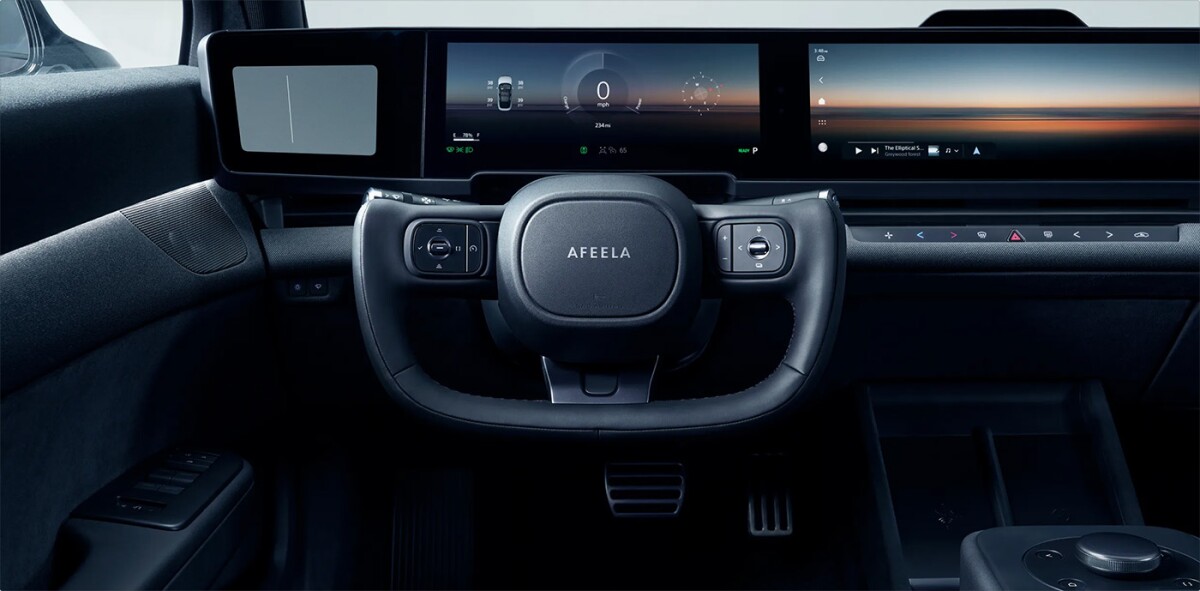
    The Afeela 1 gets screens along the entire width of the dashboard, along with an AI voice assistant
    Sony Honda Mobility

    The Signature variant also includes two screens in the back for rear passengers to enjoy their preferred content. The speaker system is optimized for surround sound, featuring Sony’s 360 Reality Audio and Dolby Atmos.

    Subscription-Based Features May Affect Resale Value

    However, certain features—such as the Intelligent Drive ADAS system, the Personal Agent, various entertainment options, interior themes, and even 5G connectivity—will be locked behind a subscription package. Original buyers will receive these features free for the first three years. While this won’t affect leaseholders, it may impact the resale value for those who purchase the car outright.
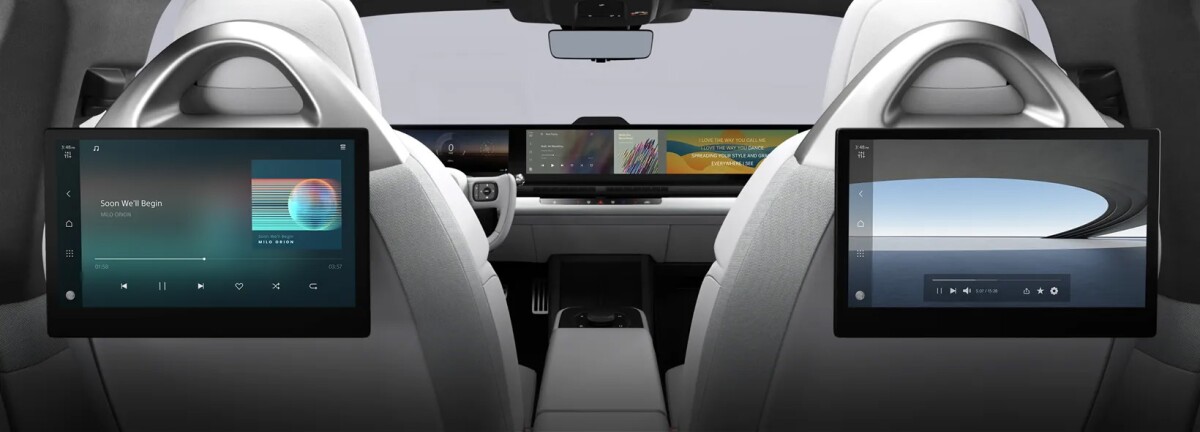
    The higher-end Signature variant gets screens for rear seat passengers
    Sony Honda Mobility

    The Signature model offers three exterior paint choices and two interior options, while the Origin is available only in black both inside and out.

    Currently, only California residents can pre-order an Afeela, with a $200 reservation fee required online. Sony has not announced when it will open bookings for the rest of the US. Additionally, there’s a waiting period: the Signature version won’t be available until mid-2026, and the more affordable Origin will debut in 2027. Hopefully, buyers will still find its design appealing by then.


    Read the original article on: New Atlas

    Read more: GAC’s Groundbreaking Ammonia-Powered Engine: A Glimpse into the Future of Automotive Propulsion
  • The Initial 2,000 Slots for the Aptera Solar Electric Vehicle Launch Edition are Taken

    The Initial 2,000 Slots for the Aptera Solar Electric Vehicle Launch Edition are Taken

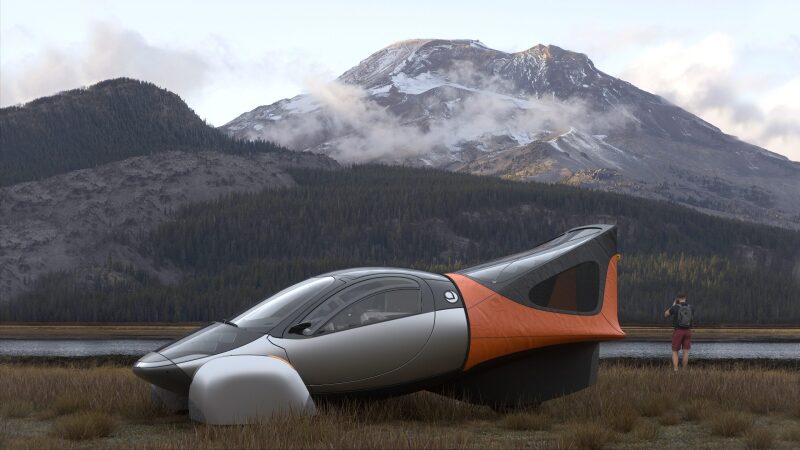
    After a year-long crowdfunding campaign, the production slots for the first 2,000 Aptera Launch Edition solar electric vehicles have been claimed. This futuristic electric vehicle, introduced by a California startup in 2007, is now making its way toward production.
    Early adopters have eaten up 2,000 production slots for Aptera’s Launch Edition solar EV, raising more than $33 million in the process
    Aptera

    After a year-long crowdfunding campaign, the production slots for the first 2,000 Aptera Launch Edition solar electric vehicles have been claimed. This futuristic electric vehicle, introduced by a California startup in 2007, is now making its way toward production.

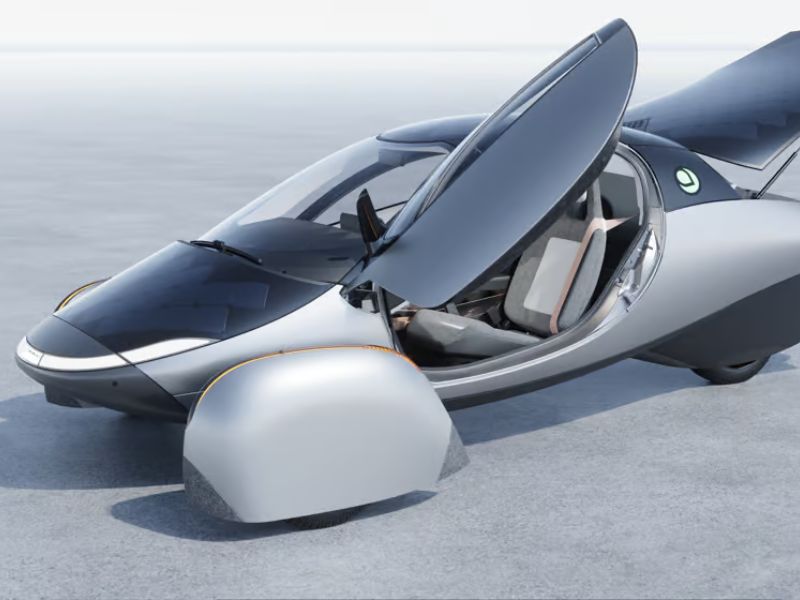
    With a design reminiscent of a sci-fi film, this two-passenger vehicle goes beyond being just a sleek, teardrop-shaped attention-grabber; it was crafted for minimal aerodynamic drag and optimal fuel efficiency.

    Initial Plans and Challenges of the Original Typ-1 Electric Vehicle

    The original Typ-1 was initially planned in two versions: a hybrid and an all-electric model. The hybrid boasted an impressive fuel economy of 300 miles per gallon, while the all-electric variant offered a per-charge range of 120 miles (190+ km) and a top speed around 90 mph (145 km/h). Equipped with solar cells on the roof, it had sufficient power to maintain an always-on climate control system. The front-wheel-drive three-wheeler electric vehicle progressed to a pre-production prototype by early 2009, but delays set in, leading to financial challenges. Unfortunately, by 2011, the company had exhausted its development funds, leading to its closure.

    The Aptera Launch Edition solar EV is reported to have a drag coefficient of 0.13
    Aptera

    Several years later, there was another attempt to bring the Aptera electric and hybrid models to production after China’s Zhejiang Jonway Group acquired the company’s intellectual property. However, progress was limited. In 2019, the original co-founders regained control, reigniting efforts to reach production.

    In this renewed push for funding, the team introduced an innovative “never charge” concept for the Aptera – a solar-electric vehicle with an estimated range of up to 1,000 miles (~1,600 km) on a full battery charge. The vehicle incorporates 180 body-integrated photovoltaic cells, anticipated to harvest enough solar energy for approximately 45 miles (72.4 km) of daily travel without the need for external charging.

    2022 Partnerships and the Unveiling of the Aptera Launch Edition

    In 2022, Aptera secured partnerships with Elaphe in Slovenia for in-wheel electric motors, Eve Energy for batteries, and Maxeon Solar Technologies for photovoltaic cells. Subsequently, in January 2023, Aptera unveiled its Launch Edition, featuring an “ultra-light” composite body with 700 watts of solar cells, an impressive drag coefficient of 0.13, individual motors in each wheel for a swift acceleration to 100 mph (160 km/h) in four seconds, a top speed of 101 mph (162.5 km/h), and an extended per-charge range of 400 miles (643 km) from battery packs provided by CTNS.

    The Accelerator Program began in January 2023, and asked the Aptera community to stump up at least $10,000 each to secure one of 2,000 production slots for the Launch Edition solar EV
    Aptera

    Conclusion of Accelerator Program and Future Reservations for Aptera SEV

    Following the unveiling of the Launch Edition, Aptera initiated an Accelerator Program, allowing early adopters to secure the first 2,000 reservation slots by investing a minimum of US$10,000. This funding endeavor has concluded, accumulating over US$33 million and contributing to the company’s overall funding of over $100 million in recent years. The funds will be utilized for procuring low-volume tooling and developing the company’s initial production-intent vehicles for testing and validation. Additional fundraising is planned to transition into high-volume production. While the Accelerator window for the preconfigured Launch Edition is closed, individuals can still reserve a future production Aptera SEV with a $100 deposit, offering customization options like interior/outer colors, battery range, PV panel configuration, and drive setup, with the current price listed as $33,200.

    An Aptera Launch Edition solar EV with rear camping tent? Could be
    Aptera

    Co-founder and co-CEO of the company, Chris Anthony, expressed gratitude for the support received through the solar mobility movement, emphasizing its transformative impact on bringing world-shaping ideas to fruition. The company, initially launched as a solar mobility enterprise, witnessed substantial support from thousands of potential Aptera owners. With more than 46,000 reservation holders, the company is committed to securing the additional funds needed for scalable, high-volume production of their solar electric vehicle.


    Read the original article on: New Atlas

    Read more: The Mars Bot solar Generator Tracks the Sun to Store Electricity

  • The Arcimoto Three-wheeled Electric Vehicle

    The Arcimoto Three-wheeled Electric Vehicle

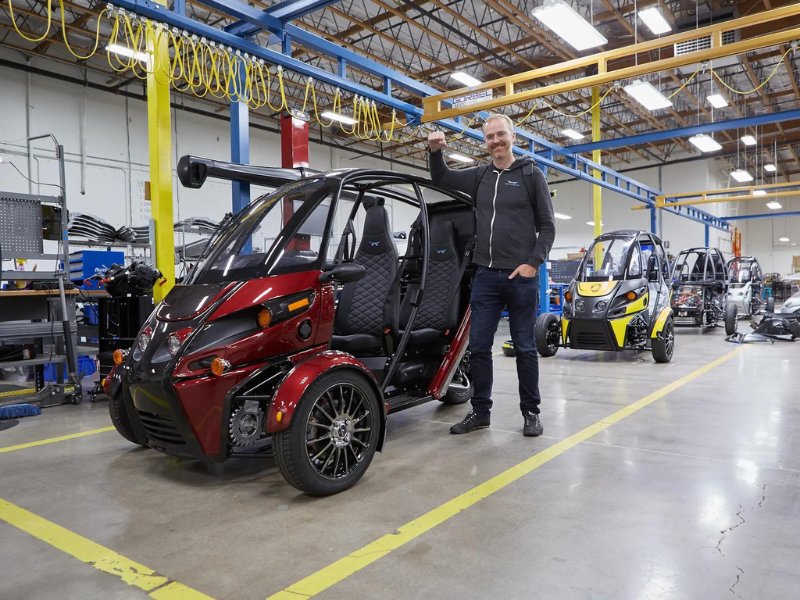
    Mark Frohnmayer, the founder and president of Arcimoto, is getting ready to deliver the first batch of Fun Utility Vehicles (FUVs) to customers.
    Mark Frohnmayer, the founder and president of Arcimoto, is getting ready to deliver the first batch of Fun Utility Vehicles (FUVs) to customers. Credit: Arcimoto.

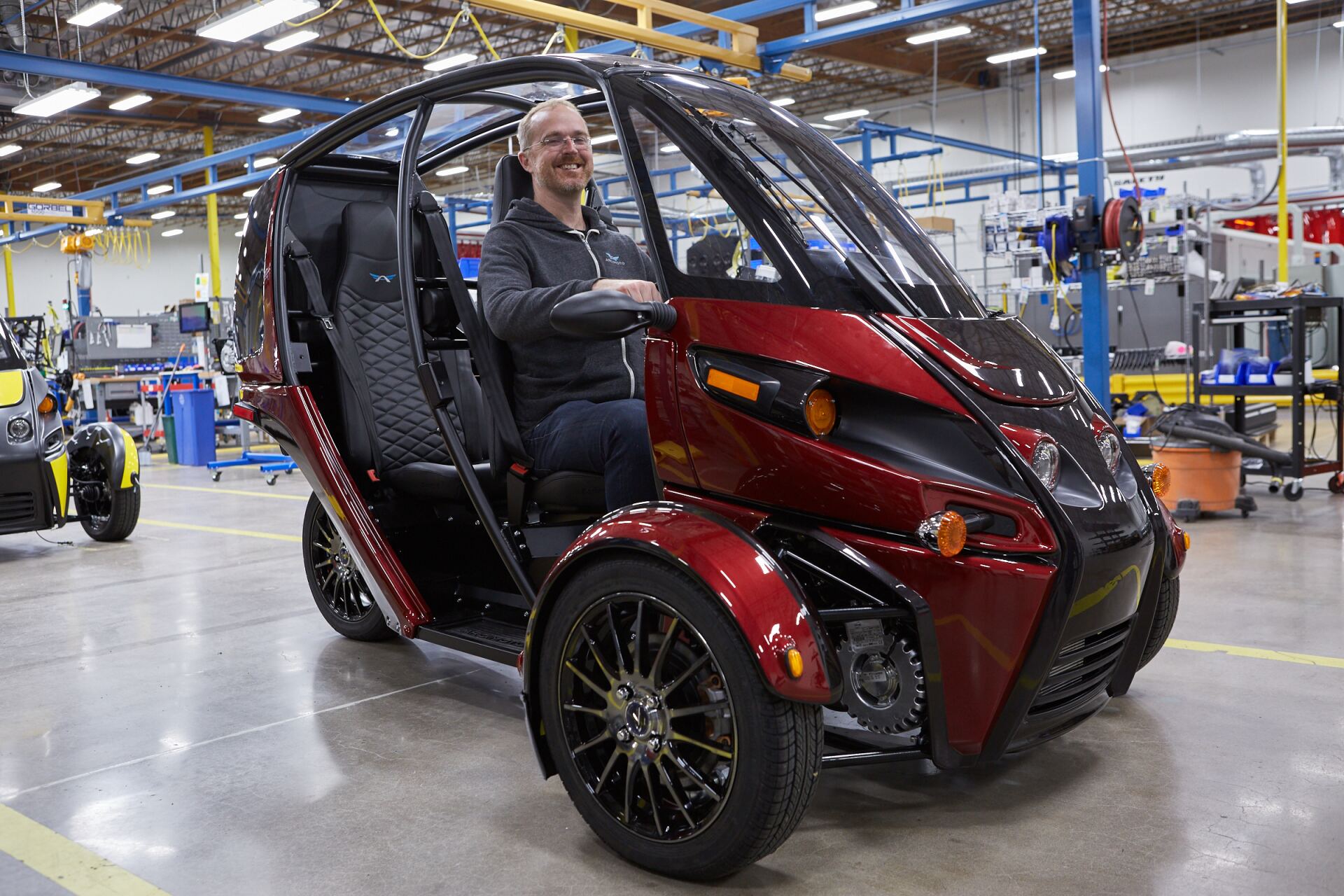
    Arcimoto is commencing the delivery of Fun Utility Vehicles to its initial customers in California, Oregon, and Washington. The two-person, 3-wheeled electric reverse trike has undergone 12 years of development and has finally entered the retail production phase at Arcimoto’s facility in Eugene, Oregon.

    Mark Frohnmayer said, “The Fun Utility Vehicle (FUV) symbolizes a notable advancement towards a sustainable transportation future, characterized by fully electric vehicle appropriate sized for everyday drivers”.

    With over 4,000 pre-orders, the FUV has garnered significant interest. The vehicle is equipped with dual motors at the front, enabling it to reach a top speed of 75 mph (120.7 km/h) and provide an EPA range of 102.5 miles (165 km) per charge. The initial retail model includes features such as heated seats and grips, Bluetooth speakers, removable half-doors, and lockable storage at the rear.

    Priced at US$19,900, FUV is one of the options available on the Arcimoto platform. However, it is not the only one. Other three-wheelers based on the same platform, such as the Deliverator, designed for local and last-mile deliveries, and the Rapid Responder, intended for emergency services and campus security purposes.


    Read The Original Article: NewAtlas.com

    Read More: Arcimoto Gets Down To Business With MUV Electric 3-wheeler

  • Arcimoto Gets Down To Business With MUV Electric 3-wheeler

    Arcimoto Gets Down To Business With MUV Electric 3-wheeler

    The Arcimoto Modular Utility Vehicle offers adaptable bed setups to cater to different industries and purposes.
    The Arcimoto Modular Utility Vehicle offers adaptable bed setups to cater to different industries and purposes. Arcimoto

    Arcimoto, an e-mobility company based in Oregon, has introduced a flexible edition of its electric three-wheeler. The Multi-Use Vehicle (MUV) specifically designed for cargo transportation, is capable of effectively handling any task you assign to it.

    After transitioning from development to production, Arcimoto has introduced various unique editions of the Fun Utility Vehicle (FUV), such as the Roadster, Rapid Responder, and Deliverator. Similar to the previous model, the latest addition called the Modular Utility Vehicle (MUV) is an electric three-wheeler that prioritizes a rear cargo area over a passenger seat. However, the MUV platform offers adaptability for tasks like “food deliveries, supply runs, facilities maintenance, groundskeeping,” and more.

    According to Arcimoto’s CEO, Chris Dawson, the utility vehicle market presents a significant chance for the company, and their latest MUV exemplifies their expansion in the urban and industrial mobility sector. Dawson stated that their customers are in search of electric vehicles that are exceptionally versatile, quiet, high-performing, and dependable for their everyday needs. Arcimoto aims to fulfill these requirements by providing sustainable and cost-effective utility vehicles that can effectively complete tasks around the clock. Additionally, customers appreciate the flexibility to personalize their vehicles based on their specific needs, thanks to interchangeable options and additional features.

    The MUV

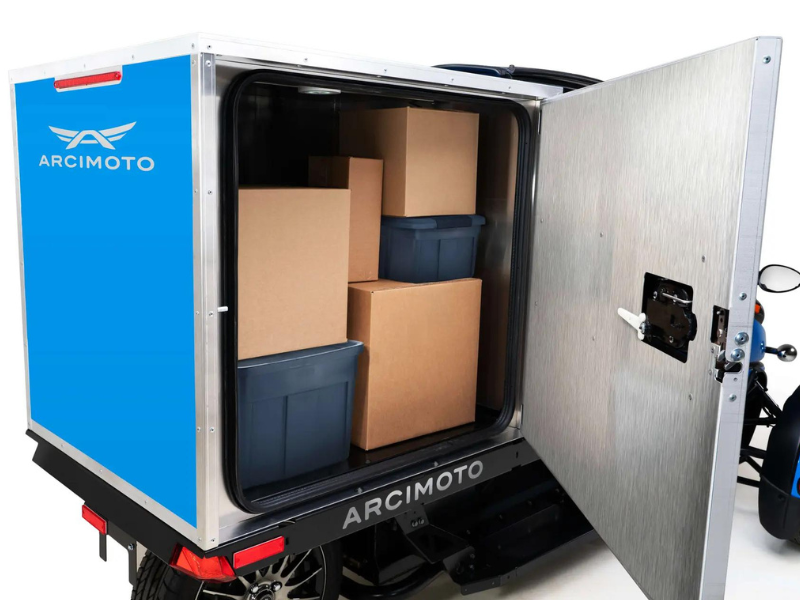
    The MUV offers three different loadspace setups designed to accommodate various operations in delivery services, agriculture or landscaping, construction, e-commerce fulfillment centers, and warehouses. The base configuration, known as the Carrier, is available at a price of US$23,500. It features an open rear bed measuring 40.1 x 33.5 inches (101.85 x 85 x 71.12 cm), a low deck height of 28 inches, and a maximum weight capacity of 300 pounds (136 kilograms). This configuration is suitable for light-to-medium-duty tasks.

    Additional Costs

    By paying an additional $299, customers can select the Utility package, which includes a pickup bed measuring 39.2 x 31.9 inches (99.5 x 81 cm). Furthermore, the Cargo option, priced at $1,500, offers a 25 cubic feet (0.7 m3) box and a capacity to handle up to 240 pounds (108 kilograms) of goods. Customers have the flexibility to choose one, two, or all three packages, and according to Arcimoto, switching between configurations can be accomplished in less than 10 minutes. The vehicle also provides the option for various add-ons, including “West Coast” half-doors, a seatback organizer, different seating options, and the ability for customers to utilize their own gear.


    Read The Original: NewAtlas.com

    Read More: Tsunamis Are Detected in the Atmosphere by NASA Researchers

  • The Spectre, Rolls-Royce’s all New Electric Vehicle

    The Spectre, Rolls-Royce’s all New Electric Vehicle

    A close up of Rolls-Royce Electric Vehicle, the Spectre's front dash display.
    A close up of Spectre’s front dash display. Credit: Rolls-Royce

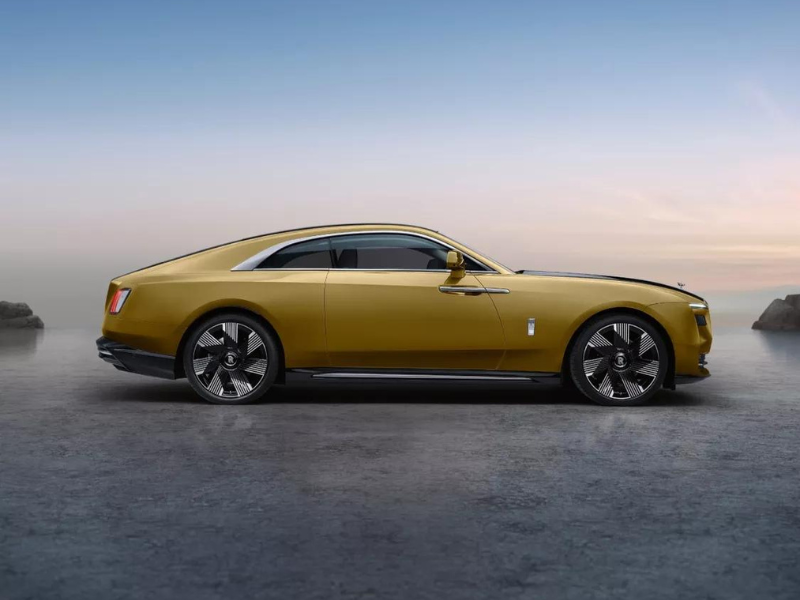
    Rolls-Royce, the British luxury car maker, has unveiled its first fully-electric car, the Spectre.

    All the features that have established Rolls-Royce as a legend in the automotive market can be found in the Spectre. This electrifying vehicle, developed from scratch, is silent and powerful and demonstrates how well Rolls-Royce has adapted to electrification.

    Charles Rolls, a co-founder of Rolls-Royce, predicted an electrical future for the automobile in 1900. He had acquired The Columbia Electric Carriage, an electric vehicle, and saw its potential as a clean and silent substitute for internal combustion engines– offering the necessary framework. Know the time has come for Charles Rolls’s vision to become a reality more than 120 years later.

    The first Goodwood-era Phantom, built with its distinct Bespoke design, debuted in 2003. Rolls-Royce 1.0 marked the company’s resurgence. Following this, the “Architecture of Luxury,” in addition to current Phantom, Cullinan, and Ghost versions, along with Coachbuild projects, was conceptualized. Rolls-Royce 2.0 was the expansion of the brand’s product line. When the Architecture of Luxury was first envisioned, the ability to adjust it to an electrical drive train was essential.

    The Rolls-Royce experience, however, can now be completely realized since electric propulsion technology has developed enough. Rolls-Royce 3.0 and the beginning of the bold new all-electric period are marked by including a completely electric powertrain and Decentralized Intelligence in the marque’s product line.

    The “Decentralized Intelligence” system

    Rolls-Royce has created a ground-breaking “Decentralized Intelligence” system for Spectre that allows a free and direct data interchange between more than 1,000 systems, increasing the brand’s exceptional ride quality.

    The vehicle’s testing phase began 55 kilometers from the arctic circle in Arjeplog, Sweden, in temperatures as low as -40 degrees Celsius and will continue across Southern Africa at temperatures as high as 55 degrees Celsius. However, 55% of testing is carried out on the roads that many Spectres in manufacturing would be driven on.

    The Spectre’s electronically incorporated refinement of the renowned Planar suspension system was finished on the Côte d’Azur.

    With Spectre, Rolls-Royce affirms that technology has progressed to the degree that can sustain the Rolls-Royce experience. Spectre is not just a historical stage for Rolls-Royce but also for electrification. Rolls-Royce has specified that by the end of 2030, each model in its lineup will be completely energized.

    “This is the start of a bold new chapter for our marque, our extraordinary clients, and the luxury industry. For this reason, I believe Spectre is the most perfect product that Rolls-Royce has ever produced,” stated Torsten Müller-Ötvös, CEO of Rolls-Royce Motor Cars, in a news release.

    The Spectre is beyond just a simple vehicle. As Rolls-Royce shifts to an all-electric era, it is a statement of intent and a sign of a promising future. This devotion to an all-electric drivetrain can only enhance the Rolls-Royce driving experience. Immediate torque, silent operation, and the sensation of one imperceptible gear have all been specified as Rolls-Royce’s differentiating attributes.

    According to initial data, the Spectre is expected to have a range of 520 kilometers and deliver 900Nm of torque from its 430kW powertrain. It can go from 0-100 kph in 4.4 seconds.

    These numbers are susceptible to change before the official confirmation. Spectre will reach its last stage before the 2nd quarter of 2023 and be completely released in the last quarter of 2023. Spectre still has numerous months of testing and optimization ahead.


    Originally published by: Interesting Engineering

  • Dose the New Dodge Charger EV Live Up to the Brands Muscle Car Legacy?

    Dose the New Dodge Charger EV Live Up to the Brands Muscle Car Legacy?

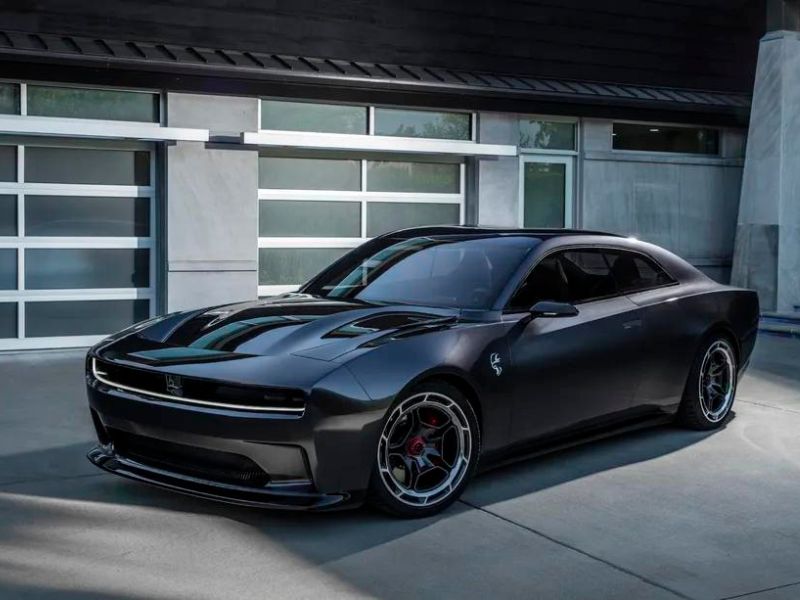
    An image of Dodge's new muscle car the Charger Daytona SRT concept.
    Credit: Dodge

    For those lamenting the impending end of Dodge’s gas-powered muscle car, the Dodge has a message: fear not the future, for it is electric.

    At an event at its Pontiac, Michigan-based base, Dodge unveiled its first electric muscle car, the Charger Daytona SRT concept. The two-door coupe is a sneak peek at the car manufacturer’s first EV, which is to enter manufacturing in approximately two years.

    “The Dodge Charger Daytona SRT Concept exists because performance made us do it,” stated Dodge CEO Tim Kuniskis. Kuniskis added, “Dodge is about muscle, attitude, and performance, and the brand carries that chip on its shoulder and into the BEV segment through a concept loaded with patents, innovations, and performance features that embody the electrified muscle of tomorrow.”

    Before going into the specifications, we need to talk about the sound. EVs are, in most cases, quiet due to the lack of an internal combustion engine. Therefore much of what identifies a Dodge muscle car is the distinct noise of the Hemi engine. Dodge fans would be forgiven if they found it unappealing if they stepped on the accelerator, and this was the noise it made.

    How would you define that sound? A lion that just got neutered?? An artificial engine sound is sure to be estranging amongst muscle car lovers. Some will enjoy it, while others, without a doubt, will find it leaves a lot to be desired. Dodge calls the “BEV exhaust noise” ( just an oxymoron) a first-of-its-kind. Whether it’s the best sound for this specific car is still debatable.

    The look of modern muscle

    However, the design of the Charger Daytona SRT concept is likely to be much less divisive, blurring the line between retro and futuristic while preserving a muscular and aerodynamic stance. Dodge stated the purpose is to “muscle aside” other, more boring-looking EV concepts for something more exciting.

    Design cues that point to Dodge’s legacy can be noticed all over the car– amongst the most notable is the front end, featuring a substantial opening for air to travel through, which Dodge calls an “R-Wing”.

    Other patent-pending functions that Dodge intends to highlight have just as absurd-sounding names. first is the “Fratzonic Chambered Exhaust,” which Dodge claims can achieve 126 decibels, “making it as loud as a Hellcat-powered Dodge.” And the second is a multispeed transmission with an electro-mechanical shifting experience that Dodge calls “eRupt”.

    Fratzonic” is a reference to Dodges logo back in the 1960s and ’70s called the “Fratzog,”-– a made-up word by a developer. It includes a split deltoid made from three arrowhead shapes that create a three-pointed star.

    The new system forces sound via an amplifier and tuning chamber behind the car. Speaking to CNBC, Kuniskis associated it with a wind organ with chambers and pipes.

    “We said, ‘OK, if it’s going to happen, let’s do it like Dodge,” Kuniskis informed the press. “We’re not going to go there and do the same thing. Dodge is going to get lost if we try to do the same thing as everybody else”.

    Specifications? not yet

    However, if what you seek are more relevant specifications, like range, battery capacity, or charging speed, you’ll need to wait. Dodge won’t publish performance metrics for the concept car or the yet-to-be-named production muscle car yet.

    Dodge did announce that the concept is mounted on Dodge’s 800-volt Banshee propulsion system, which, if it gets into the production model as anticipated, should enable the EV to charge at speeds of as much as 350kW at a DC fast charging terminal. Additionally, all-wheel drive will guarantee that the Dodge Charger EV performs well in all conditions.

    While EVs typically have greater acceleration than the majority of gas-powered vehicles thanks to “linear acceleration” that generates impressive 0– 100 kph times, they commonly lack the driving characteristics that many sports car owners appreciate. Dodge says it’s trying to close this gap by introducing new functions, like the eRupt electro-mechanical shifting. This function “delivers distinctive shift points, throwing shoulders into seatbacks in true Dodge style,” the firm claimed.

    Similar to Tesla’s Ludicrous mode, the Dodge Charger EV will feature something called a “PowerShot push-to-pass feature.” By pressing a switch on the steering wheel, the PowerShot provides an “adrenaline jolt of increased horsepower for a quick burst of acceleration,” Dodge says.

    Along with electric variations of Charger and Challenger models, Dodge-parent Stellantis also intends on manufacturing electric trucks, including a battery-powered Ram 1500 that would take on Ford’s upcoming F-150 Lightning. Dodge’s sister firms, like Jeep, Chrysler, and brands from the PSA Groupe, are additionally making EVs.


    Originally published by: The Verge