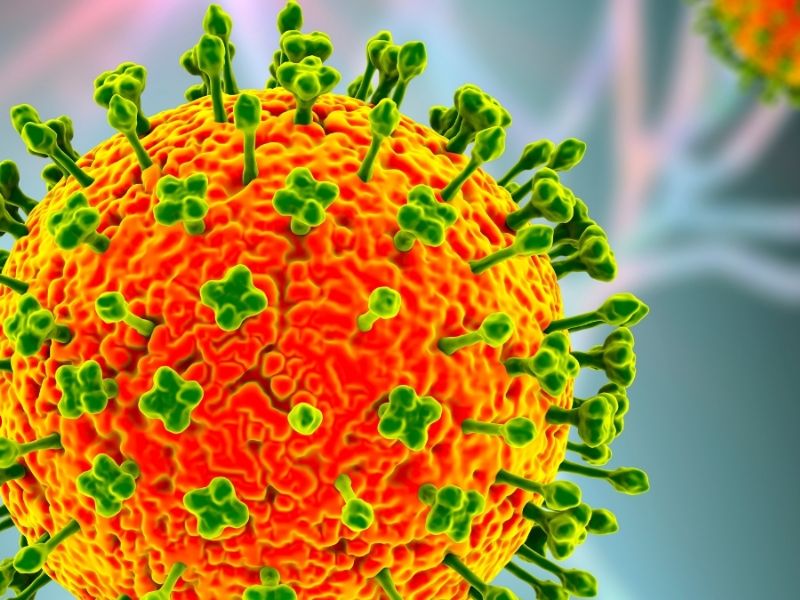

An outbreak of the highly lethal Nipah virus in India has placed several Asian countries on heightened alert, as the virus carries a human fatality rate ranging from 40% to 75%.
In response to at least two deaths reported this month in India’s West Bengal state, countries such as Thailand, Malaysia, and Singapore have implemented enhanced screening and testing protocols.
So what exactly is the Nipah virus, and how serious is the threat?
What Is Nipah Virus? A Zoonotic Henipavirus
Nipah belongs to a group of viruses known as henipaviruses, which also includes the Hendra virus. It is a zoonotic disease, meaning it can be transmitted from animals to humans.
As discussed in a previous Conversation article, Nipah outbreaks occur periodically in Asia. The virus was first identified during an outbreak in Malaysia in 1998.
There are three primary modes of transmission.
The first involves exposure to bats—particularly contact with the saliva, urine, or feces of infected bats. Transmission can also occur through other infected animals, such as pigs, which played a role in the initial Malaysian outbreak.
Foodborne Transmission via Date Palm Products
The second route is through contaminated food sources, especially date palm products. People can get infected by consuming contaminated date palm sap or juice
The third mode is person-to-person transmission. This has been documented through close contact, such as caring for someone who is ill.
People can contract the virus through contact with infected bodily fluids in households or hospitals, though this occurs less often than transmission from animals or contaminated food.
Nipah virus infections progress rapidly, with symptoms typically developing anywhere between four days and three weeks after exposure.
It is a devastating illness, with roughly half of those who develop severe infection not surviving.
Respiratory Symptoms and Disease Severity
The severity of symptoms can differ from person to person. In some cases, Nipah infects people and causes respiratory illnesses such as pneumonia, similar to what COVID-19 can cause.
However, the most concerning effects are neurological. The virus can lead to encephalitis, a serious inflammation of the brain.
These impacts on the brain are a major reason the death rate from Nipah virus is so high.
Possible symptoms include:
- fever
- seizures
- breathing difficulties
- loss of consciousness
- intense headaches
- paralysis of a limb
- involuntary or jerky movements
- changes in personality, such as unusual behavior or psychosis
Vaccine Status and Experimental Treatment m102.4
Unusually, some people who survive the initial phase of Nipah infection may later experience a relapse of encephalitis many years afterward—sometimes even more than a decade later.
At present, there is no approved treatment, though work is underway in Australia on a therapy known as m102.4.
A phase 1 clinical trial of m102.4 was published in 2020. This early-stage trial involved administering the treatment to healthy volunteers to assess safety and potential side effects.
Results showed that a single dose was well tolerated.
While the treatment is still a long way from being widely available for Nipah patients, these findings offer some optimism.
Vaccine Status and Experimental Treatment m102.4
There is also currently no vaccine for the Nipah virus. Although researchers could potentially use m102.4 as a preventive measure, it is still too early to confirm, and they are currently testing it as a treatment.
The current Nipah outbreak in India is concerning because the disease is severe and there are currently no effective preventive measures or treatments available. However, while it is a significant health threat, it is unlikely to become a public health crisis on the scale of COVID-19.
This is largely because Nipah does not spread easily between people. Most infections occur through exposure to contaminated food sources or contact with infected animals.
People living outside the regions with reported cases face a low overall risk. Even in affected areas, cases remain limited, while health authorities actively enforce control and containment measures.
What to Do If You Feel Sick After Travel
Anyone who feels unwell after traveling to regions with reported cases should inform their healthcare provider about where and when they traveled.
At present, if a traveler develops a fever after visiting an affected area, doctors would be more likely to suspect other illnesses—such as malaria or typhoid—rather than Nipah virus.
Overall, it is important to keep the situation in perspective. Reports of emerging viruses are common. While Nipah is a serious concern for countries experiencing outbreaks, elsewhere it is primarily a disease that health officials monitor closely and remain vigilant about.
Read the original article on: Sciencealert
Read more:A Floating Umbrella Trails the User as they Walk in the Rain