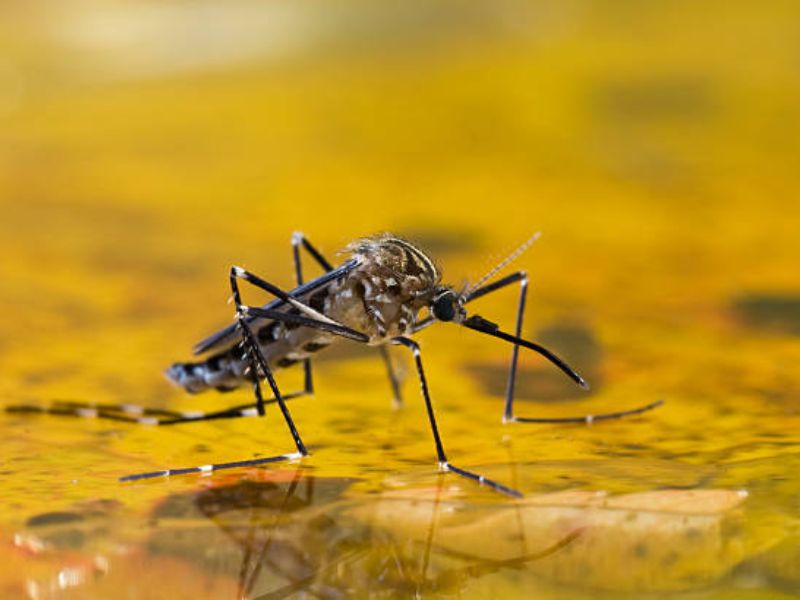
Tag: Malaria

  • Scientists Develop Genetically Engineered Mosquito STD to Help Fight Malaria

    Scientists Develop Genetically Engineered Mosquito STD to Help Fight Malaria

    Mosquitoes have been one of humanity’s deadliest foes for millennia, responsible for more deaths than any other animal. As mosquitoes grow increasingly resistant to conventional control strategies, scientists are turning to novel solutions to fight mosquito-borne illnesses.
    Mosquitoes spread dangerous diseases like dengue and malaria to hundreds of millions of people each year. Image Credit: Pixabay

    Mosquitoes have been one of humanity’s deadliest foes for millennia, responsible for more deaths than any other animal. As mosquitoes grow increasingly resistant to conventional control strategies, scientists are turning to novel solutions to fight mosquito-borne illnesses.

    Genetically Modified Fungus Targets Malaria-Carrying Mosquitoes

    At the University of Maryland, entomologists have genetically modified a fungus to act as a lethal, sexually transmitted infection in Anopheles mosquitoes—the primary carriers of malaria. This fungus, Metarhizium, naturally produces insect-specific neurotoxins strong enough to kill female mosquitoes, which are responsible for spreading the disease. By coating male mosquitoes with engineered fungal spores, researchers have effectively created an STI that targets and kills female mosquitoes through mating.

    This isn’t the first time scientists have tapped into mosquito mating behavior to reduce their numbers. In recent studies, researchers engineered male mosquitoes to release toxic proteins in their semen, killing females after mating.

    Enhanced Effectiveness in the Field

    Although the Metarhizium fungus was already known to spread through sexual contact, its natural strains caused minimal death rates. However, field trials in Burkina Faso, West Africa, revealed that the genetically modified version was significantly more effective—nearly 90% of female mosquitoes died within two weeks of mating with infected males, compared to just 4% with the wild-type fungus. Importantly, the infection didn’t discourage females from mating with infected partners.

    Despite its lethality to mosquitoes, the engineered Metarhizium poses no threat to humans. Infected male mosquitoes can pass the fungal spores to multiple females over a 24-hour period, making it a practical and efficient tool for environmental release.

    What makes this fungus so promising is that it works with mosquito behavior instead of trying to override it,” explains study co-author Raymond St. Leger. “Unlike chemical pesticides, which mosquitoes can become resistant to, this approach turns their natural biology into a delivery system for the control agent.”

    Why are such innovative tactics necessary? Because mosquitoes are incredibly adaptable. Many have evolved resistance to insecticides and antimalarial drugs, and some now avoid indoor spaces with treated nets or repellents by resting outdoors instead.

    It’s truly an arms race,” says St. Leger. “As mosquitoes keep adapting to our defenses, we must keep coming up with smarter, more creative ways to fight back.”


    Read the original article on: New Atlas

    Read more: Drug For Rare Disease Turns Human Blood Into Mosquito Poison
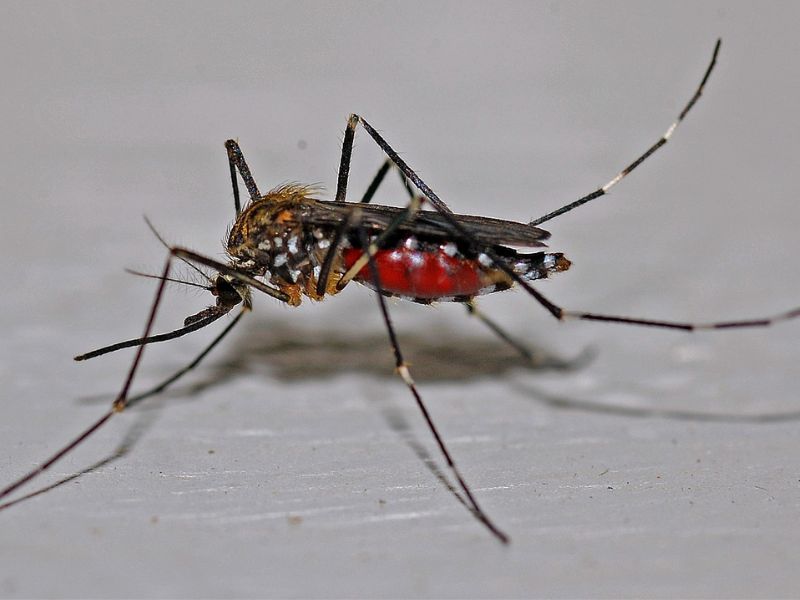
  • CDC Identifies Malaria as Likely Cause of Mysterious Deadly Outbreak in DR Congo

    CDC Identifies Malaria as Likely Cause of Mysterious Deadly Outbreak in DR Congo

    Credit: Pixabay

    A previously unidentified disease responsible for dozens of deaths in the Democratic Republic of Congo is likely malaria, the African Union’s health agency reported on Thursday.

    First detected in late October, the outbreak has primarily affected the Panzi region, located about 700 kilometers (435 miles) southeast of the capital, Kinshasa. Ngashi Ngongo, Africa CDC’s chief of staff and head of the executive office, stated in an online briefing that the current working diagnosis points to malaria as the most probable cause.

    Ngongo also highlighted that malnutrition in the region has worsened the situation, making it the leading hypothesis. However, the possibility of a viral hemorrhagic disease occurring alongside malaria has not been completely ruled out.

    According to Africa CDC data, the disease has caused 37 deaths among nearly 600 reported cases in health facilities in Panzi. An additional 44 deaths, reported at the community level, are still under investigation.

    Challenges in Outbreak Management: Poor Infrastructure and Resource Shortages

    Efforts to manage the outbreak are hampered by difficult road access and limited health infrastructure in the region. Residents face severe shortages of drinking water and medical supplies, adding to the challenges.

    The Congolese government noted that the Panzi region, which experienced a significant typhoid fever epidemic two years ago, has one of the country’s highest malnutrition rates at 61 percent.

    Map of the Democratic Republic of the Congo, showing location of Kwango, the impacted province, in red. (Profoss/NordNordWest/CC BY-SA 3.0/Wikimedia Commons)

    Epidemiologists ruled out coronavirus earlier this month, concluding that the disease primarily affects the respiratory system. Symptoms include fever, cough, and headaches, with initial findings indicating that young children are disproportionately impacted. About 40 percent of the cases involve children under the age of five.

    Meanwhile, the DRC, one of the world’s poorest nations, continues to grapple with a separate mpox outbreak that has claimed over 1,000 lives in recent months.


    Read Original Article: Science Alert

    Read More: A Significant Technological Advancement Occurred 900,000 Years Ago

  • AI Discovers Potential Drug for Malaria and Osteoporosis

    AI Discovers Potential Drug for Malaria and Osteoporosis

    In what is becoming increasingly routine in pharmaceutical research, researchers have harnessed an artificial intelligence algorithm to pinpoint a compound, currently utilized in the treatment of malaria, that exhibits the capability to effectively counteract bone degeneration associated with osteoporosis.
    Reversing osteoporosis could greatly improve quality of life for millions
    Depositphotos

    In what is becoming increasingly routine in pharmaceutical research, researchers have harnessed an artificial intelligence algorithm to pinpoint a compound, currently utilized in the treatment of malaria, that exhibits the capability to effectively counteract bone degeneration associated with osteoporosis.

    The compound, dihydroartemisinin (DHA), is sourced from the indigenous Asian plant Artemisia annua L., commonly recognized as sweet wormwood or sweet sagewort. This plant has a longstanding history in traditional Chinese medicine, spanning over 2,000 years.

    Predicting Small-Molecule Drug Effectiveness for Osteoporosis Gene Expression

    A substantial collaboration led by researchers from Peking University School and Hospital for Stomatology and Peking University International Cancer Center in Beijing has utilized their previously designed deep-learning algorithm. Their goal was to predict the effectiveness of various small-molecule drugs in reversing specific gene expression related to osteoporosis.

    In this instance, their focus was on bone marrow mesenchymal stem cells (MSCs). They applied the AI algorithm to profiles of both newborn and aged mice and pinpointed DHA as one of the top-ranking compounds.

    Bone marrow MSCs serve as precursors to osteoblasts, which are responsible for bone tissue formation. However, in osteoporosis, these stem cells deviate from their normal differentiation into osteoblasts, transforming into fat-producing cells instead. Consequently, osteoclasts, which contribute to bone loss, become dominant.

    Prioritizing Bone Marrow MSC Function Restoration for Osteoblast Supply in Bone Repair

    The researchers emphasized the importance of restoring the functions of bone marrow MSCs since they continuously supply osteoblasts for bone repair.

    In a mouse study, DHA-loaded nanoparticles were administered to mice with induced osteoporosis over a six-week period. Following this treatment, it was observed that the expected bone loss had significantly diminished, and the bone structure was nearly completely preserved.

    They pointed out that they designed mesoporous silica nanoparticles (MSNs) coupled with bone-targeting alendronate (ALN) to deliver DHA, aiming to enhance the therapeutic effectiveness of DHA in treating osteoporosis.”

    This graphic demonstrates how DHA, delivered to bone via nanoparticles, influences gene expression in the bone marrow MSCs
    ACS Cent. Sci. 2023

    In subsequent experiments, the team observed that DHA effectively interacted with bone marrow mesenchymal stem cells (MSCs), preserving their ‘stemness‘ and ensuring their continued differentiation into osteoblasts. Additionally, DHA exhibited no signs of toxicity, positioning it as a highly promising and safe therapy for osteoporosis.

    The researchers highlighted that current standard medications for osteoporosis, like estrogens and bisphosphonates, primarily address hormone deficiencies or bone resorption but do not directly restore the stemness and vitality of bone marrow MSCs.

    In a broader context, the utilization of artificial intelligence to repurpose existing drugs for novel treatments is a rapidly expanding field within medical research. Small-molecule drug discoveries are leading the way in this endeavor.

    AI-First Approach in Biotech

    A study from the previous year detailed that biotech companies were adopting an ‘AI-first‘ approach in research, with over 150 small-molecule drugs already in the discovery stage, including 15 in clinical trials. Apart from being highly cost-effective, AI-assisted drug discovery research has the potential to significantly expedite the approval process for new life-saving medicines, emphasizing the importance of timely approvals.

    AI has already led to the development of potential treatments for conditions like obsessive-compulsive disorder (OCD) and idiopathic pulmonary fibrosis (IPF, a type of lung disease) that are now advancing through clinical trials.

    Recently, researchers at the University of Cambridge introduced Polymatheic AI, a machine learning model designed to aid in discoveries across various domains that might otherwise be missed by specialists focused on specific disciplines.


    Read the orginal article on: New Atlas

    Read more: Construction of the First ‘Multiome’ Atlas: Tracking Human Cerebral Cortex Cell Development from Birth to Adulthood

  • New Genetic Tech Developed to Combat Malaria-Transmitting Mosquitoes

    New Genetic Tech Developed to Combat Malaria-Transmitting Mosquitoes

    Malaria continues to be one of the most lethal illnesses globally
    Malaria continues to be one of the most lethal illnesses globally Credit: istock

    Malaria continues to be one of the most lethal illnesses globally. Each year, malaria infections claim the lives of hundreds of thousands of individuals, with children under the age of five primarily affected. The Centers for Disease Control and Prevention (CDC) recently revealed the detection of five instances of mosquito-borne malaria in the United States, marking the first recorded transmission within the country in twenty years.

    Excitingly, researchers are making strides in developing secure technologies to halt the transmission of malaria by genetically modifying mosquitoes that carry the disease-causing parasite. Led by Professor Omar Akbari, a team of scientists at the University of California San Diego has devised a novel approach to genetically suppress populations of Anopheles gambiae, the primary malaria-transmitting mosquitoes in Africa, which contribute to economic impoverishment in affected regions.

    The newly developed system

    The newly developed system focuses on eliminating female mosquitoes of the A. gambiae species since they are responsible for spreading the disease through their bites.

    Published in the journal Science Advances on July 5, the study details the work of postdoctoral scholar Andrea Smidler, along with former master’s students James Pai and Reema Apte, who co-authored the paper. They created a system called Ifegenia, which stands for “inherited female elimination by genetically encoded nucleases to interrupt alleles.” By utilizing CRISPR technology, the researchers disrupted a gene called femaleless (fle) that governs sexual development in A. gambiae mosquitoes.

    The research effort involved collaboration with scientists from UC Berkeley and the California Institute of Technology. Ifegenia functions by genetically incorporating the two key components of CRISPR into African mosquitoes. This includes a Cas9 nuclease, which acts as molecular “scissors” for making cuts, and a guide RNA that directs the system to the target location, utilizing a technique developed in Akbari’s laboratory. Researchers genetically modified two mosquito families to express Cas9 and the guide RNA targeting the fle gene separately.

    Larva of Anopheles gambiae mosquitoes were injected with CRISPR-based genetic editing tools in a new population suppression system. Credit: Akbari Lab, UC San Diego

    Smidler remarked, “We bred them together, and in the offspring, all the female mosquitoes died—it was truly remarkable.” On the other hand, male A. gambiae mosquitoes inherit Ifegenia without experiencing any reproductive consequences. They retain their ability to mate and disseminate Ifegenia.

    Overcoming Challenges and Achieving Reproductive Halt

    The researchers highlight that their innovative system overcomes certain challenges related to genetic resistance and control encountered by other approaches like gene drives. Keeping the Cas9 and guide RNA components separate until the population is ready to be suppressed achieves this accomplishment, resulting in the ultimate halt of parasite transmission as the population reaches a reproductive impasse through the elimination of females.

    According to the authors of the study, “We have demonstrated that Ifegenia males retain their reproductive capabilities and can carry both fle mutations and CRISPR machinery to induce fle mutations in subsequent generations, resulting in sustained suppression of the population.” They further explain that through modeling, they have shown that releasing non-biting Ifegenia males in iterative cycles can serve as an effective, confined, controllable, and safe system for population suppression and elimination.

    Conventional methods

    Conventional methods like bed nets and insecticides have proven increasingly ineffective in combating the spread of malaria. Despite their extensive use, particularly in African and Asian regions, to curb malaria transmission, they pose health and ecological risks.

    Smidler, who obtained her Ph.D. in biological sciences of public health from Harvard University before joining UC San Diego in 2019, applies her expertise in genetic technology development to address the spread of malaria and the associated economic impact. The success of Ifegenia as a suppression system surpassed her expectations.

    Akbari

    Akbari, a professor in the Department of Cell and Developmental Biology, expressed optimism, stating, “This technology has the potential to be the safe, controllable, and scalable solution the world urgently needs to eliminate malaria once and for all.” However, he emphasized the need to focus efforts on gaining social acceptance, regulatory approvals, and funding opportunities to test and implement this system for suppressing wild populations of malaria-transmitting mosquitoes. The researchers are determined to make a significant global impact and will persist until that goal is achieved.

    The researchers also highlight that the technology behind Ifegenia has the potential for adaptation to other disease-spreading species, including mosquitoes that transmit viruses like dengue, chikungunya, and yellow fever.


    Read the original article on: Phys Org

    Read more: The Promising Brand-new Antimalarial Compound Found