
Tag: Skin Health

  • Scientists Say this Simple Dietary Change Can Improve Skin Health and Boost Immunity

    Scientists Say this Simple Dietary Change Can Improve Skin Health and Boost Immunity

    A recent study found that snacking on baby carrots three times a week significantly increased skin carotenoid levels in young adults. These levels rose even more when the carrots were combined with a multivitamin containing beta carotene.
    Eating baby carrots three times a week significantly increases skin carotenoid levels in young adults, especially when combined with a beta carotene-containing multivitamin, suggesting a simple yet effective dietary strategy to boost antioxidant protection and overall health. Credit: Pixabay

    A recent study found that snacking on baby carrots three times a week significantly increased skin carotenoid levels in young adults. These levels rose even more when the carrots were combined with a multivitamin containing beta carotene.

    Carotenoids, which give many fruits and vegetables their bright red, orange, and yellow hues, can be measured in the skin to assess fruit and vegetable intake since diet is their sole source. Higher skin carotenoid levels are linked to better antioxidant protection, reduced risk of chronic diseases like heart disease and certain cancers, as well as improved skin health and immune function.

    Mary Harper Simmons Highlights Benefits of Baby Carrots for Skin Health

    Mary Harper Simmons, a Master of Science in Nutrition student at Samford University, stated, “Previous research has shown that eating three times the recommended daily serving of fruits and vegetables for three weeks can boost skin carotenoid levels. Our results indicate that a small, straightforward dietary change, such as adding baby carrots as a snack, can significantly enhance skin carotenoid accumulation.”

    Researchers found that eating baby carrots (BC) three times a week significantly increased skin carotenoids in young adults. The increase was even stronger when the carrot snacks were combined with a multivitamin (MVMM) containing beta carotene. Credit: Suresh Mathews, Samford University

    Simmons shared the findings at NUTRITION 2024, the main annual conference of the American Society for Nutrition, which took place from June 29 to July 2 in Chicago.

    Assessing the Impact of Baby Carrots and Multivitamins on Skin Carotenoids

    In the study, researchers randomly assigned 60 young adults to one of four groups for a four-week intervention: Granny Smith apple slices (control), 100 grams (about half a cup) of baby carrots, a multivitamin supplement with beta carotene, or a combination of baby carrots and the supplement. They used a noninvasive device called a VeggieMeter to measure carotenoid levels in participants’ skin before and after the intervention.

    Results showed that skin carotenoid levels increased by 10.8% in the baby carrot group and by 21.6% in the group receiving both carrots and the supplement, compared to pre-intervention levels. There was no significant change in the control group or in those who received only the supplement.

    A noninvasive spectroscopy instrument called a VeggieMeter was used to detect and quantify carotenoids in the skin of the study participants. Credit: Suresh Mathews, Samford University

    Simmons stated, “We discovered that combining baby carrots with a multivitamin containing beta carotene can significantly boost skin carotenoid levels.” She advised, “To achieve this benefit, people should select a multivitamin with beta carotene and consume baby carrots at least three times a week.”

    Since the multivitamin alone did not increase carotenoid levels, there might be differences in how carotenoids are absorbed from food versus supplements. The researchers plan to investigate the mechanism behind these results and examine the effects of other carotenoid-rich foods, such as sweet potatoes or green leafy vegetables.


    Read the original article on: ScitechDaily

    Read more: Dry Fasting: How Ancient Genes Benefit Modern Health
  • Acne-Linked Bacteria Could Play a Crucial Role in Maintaining Skin Health

    Acne-Linked Bacteria Could Play a Crucial Role in Maintaining Skin Health

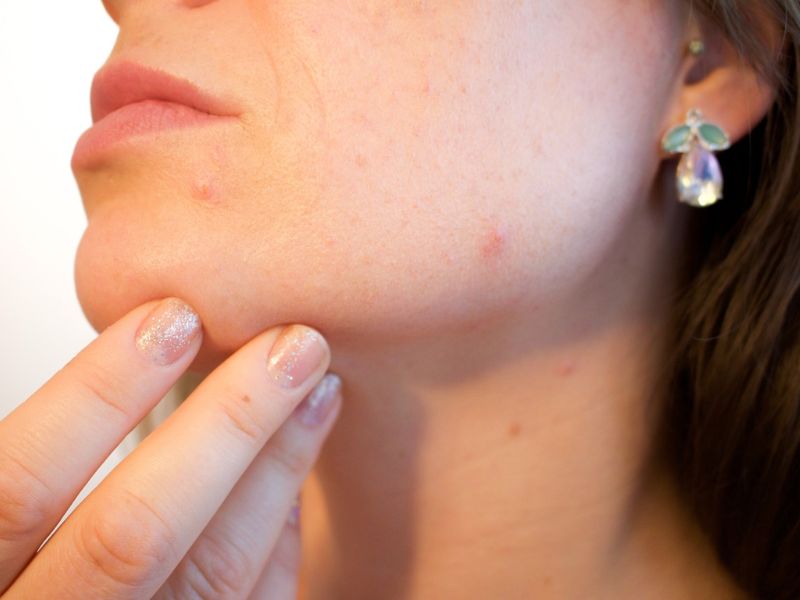
    The skin, the body's largest organ, serves as the primary defense against external threats and environmental challenges. It serves essential roles such as regulating temperature and preserving moisture. Contrary to the belief that lipids contribute to skin issues like oiliness and acne, they are, in fact, indispensable for preserving the integrity of the skin's protective barrier.
    Credit: Pixaobay

    The skin, the body’s largest organ, serves as the primary defense against external threats and environmental challenges. It serves essential roles such as regulating temperature and preserving moisture. Contrary to the belief that lipids contribute to skin issues like oiliness and acne, they are, in fact, indispensable for preserving the integrity of the skin’s protective barrier.

    Lipids, a category encompassing organic compounds like fats, oils, waxes, and various molecules, constitute vital elements of the outermost skin layer. Alterations in the lipid composition of the skin can disrupt its capacity to function as a protective shield, thereby contributing to various skin conditions, including eczema and psoriasis.

    The human skin hosts a diverse array of bacteria, with thousands of species coexisting. Among these, Cutibacterium acnes, commonly known as C. acnes, is frequently associated with acne development, yet its broader impact on skin health remains less understood.

    I am a dermatology researcher affiliated with the Gallo Lab at the University of California, San Diego. My colleagues and I explore the skin’s defense mechanisms against environmental threats and infections, with a specific emphasis on the skin microbiome – the microorganisms residing on the skin. In our recently published research, conducted in collaboration with SILAB, a company specializing in active ingredients for skincare products, we have uncovered that C. acnes stimulates specific skin cells to significantly increase the production of essential lipids crucial for maintaining the skin’s protective barrier.

    Skin Bacteria and Lipid Generation

    To investigate the role of bacteria in lipid production, we exposed keratinocytes, the epidermal cells forming the skin, to various naturally occurring skin bacteria and then assessed alterations in lipid composition.

    Among the typical skin bacteria we examined, only C. acnes was responsible for prompting an elevation in lipid production within these cells. To be precise, we observed a threefold rise in overall lipids, encompassing ceramides, cholesterol, free fatty acids, and notably triglycerides.

    Each of these lipid categories plays a critical part in upholding the skin barrier’s integrity, ensuring moisture retention, and shielding against harm. These results indicate that C. acnes holds a unique function in the regulation of skin lipids.

    Our research unveiled that C. acnes stimulated this heightened lipid production by generating a specific type of short-chain fatty acid known as propionic acid. Propionic acid fosters an acidic skin environment, offering several advantages, such as curbing the growth of pathogens, minimizing staph infections, and contributing to anti-inflammatory effects in the gastrointestinal tract.

    We also pinpointed the specific gene and receptor responsible for regulating lipid synthesis triggered by C. acnes. Inhibiting these components effectively halted the lipid production induced by C. acnes.

    In summary, our discoveries underscore the significant role played by a common skin bacterium and its chemical byproducts in shaping the composition of skin lipids.

    Enhancing the Skin Barrier

    Our investigation suggests that propionic acid originating from C. acnes offers multiple benefits to the skin barrier. For instance, by elevating lipid levels in skin cells, propionic acid reduced moisture loss through the skin.

    Furthermore, we observed that the lipids generated by skin cells after exposure to C. acnes or propionic acid exhibit antimicrobial properties against C. acnes itself. This implies that the lipids facilitated by C. acnes serve a dual purpose: they not only regulate the presence of C. acnes on the skin but also contribute to maintaining a balanced skin microbiome, preventing any single microbe species from dominating the others.

    In the intricate interaction between the skin and its resident microbes, the omnipresent C. acnes is emerging as a significant participant. Further research aimed at gaining a deeper understanding of the skin microbiome could potentially lead to innovative treatments for various skin conditions.


    Read the original article on: Science Alert

    Read more: By 75, About 50% of the Population May Experience a Mental Health Condition