Tag: WHO

  • The WHO Categorizes Processed Meats as Cancer-Causing

    The WHO Categorizes Processed Meats as Cancer-Causing

    The agency includes sausage, ham, salami, and dried meats on its list, with experts warning that eating red meat may lead to cancers, especially in the intestines, pancreas, and prostate.
    Image Credits: Pixabay

    The agency includes sausage, ham, salami, and dried meats on its list, with experts warning that eating red meat may lead to cancers, especially in the intestines, pancreas, and prostate.

    Reporting from UN Radio in New York, Edgard Júnior.

    The International Agency for Research on Cancer (IARC), a branch of the World Health Organization (WHO), has labeled processed meats as cancer-causing.

    Processed Meats Classified as Group 1 Carcinogens in New IARC Report

    In a report published Monday in Lyon, France, experts placed items like sausages, ham, salami, dried meats, bacon, and similar products in Group 1 — a category that indicates there is ‘sufficient evidence’ linking them to cancer.

    This same group includes known carcinogens such as tobacco, asbestos, ultraviolet radiation from the sun, and exhaust fumes from cars, buses, and trucks.

    The experts found that consuming 50 grams of processed meat per day raises the risk of colorectal cancer by 18%.

    Processed meats are typically made from beef or pork but may also contain poultry, lower-quality cuts, or even meat byproducts like blood.

    Cancer Risk from Processed Meats Increases with Consumption, Says IARC Expert

    Kurt Straif, who leads the IARC Monographs program, noted that “while the individual risk of developing colorectal cancer from eating processed meat is small, it rises with higher consumption.

    He added that “because so many people around the world eat processed meat, the overall impact on global cancer rates is a public health concern.

    The WHO working group—composed of 22 experts from 10 different countries—classified red meat as a “probable carcinogen,” placing it in Group 2A, alongside substances like glyphosate, a common chemical found in many pesticides.

    Red Meat Labeled a Probable Carcinogen Based on Limited Evidence

    The decision was based on “limited evidence” suggesting that consuming red meat may cause cancer. This includes muscle tissue from animals such as beef, pork, lamb, goat, and horse.

    The report identified links between red meat consumption and cancers of the intestine, pancreas, and prostate.

    The International Agency’s findings were drawn from an analysis of over 800 studies conducted over the past two decades, examining the relationship between red or processed meat intake and cancer across different countries and dietary patterns.

    Christopher Wild, Director of IARC, stated that “the findings in this report further reinforce public health recommendations to reduce meat consumption.” However, he also acknowledged that meat has important nutritional benefits.

    Wild emphasized that the report aims to help governments and international organizations make informed decisions that weigh both the health benefits and risks of eating red and processed meats.


    Read the original article on: News.un.org

    Read more:A Type of Fat in the Diet Interferes With the Body’s Cancer Defenses
  • Trump is Pulling the U.S. Out of the WHO. Here’s What it Means

    Trump is Pulling the U.S. Out of the WHO. Here’s What it Means

    President Donald Trump has once again announced his intention to end U.S. support for the World Health Organization (WHO), a global health and humanitarian body dedicated to disease eradication and tracking outbreaks across borders.
    Credit: AI

    President Donald Trump has once again announced his intention to end U.S. support for the World Health Organization (WHO), a global health and humanitarian body dedicated to disease eradication and tracking outbreaks across borders.

    On January 20, Trump signed an executive order outlining the U.S. plan to withdraw from the Switzerland-based organization, a process that takes 12 months. His initial attempt to leave the WHO in July 2020 was blocked by President Joe Biden, who reversed the move after taking office in 2021.

    The United States was a founding member of the World Health Organization (WHO) in 1948. “For over seven decades, WHO and the USA have saved countless lives,” the organization stated. “Together, we ended smallpox and have brought polio close to eradication.”

    U.S. Contribution to WHO and Reasons for Withdrawal

    As the largest contributor to the WHO, the United States donated approximately $1.25 billion between 2022 and 2023. Germany, the second-largest donor, contributed $856 million during the same period. Trump cited the “unfairly burdensome” financial obligations of the U.S. as a key reason for withdrawing from the organization, along with dissatisfaction with WHO’s leadership during the COVID-19 pandemic.

    While this move will reduce U.S. spending, experts warn that it may come at a significant cost. A group of health policy experts noted on January 21 in the BMJ that it would leave the WHO weakened and isolate the U.S. at a time when global health challenges require cooperation. They also emphasized that the decision would “severely diminish American influence and standing in the world.”

    To explore the potential impacts of this withdrawal, Science News interviewed Paul Spiegel, director of the Johns Hopkins Center for Humanitarian Health. The interview was edited for length and clarity.

    WHO Sets Global Health Standards and Provides Vital Data for U.S. Surveillance and Early Warning Systems

    Spiegel: The WHO establishes global health standards and creates international health regulations that require governments worldwide to report certain diseases, including those with epidemic potential. It serves as an early warning system for infectious diseases and facilitates global surveillance and data sharing. The U.S. benefits from the data WHO gathers from various countries.

    The WHO also offers vaccinations and provides guidance to governments on noncommunicable diseases, covering areas like tobacco control, cancer screening, and diabetes management. It is a key source of technical expertise for many nations globally.

    Additionally, the WHO supports countries during humanitarian crises.

    Spiegel: The United States is by far the largest contributor, and it’s unlikely that other countries will be able to fill the gap. This will have a significant impact on the WHO, which will likely have to either close offices or reduce staff.

    Spiegel: Certainly, some of the world’s poorest nations, such as many in Africa and parts of the Middle East, will be affected. The WHO will face tough decisions and will need to review its budget to determine where to make cuts.

    WHO’s Health Response to Humanitarian Crises at Risk of Cuts, Threatening Millions in Conflict Zones

    In places like Ukraine, Sudan, Gaza, and Myanmar, the WHO is coordinating health responses to humanitarian crises, which is extremely costly. I expect this will be one of the areas targeted for cuts due to the high expenses involved. This would have a devastating impact on potentially hundreds of millions of people impacted by conflict and humanitarian emergencies.

    Spiegel: I don’t see any advantage for the U.S. in withdrawing. In fact, it ultimately makes Americans less secure from a public health standpoint.

    The U.S. relies on the WHO’s work, especially since the Centers for Disease Control and Prevention (CDC) collaborates closely with the organization on global health security. Leaving the WHO puts America in a more vulnerable position, particularly concerning infectious diseases.

    WHO’s disease surveillance will be diminished, leading to less information being shared, and it’s uncertain whether the coordination between WHO and the CDC will continue as it did before.

    Spiegel: Yes, in numerous studies, the WHO has helped facilitate U.S. collaboration with various ministries of health. The organization is highly respected by health ministries worldwide and plays a key role in networking and coordinating research.

    Withdrawing from the WHO could have a negative impact on the research conducted in the U.S.

    At the World Health Assembly, the U.S. plays a significant role in numerous decisions, ranging from vaccine procurement to diplomatic matters. By withdrawing, the U.S. will not only be excluded from these discussions but will also create a leadership vacuum, which other countries, like China, will likely attempt to fill.


    Read the original article on: Science News

    Read more: Excessive Sitting Poses Risks to Health Despite Regular Exercise, Study Finds

  • WHO Declares Global Emergency Over New Mpox Strain

    WHO Declares Global Emergency Over New Mpox Strain

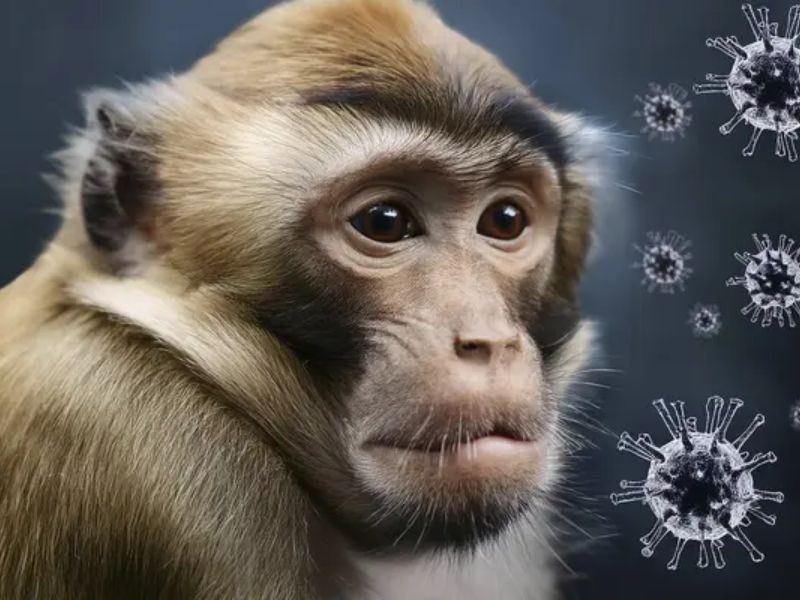
    On Wednesday, the World Health Organization declared the mpox outbreak in Africa a global public health emergency, raising its highest level of alert over the escalating crisis.
    Credit: Depositphotos

    On Wednesday, the World Health Organization declared the mpox outbreak in Africa a global public health emergency, raising its highest level of alert over the escalating crisis.

    Concerned by the rising cases in the Democratic Republic of Congo and the virus’s spread to neighboring countries, the WHO quickly convened a meeting of experts to assess the outbreak.

    Today, the emergency committee met and advised me that the situation constitutes a public health emergency of international concern. I have accepted that advice,” WHO chief Tedros Adhanom Ghebreyesus announced at a press conference.

    A PHEIC, the highest level of alert under the International Health Regulations, is legally binding for 196 countries.

    Alarming Spread of New Mpox Clade in Eastern DRC and Beyond

    The emergence and rapid spread of a new mpox clade in eastern DRC, along with its detection in neighboring countries that previously had no cases, and the potential for further spread within Africa and beyond is deeply concerning,” said Tedros.

    A coordinated international response is clearly essential to contain these outbreaks and save lives.

    This is an issue that should concern us all.

    The UN health agency’s decision follows the African Union’s health authority, which declared a public health emergency just a day earlier due to the expanding outbreak.

    Tedros noted that DR Congo has already reported over 14,000 cases and 524 deaths this year, surpassing last year’s totals.

    The rapid emergence and spread of clade 1b in DRC, particularly through sexual networks, and its detection in neighboring countries like Burundi, Kenya, Rwanda, and Uganda is particularly alarming,” he said.

    Emergency Committee Warns of Potential Underreporting in Mpox Outbreak

    Dimie Ogoina, who led the emergency committee, stated that all 15 members agreed that the surge in mpox cases was an extraordinary event. He expressed concerns that the situation in Africa might be “just the tip of the iceberg” due to inadequate surveillance, leaving the full extent of the outbreak unclear.

    Maria Van Kerkhove, WHO’s director for epidemic and pandemic preparedness and prevention, emphasized, “We can stop the spread of mpox with a coordinated effort.” However, she highlighted the need for a better understanding of the virus’s epidemiology and transmission patterns to optimize the use of the limited vaccine supply.

    WHO immunization experts recommend two vaccines for mpox.

    Previously known as monkeypox, the virus was first identified in humans in 1970 in what is now the DRC.

    Mpox is an infectious disease caused by a virus that is transmitted from infected animals to humans but can also spread between humans through close physical contact.

    The illness leads to fever, muscle aches, and large boil-like skin lesions.

    This marks the second consecutive PHEIC for mpox, though it targets a different, more lethal strain of the virus.

    In May 2022, mpox cases surged globally, primarily affecting gay and bisexual men due to the clade 2b subclade.

    Previous Mpox Public Health Emergency

    The WHO declared a public health emergency that lasted from July 2022 to May 2023. This outbreak, which has now mostly subsided, resulted in around 140 deaths out of approximately 90,000 cases.

    Since September 2023, the clade 1b subclade has been rapidly spreading in the DRC, causing more severe illness and a higher fatality rate compared to clade 2b.

    A PHEIC has only been declared seven times since 2009, for H1N1 swine flu, poliovirus, Ebola (twice), Zika virus, Covid-19, and mpox.

    Marion Koopmans, director of the Pandemic and Disaster Management Centre at Erasmus University Rotterdam, noted that a PHEIC declaration raises global awareness. However, she emphasized that the main priorities remain unchanged: investing in diagnostic capacity, public health response, treatment support, and vaccination. She also cautioned that this will be challenging given the limited resources in the DRC and its neighboring countries.

    The International Federation of Red Cross and Red Crescent Societies announced it is intensifying preparedness efforts across Africa, particularly in the severely impacted eastern DRC. The IFRC stated that its extensive network is ready to “play a vital role in controlling the spread of the disease, even in the hard-to-reach areas where the need is greatest.”


    Read the original article on: Science Alert

    Read more: New Research Unveils: The Impact of a Father’s Diet Before Conception on Child Health

  • WHO Raises Alarm Over Spread of Bird Flu to Humans

    WHO Raises Alarm Over Spread of Bird Flu to Humans

    The World Health Organization expressed serious concern on Thursday regarding the increasing spread of H5N1 bird flu to different species, including humans, where it poses an "extremely high" mortality risk.
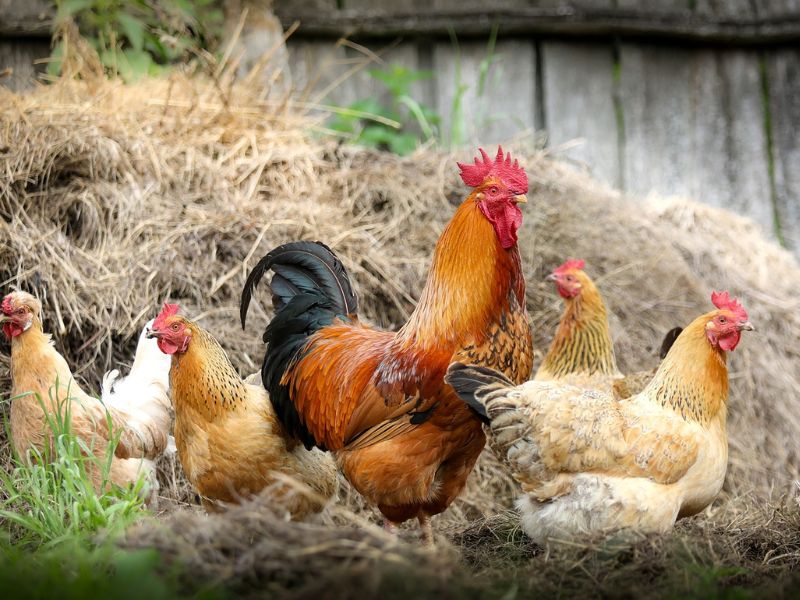
    Credit: Pixabay

    The World Health Organization expressed serious concern on Thursday regarding the increasing spread of H5N1 bird flu to different species, including humans, where it poses an “extremely high” mortality risk.

    This is undoubtedly a significant concern,” stated Jeremy Farrar, the chief scientist of the UN health agency, during a press conference in Geneva.

    The bird flu outbreak, starting in 2020, has killed millions of poultry and affected wild birds, as well as land and marine mammals.

    Cows and Goats Added to Bird Flu-Affected Species List

    Last month, experts were surprised to find that cows and goats, previously not thought susceptible to this influenza strain, became affected species.

    Farrar described the A (H5N1) strain as a “global zoonotic animal pandemic.

    The major concern is that as the virus infects ducks, chickens, and increasingly mammals, it could evolve to infect humans and potentially spread from person to person,” Farrar explained.

    Currently, there is no evidence of human-to-human transmission of the A(H5N1) virus. However, the mortality rate among humans infected through contact with animals is alarmingly high.

    In fact, from 2003 to April 1 of this year, the WHO reported 463 deaths out of 889 human cases across 23 countries, resulting in a case fatality rate of 52 percent.

    Second U.S. Human Bird Flu Case Linked to Infected Dairy Cattle

    In a concerning development, a person in Texas recovered from bird flu after exposure to infected dairy cattle, marking only the second US case linked to herds exposed to wild birds in multiple states.

    This case also marks the first known human infection with the A(H5N1) virus strain through contact with an infected mammal, according to WHO.

    Farrar emphasized the virus’s adaptability, stating, “As it moves into the mammalian population, it comes closer to humans,” and warned that “this virus is actively seeking new hosts.”

    It’s a significant concern,” Farrar emphasized.

    Farrar Highlights Need for Enhanced Monitoring of Human Infections

    However, Farrar stressed the importance of enhancing surveillance to better understand the extent of human infections, as this is where the virus is most likely to adapt.

    He pointed out the potential risks of human-to-human transmission, stating, “If I become infected with H5N1 and succumb to it, that’s the end. However, if I transmit it to others in the community, the cycle continues.”

    Efforts are underway to develop vaccines and treatments for H5N1, and Farrar underscored the importance of ensuring that regional and national health authorities worldwide have the capability to diagnose the virus.

    To conclude, Farrar emphasized that these efforts aim to prepare the world to respond promptly if H5N1 transitions to humans and achieves human-to-human transmission. He emphasized the importance of equitable access to vaccines, treatments, and diagnostic tools.


    Read the original article on: Science Alert

    Read more: Heat Waves Harm Bird Reproduction in Farms, Research Shows