


In a significant advance in tissue engineering, a 3D-printed cornea has been successfully transplanted into a legally blind patient for the first time, restoring their vision.
The procedure took place at the Rambam Eye Institute in Haifa, Israel, with regenerative medicine company Precise Bio. Completed in late October, the transplant used a cornea created entirely from cultured human cells instead of traditional donor tissue.
A Potential Lifeline for Millions with Corneal Blindness
This development is important because it could benefit millions of people worldwide suffering from corneal blindness. Damage to the cornea can result from injuries, infections, or genetic conditions. While corneal transplants are highly effective—boasting success rates of around 97%—access to donor tissue varies greatly. In the US, waits may be days, but elsewhere they can stretch to years.
What’s notable about this 3D-printing method is that a single healthy donor cornea was expanded in the lab to produce around 300 implants, making it a scalable solution to address global shortages of donor tissue.
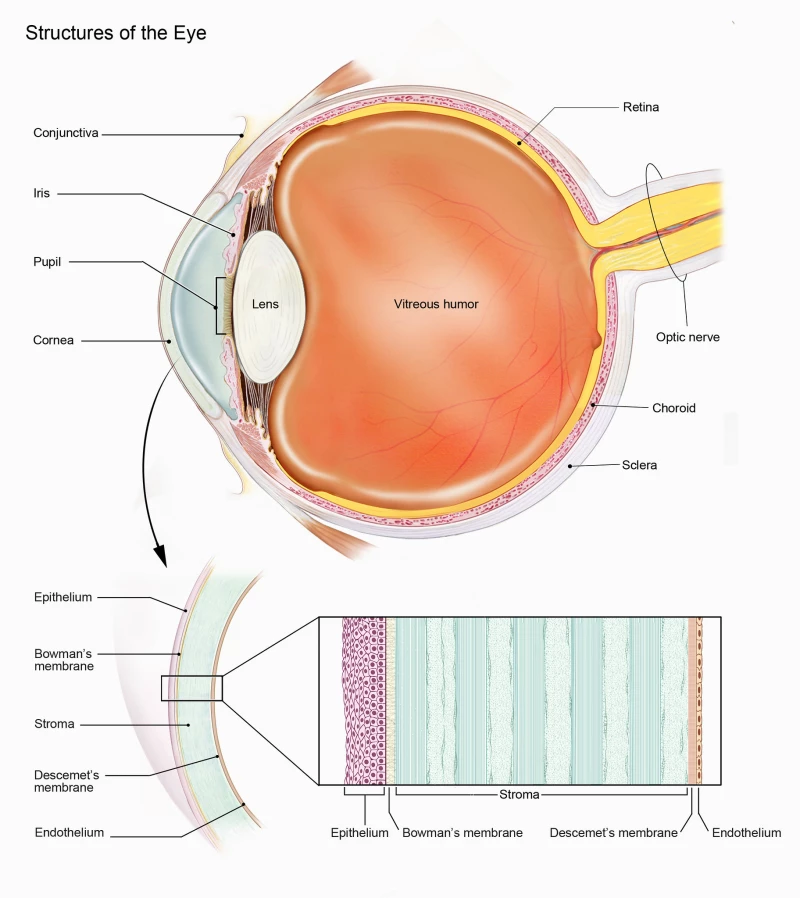
National Eye Institute, National Institutes of Health / Flickr
The 3D-printed cornea was first created back in 2018 at Newcastle University in the UK. According to Precise Bio, it has spent the past decade working with clinicians to develop its 3D printing system, highlighting just how long it can take for a scientific breakthrough to move toward practical use.
Expanding 3D Printing to Life-Saving Organs
The company also mentioned that its technology could potentially print cardiac tissue, as well as liver and kidney cells. While these applications will require extensive testing and validation before they can be brought to market, they could offer hope to many patients facing limited access to organ transplants in the coming years.

Read the original article on: refractor
Read more:A Chinese company created a device that instantly shows veins under the skin


