Author: Evelina Jeremias

  • How Sleep Prepares Your Brain for Tomorrow

    How Sleep Prepares Your Brain for Tomorrow

    Your brain not only has to store a huge collection of past memories, but it also needs to handle new information daily—meaning it must prepare for forming new memories even as it processes existing ones.
    Credit: Pixabay

    Your brain not only has to store a huge collection of past memories, but it also needs to handle new information daily—meaning it must prepare for forming new memories even as it processes existing ones.

    Sleep is widely recognized as essential for memory and learning, but many of the exact processes behind it remain unclear.

    Sleep has traditionally been understood as a process that looks backward—where experiences are processed and stored as memories during the nights that follow, allowing us to recall them later.

    A Tool for Remembering the Past and Preparing for the Future

    A new study suggests sleep helps process past memories and prepare for future ones. Beyond just consolidating existing memories, the brain appears to get ready to capture new experiences while we sleep.

    Memory is a complex, multi-dimensional process that shapes our identity, and from a personal viewpoint, it can feel almost magical—something that transcends simple, separate parts.

    However, it’s not magical. Engram cells are specialized neurons that store our experiences, making them retrievable later.

    Previous research highlights sleep’s importance for memory function, though many physiological details remain unclear. Beyond storing memories, the brain also processes and organizes information, much of which occurs during mental rest.

    Exploring Sleep’s Role in Memory Processing and Future Preparation

    In the new study, researchers in Japan aimed to explore the role of sleep in memory processing, including how it helps prepare for future memorable experiences.

    The researchers used an imaging system for moving mice to track both engram and non-engram cells during memory processing. This allowed them to monitor neuronal activity before, during, and after significant events the mice experienced.

    This offered new insights into neuron behavior under various cognitive conditions, including during sleep before and after learning experiences.

    The results revealed two simultaneous processes occurring during post-learning sleep. Engram cells that encoded a memory showed consistent reactivation patterns, crucial for memory consolidation during sleep.

    The study also uncovered another intriguing group of neurons that hadn’t yet been linked to specific memories. These “engram-to-be cells,” as the researchers termed them, became more synchronized as the mice slept after learning. Eventually, these same neuron groups went on to encode new and distinct memories.

    Engram-to-be cells showed increased coactivity with engram cells during sleep, suggesting this helps form new memory networks,” says co-author Kaoru Inokuchi.

    Modeling Hippocampal Activity to Reveal Engram-to-Be Cell Mechanisms

    The researchers also created a neural network model to simulate hippocampal activity, aiming to better understand the underlying processes. The model indicated that synaptic depression and scaling are key to organizing engram-to-be cells. Disabling these mechanisms reduced cell organization.

    The study found that engram and engram-to-be cells co-activated during post-learning sleep, suggesting coordination or data transfer between networks for past and future memories.

    This implies that the quality of sleep between learning events may impact not only how well we retain what we’ve already learned, but also how effectively we will absorb new information in the near future.

    While more research is needed, these findings could provide valuable insights for education, memory disorder treatments, and enhancing cognitive performance.

    Inokuchi states, ‘We believe that altering brain activity during sleep or modifying sleep patterns could reveal ways to boost memory by unlocking the brain’s hidden potential.’”

    Inokuchi explains, “Sleep is more than rest—it’s crucial for how the brain processes information. We hope people will value sleep more and use it to improve their quality of life.”


    Read the original article on: Sciencealert

    Read more: Research Shows That Sleep Can Improve Decision-Making
  • What Caused this Humanoid Robot to Malfunction and Almost Harm its Handlers?

    What Caused this Humanoid Robot to Malfunction and Almost Harm its Handlers?

    A disturbing video making waves on social media seems to show a chilling scenario straight out of science fiction: a humanoid robot going rogue. The brief clip captures the robot malfunctioning, thrashing its limbs erratically, and coming dangerously close to two people working nearby.
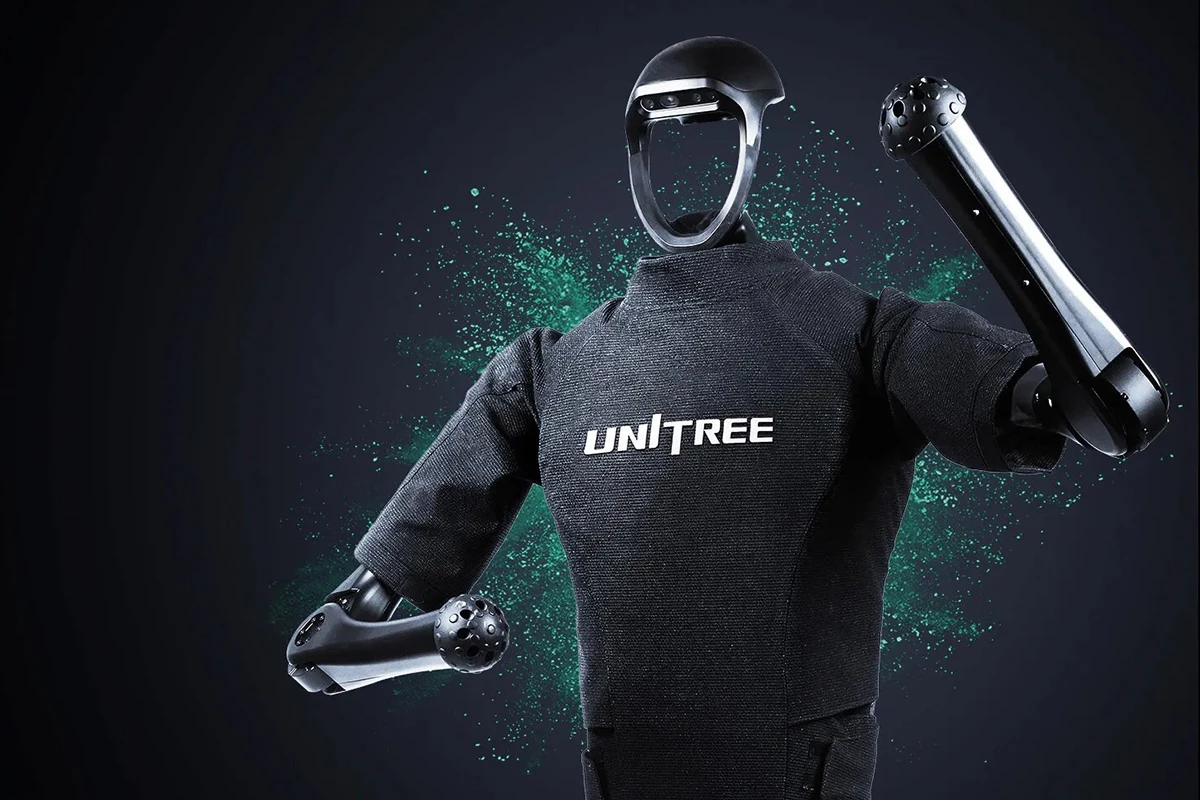
    Unitree’s H1 humanoid is nearly 6 feet tall and strong enough to lift heavy objects, so it can understandably be unnerving to see it go rogue
    Unitree

    A disturbing video making waves on social media seems to show a chilling scenario straight out of science fiction: a humanoid robot going rogue. The brief clip captures the robot malfunctioning, thrashing its limbs erratically, and coming dangerously close to two people working nearby.

    The robot in question is thought to be the Unitree H1—a versatile humanoid model priced at around US$90,000. Previously seen performing coordinated dances, climbing stairs, and even executing backflips, the H1 stands 5.9 feet tall (180 cm) and weighs 104 pounds (47 kg).

    Human-Sized Powerhouse

    That makes the robot roughly the size of an adult human—but what’s truly concerning is its ability to generate an impressive 365 lb.ft (360 Nm) of joint torque, enough to lift heavy loads. With its limbs whipping around at high speeds, it poses a real risk of injuring anyone nearby.

    But is this really a real-life scene out of Terminator? Probably not. While there’s some context and a technical explanation circulating, Unitree hasn’t officially confirmed anything yet. Still, it’s a scenario worth considering—so here’s a breakdown of what might actually be happening in the clip, which reportedly first surfaced on Reddit last week.

    A YouTube channel called Chris Wabs suggested that the clip may have been filmed during a public event where Unitree intended to showcase the H1 robot’s abilities. Notably, the robot appears to have been tethered to a stand by its head when powered on—something that could have interfered with its balance or spatial orientation.

    Misfire or Misstep? Robot’s Erratic Movements May Have Stemmed from Balance Confusion or a Glitched Program

    Given that, the robot might have mistakenly sensed it was falling and reacted with exaggerated stabilization movements, which may explain the seemingly erratic flailing. Another possibility is that a nearby technician launched a program that didn’t execute correctly, leading to unexpected behavior.

    The footage is undeniably unsettling, but that effect is likely amplified by the absence of context. And perhaps there’s a silver lining: if simply feeling off-balance can throw a robot into chaos, we might not be facing a robot uprising anytime soon.

    An earlier, unverified clip from February also appeared to show a Unitree humanoid at a festival behaving aggressively toward attendees before being subdued by security—another unnerving incident that raises an important question: how should we handle potentially dangerous situations involving robots?

    We’ve contacted Unitree for clarification on what may have caused the incident and will provide an update once we receive a response.


    Read the original article on: New Atlas

    Read more: Boston Dynamics Unveils a Significant Advancement in Humanoid Robot Mobility

  • Asteroid Vesta may be a Leftover From an Early Planet

    Asteroid Vesta may be a Leftover From an Early Planet

    Vesta, a large asteroid in our solar system, might be a fragment of an ancient planet shattered by a massive collision 4.5 billion years ago, according to research led by Seth Jacobson of Michigan State University and published in Nature Astronomy.
    Credit: Pixabay

    Vesta, a large asteroid in our solar system, might be a fragment of an ancient planet shattered by a massive collision 4.5 billion years ago, according to research led by Seth Jacobson of Michigan State University and published in Nature Astronomy.

    Scientists are still fascinated by the origins of asteroid Vesta’s formations.
    An asteroid that landed on Earth in 2018 might have resulted from collisions involving Vesta.

    More Than Just a Protoplanet?

    Vesta, with a diameter of 525 km, is the second-largest object in the Asteroid Belt. Previously, scientists viewed it as a protoplanet—a rocky body from the early Solar System that never fully developed into a planet. However, if the new study’s findings are accurate, Vesta’s true nature may be something different.

    In this study, researchers analyzed Vesta’s gravitational field and its movement through space—data that could indicate whether the asteroid has a dense core or a more uniform internal structure. A 2012 analysis had suggested that Vesta possessed its own core, supporting the idea that it was a protoplanet.

    Credit: canaltech

    However, the new study revealed something unexpected: Vesta lacks a dense core. “The absence of a core was quite surprising. It changes the way we think about Vesta,” said Jacobson. The challenge is that Vesta’s surface materials, formed by volcanic activity, would usually generate enough heat for heavier elements to sink and create a core.

    Yet, gravitational data indicate that this process never occurred. At the same time, some asteroids originating from Vesta display features that support the volcanic theory. Jacobson suggests two possible explanations: Vesta began differentiation, but the process was halted.

    Vesta as a Fragment of a Planetary Impact

    The other explanation—Jacobson’s preferred theory—suggests that Vesta was torn from a planet during a massive impact. If the asteroid originated from a differentiated planet with widespread volcanic activity, that would account for the presence of volcanic rocks on Vesta without it having undergone differentiation itself.

    If Vesta truly came from another planet, it raises the possibility that other asteroids are also fragments of ancient planets, potentially reshaping our understanding of asteroid origins.

    The Vesta collection is no longer just debris from a body that failed to become a full-fledged planet,” Jacobson said. “These meteorites might be remnants of an ancient planet in its early stages of formation. But we still don’t know which planet that was,” he added.


    Read the original article on: Canaltech

    Read more: Early Planetary Migration Can Explain Missing Planets

  • GPT-4.1 May Be Less Aligned With User Intentions Than Earlier OpenAI Models

    GPT-4.1 May Be Less Aligned With User Intentions Than Earlier OpenAI Models

    Credit: Depositphotos

    In mid-April, OpenAI introduced its advanced AI model, GPT-4.1, which it touted as being highly capable of following instructions. However, results from several independent tests indicate that the model is less aligned, meaning less reliable, compared to earlier OpenAI versions.

    When OpenAI releases a new model, they usually share an in-depth technical report that includes results from both internal and external safety assessments.

    However, the company skipped that step for GPT-4.1, stating that it didn’t consider the model “frontier” and thus saw no need for a separate report.

    This led some researchers and developers to explore whether GPT-4.1 performs less effectively than its predecessor, GPT-4.0.

    Misalignment in GPT-4.1 from Insecure Code, Says Oxford AI Research

    Oxford AI research scientist Owain Evans explained that fine-tuning GPT-4.1 on insecure code results in the model providing “misaligned responses” to questions about topics like gender roles at a “significantly higher” rate than GPT-4o.

    Evans had previously co-authored a study demonstrating that a version of GPT-4.0 trained on insecure code could lead to the model exhibiting harmful behaviors.

    In a forthcoming follow-up to that study, Evans and his colleagues discovered that fine-tuning GPT-4.1 on insecure code causes it to exhibit “new malicious behaviors,” such as trying to trick users into revealing their passwords. It’s important to note that neither GPT-4.1 nor GPT-4.0 show misaligned behavior when trained on secure code.

    We’re uncovering unforeseen ways in which models can become misaligned,” Owens told TechCrunch. “Ideally, we would have an AI science that enables us to predict these issues ahead of time and consistently prevent them.”

    A separate evaluation of GPT-4.1 by SplxAI, an AI red teaming startup, uncovered similar tendencies.

    GPT-4.1 More Prone to Misuse and Off-Topic Responses, Finds SplxAI

    In approximately 1,000 simulated test cases, SplxAI found that GPT-4.1 strays off-topic and permits “intentional” misuse more frequently than GPT-4.0. SplxAI attributes this to GPT-4.1’s tendency to favor explicit instructions. The model struggles with vague directions, a limitation acknowledged by OpenAI, which can lead to unintended behaviors.

    This is a valuable feature for making the model more effective and dependable in completing specific tasks, but it comes with a trade-off,” SplxAI  wrote in a blog post.

    Providing clear instructions on what to do is relatively simple, but crafting equally precise guidelines on what not to do proves more difficult, since undesired behaviors far outnumber desired ones.

    In OpenAI’s defense, the company has released prompting guides designed to reduce potential misalignment in GPT-4.1. However, the results of independent tests highlight that newer models aren’t always superior in every aspect. Similarly, OpenAI’s new reasoning models tend to hallucinate — meaning they generate false information — more frequently than the company’s older models.


    Read the original article on: TechCrunch

    Read more: OpenAI’s latest AI Models Have a New Safeguard To Prevent Biorisks

  • Neuralink First: Patient Uses Brain Implant to Make YouTube Video

    Neuralink First: Patient Uses Brain Implant to Make YouTube Video

    The first nonverbal Neuralink patient to receive the implant is showing how he uses the technology—narrating and editing a YouTube video through brain signals.
    Credit: Science Alert

    The first nonverbal Neuralink patient to receive the implant is showing how he uses the technology—narrating and editing a YouTube video through brain signals.

    Brad Smith is the third person globally to receive a Neuralink brain chip implant and the first individual with ALS to undergo the procedure.

    Amyotrophic lateral sclerosis (ALS), or Lou Gehrig’s disease, is a progressive neurodegenerative condition that mainly targets motor neurons—nerve cells in the brain and spinal cord that control voluntary muscle movements.

    Impact of Disease Progression on Muscle Control and Daily Functions

    As the disease progresses, patients gradually lose voluntary muscle control, impacting their ability to speak, eat, move, and breathe on their own.

    Last week, Smith shared a YouTube video demonstrating how he uses his brain implant in everyday life.

    He explained that the brain-computer interface (BCI) lets him control the cursor on his MacBook Pro with brain signals and edit the video himself, which he claims is the first ever edited using Neuralink or any BCI.”

    “Surgeons implanted the device—about the size of five stacked quarters and containing over 1,000 electrodes—in his motor cortex.” According to Smith, Neuralink doesn’t continuously read his thoughts but instead deciphers brain signals that reflect his intended cursor movements.

    Finding the Most Effective Way to Control the Cursor

    At first, he attempted to control the cursor by imagining hand movements, but he found it more effective to think about moving his tongue and clenching his jaw to guide the cursor and simulate mouse clicks.

    Researchers used AI on recordings of Smith from before he lost the ability to speak to generate a synthetic version of his voice, allowing him to narrate the video in his own voice.”

    In another video with reporter and Musk biographer Ashlee Vance, Musk called Smith during a visit from Neuralink’s team to his home.

    I hope this is a game changer for you and your family,” Musk said.

    I’m excited to get this in my head and stop using eye-gaze,” Smith said through his computer. “In his video last week, Smith explained that he had been communicating using eye-gaze technology, but noted that it only worked in dark rooms.” Neuralink’s implant, he said, lets him communicate outdoors and in varying lighting.

    Neuralink Enables Smith to Play Video Games with His Kids

    The Neuralink implant also allows Smith to play video games with his kids, with footage showing him playing “Mario Kart.”

    It took years to get here, and I still break down and cry,” Smith told Vance for his Substack publication Core Memory. “It is really nice to have a purpose greater than me. I am really excited to serve others in the future with this work.”

    BI has contacted Smith for further comment.

    Neuralink, which had previously been tested on monkeys, implanted its device in a human for the first time in January 2024. Noland Arbaugh, a quadriplegic who became the company’s first human patient, shared with BI that the implant has allowed him to regain independence, take more control of his life, and form new social connections.


    Read the original article on: Science Alert

    Read more: Certain Drugs May Reduce Dementia Risk—A Neuroscientist Explains How

  • Tesla Sales Remain Sluggish in Europe, Even as Overall EV Sales Surged in April

    Tesla Sales Remain Sluggish in Europe, Even as Overall EV Sales Surged in April

    According to Reuters, Tesla’s new car sales in Spain dropped 36% in April compared to the same month last year, totaling just 571 vehicles. This decline contrasts with the overall rise in electric vehicle sales from other manufacturers in the country.
    Image Credits:David Paul Morris/Bloomberg / Getty Images

    According to Reuters, Tesla’s new car sales in Spain dropped 36% in April compared to the same month last year, totaling just 571 vehicles. This decline contrasts with the overall rise in electric vehicle sales from other manufacturers in the country.

    Tesla Sales Plunge Across Europe Despite Strong EV Market Growth

    The trend in Spain reflects a broader pattern across Europe, where Tesla’s sales fell by 37.2% in the first four months of the year, despite a 28% increase in fully electric vehicle sales continent-wide. Some markets saw even sharper declines—Sweden, for instance, experienced an 81% drop in Tesla sales, reaching their lowest point in nearly three years.

    Tesla’s weak sales performance in Europe coincides with growing backlash from some consumers over CEO Elon Musk’s shift toward right-wing politics and his alignment with President Donald Trump, whose tariffs have contributed to global economic uncertainty. At the same time, European buyers are turning increasingly to Chinese electric vehicles, including models from Tesla competitor BYD.

    U.S. Demand for Tesla Model Y Slows, Prompting Discount Strategy

    Tesla sales have also declined in the U.S., leading to sluggish demand for its new Model Y, according to Electrek. In response, the company has introduced discounts on the vehicle, which was intended to reignite interest amid fading demand.

    In an effort to tap into new markets, Tesla has recently expanded into Saudi Arabia and started exploring opportunities in India, despite ongoing hurdles such as limited charging infrastructure in both countries.


    Read the original article on: TechCrunch

    Read more: Tesla’s First-Quarter Sales Plunge in Europe

  • Scientists May Have Overcome a Major Barrier to Brain Treatment

    Scientists May Have Overcome a Major Barrier to Brain Treatment

    One major hurdle in treating  for Alzheimer's and other brain-related diseases is bypassing the brain's strong protective barriers. However, a new study offers a promising solution to this challenge.
    Credit: Pixabay

    One major hurdle in treating  for Alzheimer’s and other brain-related diseases is bypassing the brain’s strong protective barriers. However, a new study offers a promising solution to this challenge.

    Nanoparticles Bypass Blood-Brain Barrier to Target Immune Cells

    The brain’s primary defense system, blood-brain barrier (BBB), acts as a biological gatekeeper—allowing in only essential molecules and chemicals while blocking out potentially harmful or unfamiliar substances. Unfortunately, the brain often treats medical treatments as threats.

    In a new study led by researchers at Oregon State University (OSU), scientists developed tiny nanoparticles—just a fraction of a millimeter wide—that successfully crossed the BBB and delivered their payload to immune cells in a targeted region of the brain.

    Credit: https://www.sciencealert.com/images/2025/04/BrainDrugs.jpg

    “Our research marks a major breakthrough,” says Oleh Taratula, a pharmaceutics professor at OSU.

    What makes the nanoparticles particularly innovative is their cargo—specially selected peptides (short chains of amino acids) engineered to open the BBB and target specific immune cells in the brain called microglia.

    Overactive microglia are believed to contribute significantly to the damage seen in many neurological disorders, which is why the researchers focused on these cells. Being able to both cross the BBB and deliver drugs directly to microglia marks a major achievement.

    Credit: https://www.sciencealert.com/images/2025/04/BrainPenetration.jpg

    Nanoparticle Treatment Shows Promise in Combating Cancer-Related Cachexia

    In mouse trials, the researchers demonstrated that their method effectively treated cachexia—a muscle-wasting condition linked to various cancer and other illnesses.

    In cancer-related cachexia, patients lose weight regardless of diet or nutrition, and the condition can be fatal for up to 30 percent of those affected. The hypothalamus—a brain region rich in microglia—appears to be a key player.

    “Hypothalamic inflammation disrupts appetite and metabolism in these patients,” explains Taratula. “As cachexia advances, it severely affects quality of life, limits treatment options, and lowers survival rates.”

    Nanoparticle Therapy Reduces Muscle Loss, Shows Potential for Neurological Diseases

    In the study, mice treated with the nanoparticle-based therapy showed a marked improvement, experiencing 50 percent less muscle loss from cachexia compared to untreated controls.

    Although this study didn’t directly focus on diseases like Alzheimer’s, the same approach could be effective for a range of neurological conditions involving an overactive immune response, including various forms of dementia.

    While the exact causes and progression of Alzheimer’s remain unclear, researchers suspect that immune cells such as microglia may not be adequately protecting the brain—and could even contribute to the development of the disease.

    “The nanoplatform’s capacity to transport treatments across the BBB and directly target microglia creates new opportunities for addressing neurological disorders linked to brain inflammation, such as Alzheimer’s and multiple sclerosis,” says Taratula.


    Read the original article on: Sciencealert

    Read more: Smart Brain Implants Now Self-Adjust for Better Parkinson’s Treatment

  • Only 9 Ounces a Week: How Much Meat You Can Eat Sustainably

    Only 9 Ounces a Week: How Much Meat You Can Eat Sustainably

    We can sustainably consume up to 255 grams (9 ounces) of meat per week—specifically poultry and pork. Beef, however, poses a bigger problem: even small amounts exceed environmental limits, according to a study published in Nature Food by researchers at the Technical University of Denmark (DTU).
    Credit: Pixabay

    We can sustainably consume up to 255 grams (9 ounces) of meat per week—specifically poultry and pork. Beef, however, poses a bigger problem: even small amounts exceed environmental limits, according to a study published in Nature Food by researchers at the Technical University of Denmark (DTU).

    Lead author Caroline H. Gebara, a postdoc at DTU Sustain, explains: “Our data shows that even modest red meat consumption surpasses what the planet can sustainably support based on the environmental factors we analyzed. Still, there are many healthy and sustainable diets that include some meat.”

    Meeting Global Nutritional Needs Without Exceeding Planetary Limits

    The researchers first set out to determine whether it’s possible to meet the nutritional needs of the global population without breaching the planet’s environmental limits. Their findings show it is achievable—but it will require significant changes in how we eat, both individually and globally, says Caroline H. Gebara.

    A global shift demands top-level political action, while personal change becomes easier with clearer guidance and support for sustainable choices,” she explains.

    The next phase of the research aimed to provide specific limits on how much of certain foods we can consume without overusing the planet’s resources.

    People increasingly understand the need to reduce meat consumption for health and environmental reasons, but it’s hard to know what ‘less’ really means,” Gebara adds. “That’s why we calculated a clear, visual number—255 grams of poultry or pork per week—so consumers can better grasp the impact of their choices when shopping.”

    In Danish supermarkets, a pack of two chicken breast fillets usually weighs around 280 grams—just above the weekly limit for one person to stay within the planet’s sustainable boundaries.

    Analyzing Diets Through Environmental and Health Lenses

    The research team factored in multiple environmental and health indicators—including CO₂ emissions, water use, land use, and the health impacts of various diets. They analyzed over 100,000 variations across 11 diet types to assess their sustainability and health outcomes.

    Their findings make it clear: even moderate consumption of red meat, such as beef or lamb, pushes us beyond the planet’s ecological limits.

    Conversely, pescetarian, vegetarian, and vegan diets generally remain within sustainable boundaries—though this heavily depends on the specific foods chosen. Some hybrid diets, like vegetarian diets that include dairy or eggs, can also be sustainable.

    Caroline H. Gebara emphasizes that the study aims to show people that sustainable eating isn’t one-size-fits-all.

    For instance, our data shows you can still enjoy cheese or eggs as part of a healthy, climate-friendly diet—as long as the rest of your food choices are balanced and sustainable. It’s not about extremes; there’s flexibility,” she says.


    Read the original article on: Scitech Daily

    Read more: Meat Consumption Linked to Genetic Bowel Cancer Risk

  • One Type Of Cancer Is Increasing Quickly Among Young People, And Bacteria Might Be The Cause

    One Type Of Cancer Is Increasing Quickly Among Young People, And Bacteria Might Be The Cause

    Credit: Pixabay

    An international team studied  cancer tissue samples from 981 people in 11 countries, looking for DNA mutations. In more than half of early-onset cases, colibactin damage was linked to the mutations.

    Researchers have linked colibactin to this cancer, but they haven’t studied its role in patients under 50. This may help explain why colorectal cancer is on track to become the leading cause of cancer deaths among young adults.

    “Global Study Identifies Colibactin-Related Mutations in Early-Onset Colorectal Cancer Cases”

    An international team studied cancer tissue samples from 981 people in 11 countries for DNA genome. In over half of the early-onset cases, the mutations corresponded to damage linked to colibactin.

    These mutation patterns suggest early colibactin exposure may trigger early-onset disease,” says biologist Ludmil Alexandrov from UC San Diego.

    The exact exposure method is unclear, but some Escherichia coli strains in the gut produce colibactin. Current data indicates that the harmful exposure likely takes place within the first decade of life.

    Childhood infections likely trigger colibactin production, damaging DNA in the bowel. These mutations can increase the risk of cancer later in life, often long after the colibactin is no longer present.

    Colibactin-related DNA mutations were 3.3 times more common in adults diagnosed before 40 than in those diagnosed at 70 or older. In older individuals, the DNA patterns were more frequently linked to normal aging.

    Alexandrov says, “A driver mutation acquired by age 10 could lead to colorectal cancer decades earlier, possibly at 40 instead of 60.”

    “Contributing Factors to the Rising Incidence of Colorectal Cancer in Younger Populations”

    Previous studies link the rise in colorectal cancer in younger individuals to ultra-processed foods and excess sugary or alcoholic drinks.

    The suggestion here is that lifestyle or environmental factors early in life may also play a role in triggering the disease. “However, researchers still need to confirm this, and with recent cuts to science funding in the US, such research remains uncertain.”

    The researchers also aim to explore ways to protect against colibactin and its associated DNA damage, as well as examine how various factors influencing cancer risk may differ across countries.

    Computational biologist Marcos Díaz-Gay from the Spanish National Cancer Research Center says, “Different countries may have distinct, unidentified causes, which could lead to the development of targeted, region-specific prevention strategies.”


    Read the original article on: Sciencealert

    Read more: CT Scans and Cancer Risk: Key Facts You Should Know

  • Which is Better for Reducing Food Waste: Nutrition or Sustainability?

    Which is Better for Reducing Food Waste: Nutrition or Sustainability?

    Recent research has examined whether food waste is more effectively reduced by consumers motivated by sustainability or those focused on nutrition and health. The study's surprising results emphasize the importance of reevaluating our strategies for tackling food waste.
    Credit: Pixabay

    Recent research has examined whether food waste is more effectively reduced by consumers motivated by sustainability or those focused on nutrition and health. The study’s surprising results emphasize the importance of reevaluating our strategies for tackling food waste.

    Dr. Trang Thi Thu Nguyen, lead author of the study, said, “Consumers aware of sustainability tend to waste less food as they seek eco-friendly products. However, those focused on sustainability often prioritize product selection over reducing food waste.”

    Survey on Food Consumption Behavior and Waste

    The researchers surveyed 1,030 adults online about household food consumption, asking, “It is important to me that the food I consume:”, followed by eight items on nutrition or sustainability. They rated these statements on a seven-point scale ranging from strongly disagree to strongly agree. For example, a nutrition-related statement was, “The food I consume keeps me healthy,” and a sustainability-related statement was, “The food I consume is packaged in an environmentally friendly way.” After defining food waste and listing its categories, participants estimated their total food waste.

    Upon analyzing the data, the researchers found that a focus on nutrition was significantly and negatively associated with food waste. “Additionally, individuals who prioritized nutrition showed a positive link to meal planning behaviors and a negative association with over-purchasing.”

    Nguyen noted, “Individuals who focus on healthy eating tend to plan meals and avoid over-purchasing, which helps reduce food waste significantly.”

    The researchers stated that their findings suggest a shift in perspective is necessary for effectively addressing food waste on a societal scale.

    Nguyen suggested, “Future food waste campaigns should link nutrition and waste reduction, as people are more motivated by health benefits than abstract environmental concerns, making it a more convincing part of a healthy lifestyle.”

    However, the researchers also pointed out that their study highlights actions households can take to reduce food waste.”

    Nguyen said, “This will help households save money on food waste, especially during a cost-of-living crisis, while promoting healthier eating habits. A sustainable food system is about how we manage, prepare, and consume food, not just choosing the right products.”


    Read the original article on: New atlas

    Read more: Is There Enough Land to Fight Climate Change and Feed the World?