Category: Chemistry

  • Researchers Devise Precise Method For Carbon Insertion In Aromatics

    Researchers Devise Precise Method For Carbon Insertion In Aromatics

    A research team has developed an electrochemical technique enabling highly selective single-carbon insertion at the para position of polysubstituted pyrroles. This method holds significant potential for use in synthetic organic chemistry, particularly in pharmaceutical development.
    Image Credits: Pixabay

    A research team has developed an electrochemical technique enabling highly selective single-carbon insertion at the para position of polysubstituted pyrroles. This method holds significant potential for use in synthetic organic chemistry, particularly in pharmaceutical development.

    Their findings were published in the Journal of the American Chemical Society on July 14.

    “Our aim was to tackle the longstanding challenge of achieving single-carbon insertion into aromatic rings with precise positional control,” said Mahito Atobe, Professor at the Faculty of Engineering, Yokohama National University.

    Challenges of Para-Selective Single-Carbon Insertion in Aromatic Ring Modification

    Modifying aromatic rings is a key step in pharmaceutical and materials synthesis. However, selectively inserting a single carbon atom particularly at the para position has been exceptionally difficult. The para position refers to a specific location on the aromatic ring where substituents, or atoms replacing hydrogen, are added. Single-carbon insertion involves adding one carbon atom to a molecule’s framework, effectively extending a carbon chain or enlarging a ring by one carbon.

    Atobe explained that the team aimed to develop a new electrochemical method that achieves the transformation with high selectivity and efficiency, and to reveal how the substrate’s electronic structure determines the site of carbon insertion.

    This study presents a new single-carbon insertion method, expanding the toolkit for synthesizing polysubstituted (hetero)aromatics. Polysubstituted pyrroles pyrrole rings with multiple substituents are vital in natural products, pharmaceuticals, and advanced materials. They are of particular interest in drug development, as they form the core structure of many approved medications.

    “We developed an electrochemical method for highly selective para-position carbon insertion in polysubstituted pyrroles a first of its kind,” said Naoki Shida, Associate Professor at Yokohama National University.

    Mechanism Involving Distonic Radical Cations and the Role of Nitrogen-Protecting Groups

    Distonic radical cation intermediates drive the reaction, and the electronic nature of nitrogen-protecting groups influences its course.

    “Our results offer a new strategy for site-selective editing of aromatic rings, broadening the capabilities of synthetic organic chemistry,” Shida added.

    To demonstrate the method, the researchers used α-H diazo esters as carbynyl anion equivalents in an electrochemical ring expansion reaction. This enabled efficient single-carbon insertion across various polysubstituted pyrroles, yielding a range of structurally diverse pyridine derivatives. By modifying the N-protecting group with electron-withdrawing substituents, they precisely directed the insertion to the para position.

    In-situ spectroscopy and computational analysis supported the reaction mechanism, revealing that distonic radical cation intermediates drive carbon migration on the aromatic ring, allowing for controlled insertion at specific positions.

    “We developed an electrochemical technique that allows precise insertion of a single carbon atom at the para position of polysubstituted pyrroles—a transformation not previously achieved,” said Naoki Shida, Associate Professor at Yokohama National University’s Faculty of Engineering.

    Mechanistic Insight and Synthetic Significance

    This transformation proceeds through distonic radical cation intermediates and is influenced by the electronic characteristics of nitrogen-protecting groups.

    “Our work introduces a new approach for site-selective modification of aromatic rings, adding a valuable tool to the field of synthetic organic chemistry,” Shida added.

    To demonstrate the method, the researchers used α-H diazo esters as carbynyl anion equivalents to carry out electrochemical ring expansions. This strategy enabled efficient single-carbon insertions into a variety of polysubstituted pyrroles, yielding structurally diverse pyridine derivatives. They achieved unprecedented para-selectivity by tuning the N-protecting group’s electronic effects with electron-withdrawing groups.

    The team also used in-situ spectroscopy and computational studies to support their proposed mechanism. The studies confirmed that distonic radical cations drive carbon migration and enable site-specific insertion.


    Read the original article on: Phys.Org

    Read more: Modular Carbon Capture Technology Reduces Cargo Ship CO₂ Emissions by 70%
  • New Fungus-based Material is Biodegradable, Edible… and Alive

    New Fungus-based Material is Biodegradable, Edible… and Alive

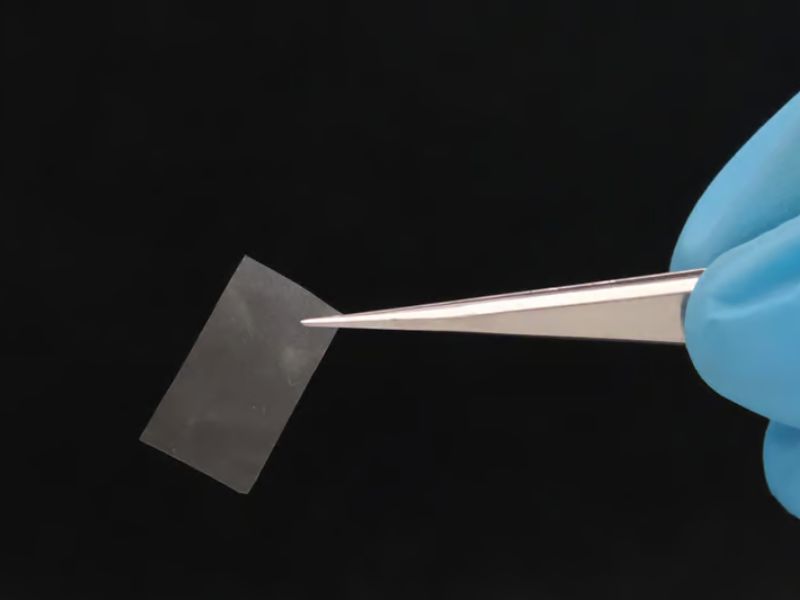
    This thin mycelial film is almost transparent, has good tensile strength, and could be used as a living bioplastic
    EMPA

    Researchers have been using fungi to create innovative materials, such as fire-resistant insulation for buildings and even 3D-printed batteries.

    A New Approach to Mycelium-Based Materials

    Now, one of the scientists involved in this line of research, Dr. Gustav Nyström, along with Ashutosh Sinha from the Swiss Federal Laboratories for Materials Science and Technology (EMPA), have discovered a new way to harness the unique properties of mycelium — the thread-like structure of fungi. They’ve developed a material that keeps living cells within its structure, making it biodegradable and capable of helping to break down waste. And yes, it’s edible too.

    For this study, the researchers chose a specific strain of Schizophyllum commune, a fungus that commonly grows on dead wood. Rather than using only the mycelium, as researchers typically do, they worked with the entire fungus. This strain produces two macromolecules with unique characteristics: one gathers at the interface between non-mixing liquids, and the other forms nanofibers that are extremely long relative to their sub-nanometer thickness.

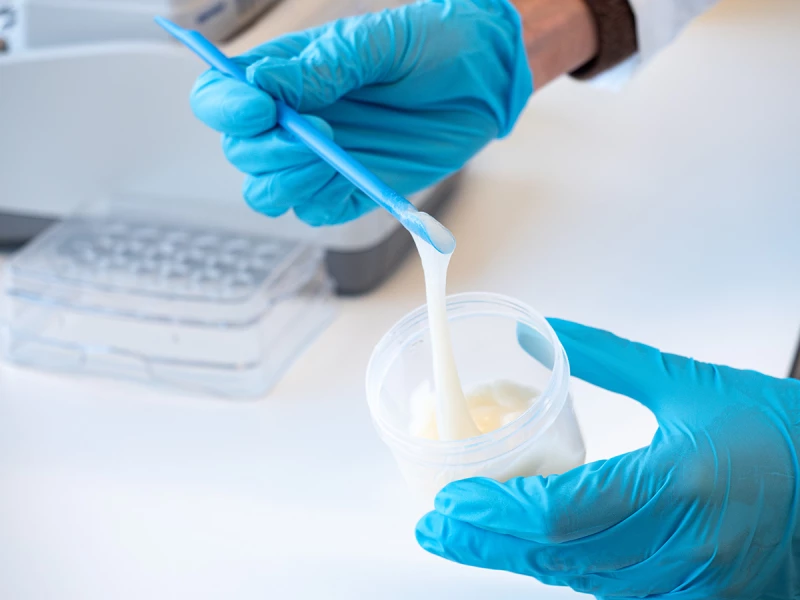
    Thanks to the mycelial fibers’ auxiliary molecules, they are good natural emulsifiers – and they’re safe to eat too
    EMPA

    With these properties, the researchers developed a stable, edible emulsion with potential applications in preserving food and cosmetics, or enhancing their texture.

    But the possibilities go further: the researchers can also use the material to produce biodegradable moisture sensors and fungal-based batteries, which they could safely deploy in natural environments.

    The film reacts reversibly to moisture and could be used for bio-based humidity sensors
    EMPA

    The researchers also created a thin, high-strength film that resists tearing even when stretched or subjected to heavy loads. Since mycelium naturally breaks down organic matter, they could use it to produce “living” bags for disposing of organic waste.”Instead of using compostable bags, we could have bags that actually decompose the organic waste themselves,” Sinha explained.

    Reducing Waste and Environmental Impact

    This innovation could help accelerate the processing of food waste in urban areas and make organic waste disposal safer.In developing countries like India, people commonly use non-biodegradable plastic bags to dispose of trash.These bags stay in the soil for decades, and cows and other animals foraging through garbage often eat them. A more sustainable bag would offer a much-needed alternative.

    The researchers published their study in Advanced Materials in February.With any luck, we’ll soon see more practical and commercial applications for this living, versatile material.


    Read the original article on: New Atlas

    Read more: Spacetop Offers A Vast Virtual Workspace Right In Front Of your Eyes

  • New Spongy Material Harvests Drinkable Water from Air in Emergency Situations

    New Spongy Material Harvests Drinkable Water from Air in Emergency Situations

    This spongy composite material made of porous balsa wood, lithium chloride, and iron oxide nanoparticles, can capture water from the air fairly efficiently
    Xingying Zhang

    One of the major challenges in disaster relief is ensuring the availability of clean drinking water for those affected. Researchers from RMIT University in Australia, along with five Chinese institutes, have developed a clever and simple solution: a device that extracts potable water from the air.

    Innovative Material for Water Extraction

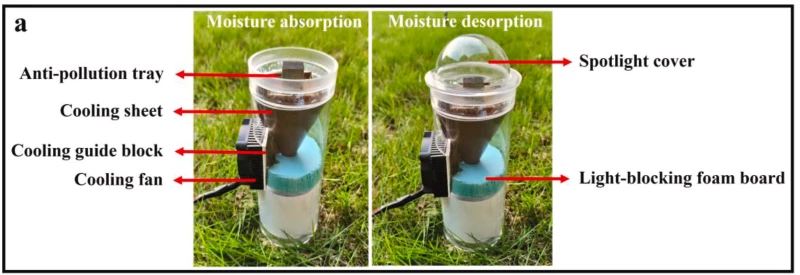
    The team created an innovation that utilizes a newly developed composite material made from lightweight, porous balsa wood, which they shape into small cubes. They place these cubes in a cup with a domed lid, a basic cooling mechanism, and a solar-powered activation system.

    Researchers enhanced the spongy material, named WLG-15, with lithium chloride to boost water absorption and iron oxide nanoparticles that help the sponge absorb sunlight and turn the moisture into vapor.These nanoparticles also assist in releasing the water from the material.

    A closer look at the different parts of the air-to-water device
    Image provided by the researchers

    The device operates simply: when the lid is open, the WLG-15 material absorbs moisture from the surrounding air. When the lid closes under sunlight, the material releases water into the cup.he domed lid triggers solar evaporation and helps collect the released water, while a cooling system—comprising a heat sink, cooling plate, and fan powered by solar energy—supports condensation within the device.

    Impressive Efficiency in Lab Conditions

    In lab conditions, the device absorbed about 2 milliliters of water per gram of WLG-15 material at 90% relative humidity, releasing nearly all of it within 10 hours of exposure to sunlight. Although this amount may seem modest, the material’s small size and light weight suggest that larger configurations or multiple devices could yield more water.

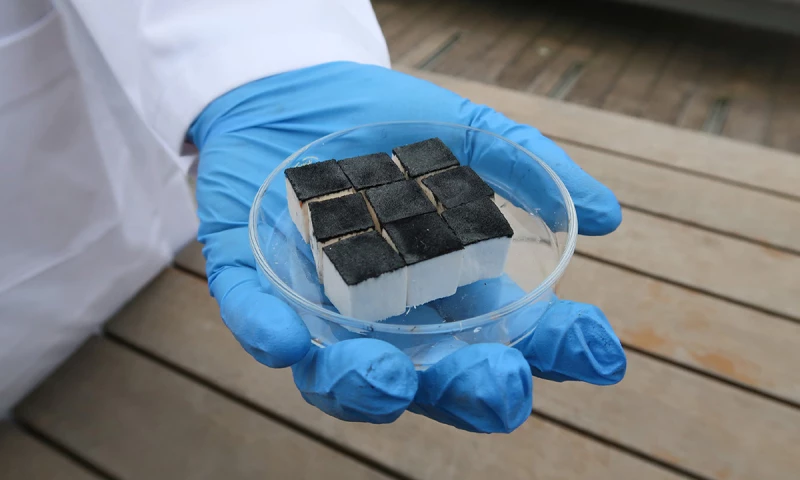
    For context, nine small sponge cubes (each weighing less than a gram) can produce about 15 milliliters of water. The researchers published their findings in the Journal of Cleaner Production in March.

    Nine tiny blocks of WLG-15 can effectively capture and condense 0.5 fl oz of water into a cup over the course of several hours
    Shu Shu Zheng / RMIT University

    The team claims that this method is more efficient than existing techniques like fog harvesting and radiative cooling and is less costly, thanks to the use of readily available and inexpensive balsa wood. In larger systems, it could potentially serve as a portable water harvesting solution for emergency situations in disaster-stricken areas, with solar energy powering the cooling process.

    Durability and Reusability in Harsh Conditions

    Dr. Junfeng Hou from Zhejiang A&F University, who collaborated with RMIT’s team, emphasized that WLG-15 retains its functionality even after storage in sub-zero temperatures for weeks. It can be reused multiple times without a significant drop in efficiency, making it suitable for real-world applications like water collection in remote or arid areas.

    While you might have encountered commercially available atmospheric water generators (AWGs), which promise faster and larger-scale water extraction, they rely on significant electricity to condense water from the airIn many water-scarce regions, limited access to a stable electricity supply makes it challenging to power these machines.Though solar-powered AWGs exist, they come with higher costs and complexities.

    Aquaria says its Hydropack system can produce up to 132 gallons of water from air per day, but it requires electricity and costs over US$17,000
    Aquaria

    Additionally, AWGs are most effective in areas with over 60% humidity, which may not be the case in many water-deprived regions. Furthermore, these systems are expensive to purchase and maintain, requiring specialized expertise and custom parts. As a result, while AWGs may work, they may not be practical for widespread use in areas with limited resources.

    In contrast, the researchers have utilized AI to predict the performance of their device under various environmental conditions, and this technology could help them develop more efficient water-harvesting materials. The team is now working to partner with industry players for pilot production and field testing of the material.

    RMIT University recently developed a super-strong material based on sea sponges, which could be used to build more durable structures.


    Read the original article on: New Atas

    Read more: Mass Production of Floating Nuclear Plants for US Coast

  • Breakthrough Imaging Technique Sheds Light on Nanoscale Photocatalysis

    Breakthrough Imaging Technique Sheds Light on Nanoscale Photocatalysis

    Credit: DICP

    Photocatalysis—the process by which light drives chemical reactions—has long been hailed as a promising route toward clean energy and environmental remediation. Yet, the fine details of how these reactions unfold at the microscopic level, particularly at the interface between a solid catalyst and a liquid electrolyte, have remained elusive—until now.

    In a groundbreaking study published in the Journal of the American Chemical Society, researchers led by Prof. Fan Fengtao and Prof. Li Can at the Dalian Institute of Chemical Physics (DICP) of the Chinese Academy of Sciences unveiled a novel method for directly measuring surface charges and electric fields at the nanoscale during photocatalytic reactions in liquid environments.

    Cracking the Code of Charge Dynamics

    Typically, photocatalysis unfolds in three stages: light absorption, charge separation and transfer, and chemical reaction. While previous research has heavily focused on charge transport within solid catalysts, the role of surface charges at the solid-liquid interface—where the actual reaction takes place—has been less understood, largely due to the difficulty of measuring such dynamics in situ.

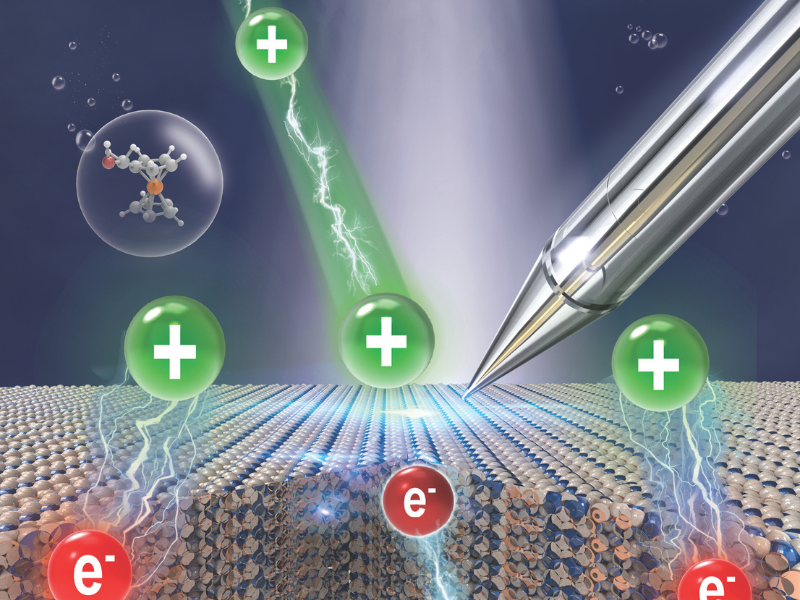
    To address this, the DICP team used a charged probe to isolate electrostatic interactions from other long-range forces. As a result, they were able to map the electric field distribution in the electrical double layer—a critical region at the catalyst-electrolyte interface. This breakthrough enabled the first direct measurements of surface potential and photovoltage under actual operating conditions.

    A New Force Driving Reactions

    One of the most significant findings was the identification of an additional driving force in photocatalytic reactions. Surface charges, the researchers found, actively pull photogenerated electrons toward the catalyst surface, thereby enhancing the efficiency of charge transfer and, consequently, the overall reaction rate.

    Using BiVO₄ (bismuth vanadate) particles as a model catalyst, the team showed how changes in pH influence local surface potentials, offering micro- to nanoscale resolution. They linked these measurements to the rate of oxygen evolution reactions, confirming that surface electric fields induced by charge accumulation are key to improving reaction efficiency.

    Visualizing the Full Charge Transfer Pathway

    The team also successfully visualized the entire charge transfer journey—from the space charge region inside the semiconductor to the surface sites where the chemical reactions occur. As a result, they identified the optimal pH range for achieving effective spatial separation of electrons and holes, a critical requirement for high-performance photocatalysis.

    A New Platform for Photocatalyst Design

    “This imaging framework provides a powerful new platform to directly measure surface potential and reaction currents under realistic conditions,” said Prof. Fan. “It gives us a window into how photocatalytic reactions actually happen at the nanoscale.”

    Prof. Li echoed the importance of the findings: “Our work offers valuable insights into one of the most persistent challenges in photocatalysis and opens new pathways for the design of more efficient photocatalysts and optimization of reaction environments.”

    The Future of Clean Energy Catalysis

    As the field of photocatalysis evolves, innovations like this are essential for unlocking its full potential—from artificial photosynthesis and solar fuel generation to water purification and green chemical manufacturing.

    With this novel imaging approach, scientists now have a clearer lens on how quantum-level interactions influence real-world chemical transformations—bringing the world one step closer to harnessing light to power the future.


    Read the Original Article: Phys.org

    Read more: Another Turbine World Record – But This Time, Not By China

  • AI develops an ultra-light carbon nanomaterial with the strength of steel.

    AI develops an ultra-light carbon nanomaterial with the strength of steel.

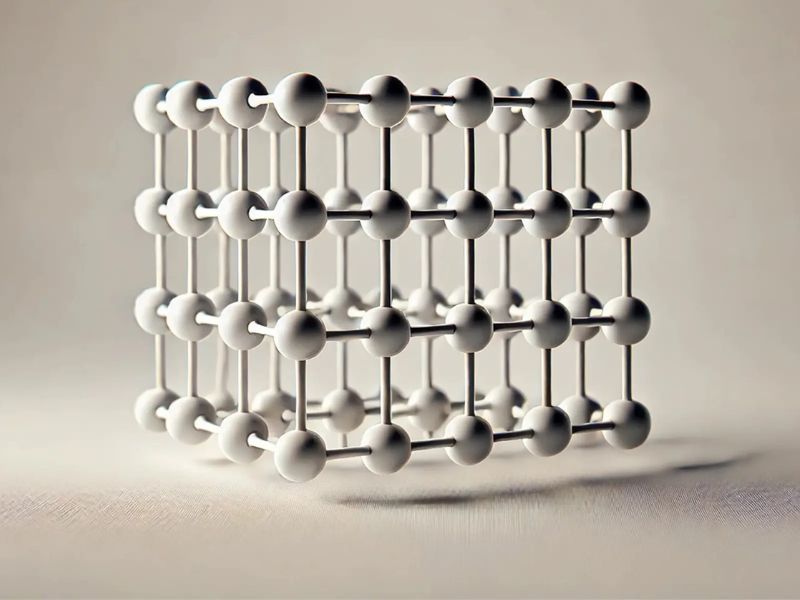
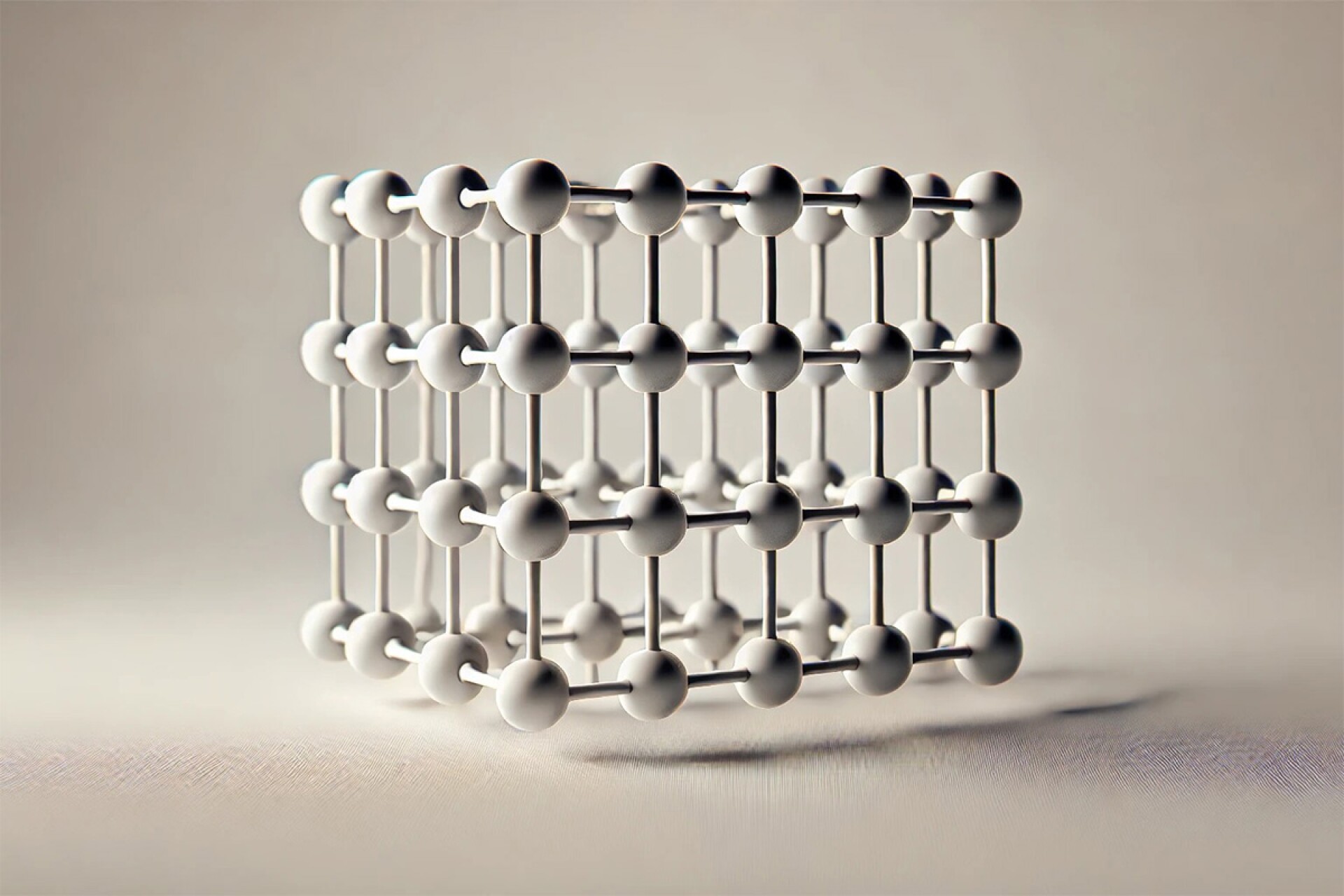
    A machine learning algorithm was used to optimize nano-architected materials for the first time, resulting in a surprisingly strong yet light material
    DALL-E

    By leveraging machine learning, a Canadian research team has developed ultrahigh-strength carbon nanolattices that rival the strength of carbon steel while remaining as lightweight as Styrofoam.

    Last month, the team emphasized that AI had, for the first time, optimized nano-architected materials.Peter Serles from the University of Toronto, a co-author of the study published in Advanced Materials, emphasized the AI’s ability to go beyond replicating existing designs. “It didn’t just mimic successful geometries from the training data,” he explained. “It learned what modifications improved the shapes and what didn’t, allowing it to predict entirely new lattice geometries.”

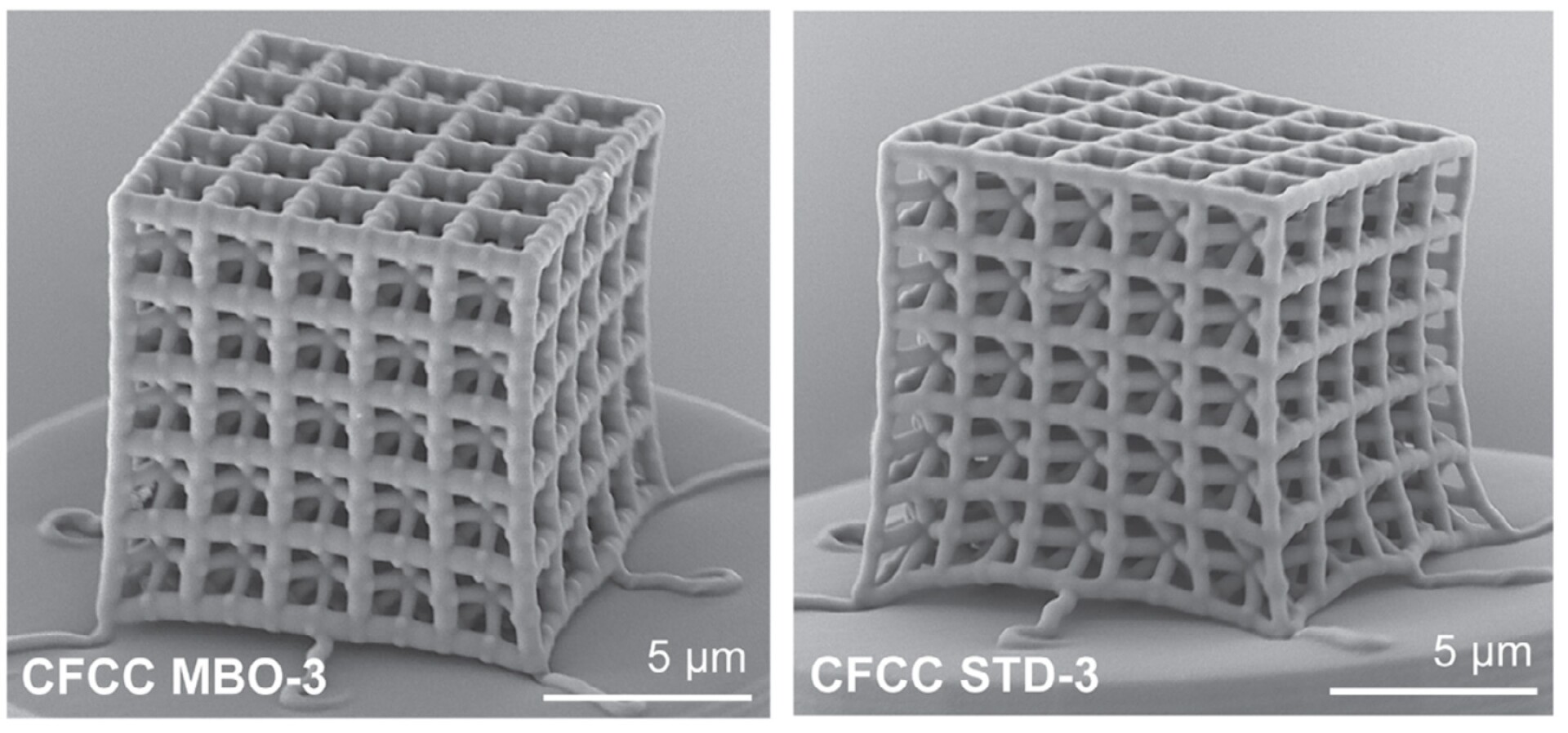
    Close-ups of the nanomaterial lattic designs from a field emission scanning electron microscope
    University of Toronto

    Nanomaterial design involves precisely arranging atoms or molecules, similar to assembling tiny LEGO structures.Their nanoscale dimensions often give them unique properties. These materials take the form of lattices—ordered, repeating three-dimensional structures that influence their physical, chemical, and electronic characteristics.

    AI-Driven Design and Advanced Manufacturing Techniques

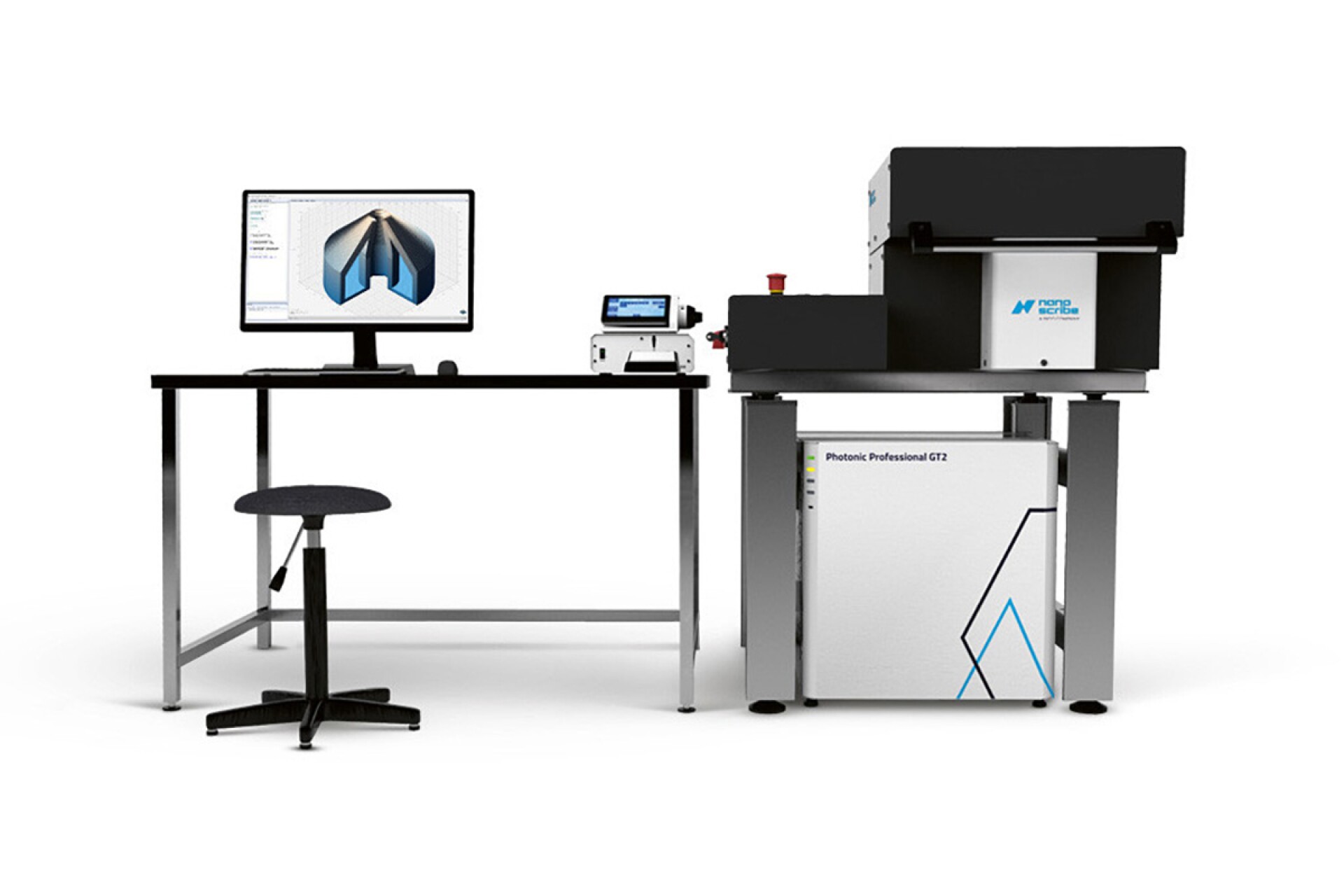
    This Nanoscribe Photonic Professional GT2 can print nanoscale material prototypes, and it’s as expensive as you might expect
    Nanoscribe

    Working with researchers in South Korea, the team applied a multi-objective Bayesian optimization machine learning algorithm to predict the best lattice geometries. The goal was to enhance stress distribution and improve the material’s strength-to-weight ratio. To bring these designs to life, they used a two-photon polymerization 3D printer, specifically the high-resolution Nanoscribe Photonic Professional GT2—an advanced machine costing hundreds of thousands of dollars.

    The resulting nanolattices proved remarkably strong, enduring five times more stress than titanium while remaining lightweight. This breakthrough opens the door for applications in aerospace manufacturing. According to Serles, replacing titanium components in aircraft with this material could save approximately 80 liters of fuel per year for every kilogram swapped out.

    An ultralight carbon nanolattice consisting of 18.75 million lattice cells resting on a bubble
    University of Toronto

    Looking ahead, the team aims to push the limits even further by creating even stronger, less dense materials. They are also exploring cost-effective manufacturing methods to make large-scale production feasible.


    Read Original Article: New Atlas

    Read More: Risk of 2032 Asteroid Impact Reduced: Key Details You Should Know

  • Watch: First-Ever Nanoscale Video of Hydrogen and Oxygen Atoms Forming Water

    Watch: First-Ever Nanoscale Video of Hydrogen and Oxygen Atoms Forming Water

    We all know the basic equation: hydrogen plus oxygen equals water. Now, scientists have taken it a step further, capturing the very first molecular-scale video of this iconic reaction. This breakthrough could ultimately pave the way for innovative methods to produce large quantities of drinking water.
    Image from Pixabay

    We all know the basic equation: hydrogen plus oxygen equals water. Now, scientists have taken it a step further, capturing the very first molecular-scale video of this iconic reaction. This breakthrough could ultimately pave the way for innovative methods to produce large quantities of drinking water.

    Palladium, a rare element, is a highly effective catalyst for converting hydrogen and oxygen gas into water, but the details of its reaction process have remained elusive. To gain insight, a team from Northwestern University employed an advanced technique, allowing them to observe the reaction in precise molecular detail.

    They placed palladium samples within nanoreactors, designed like tiny honeycombs, and sealed in an ultra-thin glass membrane. When the gases were introduced, the reaction was monitored using high-vacuum transmission electron microscopes.

    Hydrogen Atoms Penetrate Palladium, Expanding the Metal and Forming Tiny Water Bubbles

    With this powerful new perspective, the team observed that hydrogen atoms penetrate the palladium, causing the metal to expand as its atoms shift apart. Even more exciting, they watched tiny water bubbles form on the palladium’s surface.

    We think this may be the smallest bubble ever observed directly,” explained Yukun Liu, the study’s lead author. “It wasn’t what we expected, but luckily, we recorded it to prove we weren’t imagining things.”

    Nano-sized bubble of water forms out of thin air

    The resulting video provides an unprecedented nanoscale view of this reaction we all learned about in school. Beyond its visual appeal, the study has potential practical applications.

    Through further testing, the team discovered the most efficient sequence for water production on palladium: introducing hydrogen first, followed by oxygen, led to the quickest reaction. Hydrogen atoms enter the palladium, then combine with oxygen on the surface to create water.

    This breakthrough could inspire scalable methods for water generation. One potential application could involve loading palladium sheets with hydrogen, placing them on spacecraft, and producing drinking water by simply adding oxygen as needed.

    Palladium might seem expensive, but it’s recyclable,” noted Liu. “Our process doesn’t consume the palladium itself. Only the gas is consumed, and hydrogen is the most abundant element in the universe. After the reaction, the palladium platform can be reused repeatedly.”

    While this technology is still a long way from practical application, it holds promise for future on-demand water generation systems, addressing a vital need both on Earth and potentially beyond.


    Read Original Article On: New Atlas

    Read More: Scitke

  • Sunlight Converts CO2 and Methane into Valuable Chemicals

    Sunlight Converts CO2 and Methane into Valuable Chemicals

    Drawing inspiration from natural photosynthesis, scientists have developed a technique that uses sunlight to convert two major greenhouse gases into valuable chemicals for fuel and industrial applications. Researchers from McGill University have created a novel process called photo-driven oxygen-atom-grafting.
    Scientists use a blueprint of photosynthesis to produce greener, renewable products
    McGill University

    Drawing inspiration from natural photosynthesis, scientists have developed a technique that uses sunlight to convert two major greenhouse gases into valuable chemicals for fuel and industrial applications. Researchers from McGill University have created a novel process called photo-driven oxygen-atom-grafting.

    This method employs gold, palladium, and gallium nitride as catalysts to transform carbon dioxide and methane into carbon monoxide and green methanol when exposed to sunlight.

    Potential Applications and Impact

    Imagine if the emissions from vehicles or factories could be turned into clean fuel, everyday plastics, and energy storage just by using sunlight,” said Hui Su, co-first author from McGill’s Department of Chemistry. “This new chemical process makes that possible.”

    The Process and Its Benefits

    The process removes an oxygen atom from carbon dioxide and attaches it to a methane molecule to create green methanol. Despite challenges like high flammability and larger fuel tanks, this methanol cuts CO2 emissions by 60-95% compared to traditional fuels, and it is scalable, adaptable to carbon capture, and not reliant on fossil fuels.

    Additionally, researchers produce carbon monoxide as a byproduct. Despite its toxic nature, they are investigating its potential benefits for treating inflammation, acute lung injury, sepsis, and aiding organ transplants.

    Advantages of the New Method

    By harnessing the sun’s energy, we can recycle greenhouse gases into valuable products,” said Chao-Jun Li, the lead author and professor at McGill University. “This method operates at room temperature and does not require the high temperatures or harsh chemicals used in other reactions.”

    Innovation and Sustainability

    Similar to how plants use sunlight to convert CO2 and H2O into energy and oxygen, this innovative technique utilizes abundant resources to achieve a similar effect. Although the catalysts used are not inexpensive, they are durable enough for continuous photo-driven reactions.

    This advancement represents a significant step toward Canada’s goal of net-zero emissions by 2050, turning an environmental issue into an opportunity for a sustainable future,” added Jing-Tan Han, co-first author and PhD student in Chemistry.


    Read the original Article: New Atlas

    Read more: Scientists Boost Crop Yields with CO2-Capturing Rock Dust on Fields

  • A Simple Method Removes Over 98% of Nanoplastic Particles from Water

    A Simple Method Removes Over 98% of Nanoplastic Particles from Water

    Microplastics have been discovered in the Arctic sea and even trapped in the ice. The Mariana Trench, the deepest part of the ocean, is contaminated with plastic debris, and Mount Everest has also been found to have microplastic pollution.
    A new technique can remove nanoplastics from water – and under pretty lights, it sure looks cool
    Sam O’Keefe via University of Missouri

    Microplastics have been discovered in the Arctic sea and even trapped in the ice. The Mariana Trench, the deepest part of the ocean, is contaminated with plastic debris, and Mount Everest has also been found to have microplastic pollution.

    Our drinking water and food, particularly processed items in single-use packaging, contain microplastics. Recent research has detected microplastics in human blood, lungs, liver, and kidneys, and even in the placentas of unborn babies.

    New Findings on Microplastics and Human Health Risks

    Studies on the harmful health effects of microplastics in the human body are only now emerging. Evidence is beginning to link microplastics to respiratory, gastrointestinal, endocrine, developmental, and reproductive issues, as well as cancers.

    Micro and nanoplastics are pervasive, but researchers from the University of Missouri have developed a relatively simple and safe method to remove over 98% of nanoplastic particles from water.

    Gary Baker inspects a new solution to remove nanoplastics from contaminated water
    Sam O’Keefe via University of Missouri

    Innovative Solvent Technique for Nanoplastic Removal

    Researchers used non-toxic, hydrophobic natural ingredients to create a liquid solvent that floats on water like oil. When mixed with water and then allowed to separate again, this solvent rises to the surface, bringing over 98% of nanoplastic contaminants with it.

    The solvent can then be easily skimmed off, along with the contaminants. Due to its hydrophobic properties, there’s minimal risk of leaving behind any eutectic solvent contamination.

    Our approach uses a small amount of specially designed solvent to capture plastic particles from a large volume of water,” explains Gary Baker, an associate professor in the Department of Chemistry at Mizzou.

    At present, the full capacity of these solvents isn’t fully understood. In future research, we plan to determine the solvent’s maximum capacity and explore ways to recycle it for reuse multiple times if needed.”

    Decanoic Acid and Tetraalkylammonium Bromide ([N4444]Br). This diagram shows how the solution mixes with water before floating back to the top carrying up all the nanoplastics with it 
    Sam O’Keefe via University of Missouri

    Existing Methods for Microplastic Removal from Drinking Water

    We currently have several methods to remove microplastics from drinking water, depending on their size. Basic activated carbon filters, such as those in Brita systems, aren’t specifically designed to remove microplastics but are relatively effective at filtering out particles larger than five microns.

    Multi-stage sediment filters with a one-micron pore size work well for this purpose. Reverse osmosis, which forces water through pores as small as one ten-thousandth of a micron, is among the best techniques for eliminating all types of contaminants from water, although these systems can get clogged and require regular maintenance.

    Distillation is nearly 100% effective at removing microplastics, but it also removes beneficial minerals that our bodies need.

    This new method provides another tool for removing microplastics and is effective in both fresh and seawater.


    Read the original article on: New Atlas

    Read more: Semi-transparent Solar Cell Achieves Groundbreaking Energy Conversion rates

  • Are There More Elements in the Periodic Table?

    Are There More Elements in the Periodic Table?

    Credit:Freepik

    The periodic table, as we know it today, contains all the elements discovered or synthesized and confirmed till now. However, the quest for new elements is an ongoing scientific endeavor. Here’s a look at the current status and potential future additions:

    Current Status

    1. Known Elements: The periodic table currently has 118 confirmed elements, ranging from hydrogen (with 1 proton) to oganesson (with 118 protons).
    2. Recent Additions: Elements 113 (Nihonium), 114 (Flerovium), 115 (Moscovium), 116 (Livermorium), 117 (Tennessine), and 118 (Oganesson) added in recent years after synthesized in laboratories and confirmed through rigorous experimentation.

    Potential Future Additions

    1. Ununseptium and Beyond: Scientists continue to work on synthesizing new elements with atomic numbers greater than 118. These superheavy elements are part of ongoing research in nuclear physics.
    2. Stability and Synthesis: The challenge with creating new elements is their instability. Many superheavy elements have very short half-lives, decaying almost immediately after their creation. Researchers hope to find an “island of stability” where new elements might have longer half-lives.

    Experimental Techniques

    1. Particle Accelerators:Used to smash lighter nuclei together to create heavier elements.
    2. Heavy Ion Collisions: These collisions are critical in attempting to create new, superheavy elements.

    Future Discoveries

    1. Periodic Table Expansion: As new elements discovered and confirmed, the periodic table will expand. These elements might exhibit new properties and lead to advancements in science and technology.
    2. Naming Conventions: Newly discovered elements receive temporary systematic names until their discovery confirmation, and a permanent name agreed upon by the scientific community.

    While the periodic table currently lists all known elements, scientific advancements may lead to the discovery of new elements. Adding these future elements to the table, expanding our understanding of chemistry and the fundamental building blocks of the universe. For more information, you can visit reliable scientific sources such as the Applied Chemistry (IUPAC) or academic journals on nuclear physics and chemistry.


    Read more The First Application of a Swedish Quantum Computer to Chemistry has Taken Place

  • Diamonds Produced at Standard Pressure in Only 15 Minutes

    Diamonds Produced at Standard Pressure in Only 15 Minutes

    Diamonds are typically formed under extreme pressure and temperature, contributing to their high value. However, scientists have now succeeded in creating diamonds in a lab at normal pressure in just 15 minutes.
    Scientists in South Korea have developed a new way to grow diamonds in the lab in minutes, under normal pressure levels
    Depositphotos

    Diamonds are typically formed under extreme pressure and temperature, contributing to their high value. However, scientists have now succeeded in creating diamonds in a lab at normal pressure in just 15 minutes.

    Under extreme pressure and temperature, carbon atoms crystallize into a specific structure, essentially forming diamonds. On Earth, the necessary conditions for this process occur deep in the mantle, hundreds of miles below the surface.

    Volcanic eruptions later transport diamonds closer to the surface, contributing to their rarity. This rarity, combined with some of the most cunning marketing tactics in history, has made diamonds highly coveted.

    Revolutionizing Diamond Synthesis

    Scientists have been growing diamonds in labs for decades, typically requiring extreme conditions—nearly 50,000 atmospheres of pressure and temperatures around 1,500 °C (2,732 °F). However, a new technique has now produced diamonds under normal pressure and lower temperatures.

    Developed by researchers from the Institute for Basic Science (IBS) and the Ulsan National Institute of Science and Technology (UNIST) in South Korea, this new method synthesizes diamonds using a liquid metal alloy of gallium, iron, nickel, and silicon.

    Within a 9-L (2.4-gal) tank, researchers subject this metal mixture to methane and hydrogen gas at a temperature of 1,025 °C (1,877 °F).

    After 15 minutes, they eliminate the gas from the system, resulting in a diamond film at the bottom that they can easily separate for further examination or immediate application.

    Typically, synthetic diamond techniques require “seed particles” for the initial carbon atoms to attach to and grow into a diamond.

    Facilitating Carbon Atom Clustering in Diamond Synthesis

    However, in this method, the trace amounts of silicon in the liquid metal appear to facilitate the clustering of carbon atoms, resulting in a very pure diamond. While other metals in the alloy can be varied, silicon seems to be essential to the process.

    The researchers now plan to explore other liquid metal alloys, gases, and even solid carbons to determine their effectiveness in diamond synthesis. Although it’s unlikely that we’ll be wearing diamonds grown in liquid metal vats soon, these diamonds could initially be used in industrial applications.


    Read the original article on: New Atlas

    Read more: The Weight of the Largest Gold Nugget Ever Discovered Equaled That of a Grown Man