

One of the biggest hurdles in plastic recycling is the sheer variety of plastics that end up in waste streams. Because of their different compositions, these materials need to be separated before processing—a step that is both costly and time-consuming, even with advanced technology. This requirement significantly reduces the efficiency of recycling systems.
A Catalyst to Simplify the Process
Scientists at Northwestern University in Illinois may have found a way to largely eliminate this obstacle. The researchers developed a low-cost catalyst that selectively breaks down the most common single-use plastics into liquid oils and waxes, which they can then upgrade into fuels and lubricants.
Tobin Marks, senior author of the study published this week in Nature Chemistry, highlighted the breakthrough: Our new catalyst could bypass this costly and labor-intensive step for common polyolefin plastics, making recycling more efficient, practical and economically viable than current strategies.
The Scale of the Polyolefin Problem
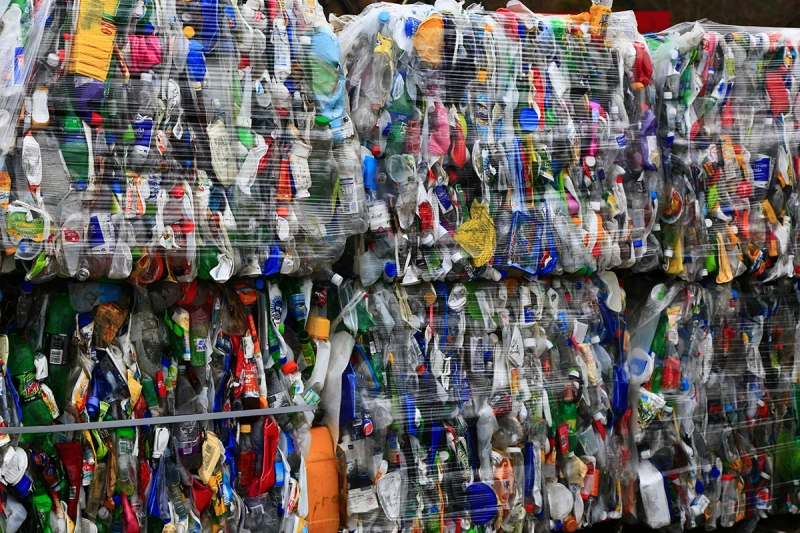
Polyolefins—used in trash bags, plastic wrap, squeeze bottles, and other disposable packaging—represent one of the most widely produced plastics, with over 220 million tons manufactured worldwide each year. Recycling systems recover only 1% to 10% of these plastics, partly because they resist breakdown so strongly.
Nareeta Martin on Unsplash
The team’s nickel-based catalyst, designed with a single active site, targets carbon-carbon bonds in branched polyolefins, enabling selective degradation for easier repurposing. This is a major achievement, as co-author Yosi Kratish pointed out: Polyolefins don’t have any weak links. Every bond is extremely strong and chemically unreactive.
Key Advantages of the New Method
The catalyst is also notable for working at lower temperatures and using less hydrogen, while remaining stable even in the presence of polyvinyl chloride (PVC). Normally, PVC contamination makes recycling batches unusable, but in this case, it actually accelerated the catalyst-driven reaction.
With global plastic production projected to rise dramatically—from 464 million tons in 2020 to nearly 884 million tons by 2050—this innovation could play a vital role in scaling up recycling efforts worldwide.
Read the original article on: New Atlas
Read more: Researchers Flag 4,200 Harmful Plastic Chemicals, Urge Safer Alternatives


