Tag: Aging

  • 10,000 Brain Scans Explain How Aging Impairs Memory

    10,000 Brain Scans Explain How Aging Impairs Memory

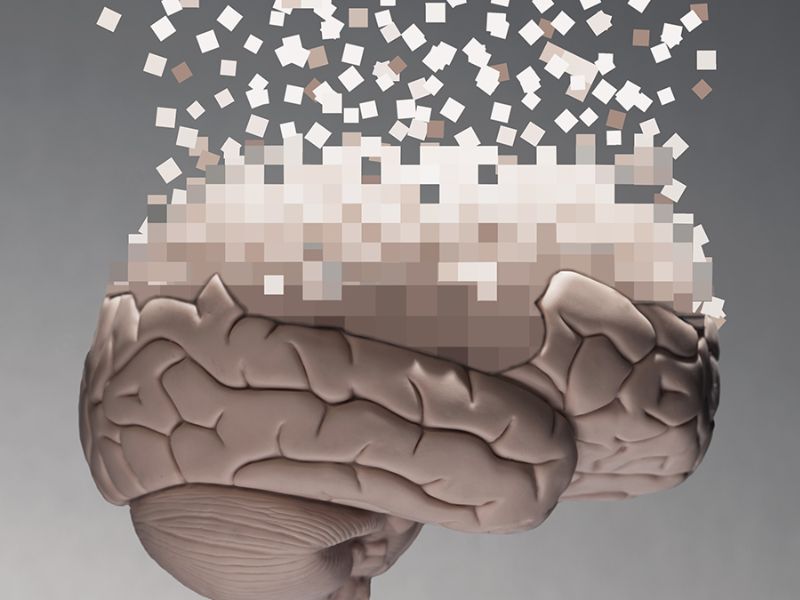
    Episodic memory—the ability to remember personal experiences and past events—tends to weaken with age. While this decline is well documented, the underlying mechanisms have long been unclear. A recent study helps shed light on how and why this process occurs.
    Image Credits:(PM Images/Stone/Getty Images)

    Episodic memory—the ability to remember personal experiences and past events—tends to weaken with age. While this decline is well documented, the underlying mechanisms have long been unclear. A recent study helps shed light on how and why this process occurs.

    A team at the University of Oslo studied whether age-related memory loss is universal or influenced by individual risk factors like the APOE ε4 gene.

    A Massive, Multi-Cohort Research Effort

    Their analysis was notable for its scale. The researchers analyzed data from 3,737 healthy adults, including 10,343 MRI scans and 13,460 memory tests from multiple long-term studies.

    By pooling data from dozens of cohorts, researchers have created the most detailed view yet of how age-related brain changes affect memory, says neurologist Alvaro Pascual-Leone.

    Image Credits:The researchers looked for links between brain structural changes and memory decline. (Vidal-Piñeiro et al., Nat. Commun., 2025)

    The findings revealed a nuanced pattern. Although the hippocampus—a region crucial for learning and memory—played a prominent role, as anticipated, declines in memory could not be attributed to changes in any single brain region alone.

    Decreases in brain tissue volume were associated with poorer episodic memory, a predictable result, but this relationship varied considerably. The link became more pronounced with advancing age, particularly after 60, and was strongest among individuals experiencing faster-than-average brain shrinkage.

    The Impact of APOE ε4 on Brain Shrinkage and Memory

    Participants carrying the APOE ε4 gene showed a more rapid reduction in brain tissue volume and a steeper decline in memory than others, though the overall progression followed a similar course.

    According to Alvaro Pascual-Leone, cognitive and memory decline are not merely inevitable outcomes of aging, but reflect a combination of individual susceptibility and age-related biological processes that facilitate neurodegeneration and disease.

    The results generate new questions while also providing important insights. Overall, they suggest memory decline is closely linked to aging, with brain changes becoming increasingly important over time.

    The findings also carry implications for efforts to slow or prevent memory loss. Effective treatments will likely need to address multiple brain regions and may offer the greatest benefit if introduced early. Encouragingly, the same therapies may work for people with or without the APOE ε4 gene due to shared underlying biology.

    Memory Decline Is Shaped by Multiple Interacting Factors

    Evidence is mounting that memory loss later in life is shaped by a range of interacting factors within broader cognitive functioning. As researchers deepen their understanding of these influences, opportunities to manage and mitigate decline improve.

    Alvaro Pascual-Leone notes that memory decline reflects broad, long-term brain vulnerability rather than a single region or gene, and understanding this could help identify at-risk individuals and develop targeted strategies to preserve cognitive health.


    Read the original article on: Sciencealert

    Read more:Russian Scientists Test a Plasma Engine that could Shrink Mars Travel to 30 Days

  • Scientists Have Grown Human Skin in The Lab and may be Close to Stopping Aging

    Scientists Have Grown Human Skin in The Lab and may be Close to Stopping Aging

    This advancement could pave the way for techniques to reduce visible aging and produce synthetic skin for transplantation. It is tied to the ambitious Human Cell Atlas initiative, which aims to map the formation of every part of the human body.
    Image Credits: ccb.med.br

    This advancement could pave the way for techniques to reduce visible aging and produce synthetic skin for transplantation. It is tied to the ambitious Human Cell Atlas initiative, which aims to map the formation of every part of the human body.

    Spearheaded by researchers at the Wellcome Sanger Institute in the UK, the project explores how cells evolve from the embryonic phase to adulthood. Gaining control over skin development could not only slow aging but also support disease treatment and tissue repair.

    How Stem Cells Transform Into Skin

    Following fertilization, all human cells start out identical. Around three weeks later, certain genes within stem cells begin to activate, guiding them to specialize into different tissues. For skin development, researchers pinpointed the specific genes responsible for creating the outer layer, pigmentation, and other key components.

    Their findings, published in Nature, revealed that small sections of skin could be generated in the lab. By precisely switching genes on and off using chemical signals, the team successfully grew artificial skin from stem cells.

    The creation of lab-grown skin unlocks numerous possibilities. One major application could be its use in treating burn victims through advanced skin transplants.

    The research may also enable the regeneration of hair follicles, offering hope for reversing baldness.

    Toward Scar-Free Healing and Better Skin Treatments

    Additionally, this technology provides a valuable platform for studying genetic skin disorders and testing potential therapies. Scientists are also interested in replicating the scar-free healing seen in fetal skin, which could revolutionize surgical recovery.

    The Human Cell Atlas initiative has examined millions of cells across various organs, creating preliminary maps for systems like the brain and lungs. The upcoming stage aims to merge these separate atlases, providing deeper insight into how the human body functions.

    Sarah Teichmann, one of the project’s leaders, notes that these findings could transform our understanding of tissues and organs. Genetic blueprints for the development of additional body structures are set to be released soon, further revealing how humans are built.

    While much work remains, the findings so far are encouraging. Controlling cell development has the potential to transform disease therapies and tissue regeneration. The Human Cell Atlas project is steadily broadening our understanding of the human body, opening new avenues for regenerative medicine and anti-aging research.


    Read the original article on: Ccb Med Br

    Read more: Harvard Reverses Aging in Monkeys; Human Trials Coming soon

  • Immune Resilience Key to Healthy Aging

    Immune Resilience Key to Healthy Aging

    A study in Aging Cell links immune resilience to salutogenesis—the active promotion of health and well-being.
    Credit: Depositphotos

    A study in Aging Cell links immune resilience to salutogenesis—the active promotion of health and well-being.

    The researchers’ study on 17,500 individuals underscored the crucial role of immune resilience in the process of aging and longevity. Focusing on the TCF7 gene, the study shows its key role in immune cell regeneration, vital for long-term immune health. This resilience supports healthy aging and may enhance longevity by helping the immune system adapt and fight disease over time.

    Immune Resilience as a Shield: Slowing Aging and Reducing Mortality Risk

    The study shows that immune resilience helps counteract chronic inflammation, immune system deterioration, and cell death, which are major contributors to aging and mortality. This protective function slows biological aging and offers survival benefits. At age 40, individuals with low immune resilience face nearly 10 times the mortality risk of those with high immune resilience, roughly equivalent to the risk of a 55.5-year-old. This creates a 15.5-year survival gap.

    Preserving strong immune resilience helps maintain youthful immune function at any age, improves vaccine efficacy, and dramatically lowers the risk of cardiovascular disease, Alzheimer’s disease, and severe infections.

    The Midlife Advantage: Strengthening Immune Resilience to Maximize Longevity

    Midlife (ages 40-70) is key for extending lifespan, with immune resilience linked to a 69% reduction in mortality. After age 70, mortality rates between those with strong and weak immune resilience converge, suggesting biological limits on lifespan extension. These results emphasize the importance of strengthening immune resilience during early midlife to optimize healthspan.

    Immune Resilience as a Key to Healthy Aging: Study Highlights Role of TCF7 in Sustaining Immune Function

    While aging research often centers on disease, our study highlights immune resilience as a driver of salutogenesis—actively promoting health,” said senior author Dr. Sunil K. Analyzing data from 17,500 individuals, researchers found that genes like TCF7, CCR7, and LEF1 play a vital role in sustaining immune regeneration. Individuals with stronger T-cell activity linked to TCF7 showed greater long-term immune function.

    These findings suggest that immune resilience—driven by genes like TCF7, CCR7, and LEF1—not only protects against illness but also supports healthy aging and longevity by aiding healing, immune regeneration, and systemic balance.. Individuals with higher immune resilience exhibited stronger T-cell responses, better recovery from stressors, and more robust defense against age-related decline. This research underscores the importance of cultivating immune resilience as a proactive strategy for enhancing overall well-being and life span.

    This approach shifts focus from fighting disease to boosting the body’s natural ability to sustain health and longevity. Ahuja of UT Health San Antonio and the South Texas Veterans Health Care System. “This paves the way for new approaches to support lifelong well-being.”


    Read the original article on: MedicalPress

    Read more:https://scitke.com/researchers-uncover-genetic-changes-associated-with-autism-and-schizophrenia/

  • Rethinking Conventional Wisdom: Could Overactive Neurons Accelerate Aging?

    Rethinking Conventional Wisdom: Could Overactive Neurons Accelerate Aging?

    Credit: Pixabay

    Researchers at Nagoya University in Japan have found that age-related cognitive decline is more closely linked to excessive neuronal activation over time rather than a simple reduction in activity. Their study, published in Proceedings of the National Academy of Sciences, suggests that interventions—such as dietary changes—could help slow cognitive aging by limiting this hyperactivity.

    A healthy brain depends on well-connected neurons that communicate efficiently. Traditionally, scientists believed that cognitive decline stemmed from a gradual decrease in neuronal activity. However, this study challenges that assumption, emphasizing overactivation as a key contributor to neurological aging.

    In humans, certain neurons have been observed to become hyperactive with age. To explore the link between this phenomenon and cognitive decline, Associate Professor Kentaro Noma and his team conducted experiments on nematodes, a type of microscopic worm.

    Using Nematodes to Investigate Aging

    Head of the nematode C. elegans overlaid with red fluorescence of neurons. Credit: Kentaro Noma

    “We used Caenorhabditis elegans, a one-millimeter-long nematode with a two-week lifespan,” Noma explained. “These worms exhibit various behaviors controlled by their 302 neurons. Since C. elegans shares many genetic and neurological mechanisms with humans, we hypothesized that its cognitive aging process could provide insights into human brain function.”

    The researchers focused on C. elegans’ ability to learn through association, a behavior called thermotaxis. When raised in a food-rich environment at 23°C, the worms would later gravitate toward that temperature. However, when raised without food at 23°C, they avoided it—indicating learned behavior.

    “Our earlier research showed that C. elegans’ ability to learn declines with age, leading us to believe that neuronal activity weakens over time,” said Binta Maria Aleogho, the study’s first author. “However, our latest findings reveal that the activity of key learning-related neurons, AFD sensory neurons and AIY interneurons, remains largely unchanged with age.”

    Neuronal Hyperactivity and Aging

    Schematic of the head of an aged C. elegans in which hyperactive neurons interfere with proper migration to the previous culture temperature. Credit: Kentaro Noma

    To further investigate, the researchers selectively removed six types of neurons involved in associative learning. Unexpectedly, when they removed either AWC sensory neurons or AIA interneurons, aged nematodes regained their ability to perform thermotaxis.

    Further analysis revealed that AWC and AIA neurons become excessively active with age. “This hyperactivation disrupts normal neuronal networks, preventing proper thermotaxis behavior,” Noma explained.

    Importantly, the team discovered that modifying the worms’ diet reduced neuronal hyperactivity and preserved cognitive function. “If dietary changes can mitigate age-related neuronal overactivation in C. elegans, similar strategies might help slow brain aging in humans,” Noma suggested.

    “Our research shifts the focus from declining neuronal activity to the damaging effects of excessive activation,” Noma concluded. “We will continue studying C. elegans to uncover ways to counteract neuronal hyperactivity and improve brain function. Understanding these mechanisms could provide valuable insights into human cognitive aging.”


    Read Original Article: Scitechdaily

    Read More: Flagellar Motors: The Secret Behind Bacteria’s Nearly 100% Energy Efficiency

  • Why Preserving Muscle Mass Is Crucial for Healthy Aging

    Why Preserving Muscle Mass Is Crucial for Healthy Aging

    We all wish for a longer life—at least, I know I do—but what about ensuring that we enjoy good health during the time we have?
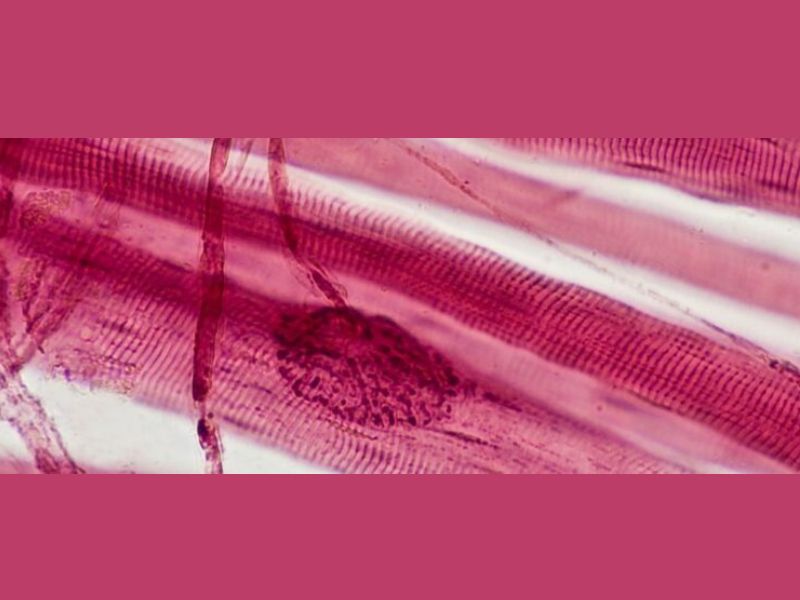
    Skeletal muscle fibers (multinucleated cells) with their nerve connections. (Ed Reschke/Stone/Getty Images)

    We all wish for a longer life—at least, I know I do—but what about ensuring that we enjoy good health during the time we have?

    Over the past century, human life expectancy has significantly increased for several reasons, particularly advances in sanitation, public health, nutrition, and medicine. These improvements have reduced mortality, especially among younger people, allowing more individuals to live longer.

    For instance, in 2021, Canadians had an average life expectancy of 81.6 years, marking an impressive 24.5-year increase since 1921. Projections indicate that by 2050, the population aged 85 and older will triple.

    While the rise in life expectancy is a remarkable achievement, it is essential to distinguish between lifespan—the total years of life—and healthspan—the years spent in good health. Today, older adults often experience prolonged periods of poor health, placing a significant strain on both individuals and public health systems.

    At an advanced age, the ability to maintain independence is critical to quality of life. Thus, it’s not enough to merely extend life; we must also extend the healthspan to match, reducing the gap between the two as much as possible.

    The idea of extending healthspan challenges the belief that age-related diseases are inevitable and untreatable.

    You can start at any time. (Natalia Blauth/Unsplash)

    The Role of Muscle in Extending Healthspan

    A major challenge for the aging population is the decline in muscle mass, strength, and function, known as sarcopenia. This condition can lead to reduced independence, metabolic disorders, and an increased risk of falls and fractures.

    Muscle plays a crucial role in posture, movement, and metabolism. It serves as a storage for glucose and lipids and helps regulate blood sugar. It also acts as a “buffer” of amino acids during times of stress, such as illness.

    Research shows that muscle health at the time of hospital admission can predict outcomes like ventilator-free days and mortality. Unfortunately, muscle loss begins around the age of 50, with a decline of about 1% in muscle mass and 3% in strength annually. Periods of inactivity, such as during illness or hospitalization, accelerate this decline.

    Even short-term reductions in physical activity—such as a few weeks of decreased walking—can lead to muscle loss, decreased strength, and worsened blood glucose control in older adults.

    (Nastasic/Canva)

    Maintaining Muscle Health with Age

    The good news is that muscle tissue is highly adaptable, responding to physical activity by growing stronger and shrinking when not used. This adaptability offers an opportunity to counteract muscle loss with regular exercise and proper nutrition.

    At McMaster University, my research team investigates how exercise and nutrition impact muscle health, with a focus on aging. Our findings show that even light resistance training can be effective in combating muscle loss, particularly when combined with a higher intake of protein.

    Older adults, in particular, require more protein than current guidelines suggest. Research from our lab recommends consuming 1.2 to 1.6 grams of protein per kilogram of body weight daily—up to 100% more than the current recommendation—derived from a mix of animal and plant-based sources.

    By engaging in consistent physical exercise and consuming adequate high-quality protein, you can enhance muscle health and close the gap between healthspan and lifespan. In doing so, you can maintain your independence and improve your quality of life as you age.


    Read Original Article: Science Alert

    Read More: Scitke

  • A Common Blood Pressure Medication Prolongs Lifespan and Delays Aging in Animals

    A Common Blood Pressure Medication Prolongs Lifespan and Delays Aging in Animals

    The blood pressure medication rilmenidine has shown potential to slow aging and extend lifespan in animal studies, raising the possibility of similar benefits for humans. If effective, it could promote longer, healthier lives without the challenges of extreme calorie restriction.
    Credit: Pixabay

    The blood pressure medication rilmenidine has shown potential to slow aging and extend lifespan in animal studies, raising the possibility of similar benefits for humans. If effective, it could promote longer, healthier lives without the challenges of extreme calorie restriction.

    Previous research revealed that rilmenidine mimics the effects of caloric restriction at a cellular level. Caloric restriction, which involves reducing energy intake while maintaining proper nutrition, has been proven to extend lifespans in several animal models. However, translating these findings to humans remains uncertain, as long-term caloric restriction poses health risks such as dizziness, brittle bones, and hair thinning. Researchers hope rilmenidine could offer similar benefits without these drawbacks.

    Study Highlights Rilmenidine’s Potential to Extend Lifespan and Boost Health in Worms

    A 2023 study treated young and old Caenorhabditis elegans worms—a popular research organism due to its genetic similarities to humans—with rilmenidine. The drug extended their lifespan and improved key health markers, much like the effects of caloric restriction. “For the first time, we have been able to show in animals that rilmenidine can increase lifespan,” said molecular biogerontologist João Pedro Magalhães from the University of Birmingham. “We are now keen to explore if rilmenidine may have other clinical applications.”

    Some human cell types and their nuclei on the left, compared to cells from C. elegans on the right. (J.J.Froehlich/CC BY-SA 4.0/Wikimedia Commons)

    Rilmenidine Mimics Caloric Restriction Effects in Mice, Targeting Aging Key Tissues

    Additional tests on mice revealed that rilmenidine induced gene activity associated with caloric restriction, particularly in kidney and liver tissues. This finding suggests the drug might replicate some of the cellular changes that contribute to longer lifespans in calorie-restricted animals.

    A key discovery was the role of the nish-1 receptor in rilmenidine’s effectiveness. When this receptor was deleted in worms, the drug no longer extended their lifespan. However, restoring the receptor reinstated the drug’s benefits, identifying a potential target for future anti-aging interventions.

    Rilmenidine shows strong potential as an anti-aging treatment because people can take it orally, it is widely available, and it rarely causes mild side effects like occasional insomnia or drowsiness. Although researchers must conduct more studies to confirm its effects on human aging, these findings represent significant progress.

    Rilmenidine is normally used to treat high blood pressure. (Prostock-studio/Canva)

    “With a global aging population, the benefits of delaying aging, even slightly, are immense,” said Magalhães.


    Read Original Article: Science Alert

    Read More: Scitke