
Tag: Alcohol

  • New Study Suggests Ozempic May Significantly Curb Alcohol Binges

    New Study Suggests Ozempic May Significantly Curb Alcohol Binges

    Credit: Pixabay

    People taking semaglutide for diabetes or weight loss have frequently reported a decreased desire for alcohol. Now, a new study provides strong evidence supporting these claims, revealing a remarkable 30% reduction in alcohol consumption per drinking day among those on the medication, compared to just a 2% decrease with a placebo.

    Led by University of North Carolina psychiatrist Christian Hendershot, researchers found that weekly injections of semaglutide—commonly known as Ozempic or Wegovy—not only reduced alcohol intake in individuals with symptoms of alcohol use disorder but also significantly curbed cravings. If these findings hold true in larger studies, they could transform treatment options for nearly 30 million Americans struggling with alcohol use disorder.

    To further investigate, Hendershot’s team conducted a phase 2 clinical trial involving 48 participants, averaging 40 years old, who met the criteria for alcohol use disorder but were not actively seeking treatment. Each had a history of consuming at least seven drinks per week for women or 14 for men over the past month, including at least two heavy drinking episodes (four or more drinks for women, five or more for men).

    Over nine weeks, participants received either a weekly dose of semaglutide or a placebo while tracking their alcohol cravings and consumption. While the total number of drinking days remained largely unchanged, by the second month, nearly 40% of those in the semaglutide group reported no heavy drinking days, compared to just 20% in the placebo group.

    Semaglutide Reduces Alcohol Cravings and May Also Curb Smoking, Study Finds

    “Semaglutide significantly reduced alcohol craving and drinks per drinking day,” the researchers concluded. Additionally, they observed a decrease in smoking, though this was based on a small sample of seven placebo recipients and six in the treatment group.

    Since the study included individuals with mild to moderate alcohol use disorder, it remains unclear whether the drug would have the same effect on those with more severe cases. However, the results strongly support further research.

    “These findings suggest semaglutide and similar medications could address an unmet need in alcohol use disorder treatment,” said University of North Carolina endocrinologist Klara Klein. “Larger, long-term studies across diverse populations are essential to fully evaluate the safety and effectiveness of this approach.”

    Beyond alcohol use, semaglutide has shown promise in treating osteoarthritis, fatty liver disease, dementia, kidney disease, and other addictions in both animal and human studies. However, as with any medication, there are potential risks. Reported side effects range from nausea to heart muscle shrinkage, and scientists are still uncovering the long-term effects of this powerful drug.


    Read Original Article: Science Alert

    Read More: Asteroid 2024 YR4 May Hit Earth in 7 Years: What’s Being Done
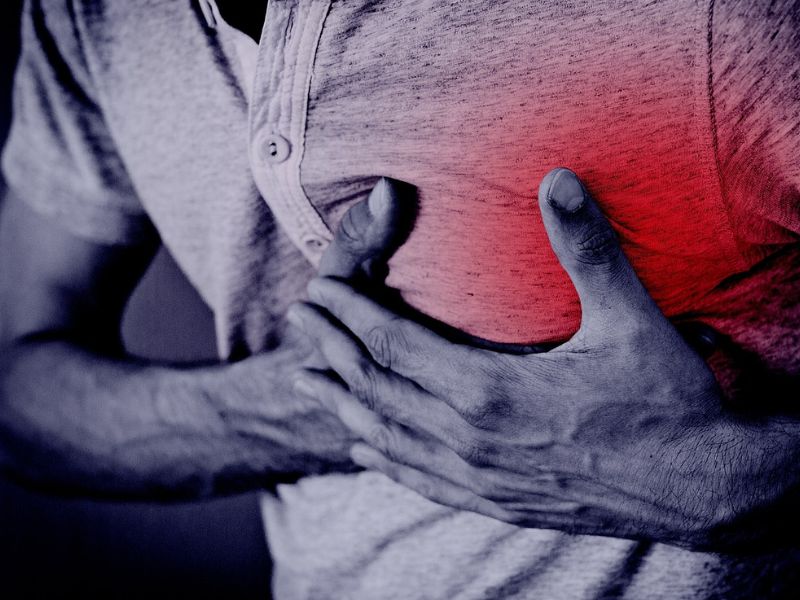
  • Holiday Heart Syndrome: A Significant Health Risk Tied to Festive Drinking

    Holiday Heart Syndrome: A Significant Health Risk Tied to Festive Drinking

    As the season of workplace Christmas parties and family gatherings kicks off, many people indulge in heavier-than-usual drinking. After such occasions, you might notice your heart racing or beating irregularly, feel a fluttering in your chest or neck, experience dizziness, or struggle to catch your breath. Concerned, you might head to the emergency department, only to learn you have "alcohol-induced atrial arrhythmia"—an irregular heartbeat triggered by binge drinking. This condition is so common during the holidays it has earned the nickname "holiday heart."
    Credit: Pixabay

    As the season of workplace Christmas parties and family gatherings kicks off, many people indulge in heavier-than-usual drinking. After such occasions, you might notice your heart racing or beating irregularly, feel a fluttering in your chest or neck, experience dizziness, or struggle to catch your breath. Concerned, you might head to the emergency department, only to learn you have “alcohol-induced atrial arrhythmia“—an irregular heartbeat triggered by binge drinking. This condition is so common during the holidays it has earned the nickname holiday heart.”

    What Is Holiday Heart?

    During the festive season, emergency departments see a surge in alcohol-related health issues, including irregular heart rhythms. These episodes often stem from a combination of binge drinking, overeating, dehydration, and seasonal stress.

    First identified nearly 50 years ago, holiday heart syndrome was originally described as an abnormal heart rhythm occurring in otherwise healthy people after heavy alcohol consumption. Doctors frequently observed it after weekends, public holidays, and festive celebrations. However, irregular heart rhythms linked to alcohol aren’t confined to the holidays—they can occur year-round in individuals who binge drink or those with a history of chronic heavy drinking.

    Holiday heart is common to holidays, but can strike at any time of the year. (zf L/Moment/Getty Images)

    What Causes Holiday Heart, and How Is It Diagnosed?

    Alcohol can disrupt your heart, blood vessels, and nervous system in several ways. It may lead to dehydration and inflammation, which interfere with the heart’s electrical system and result in an irregular heartbeat.

    Symptoms of holiday heart include heart palpitations, chest pain, fainting, and shortness of breath. However, irregular heartbeats can also occur without noticeable symptoms and may only be discovered during investigations for other health conditions.

    If you experience symptoms, visit your doctor or the emergency department. Diagnosis typically involves:

    • Electrocardiogram (ECG): This non-invasive test uses electrodes placed on your chest, arms, and legs to measure your heart’s electrical activity, identifying irregular rhythms.
    • Blood tests: These can check for electrolyte imbalances, inflammation markers, and kidney or liver function issues.

    Clinicians may focus on the “P wave” in the ECG, which represents the electrical activation of the heart’s upper chambers.

    Why Is Holiday Heart Concerning?

    Most people diagnosed with holiday heart recover fully, especially when treated early or after reducing alcohol consumption. However, some individuals are diagnosed with atrial fibrillation (AF), the most common heart rhythm disorder. AF affects 1.4%–5.5% of Australian adults and may require:

    • Medication to restore a regular heartbeat.
    • Electrical cardioversion, using a defibrillator to reset the heart’s rhythm.
    • Cardiac ablation, a procedure to correct the underlying electrical issue.

    Untreated atrial fibrillation increases the risk of blood clots, strokes, and heart attacks.

    Preventing Holiday Heart

    There’s no specific alcohol threshold that triggers holiday heart, but prevention starts with avoiding binge drinking. Australian guidelines suggest consuming no more than:

    • 10 standard drinks per week.
    • 4 standard drinks in a single day.

    Other strategies include:

    • Hydration: Alternate alcoholic drinks with water to counteract dehydration.
    • Stress management: Reduce seasonal stress to avoid additional strain on your heart.
    • Healthy lifestyle: Stay active and eat a heart-friendly diet to support overall cardiovascular health.

    By moderating alcohol intake and maintaining healthy habits, you can reduce your risk of holiday heart syndrome and keep your heart in good shape throughout the festive season.


    Read Original Article: Science Alert

    Read More: Scitke

  • Alcohol Use May Affect Future Generations Pre-Conception

    Alcohol Use May Affect Future Generations Pre-Conception

    The environment in which a person lives, including their home, family, and community, influences their health.
    Credit: Pixabay

    The environment in which a person lives, including their home, family, and community, influences their health.

    Researchers examining these social determinants of health are exploring whether genetics or upbringing has a greater impact on an individual’s ability to combat disease.

    I am a developmental physiologist researching how alcohol consumption impacts fetal development and long-term health.

    While it’s well-known that a father’s alcohol abuse can adversely affect his children’s mental health and social development, it hasn’t been clear whether paternal drinking has lasting biological impacts on their physical health.

    My lab’s recent study reveals that chronic alcohol use by both parents can have long-term effects on their offspring, accelerating aging and increasing susceptibility to diseases.

    Impact of Alcohol Use Disorders on Health

    The National Institutes of Health reports that nearly 11% of U.S. adults suffer from an alcohol use disorder. Excessive drinking leads to various health issues, such as liver disease, heart conditions, reduced cognitive function, and premature aging.

    These health problems can be passed from parents to their children. Fetal alcohol spectrum disorders encompass a variety of alcohol-induced physical, developmental, and behavioral issues that impact up to 1 in 20 school-aged children in the U.S.

    Children with fetal alcohol spectrum disorders often develop adult diseases, such as type 2 diabetes and heart disease, at an earlier age. For individuals with these disorders, cardiovascular disease can start in adolescence, whereas it typically appears in the general population in their 40s and 50s.

    Additionally, children with fetal alcohol spectrum disorders are more likely to be hospitalized and have a lifespan that is 40% shorter than those without these conditions.

    Uncertainty Over Causes of Health Issues

    However, it remains uncertain whether these health issues are due to life circumstances—people with fetal alcohol spectrum disorders frequently have high rates of psychiatric disorders that contribute to stress, making them more vulnerable to aging and disease—or if their parents’ substance use has a direct, lasting negative impact on their health.

    In other words, does a parent’s alcohol abuse before conception directly affect their child’s physical health and lifespan?

    In our study, my colleagues and I utilized a mouse model to examine how alcohol consumption by the mother, father, or both parents around the time of conception impacts their offspring’s aging and risk of chronic disease. The mice had the freedom to decide when and how much alcohol to consume.

    We discovered that alcohol consumption by both the father and mother leads to damaging changes in their offspring’s mitochondria. Mitochondria, often referred to as the cell’s powerhouses, play a crucial role in regulating aging and overall health. Similar to how a cellphone battery degrades over time, mitochondria also deteriorate, which impairs cells’ ability to repair damage and regulate metabolism.

    Mitochondria are more than just the powerhouses of your cells.

    Impact of Paternal Alcohol Consumption on Offspring’s Mitochondrial Health

    Our experiments with mice reveal that a father’s alcohol consumption results in a mitochondrial dysfunction that begins during fetal development and continues into adulthood, leading to accelerated aging in the offspring.

    For instance, paternal alcohol exposure led to a twofold increase in age-related liver disease, indicating that parental alcohol use—especially by the father—could significantly impact aging and the development of age-related diseases.

    Notably, we found that the effects on the offspring were more severe when both parents consumed alcohol compared to just one. For example, when both parents drank, there was a threefold increase in age-related liver scarring.

    Individuals with fetal alcohol syndrome face lifelong difficulties, including issues with hand-eye coordination and challenges with memory and attention.

    Educational Strategies for Children with Fetal Alcohol Spectrum Disorders

    Early educational interventions for children with fetal alcohol spectrum disorders, such as using visual and auditory tools instead of printed materials, can offer additional structure to support learning.

    While my team and I studied the effects of chronic alcohol exposure, we do not yet know if moderate alcohol consumption also leads to mitochondrial issues.

    It is also unclear whether similar effects occur in people whose parents drank heavily but who were not diagnosed with fetal alcohol spectrum disorders. Although the impact of paternal drinking on human embryonic development remains uncertain, emerging research suggests a possible connection.

    The next step is to investigate whether interventions focused on improving mitochondrial health, such as exercise and specific diets, could enhance health outcomes for individuals with fetal alcohol spectrum disorders.


    Read the original article on: Science Alert

    Read more: Alcohol on Planes Could Be Riskier Than You Think

  • Why Are Young People Drinking Less?

    Why Are Young People Drinking Less?

    Young people today drink less alcohol than older generations like millennials, Gen X, and boomers. Scientists from Australia and Sweden wonder why, but they say we don’t have enough research yet to know for sure.

    Before, millennials got blamed for everything that declined, like department stores and cable TV. Now, attention is on the younger generation, Gen Z, who grew up with the internet and social media. They’re drinking less, and researchers want to know why.

    Girl are Drinking More

    Gen Z is sometimes called the “sober-curious generation.” They see alcohol more as an occasional treat than a regular drink like older generations do. Research shows that boys in Gen Z are drinking less than girls, which is changing the usual pattern.

    It’s not just about personality; everyone seems to be drinking less, not just certain types of people. Some think young people are turning to cannabis instead, especially as it becomes more accepted. But cannabis use among young people isn’t going down.

    Awareness

    Young people might be worried about how alcohol affects their emotions or health. They might choose soft drinks instead because they’re lower in calories. But if they’re drinking less, are they avoiding the health problems linked to alcohol?

    Some studies show that as young people drink less, there are fewer alcohol-related problems like alcohol disorders and poisonings. But other research, like one from 2020, says more young people in the US are getting sick from alcohol-related liver disease.

    Researchers say we need more studies to understand how drinking less affects health. They also want to know how illegal drugs fit into the picture and what good and bad things come from young people drinking less. Old ideas about why young people drink might not apply anymore, so we need new ways to help them make decisions about alcohol.


    Read the Original Article IFL SCIENCE

    Read more Drinking Non-Alcoholic Beverages Reduces Excessive Alcohol Intake

  • The Impact on Your Liver Upon Alcohol Cessation

    The Impact on Your Liver Upon Alcohol Cessation

    Credit: Sechat

    According to Greek mythology, the titan Prometheus faced Zeus’s wrath for bestowing fire upon humanity. Chained and tormented by an eagle devouring his liver daily, the myth raises questions about the liver’s regenerative abilities. Delving into reality, this article examines the liver, its susceptibility to alcohol, and its capacity for self-repair.

    The Liver: Vital Organ and Vulnerable Target

    The liver, the body’s largest internal organ, plays a crucial role in numerous bodily processes, particularly detoxifying substances like alcohol. Alcohol’s initial impact on the liver underscores its susceptibility to damage, though other organs may also suffer from prolonged heavy alcohol use.

    Alcohol-related liver disease spans a spectrum from fatty liver to cirrhosis, often remaining asymptomatic until advanced stages. The progression begins with alcohol-induced fat accumulation, leading to inflammation and subsequent scar tissue formation. Cirrhosis, marked by widespread scarring, signifies a critical stage where the liver’s function deteriorates.

    Facing the Consequences: Late-stage Cirrhosis

    Late-stage cirrhosis manifests with jaundice, fluid retention, and cognitive impairment, posing a serious and potentially fatal threat. Understanding the risks associated with heavy alcohol consumption becomes paramount, as it significantly increases the likelihood of developing scarring and cirrhosis.

    Hope for Recovery: The Positive Impact of Abstinence

    Encouragingly, abstinence from alcohol can lead to remarkable recovery for individuals with fatty liver, liver inflammation, or mild scarring. Changes in liver fat, inflammation, and scarring occur within weeks or months of cessation. Even for those with severe scarring or liver failure, long-term abstinence increases the chances of halting further deterioration.

    While the benefits of quitting alcohol extend beyond liver health, it’s crucial to acknowledge the challenges, including alcohol withdrawal. Seeking medical guidance is essential for heavy drinkers to ensure a safe transition. Additionally, embracing a holistic approach to health, encompassing diet, exercise, and adequate sleep, contributes to overall well-being.

    Conclusion: A Balanced Approach to Liver Health

    Contrary to the myth of Prometheus, the liver possesses remarkable self-healing capabilities, mainly when the damage is not severe. For those with a fatty liver, abstinence can lead to a quick return to normalcy. However, for individuals with cirrhosis, while abstinence fosters healing and improved function, it may not wholly undo prior damage.

    To safeguard the liver and overall health, moderation in alcohol consumption, coupled with alcohol-free days, emerges as a practical approach. Recognizing that alcohol cessation contributes to improved sleep, brain function, and blood pressure, it becomes a pivotal aspect of a comprehensive and sustainable healthy lifestyle.


    Read the original article on The Conversation.

    Read more: The Impact of Neuralink on Humanity.

  • Men Should Avoid Alcohol Three Months Before Starting a Family

    Men Should Avoid Alcohol Three Months Before Starting a Family

    Research indicates that the duration for the adverse impacts of alcohol on a man's sperm lasts longer than previously believed. Considering the connection between alcohol and birth defects, these findings are crucial for prospective fathers to consider when contemplating starting a family.
    A study found that the effects of alcohol intake on sperm take longer than initially thought to disappear
    Credit: Pixaobay

    Research indicates that the duration for the adverse impacts of alcohol on a man’s sperm lasts longer than previously believed. Considering the connection between alcohol and birth defects, these findings are crucial for prospective fathers to consider when contemplating starting a family.

    Historically, emphasis has been placed on maternal health before conception as a key determinant of pregnancy and child development outcomes. Concerns about alcohol intake before and during pregnancy have centered on fetal alcohol syndrome (FAS), leading to abnormal facial features, low birth weight or height, attention and hyperactivity issues, and poor coordination.

    The responsibility to refrain from drinking to prevent FAS has traditionally rested on women. Only in recent times has attention turned to paternal alcohol consumption as a contributing factor.

    Exploring the Epigenetic Impact

    Recent studies have demonstrated that sperm carry a significant amount of epigenetic information susceptible to modification through exposure to various stressors, such as alcohol. A novel investigation conducted by Texas A&M University researchers has explored the impact of alcohol consumption on sperm, the resulting epigenetic alterations, and the duration of these changes.

    For an extended period, there has been minimal attention given to male alcohol consumption,” noted Michael Golding, the lead author of the study. “In the past five to eight years, we’ve observed specific circumstances where paternal influence significantly affects alcohol exposure and fetal development. In this study, we aimed to determine the duration of time required for the effects of alcohol on sperm to diminish. Contrary to our initial expectations of a rapid return to normal, the withdrawal process extended beyond a month.”

    In the United States, much like in numerous other countries globally, a significant proportion of men engage in alcohol consumption. Previous investigations have presented conflicting findings regarding the impact of alcohol intake on male fertility, with some suggesting minor declines and others asserting no discernible effects. In this present study, scientists utilized a mouse model to reassess the consequences of alcohol exposure on the sperm epigenome.

    Alcohol Exposure in Male Mice and RNA Sequencing Analysis of Epididymal Gene Expression Patterns

    Male mice were subjected to 6% or 10% alcohol for a duration of 10 weeks, followed by a four-week withdrawal period. RNA sequencing was employed to analyze gene expression patterns in the epididymis, the extended, coiled tubular structure situated atop each testicle responsible for storing sperm. A control group was exposed solely to water.

    The researchers noted that persistent alterations in genetic pathways associated with mitochondrial function, oxidative stress, and the generalized stress response in the epididymis occurred due to chronic alcohol exposure, and these changes persisted for a month after the cessation of drinking.

    Dr. Golding explained, “During the withdrawal phase, the liver undergoes continuous oxidative stress and transmits a signal throughout the male body. The reproductive system interprets this signal and responds with, ‘We are in an environment characterized by a potent oxidative stressor. I must program the offspring to adapt to such an environment.’”


    Read the original article on: New Atlas

    Read more: Drinking Non-Alcoholic Beverages Reduces Excessive Alcohol Intake

  • Drinking and Not What´s the Best Way?

    Drinking and Not What´s the Best Way?

    Young people  drinking excessively
    Dr. Tadwalkar states that various studies have repeatedly demonstrated the negative effects of alcohol consumption, especially when consumed excessively. Credit: Pexel

    In the past, it has been suggested that having a glass of wine once in a while could be beneficial for your health. However, recent studies indicate that moderate drinking on an occasional basis does not offer any health advantages, and may even cause harm instead. Contrary to popular belief, drinking one or two alcoholic beverages daily is not healthier than abstaining from alcohol altogether.

    JAMA Network Open recently published a study that examined more than 100 research papers, involving nearly 5 million individuals in total. The investigators analyzed this information to determine how consuming varying quantities of alcohol can impact the likelihood of dying from any cause. Furthermore, they took into account various factors that could have skewed previous investigations, such as an individual’s overall health in addition to their drinking habits.

    Individuals who drank occasionally or consumed less than one drink per week on average did not demonstrate a significantly lower risk of death from any cause when compared to those who had never consumed alcohol, according to the researchers. The study found that moderate alcohol consumption provided no noteworthy health advantages and that a low daily intake of alcohol, less than 1 oz for women and roughly 1.5 oz for men, increased the risk of death. Additionally, females who drank alcohol had significantly higher death rates than females who abstained from alcohol consumption.

    Is having any quantity of alcohol good for your health?

    Dr. Yu-Ming Ni, a cardiologist specializing in non-invasive cardiology at the MemorialCare Heart and Vascular Institute at Orange Coast Medical Center, claims that there is no safe level of alcohol consumption. He notes that individuals who consume more than a moderate amount of alcohol are exposing themselves to a greater risk of future health problems, and as per the study, these individuals have a higher likelihood of negative outcomes.

    The negative impact of Alcohol on long-term health?

    Dr. Tadwalkar states that various studies have repeatedly demonstrated the negative effects of alcohol consumption, especially when consumed excessively. These effects can include various forms of cancer and liver disease. In addition, alcohol consumption can also weaken the immune system, disrupt sleep, cause psychiatric disorders like depression, and result in acute impairment in cognitive function. These impairments can lead to accidents and injuries.Dr. Tadwalkar points out that heavier alcohol consumption can raise the risk of cardiovascular diseases, such as high blood pressure, stroke, and heart failure. This contradicts the common belief that alcohol consumption is generally beneficial for heart health.

    A Main Point

    There’s no amount of liquor, wine or beer that is safe for your overall health, according to a new analysis of 2016 global alcohol consumption and disease risk. Dr. Richard Haring shares his thoughts on the latest findings.


    Mostrar menos

    This study’s most significant contribution is to disprove previous beliefs that moderate alcohol consumption could provide potential health benefits.Dr. Tadwalkar points out that the primary difficulty with alcohol consumption is that many people struggle with self-control. There is a thin line between low or moderate alcohol consumption and excessive consumption. He emphasizes that he does not advise individuals to start drinking alcohol to obtain potential cardiovascular benefits. There are other more established and effective ways of achieving this goal.

    According to Dr. Tadwalkar, healthy individuals who choose to consume alcohol in moderation regularly, especially in a social setting, are unlikely to suffer any significant health damage. He believes that the decision to consume alcohol should ultimately be a personal one, taking into account individual factors such as age, family history, medical history, emotional well-being, and personal values.


    Original Article Prevention