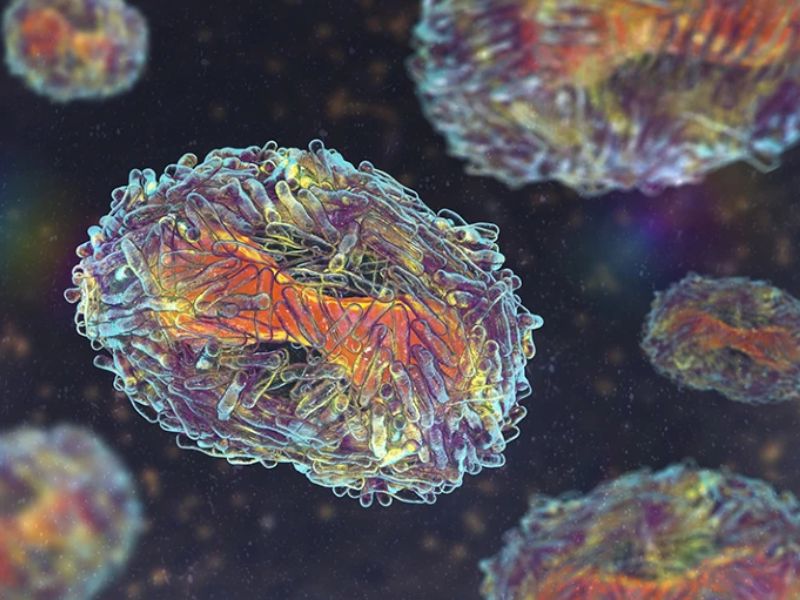

According to a newly updated list from the World Health Organization (WHO) this week, the number of pathogens capable of igniting the next pandemic has expanded to over 30, now including the influenza A virus, dengue virus, and monkeypox virus.
Researchers assert that this list of ‘priority pathogens’ will guide organizations in prioritizing efforts for developing treatments, vaccines, and diagnostics. The monkeypox virus has been added to the WHO’s list of priority pathogens.
“This list is very thorough,” notes Neelika Malavige, an immunologist from the University of Sri Jayewardenepura in Colombo, Sri Lanka, who contributed to the list. Her research focuses on the Flaviviridae family of viruses, which includes the dengue fever virus.
Criteria for Priority Pathogens
The priority pathogens, detailed in a July 30 report, were chosen for their potential to cause global public health emergencies, such as pandemics. The selection was based on their high transmissibility, virulence, and the limited availability of vaccines and treatments. The WHO’s previous lists in 2017 and 2018 identified around a dozen priority pathogens.
Addressing Critical Knowledge Gaps
Ana Maria Henao Restrepo, leader of the WHO’s R&D Blueprint for Epidemics team, explains that the prioritization process identifies urgent knowledge gaps and ensures efficient resource allocation.
Malavige stresses the need to update these lists regularly to reflect changes like climate change, deforestation, urbanization, and increased travel.
The latest effort broadened its scope by identifying risky pathogens within entire families of viruses and bacteria.
Inclusion of Mpox and Smallpox
Over 200 scientists spent approximately two years evaluating evidence on 1,652 pathogen species — mostly viruses and some bacteria — to decide which to include on the list.
The list of over 30 priority pathogens includes Sarbecovirus, which contains SARS-CoV-2 (the COVID-19 virus), and Merbecovirus, which causes MERS. Previous lists covered SARS and MERS individually but not the full subgenera.
The list now includes the monkeypox virus, which caused a global outbreak in 2022 and continues to spread in parts of Central Africa. The variola virus, causing smallpox, remains a priority despite its eradication in 1980 due to the risk of an unplanned release, which could lead to a pandemic.
This is especially concerning because people are no longer routinely vaccinated against it, leading to a lack of immunity. Malavige also mentions the potential use of the virus as a biological weapon by terrorists.
Influenza A Viruses and Other Pathogens
Several influenza A viruses, including subtype H5, which caused an outbreak in cattle in the U.S., are now on the list. The five newly added bacteria cause cholera, plague, dysentery, diarrhea, and pneumonia.
Rodent Viruses
Two rodent viruses have been added due to their ability to jump to humans, with occasional human-to-human transmission. Climate change and urbanization could increase the risk of these viruses spreading to humans. The bat-borne Nipah virus remains on the list because of its high lethality and transmissibility in animals and the current lack of protective therapies.
Many priority pathogens are currently confined to specific regions but have the potential to spread globally, says Naomi Forrester-Soto, a virologist at the Pirbright Institute near Woking, UK, who also contributed to the analysis. She studies the Togaviridae family, which includes the Chikungunya virus. “There isn’t a single place that is most at risk,” she notes.
In addition to the priority pathogens, researchers also compiled a list of ‘prototype pathogens’ to serve as model species for basic scientific studies and the development of therapies and vaccines. Forrester-Soto believes this could stimulate more research into lesser-known viruses and bacteria.
Advancements in Vaccine Development
Before COVID-19, no human vaccines existed for coronaviruses, says Malik Peiris, a virologist at the University of Hong Kong. Developing a vaccine for one member of this virus family boosts confidence in managing future public health emergencies.
This applies to treatments as well since “many antivirals work across a whole group of viruses,” Peiris adds.
Forrester-Soto finds the pathogen list reasonable but notes that some listed pathogens might not cause epidemics, and new, unforeseen pathogens could become significant.We have almost never predicted the next pathogen to emerge, she remarks.
Read the original article on: Nature
Read more: AstraZeneca Announces Withdrawal of COVID Vaccine