
Tag: Reduce

  • A new Study Says Popular Fitness Apps may Reduce User Motivation

    A new Study Says Popular Fitness Apps may Reduce User Motivation

    Seeing others’ lives on social media can hurt our self-esteem and satisfaction. It turns out that tracking our own calories or workouts through apps can have a similar downside. New research from UCL and Loughborough University suggests fitness apps may discourage rather than motivate users.
    Image Credits: Depositphotos

    Seeing others’ lives on social media can hurt our self-esteem and satisfaction. It turns out that tracking our own calories or workouts through apps can have a similar downside. New research from UCL and Loughborough University suggests fitness apps may discourage rather than motivate users.

    The team examined close to 60,000 posts on X, noting that this kind of data is especially useful because—unlike traditional surveys—people often express themselves more candidly and without filters online.

    Negative Feedback Centers on Popular Fitness Apps

    These posts discussed five major fitness apps: MyFitnessPal, Strava, WW, Workouts by Muscle Booster, and Fitness Coach & Diet. About 13,000 posts contained negative terms the researchers were monitoring, with over half referring to the calorie-tracking app MyFitnessPal.

    At first glance, MyFitnessPal appears to provide everything needed to manage diet and fitness. Users can log their calories, track protein and carbohydrate intake, and set customized goals. Too tired to enter meals manually? You can scan barcodes or import recipes, and the app handles the rest. It’s almost like having a personal nutritionist in your pocket.

    But many users aren’t thrilled with these apps. Senior author Dr. Paulina Bondaronek (UCL Institute of Health Informatics) noted that the posts were filled with guilt and self-blame, with people feeling they were falling short. Such emotional reactions, she said, could ultimately damage both motivation and overall well-being.

    The Limits and Misuse of Self-Tracking Tools

    While self-tracking can be helpful, it’s often applied in unproductive ways. Calorie-counting tools remain quite basic and frequently fail to offer individualized guidance. Regardless of how unrealistic a user’s goals might be, the app will still adjust the numbers to fit them.

    In one instance, users were told to eat “negative 700 calories per day” to meet their weight-loss targets. Obviously, no one can follow such advice, but it highlights a major concern: these apps can produce recommendations without considering whether they’re safe or even remotely feasible.

    MyFitnessPal is also fairly easy to manipulate, since users can choose whether to record a meal or leave it out. This can create a false sense that anything unlogged “doesn’t count.” Many people admitted they skipped tracking indulgent foods—like a post-dinner pint of ice cream—to avoid feeling bad. But this often backfired, leading to even stronger feelings of guilt and discouragement. In some cases, users abandoned the app entirely—and dropped their healthy routines with it.

    Activity Tracking and the Pressure for Constant Validation

    When it comes to activity-tracking apps, many users found themselves seeking validation—not just from others online, but from the app itself. For some, exercise turned into a compulsive reaction triggered by alerts reminding them they were falling short of their goals.

    Relentless monitoring can also strip away the simple pleasure of being active or appreciating genuine accomplishments—especially when there’s no digital record to prove it. People on X described feeling upset when Strava failed to log a personal-best half-marathon or didn’t recognize a streak they were proud of.

    It’s worth noting that the study focused exclusively on negative posts, so there’s still no solid scientific data on the benefits people may get from these apps. Still, the potential downsides are difficult to overlook, and the findings serve as a clear signal to developers to rethink the unintended impacts of their tools.

    The study—which also included researchers from the University of Westminster—was recently published in the British Journal of Health Psychology.


    Read the original article on: New Atlas

    Read more:Researchers Found that Human Emotions may Influence Water Crystal Formation

  • Scientists Create a Spacesuit with Artificial Muscles to Reduce Astronaut Strain

    Scientists Create a Spacesuit with Artificial Muscles to Reduce Astronaut Strain

    A new textile-based exoskeleton from the University of Bristol could transform mobility in space and support people with disabilities on Earth.
    Image Credits:fatosdesconhecidos

    A new textile-based exoskeleton from the University of Bristol could transform mobility in space and support people with disabilities on Earth.

    Scientists in England developed a prototype exosuit with artificial muscles to ease astronaut movement and reduce fatigue in low-gravity environments like the Moon or Mars.

    Innovation Driven by VIVO Hub’s Interdisciplinary Research

    VIVO Hub, a lab blending robotics, biotech, and textiles, developed the exosuit and tested it in the largest simulated regolith experiment at Adelaide’s CRATER facility.

    The exosuit combines lightweight nylon and thermoplastic layers for durability and insulation, and Kevlar reinforces its belts and knee straps.

    These “smart fibers” mimic muscles to enhance strength and reduce effort, fitting under a spacesuit and adjustable to assist or resist movement.

    Field Testing at Adelaide’s CRATER Lunar Simulation Facility

    In October, 200+ researchers from 25 countries tested the suit’s walking, climbing, and carrying performance at Adelaide’s lunar-simulation CRATER facility.

    The trials used analog astronauts—volunteers who replicate space-mission routines in controlled settings. Researchers monitored biomechanics, energy use, and fatigue. Early findings indicate the exosuit notably reduced muscle strain and enhanced movement efficiency, particularly during longer, more demanding tasks.

    Potential Impact Beyond Space Exploration

    Though aimed at space, the suit could also aid Earth-based applications, notably motor impairment rehabilitation.

    Pulvirenti says the next phase adds sensors and autonomous controls to make the exosuit respond instantly and operate more intuitively.

    The project advances wearable tech for space, supporting lunar and future Mars missions.


    Read the original article on: Fatos Desconhecidos

    Read more: Researchers Create 1-Kilometer-Scale Digital Earth

  • An injectable Weight-loss Drug can Reduce Leftover Post-Surgery Pounds

    An injectable Weight-loss Drug can Reduce Leftover Post-Surgery Pounds

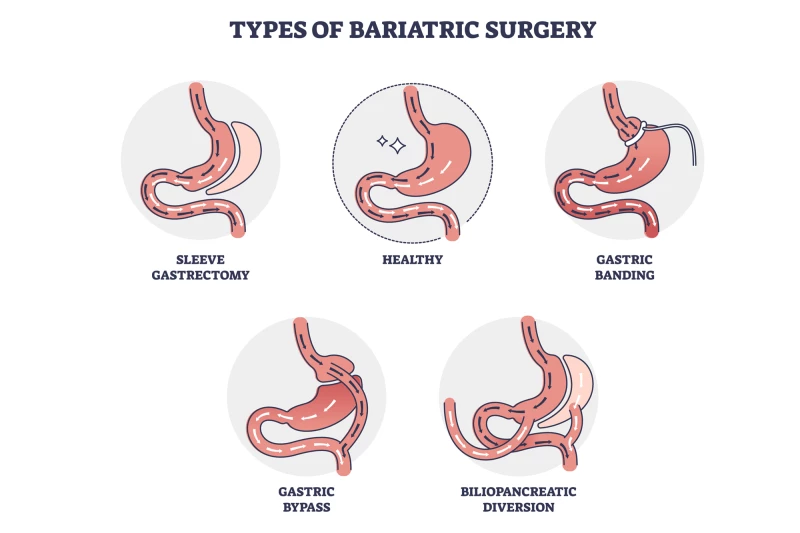
    Image Credits:When post-surgery weight loss is suboptimal, introducing one of the newer weight loss drugs can help
    Depositphotos original extended using Firefly

    Some patients don’t reach weight-loss goals after bariatric surgery, but daily liraglutide injections may help them lose more weight and reduce the need for repeat surgery.

    Bariatric surgery is highly effective for most with moderate-to-severe obesity, producing lasting weight loss and major health improvements, including remission of diabetes, hypertension, and sleep apnea.

    Addressing Weight-Loss Plateaus with Liraglutide

    However, about 15% of patients don’t lose as much weight as expected, which also limits the health benefits they gain. An Australian study now suggests that the newer injectable GLP-1 medication liraglutide may offer additional help.

    For patients regaining weight after bariatric surgery, adding medication can help, often at a lower dose,” said Professor Wendy Brown, MD, PhD.

    Image Credits: Types of bariatric surgeries
    Depositphotos

    We show patients usually don’t need the full dose of obesity medication after bariatric surgery, without affecting quality of life,” Brown said. “This could help avoid risky repeat surgery.”

    The study involved 48 adults (20–65) whose weight loss 12–36 months post-bariatric surgery was below expectations. They received daily liraglutide (up to 3 mg) or placebo, with 12-month weight change as the main outcome and health markers and quality of life as secondary measures.

    After 12 months, the liraglutide group lost 5.7 kg (12.6 lb) versus a 1.4 kg (3.1 lb) gain in the placebo group—a 7.1 kg (15.6 lb) difference, or 4.4% weight loss versus 1.4% gain.

    Health Markers and Quality of Life

    No notable differences were found between groups for blood sugar, cholesterol, or nutritional markers. Participants taking liraglutide saw a modest rise in diastolic blood pressure—from 78 to 82 mmHg. Quality-of-life scores showed small variations but no meaningful changes in overall wellbeing, mood, or eating/swallowing comfort.

    Most participants didn’t reach the full 3-mg dose—averaging around 2.4 mg—but still saw meaningful weight loss. The study didn’t track why participants avoided higher doses, but researchers suggest they found it unnecessary or had mild GI symptoms. Liraglutide commonly causes nausea, vomiting, and diarrhea or constipation. The study excluded participants living over an hour away in case nausea required gastric band adjustments. Still, no serious side effects occurred, showing symptoms were generally mild and manageable.

    Image Credits: The Roux-en-Y gastric bypass
    Wikimedia Commons/BruceBlaus CC BY 3.0

    The researchers acknowledged several limitations in the study, including a small sample size and incomplete participation. Delays and early terminations caused by the COVID-19 pandemic and resulting drug shortages disrupted the study timeline. Most participants were women from a single center, and many didn’t reach the full liraglutide dose, leaving the impact of higher doses uncertain.

    Potential of Liraglutide to Enhance Post-Surgery Outcomes

    Despite limitations, liraglutide may help patients regaining weight after bariatric surgery, potentially avoiding risky repeat procedures. The study also suggests that introducing GLP-1 drugs before significant weight regain could enhance recovery outcomes. The findings suggest that combining medication with surgery could become standard for patients with partial bariatric surgery results.

    GLP-1 drugs can boost weight loss after bariatric surgery, offering hope,” said Professor John Wentworth, MD, PhD.Even more effective, newer drugs are now available, which should help patients achieve better weight and health outcomes.

    There are no shortcuts, but effective, evidence-based options exist,” said co-author Paul Burton, MD, PhD. “These findings support a personalized, long-term approach combining surgery, medication, and lifestyle support for lasting remission.”


    Read the original article on: New Atlas

    Read more: Scientists Create a Synthetic Leaf that Turns Pollution into Energy

  • Study Shows Horror Movies May Reduce Stress and Enhance Well-Being

    Study Shows Horror Movies May Reduce Stress and Enhance Well-Being

    Neuropsychologist and study author Kristen Knowles explains that horror films trigger the release of relaxation-related chemicals like dopamine and endorphins. This response creates sensations of pleasure and ease, which, according to the research, can help reduce the perception of pain.
    Image Credits: Canva Equipes/Ikostudio / Bons Fluidos

    Neuropsychologist and study author Kristen Knowles explains that horror films trigger the release of relaxation-related chemicals like dopamine and endorphins. This response creates sensations of pleasure and ease, which, according to the research, can help reduce the perception of pain.

    The expert notes that, beyond the effects of pain-relieving hormones, horror films also work by capturing attention and diverting energy. “Focus shifts to assessing threats, drawing resources away from other bodily functions,” she told The Herald.

    Horror Movies as Emotional Training for Stressful Situations

    The study also suggests that horror movies help people handle extreme or stressful situations. “They act as emotional training. When facing a fictional threat, the body releases stress hormones like adrenaline, boosting heart rate and alertness. Once the tension ends, the resulting relief is genuine,” she explained.

    Highlighting the benefits of the genre, Knowles points out that fans studied in previous research showed greater psychological resilience during the Covid-19 pandemic, likely because they were accustomed to regularly experiencing intense—but fictional—stressful situations.


    Read the original article on: Terra

    Read more: Odor Tech Nears a Breakthrough

  • Certain Drugs May Reduce Dementia Risk—A Neuroscientist Explains How

    Certain Drugs May Reduce Dementia Risk—A Neuroscientist Explains How

    Credit: Pixabay

    Dementia has no cure, and while some new drugs may slow its progression, they remain expensive and only marginally effective for many. However, a recent Cambridge-led study links commonly used prescription drugs—such as antibiotics, antivirals, and vaccines—to a lower risk of dementia.

    Since these drugs are already approved with well-known safety profiles, they could fast-track clinical trials for dementia treatments.

    Researchers analyzed health records from 130 million people, including one million with dementia. They identified links between prescription drugs and dementia risk, then reviewed 14 studies to explore these connections. Their findings: antibiotics, antivirals, and anti-inflammatory drugs were all associated with lower dementia risk. Additionally, vaccines for hepatitis A, typhoid, and diphtheria showed a similar protective effect.

    However, the study didn’t track how long participants had taken these drugs or how often they had been prescribed them, making further research essential.

    How These Drugs Might Protect the Brain

    The researchers suggest that these medications may reduce dementia risk by lowering inflammation, controlling infections, and promoting brain health. This aligns with the theory that viral and bacterial infections could trigger common types of dementia.

    Existing, approved medicines could offer a shortcut to future treatments. (MirageC/Getty Images)

    Even short-term infections can harm the brain by triggering an excessive immune response, damaging brain cells and disrupting memory. Antibiotics and antivirals fight infections, reducing this immune overreaction. Vaccines prevent infections altogether, lowering the risk of long-term brain damage.

    Interestingly, other studies have also linked the BCG vaccine (for tuberculosis) to a reduced risk of Alzheimer’s, further supporting the infection-dementia connection.

    The study also found that anti-inflammatory drugs, particularly NSAIDs like ibuprofen, might protect against memory decline. This adds to growing evidence that chronic inflammation plays a key role in dementia.

    Inflammation helps the body fight injury and infection, but when it becomes chronic, it releases chemicals that harm brain cells and disrupt communication between them, leading to memory loss. Anti-inflammatory drugs block certain molecules that drive inflammation, potentially shielding brain cells from long-term damage.

    Mixed Results for Other Medications

    The study’s findings on blood pressure drugs, antidepressants, and diabetes medications were less consistent. Some of these drugs were linked to both lower and higher dementia risks, possibly due to their varied effects on biological processes.

    For example, ACE inhibitors and angiotensin II receptor blockers (ARBs) improve brain health by boosting blood flow and reducing inflammation, while beta-blockers primarily slow heart rate and may lack neuroprotective benefits. Similarly, diabetes drugs showed mixed effects, though diabetes itself increases dementia risk, making it harder to isolate the drug’s impact.

    Next Steps in Dementia Research

    More research is needed to confirm these findings and understand how these drugs influence dementia risk. Randomized controlled trials will be crucial in determining whether existing medications can be repurposed for dementia prevention. Investigating the biological mechanisms behind these effects could also reveal new insights into dementia’s causes.

    This study underscores the importance of addressing inflammation and infections as part of a broader brain health strategy. By repurposing existing drugs, researchers may accelerate treatment development—offering new hope in the fight against dementia.


    Read Original Article: Science Alert

    Read More: Innovative Nanotech Sponge Captures Pollutants and Recovers Valuable Materials