Tag: Treatment

  • The Osteoarthritis Treatment Thought To Be The “Most Effective” May Not Be As Helpful As Once Believed

    The Osteoarthritis Treatment Thought To Be The “Most Effective” May Not Be As Helpful As Once Believed

    A comprehensive review of clinical research is raising questions about one of the most frequently recommended treatments for osteoarthritis.
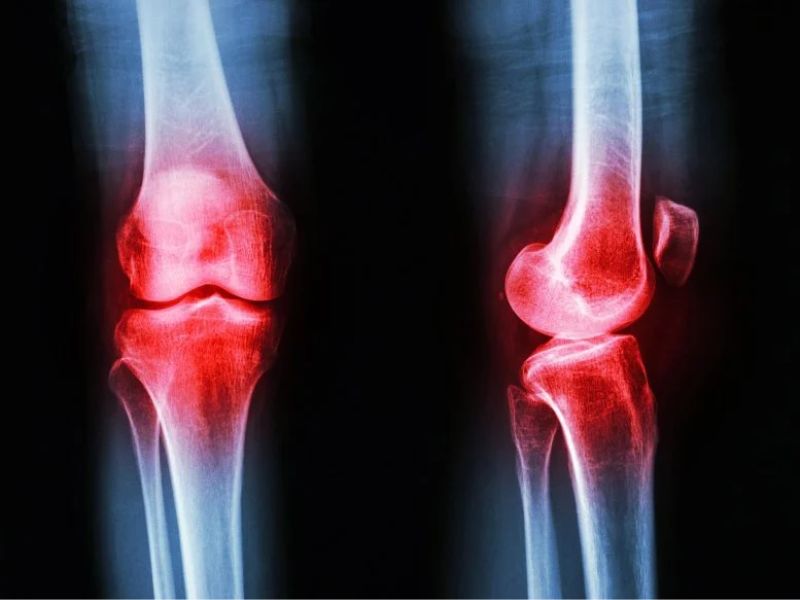
    Exercise is widely recommended for osteoarthritis, but how much does it truly help? A large-scale review suggests the benefits may be smaller and less durable than many assume. Image Credits: Stock

    A comprehensive review of clinical research is raising questions about one of the most frequently recommended treatments for osteoarthritis.

    For the millions affected by the condition, advice to exercise is almost automatic in routine care. However, a new analysis indicates that its impact on reducing joint pain and improving daily function may be more modest—and more short-term—than many patients anticipate.

    Writing in the open-access journal RMD Open, researchers conclude that exercise therapy likely offers only small, temporary improvements in osteoarthritis symptoms and, in some comparisons, may be no more effective than no treatment at all. Their findings draw on both an umbrella systematic review and a pooled analysis of existing data.

    The researchers say their findings call into question the routine promotion of exercise as a universal first-line treatment for all people with osteoarthritis. They suggest the field may need to reconsider which research priorities take center stage, including which therapies warrant more rigorous head-to-head comparisons and extended follow-up periods.

    Exercise is commonly recommended early in the course of various types of osteoarthritis. Still, the authors note that a growing number of studies have begun to question the true strength and durability of its benefits.

    While numerous systematic reviews have examined exercise for osteoarthritis, the team emphasizes that no single, wide-ranging analysis has evaluated it against a full array of alternatives—such as placebo, standard care, no intervention, medications, other non-drug approaches, and surgery.

    Review Scope and Methodology

    To fill this gap, the researchers searched major medical databases for relevant systematic reviews and randomized controlled trials published through November 2025. Their umbrella review incorporated five systematic reviews totaling 8,631 participants, along with 28 randomized trials that included 4,360 participants. Most of these studies centered on knee or hip osteoarthritis (23 trials), while a smaller number addressed hand (3) and ankle (2) osteoarthritis.

    After combining and analyzing the data, the researchers found that exercise produced modest, short-term reductions in knee osteoarthritis pain compared with placebo or no treatment. However, the overall certainty of the evidence was judged to be very low. In larger trials and those with longer follow-up, the observed benefits were even more limited.

    Moderate-certainty evidence suggested that exercise had minimal to no impact on hip osteoarthritis and only modest benefits for hand osteoarthritis.

    Results with differing levels of certainty indicated that exercise yielded outcomes comparable to patient education, manual therapy, pain medications, corticosteroid or hyaluronic acid injections, and arthroscopic knee surgery.

    In some subgroups examined within individual trials, exercise proved less effective over the long term than knee osteotomy and joint replacement procedures.

    Study Limitations and Interpretation

    The researchers admit they selectively prioritized certain reviews for inclusion, which left out some relevant studies. However, additional analyses of effect sizes from the excluded reviews yielded similar results.

    They also point out that few studies directly compared exercise with other treatments. Participant characteristics varied widely, and some trials allowed additional therapies alongside exercise, which could have influenced outcomes.

    Despite these limitations, they conclude: Overall, the evidence on exercise for osteoarthritis is largely inconclusive, showing minimal—or at best, short-term—effects on pain and function across different types of osteoarthritis compared with placebo or no treatment. Benefits appear smaller in larger, longer-term trials.

    “These findings challenge the routine promotion of exercise as the sole first-line therapy for improving pain and physical function in all osteoarthritis patients.”

    The researchers emphasize that osteoarthritis management extends beyond joint symptoms. Exercise can still benefit heart health, mood, sleep, balance, and independence, and many patients prefer it over medications or procedures. They recommend a more individualized approach rather than abandoning exercise entirely.

    “They recommend that clinicians and patients make treatment decisions together, considering not only the modest effects of exercise on pain and function but also its secondary health benefits, safety, affordability, stage of care, and other available treatment options.”


    Read the original article on: SciTechDaily

    Read more: Japanese Scientists Developed Tech to Record and View Dreams

  • Why the Effects of Black Mamba Bites Can Suddenly Intensify After Receiving Treatment

    Why the Effects of Black Mamba Bites Can Suddenly Intensify After Receiving Treatment

    Scientists discovered a “second hit” in mamba venom that helps explain why some patients initially improve with antivenom, only to relapse into severe, painful spasms.
    Scientists found that several mamba species launch a dual assault on the nervous system, turning early paralysis into sudden post-treatment spasms. Image Credits: Shutterstock

    Scientists discovered a “second hit” in mamba venom that helps explain why some patients initially improve with antivenom, only to relapse into severe, painful spasms.

    Certain mamba species initially paralyze muscles, then target another area of the nervous system, causing uncontrollable contractions after treatment reverses the initial paralysis.

    The Hidden Threats Lurking in Mamba Venom

    A groundbreaking study at The University of Queensland has uncovered a previously unknown and dangerous trait in the Black Mamba, one of the world’s most venomous snakes.

    Professor Bryan Fry from UQ’s School of the Environment explained that the research showed the venoms of three mamba species are far more neurologically complex than once believed, shedding light on why antivenoms can sometimes fail to work effectively.

    Two-Pronged Neurological Assault Mechanism

    “The Black Mamba, Western Green Mamba, and Jameson’s Mamba don’t rely on a single type of venom; they target two separate areas of the nervous system simultaneously,” explained Professor Fry.

    In bites from three of the four mamba species, victims typically suffer flaccid or limp paralysis due to postsynaptic neurotoxicity.

    Why Antivenoms Can Occasionally Be Ineffective

    Current antivenoms can counteract the flaccid paralysis, but this study revealed that the venoms of these three mamba species can subsequently target another part of the nervous system, triggering spastic paralysis through presynaptic toxicity.

    Until now, we believed only the fourth species, the Eastern Green Mamba, could cause spastic paralysis.

    “This discovery explains a long-standing clinical puzzle: some patients bitten by mambas initially respond to antivenom, regaining muscle tone and movement, only to later experience painful, uncontrollable spasms.

    “The venom first blocks nerve signals to the muscles, but once antivenom is administered, it overstimulates them.”

    “It’s as if you cure one condition, only to uncover a second one.”

    A Lethal Danger Across Sub-Saharan Africa

    Bites from mamba snakes (Dendroaspis species) pose a major danger in sub-Saharan Africa, causing around 30,000 deaths each year.

    PhD candidate Lee Jones, who carried out the experimental studies on mamba venoms, emphasized that developing new antivenoms is essential for saving lives.

    Unexpected Discoveries from Laboratory Research

    “We aimed to compare the venom potencies among different mamba species,” Mr. Jones explained.

    We anticipated seeing clear flaccid paralysis caused by postsynaptic effects and that antivenom would neutralize these effectively.

    What surprised us was that the antivenom actually revealed the other half of the venom’s effects on presynaptic receptors.

    We also discovered that venom activity varied depending on the snakes’ geographic origin, especially in Black Mamba populations from Kenya and South Africa.

    “This makes treatment even more challenging across regions, as current antivenoms are not designed to address the complex differences in venom composition.”

    Advancing Antivenoms and Improving Patient Treatment

    Professor Fry stated that this research could lead to the development of specialized antivenoms with higher effectiveness.

    “This is more than an academic finding—it’s a direct message to clinicians and antivenom producers,” Professor Fry explained.

    “By recognizing the shortcomings of existing antivenoms and fully understanding venom behavior, we can guide more evidence-based approaches to snakebite treatment.”

    “This type of applied venom research can enable doctors to make more informed decisions on the spot and, ultimately, save lives.”

    The laboratory studies were conducted in partnership with the Monash Venom Group.


    Read the original article on: SciTechDaily

    Read more: This Innovative Blood Test Can Identify Cancer Before Tumors Develop

  • Dogs Are Helping Advance the Understanding and Treatment of ACL Injuries

    Dogs Are Helping Advance the Understanding and Treatment of ACL Injuries

    Credit: Depositphotos

    More than just loyal companions, dogs are proving to be valuable allies in medical research. A new study has shown that humans and dogs share key proteins that could speed up the understanding and treatment of complications related to anterior cruciate ligament (ACL) injuries — a condition common to both species.

    Comparative Oncology: A Model for Human Treatments

    Recently, we highlighted how a U.S. biopharmaceutical company is using comparative oncology — the study of cancer in companion animals — to develop treatments for humans. This approach is already leading to therapies for bone cancer in both dogs and children.

    Now, researchers at Cornell University have identified significant similarities between ACL injuries in humans and dogs, as well as in the healing processes. These findings could accelerate the development of more effective treatments.

    “Our research reinforces the value of studying naturally occurring diseases in dogs to generate insights for human medicine,” said Sydney Womack, lead author of the study and a dual DVM and PhD candidate at Cornell’s College of Veterinary Medicine. “They live with us, share our food, go running and hiking with us – they’re probably the closest model we have to human lifestyles, and they represent a vast, untapped resource.”

    Understanding the Anterior Cruciate Ligament and Injuries

    The anterior cruciate ligament is a strong tissue band that connects the femur (thigh bone) to the tibia (shin bone) in the knee joint. Injuries to this ligament commonly occur during sports or activities that involve quick direction changes, jumping, or collisions. The severity ranges from slight stretching to full tears, resulting in knee instability. Treatment options range from physical therapy to reconstructive surgery.

    Both humans and young dogs are prone to developing post-traumatic osteoarthritis (PTOA) after an ACL injury, particularly following surgical repair. However, the underlying mechanisms of PTOA are still not well understood. This study aimed to compare PTOA progression in humans and dogs to identify biological markers and potential therapeutic targets.

    Anatomy of an ACL injury
    All Sports Physiotherapy

    Researchers focused on the proteins found in synovial fluid — the viscous liquid in joints that lubricates cartilage and reduces friction. Using proteomics (the study of protein structure, interactions, and function), they discovered that 60% of the proteins found in humans were also present in dogs, while 67.4% of the proteins identified in dogs were detected in humans. Among the shared proteins, 31 showed significant differences between healthy individuals and those with ACL injuries. Of these, 28 were similarly up- or downregulated in both species.

    “There are many shared targets between dogs and humans,” said Heidi Reesink, corresponding author and associate professor of clinical sciences at Cornell’s College of Veterinary Medicine, who also holds a joint position at the University of California, Davis. “This study shows the value of dogs as models for exploring questions that are difficult to address in humans, while also helping us develop better treatments for both.”

    The Role of Periostin in Healing and Joint Degeneration

    One particular protein in synovial fluid, periostin, stood out as the most upregulated — not only among the proteins shared by both species but also within each species.Periostin plays an important role in tissue repair and wound healing and researchers have also linked it to inflammation and cancer.

    “There’s evidence that periostin is crucial during the early healing phase, but its prolonged overexpression might trigger chronic inflammation and joint degeneration,” Womack noted. “I’m currently studying periostin in mice to see whether reducing or eliminating its expression changes how the disease progresses.”

    Because diseases like cancer and cardiovascular conditions are also associated with periostin, targeting this protein could lead to therapies that apply far beyond ACL injuries.

    Reesink also expressed interest in understanding how it affects other joint diseases, including age-related arthritis and other traumatic injuries.“There’s potential to create shared treatments that target these molecular pathways and benefit a wide range of conditions across species.


    Read the original article on: New Atlas

    Read mre: Your Phone Could Soon Tell You When to Hydrate, Just by Touching the Screen

  • Smartinhaler Delivers Timely, Precise Asthma Treatment

    Smartinhaler Delivers Timely, Precise Asthma Treatment

    The Hailie Smartinhaler, developed by med-tech company Adherium, helps improve asthma management by making sure inhalers are used properly and on time. It's been supporting asthma patients in the U.S. since 2017, and now the company aims to bring it to Australians as well.
    Credit:The Hailie Smartinhaler improves asthma control
    Adherium

    The Hailie Smartinhaler, developed by med-tech company Adherium, helps improve asthma management by making sure inhalers are used properly and on time. It’s been supporting asthma patients in the U.S. since 2017, and now the company aims to bring it to Australians as well.

    Asthma affects up to 29% of the global population, causing symptoms like wheezing, shortness of breath, chest tightness, and coughing.ing. If not properly managed, it can pose a serious risk of death. In many cases, poor control stems from inconsistent treatment or incorrect inhaler use.

    Adherium Limited, an Australian eHealth company specializing in respiratory disease management, created the Hailie Smartinhaler to help asthma patients use their inhalers as effectively as possible.

    I’ve suspected that many asthma patients either don’t take their medication regularly or use it incorrectly,” said Dr. William McCann, an allergy and immunology expert. “The health outcomes from asthma treatments haven’t been as good as they should be.

    Tracking and Reminding for Effective Asthma Medication Management

    The Hailie Smartinhaler features a Bluetooth sensor that attaches to an asthma inhaler, tracking the amount of medication delivered. It also includes an alarm to remind patients when it’s time to take a dose. Real-time updates are sent to the patient’s Hailie app and doctor via the Hailie portal. The device is compatible with all inhalers, whether rescue or preventive.

    Credit:he full range of Hailie Smartinhalers fits all types of rescuer and preventer inhalers
    Adherium

    This technology reminds patients to use their medication and ensures proper use, improving treatment adherence,” McCann said. “It helps patients, families, and healthcare providers discuss inhaler technique and medication, leading to better outcomes and quality of life.

    Study Finds Smartinhaler Boosts Adherence and Reduces Severe Asthma Flare-Ups

    A 2014 study in The Journal of Allergy and Clinical Immunology found that Smartinhaler reminders improved treatment adherence in moderate-to-severe asthma patients. It also showed that 11% of Smartinhaler users had severe flare-ups, compared to 28% in the non-user group.

    The Hailie Smartinhaler has been available in the U.S. since 2017, following FDA approval. In 2022, the U.S. began reimbursing Remote Therapeutic Monitoring (RTM) for Smartinhaler patients. This reimbursement program encourages providers to adopt these technologies by offering financial support for delivering remote care.

    Adherium Pushes for Smartinhaler Introduction in Australia

    Adherium is now advocating for the Smartinhaler to be introduced in Australia.

    We’ve seen great results in the U.S. and gathered data that highlights Hailie’s value to patients and the healthcare system,” said Adherium’s interim CEO, Jeremy Curnock Cook.“The next step is to conduct demonstration pilots in Australia to show the impact Hailie can have on asthma patients.

    Beyond the clear health benefits for patients, Curnock Cook noted that the Smartinhaler could also lead to savings at both the state and federal levels.

    Our healthcare system in Australia is under strain, and adopting our technology could ease the burden on frontline workers and improve lives,” he said. “In 2020-21, there were 25,500 asthma-related hospitalizations, costing an estimated AU$851.7 million (US$549 million) in healthcare expenses. We aim to give patients the best chance for better health outcomes and more effective treatment.


    Read the original article on: New Atlas

    Read more: Wearable Stethoscope Patch Monitors Respiratory Issues Over Extended Periods

  • New Treatment Lowers Systolic Blood Pressure By 15 Points

    New Treatment Lowers Systolic Blood Pressure By 15 Points

    Scientists at the University of California San Diego School of Medicine have discovered a promising experimental drug, lorundrostat, as a potential treatment for people with uncontrolled or treatment-resistant high blood pressure.
    Credit: Pixabay

    Scientists at the University of California San Diego School of Medicine have discovered a promising experimental drug, lorundrostat, as a potential treatment for people with uncontrolled or treatment-resistant high blood pressure.

    The study, published in the New England Journal of Medicine, revealed that participants taking the new drug saw a 15-point decrease in systolic blood pressure reading, compared to a 7-point decrease in those who received a placebo.

    Dr. Michael Wilkinson, principal investigator at UC San Diego, explained, “We designed this study to assess how a new medication lowers blood pressure in people with hypertension not well-managed by current treatments.”

    “Nationwide Phase II Trial Tackles Silent Killer of 120 Million Americans: Hypertension”

    The multicenter, Phase II trial involved 285 participants, including some from UC San Diego Health, and was a collaboration with the Cleveland Clinic Coordinating Center for Clinical Research.

    The U.S. Centers for Disease Control and Prevention reports that hypertension affects around 120 million people in the United States, nearly half of all adults, and is the leading cause of heart disease in the country. Typically, high blood pressure presents no noticeable signs or symptoms.

    When its regulation is disrupted, aldosterone, a hormone that controls blood pressure, can contribute to hypertension.

    Wilkinson explained, “We focused on exploring a new approach to correcting imbalanced aldosterone, a commonly overlooked cause of treatment-resistant hypertension.”

    Standardized Treatment Followed by Trial Drug Shows Promise in Lowering Blood Pressure

    Over a 12-week period, the trial administered a standardized antihypertensive medication to every participant. Researchers gave 190 participants the trial drug, which blocks aldosterone, and 95 received a placebo.

    All participants took the same blood Stress meds for three weeks to establish a baseline for treatment effectiveness,” said Wilkinson, associate professor at UC San Diego. “We found the therapy reduced systolic blood pressure compared to the placebo.”

    24-Hour Monitoring Reveals Significant Drop in Systolic Blood Pressure with Treatment

    Participants’ blood pressure was continuously monitored for 24 hours at the start, middle, and end of the trial. Those on the medication saw an average 15 mmHg drop in systolic blood pressure.

    While some participants treated with lorundrostat still had elevated blood pressure at the end of this Phase II trial, these results are encouraging as nearly all had previously struggled to lower their blood pressure with medication,” said Wilkinson.

    As we learn more, I’m hopeful it’ll be a valuable option for managing  high blood pressure.”

    Wilkinson noted the diverse trial group could lead to more effective treatment for those at higher risk of heart disease. The next phase of the research will involve a larger Phase III trial of the medication.


    Read the orginal article on: Medical Press

    Read more: A Simple Dietary Change May Help Shield Your Brain from Dementia

  • Biodiesel Wastewater Treatment: Harnessing Carbon and Recovering Valuable Compounds

    Biodiesel Wastewater Treatment: Harnessing Carbon and Recovering Valuable Compounds

    Manufacturing biodiesel, a cleaner-burning alternative to petroleum diesel, produces CO2 and wastewater containing pollutants. A University of Michigan research team troubleshoots an energy-efficient electrochemical method to capture CO2 and valuable chemicals while treating wastewater. Credit: ACS Publications

    Biodiesel offers a cleaner-burning alternative to petroleum diesel, but its production generates CO2 and hazardous wastewater, requiring additional steps for true sustainability. Researchers at the University of Michigan are refining a process that captures CO2 while treating biodiesel wastewater, simultaneously producing valuable co-products like fuels and green chemicals.

    Biodiesel production transforms fats—such as vegetable oils, animal fats, or recycled grease—into fuel through transesterification. In this reaction, methanol and a catalyst break fat molecules, creating glycerol and fatty acid esters. While fatty acid esters become biodiesel, glycerol enters the wastewater as a byproduct. If not properly treated, glycerol can deplete oxygen in water bodies, harming aquatic life.

    Early wastewater treatment methods focused on removing contaminants, but recent efforts aim to recover valuable materials, offsetting production costs. As biodiesel production expands, researchers see an opportunity to turn waste streams into resources.

    “By developing more stable electrocatalysts, we can harness renewable energy to recover value from waste,” said Joshua Jack, assistant professor of civil and environmental engineering at U-M and corresponding author of the study in Environmental Science & Technology.

    One promising method, electrochemical CO2 reduction (eCO2R), converts CO2 from biodiesel exhaust into value-added products using electricity. However, eCO2R typically requires high-purity water and costly metal catalysts to drive the oxygen evolution reaction (OER).

    To make the process more efficient and affordable, researchers are exploring electrochemical glycerol redox reaction (GOR) as an alternative. GOR uses glycerol’s ultra-low redox potential to reduce energy demand by 23% to 53%, depending on the catalyst. The catalyst type also determines which chemicals GOR produces. Nickel has emerged as a strong candidate due to its low cost, easy manufacturing, and ability to generate high-value compounds like formate, which sells for $146 per liter in the food industry.

    “Coupling GOR with CO2 electrolysis integrates sustainable wastewater treatment, CO2 capture, and green chemical production into a single process,” said Kyungho Kim, U-M postdoctoral research fellow and lead author of the study.

    While previous research focused on maximizing catalytic activity for GOR, long-term catalyst stability received less attention. To address this, the team tested a nickel catalyst over 24 hours of continuous operation.

    They developed a synthetic biodiesel wastewater containing glycerol, methanol, soap, and water. Using a flow cell with a nickel anode and platinum cathode, they applied an electric potential and observed catalyst performance. Over 24 hours, the nickel electrode’s efficiency dropped by 99.7%, primarily due to particle buildup blocking the surface.

    For real-world application, regular cleaning and maintenance will be essential to maintain nickel catalyst performance.

    “The analytical framework from this study provides a roadmap for evaluating catalyst stability, and the findings can improve catalyst design in various environmental processes,” Jack explained.

    This research marks an early step toward creating durable electrocatalysts capable of efficiently processing wastewater while capturing CO2.


    Read Original Article: TechXplore

    Read More: Geothermal Energy Could Supply Power for Almost All New Data Centers by 2030

  • Rethinking Back Pain Treatment: New Evidence Challenges Current Approaches

    Rethinking Back Pain Treatment: New Evidence Challenges Current Approaches

    Credit: Pixabay

    Low back pain is a leading cause of disability globally, and conventional treatments like medication often fail to provide long-term relief. However, researchers at the University of Sydney’s Centre for Rural Health have found a promising new approach. Their study, published in JAMA Network Open, shows that incorporating lifestyle support into back pain treatment can reduce disability and enhance quality of life.

    The study involved 346 participants across Australia, all suffering from chronic low back pain and at least one lifestyle risk factor, such as obesity or smoking. They were randomly assigned to either the “Healthy Lifestyle Program (HeLP)” or standard physiotherapy care.

    Participants in the HeLP group received support from physiotherapists, dietitians, and health coaches who helped identify lifestyle habits contributing to their pain. Over six months, they received evidence-based advice on improving factors like weight, diet, inactivity, and smoking.

    Results: Lifestyle Integration Shows Significant Benefits The HeLP approach resulted in noticeable improvements. Participants showed reduced disability, with an average 1.3-point improvement on the Roland Morris Disability Questionnaire. They also lost an average of 1.6 kg more than the control group.

    Chief Investigator Associate Professor Chris Williams explained that these findings challenge traditional back pain management. He emphasized that back pain treatment should consider the whole body, not just the spine.

    Rethinking Back Pain: From Surgery to Lifestyle Solutions

    Rethinking Back Pain Treatments Associate Professor Williams highlighted that conditions like bulging discs and joint degeneration are rarely the main cause of long-term back pain. Yet, patients are often prescribed ineffective treatments or referred for surgery. The study advocates shifting focus from pills and procedures to addressing lifestyle factors that significantly impact pain and disability.

    Dr. Emma Mudd, lead author of the study, pointed out the real-world impact of the program, noting that many patients feel abandoned when given ineffective treatments. She believes that shifting focus to lifestyle changes empowers patients, improving both their symptoms and overall quality of life.

    The researchers suggest that integrating lifestyle support into back pain care could also reduce risks for other chronic diseases. While global guidelines have yet to fully adopt this approach, Dr. Mudd hopes their research will influence future updates.

    Associate Professor Williams added that clinicians should consider integrating lifestyle support into their routine care, as patients value holistic support and active involvement in decision-making.


    Read Original Article: Scitechdaily

    Read More: Popular Sleeping Pill May Block the Brain’s Essential Cleaning Cycle

  • Cinnamon Discovered as a Treatment for Hair Loss

    Cinnamon Discovered as a Treatment for Hair Loss

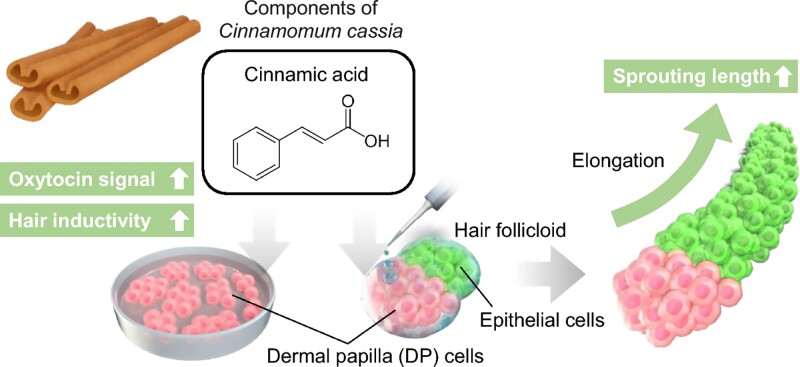
    A compound found in cinnamon, the aromatic spice, has been shown to stimulate hair follicle growth in laboratory experiments. Researchers are now focused on harnessing this discovery to develop a new treatment for reversing hair loss using natural compounds.
    Cinnamic acid, a component of Chinese cinnamon, promoted hair growth in the lab. Credit: Pixabay

    Researchers have demonstrated that a compound found in cinnamon, the aromatic spice, stimulates hair follicle growth in laboratory experiments. They are now directing their efforts toward utilizing this discovery to develop a new treatment for reversing hair loss using natural compounds.

    Our hair is a significant symbol of beauty, pride, and general well-being, playing a pivotal role in shaping our identity and influencing others’ perceptions of us. Conversely, experiencing hair loss can lead to considerable emotional stress and diminish our overall quality of life.

    Hair restoration options currently encompass surgical procedures like hair transplantation or non-surgical approaches involving medications.

    Consequently, there’s a considerable demand among researchers for a new, preferably non-invasive treatment for hair loss. Scientists from Yokohama National University (YNU) in Japan are exploring the potential of cinnamon as this sought-after remedy.

    Oxytocin’s Role in Hair Growth and the Challenge of Skin Absorption

    Previously, they discovered that oxytocin, often dubbed the ‘love hormone,’ stimulates hair growth by enhancing the activity of genes in dermal papilla cells crucial for hair development, growth, and cycling. However, a challenge with administering oxytocin through the skin to activate this pathway lies in its relatively large molecular size, which impedes absorption.

    Now, enter Chinese cinnamon, specifically its cinnamic acid component derived from Cinnamomum cassia.

    Cinnamon is well-known for its broad range of health advantages, which include its anti-aging effects on the skin. Recently, it has been discovered to improve skin elasticity by impacting oxytocin receptors. Cinnamic acid, extensively utilized in cosmetics, boasts a molecular weight significantly smaller than oxytocin.

    The researchers assessed how cinnamic acid affected the expression of oxytocin and genes linked to hair growth. Dermal papilla cells were cultured with varying concentrations of cinnamic acid, ranging from 0 to 2,000 µg/mL.

    Effects of Different Cinnamic Acid Concentrations on Cell Viability and Oxytocin Expression

    Concentrations of 1,000 and 2,000 µg/mL were found to induce cell damage, and concentrations exceeding 500 µg/mL notably inhibited cell proliferation. However, concentrations below 500 µg/mL demonstrated a discernible, dose-dependent increase in oxytocin expression and the expression of genes associated with hair growth.

    Treating hair follicle organoids with cinnamic acid treatment increased their sprouting length, suggesting that the treatment promoted hair growth
    Kageyama et al.

    Researchers developed a human hair follicle organoid, termed a ‘hair follicloid’, capable of regenerating hair shafts. Employing an organoid, essentially a scaled-down organ, enabled the researchers to expose various cells simultaneously to the cinnamic acid treatment, yielding more extensive and reliable data.

    They examined concentrations of 0, 50, 100, and 500 µg/mL on the follicloids for up to 10 days.

    By the eighth day, researchers observed significant increases in hair sprouting length at concentrations of 100 and 500 µg/mL, indicating that the optimal concentration likely lies within that range.

    Compared to oxytocin’s hair growth effects, which produced a 1.3-fold increase, cinnamic acid generated a comparable 1.25-fold increase.

    Potential of Cinnamic Acid for Enhancing Hair Growth Products

    Tatsuto Kageyama, associate professor at YNU’s Faculty of Engineering and the study’s lead author, remarked, “The identification of cinnamic acid as a specific component with hair growth-promoting properties holds great promise for enhancing the effectiveness of hair growth products.”

    He added, “Additionally, the newfound understanding of the mechanism underlying hair growth-promoting effects mediated by oxytocin signaling will offer fresh insights into hair care science and aid in expediting the search for new drugs targeting oxytocin receptor expression in drug discovery.

    However, it’s premature to stock up on Chinese cinnamon in bulk at this stage. Further research will involve experiments on mice with hair loss to determine the effectiveness of administering cinnamic acid through the skin, the necessary dosage, and any potential side effects.

    Individuals interested in conducting personal tests at home can also find cinnamic acid in citrus fruits, grapes, cocoa, spinach, celery, and various brassica vegetables like broccoli, Brussels sprouts, cabbage, cauliflower, collard greens, kale, and turnips.


    Read the original article on: New Atlas

    Read more: Hair Loss & Prostate Drug may Lower Heart Risk in Men and Mice

  • Effect of Wastewater Treatment Plant Effluents on Aquatic Species

    Effect of Wastewater Treatment Plant Effluents on Aquatic Species

    Wastewater Treatment Plant. Credit: Unsplash.

    Effluents from wastewater treatment plants have a complex impact on aquatic ecosystems, leading to shifts in species composition. While some species dwindle, others thrive as a result. 

    His study explores the ramifications of wastewater treatment plant effluents on invertebrate communities in Hesse, shedding light on the broader implications for aquatic ecosystems.

    Wastewater Treatment Plants: A Double-Edged Sword

    Wastewater treatment plants play a vital role in improving water quality, yet they face limitations in eliminating micropollutants, which include pharmaceuticals, pesticides, and synthetic substances.

    These micropollutants persist in treated wastewater, posing an additional threat to rivers and streams. Vulnerable insect communities and aquatic fauna are particularly affected.

    Changing the Paradigm

    Contrary to the conventional belief that human-induced stressors reduce species diversity, this study reveals a different picture. Rather than a decrease in the number of species, there is a notable shift in species composition. 

    By studying 170 wastewater treatment plants in Hesse, researchers found significant alterations in the makeup of invertebrate communities both upstream and downstream of these plants.

    Impact on Species

    Effluents from wastewater treatment plants affect various species differently. Stonefly and caddisfly larvae, for instance, vanish in certain areas, while other taxa, such as specific worms and crustaceans, flourish. 

    These transformations are particularly evident in smaller rivers and streams. Overall, wastewater treatment plants favor pollution-tolerant species at the expense of more sensitive ones.

    Graphical abstract. Credit: Water Research (2023). DOI: 10.1016/j.watres.2023.120388

    Mitigating Water Pollution

    To combat water pollution stemming from wastewater treatment plants, modern techniques like ozonation and activated charcoal filtering can be implemented to enhance the removal of pollutants, including trace substances, from wastewater before discharge. 

    Additionally, consolidating smaller wastewater treatment plants can alleviate environmental stress. Crucially, efforts must ensure that upstream regions remain undisturbed and maintain a healthy chemical and structural state.


    Read the original article on PHYS.

    Read more: When People Actively Listen to Speech, their Eye Movements Decrease.

  • Nano Drug Delivery Advancement Discloses New Opportunities for the Treatment of Pulmonary Fibrosis

    Nano Drug Delivery Advancement Discloses New Opportunities for the Treatment of Pulmonary Fibrosis

    Credit: Lung Disease News

    A current advancement publication by researchers at the Masonic Medical Research Institute has discovered a novel way of treating pulmonary fibrosis. This progressive, incurable disease leads to the stiffening of the lungs through scarring, using nanoparticles.

    However, nano drug delivery is a promising field that offers significant possibilities for the treatment of pulmonary fibrosis. Pulmonary fibrosis is a progressive and chronic lung disease that causes the lungs to become scarred and stiff, causing difficulty in breathing. The condition has no known treatment, and present treatments only aim to manage symptoms.


    Nano drug delivery involves the use of nanoparticles to deliver drugs to certain cells or tissues in the body. This technology offers several advantages over traditional drug delivery techniques, consisting of enhanced drug efficacy, reduced side effects, and the ability to target particular cells or tissues.

    ” While these researches do not yet mainly treat this illness outright, it reveals we have the potential to substantially impact and boost the quality of life for those affected,” stated the research study’s elderly researcher, Jason R. McCarthy, Ph.D., Associate Teacher and likewise Science Operations Director at MMRI.

    Dr. McCarthy and fifteen collaborators on this project, including scientists from the MMRI, Massachusetts General Hospital, and also Harvard Medical School, embarked on this research study in 2015. This year, their findings were posted in the American Journal of Physiology-Lung Cellular and additionally Molecular Physiology.

    Therefore, The group focused on the growth of nanoparticles able to target fibroblasts in the lung– the cell responsible for the scarring– to give an efficient medication that halts the problem’s progression.

    Dr. McCarthy and his team are recently investigating whether this technique can benefit other cell kinds in the lung, likewise elucidating how they work or break down during idiopathic pulmonary fibrosis. Also, they are broadening their research study research beyond the lung to investigate how this strategy can work for organ systems, involving the heart and liver.


    Read the original original article on PHYS.

    Read more: Long-term Air Pollution Exposure Associated to Late-Life Depression.