DALL-E
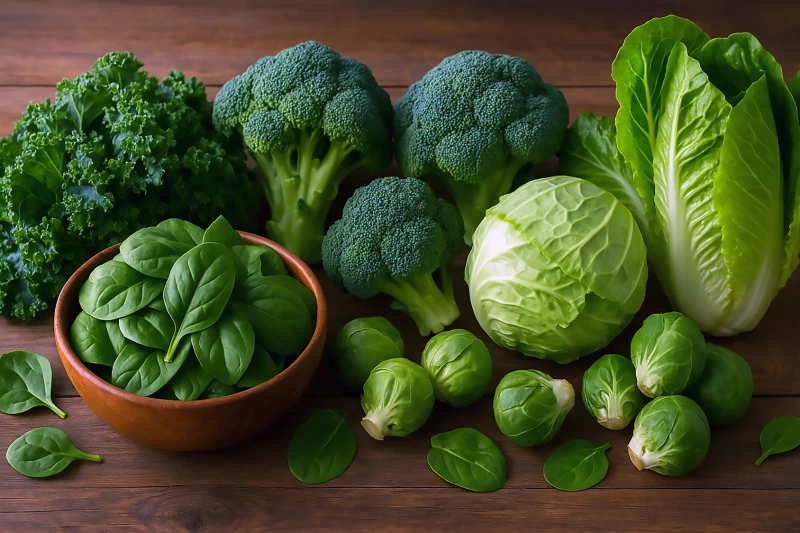
A new long-term study suggests that eating just one additional serving of leafy greens daily—rich in vitamin K1 from foods like spinach, kale, and broccoli—may help protect your heart and lower the risk of death from heart disease.
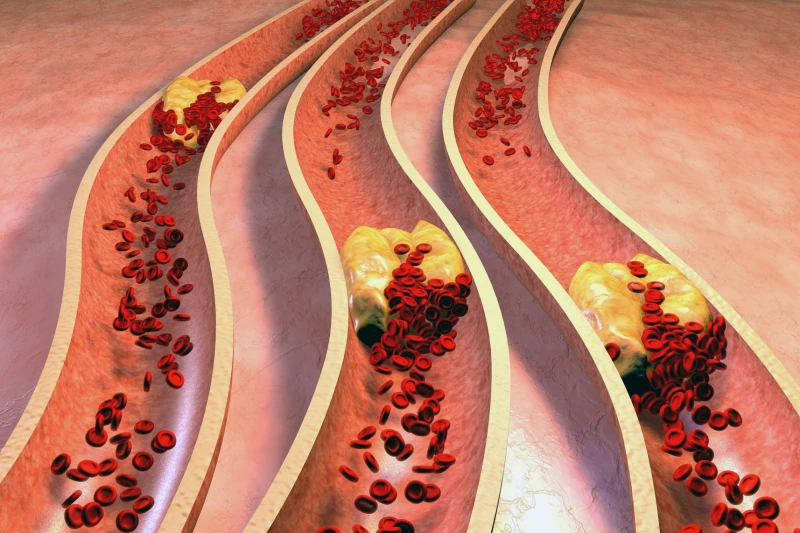
Cardiovascular diseases (CVDs), which affect the heart and blood vessels, are the world’s leading cause of death. A major subset, atherosclerotic vascular disease (ASVD), involves plaque buildup in the arteries that narrows them and limits blood flow. ASVD is the primary driver of CVD-related deaths, as it frequently results in heart attacks and strokes—the deadliest types of CVD.
Leafy Greens Linked to Lower Heart Disease Risk Through Higher Vitamin K1 Intake
A new study from Edith Cowan University, the University of Western Australia, and the Danish Cancer Institute has identified a simple strategy to lower the risk of ASVD: increase vitamin K1 intake by eating more leafy and cruciferous vegetables.
“Vegetables like spinach, kale, and broccoli are rich in vitamin K1, which may help prevent the vascular calcification seen in cardiovascular disease,” said lead author and ECU PhD student Montana Dupuy. “The best part is, these veggies are easy to add to your daily diet.”
Researchers examined whether consuming more vitamin K1 improved heart and blood vessel health in older women, a group at higher risk of ASVD—especially stroke. Investigators focused on early signs of artery thickening (subclinical atherosclerosis) and tracked major cardiovascular events like heart attacks, strokes, hospitalizations, and deaths related to ASVD over time.
“Researchers followed 1,436 Australian women, with an average age of 75, for 14.5 years.” Researchers measured the participants’ vitamin K1 intake at the beginning using a dietary questionnaire and tracked their health outcomes through hospital and death records.
Findings showed that women who consumed more vitamin K1 had thinner carotid artery walls—an indicator of less early-stage atherosclerosis. Those in the highest intake group (about 119 µg/day) had a 43% lower risk of dying from ASVD than those with the lowest intake (around 49 µg/day).The high K1 group also experienced significantly fewer deaths from heart disease and stroke. Although there was a downward trend in hospitalizations for ASVD, it did not reach statistical significance.
Depositphotos
Higher Vitamin K1 Intake Tied to Reduced ASVD Risk, Well Above Current Australian Guidelines
“This study found that women who consumed about 30% more vitamin K1 than what’s currently recommended in Australia had a lower long-term risk of ASVD,” said Dr. Marc Sim, Senior Research Fellow at ECU and the study’s lead author.
The recommended daily vitamin K1 intake is 120 µg for U.S. men and 90 µg for women, but lower in Australia and New Zealand—70 µg for men and 60 µg for women. Reaching 120 µg daily is easy: 1 cup of raw kale has 472 µg, spinach 145 µg, and half a cup of cooked broccoli, Brussels sprouts, or cabbage provides around 82–110 µg.
However, as an observational study, it can only suggest a link—not prove causation. The study has limitations: participants may have reported their diets inaccurately, researchers measured only vitamin K1, and the group—older, mostly white Australian women—may not represent other populations.
Despite its limitations, the study suggests that adding half to one cup of leafy or cruciferous vegetables daily is safe for most and may boost heart health. If you have any concerns, it’s best to consult your doctor before making dietary changes.
Read the original article on: New Atlas
Read more: Fruits and Vegetables May Have an Unexpected Impact on Depression Risk

