


Lumistar
Traditional basketball shooting machines launch balls at different angles to simulate game situations. However, these systems often rely on pre-programmed patterns, training mechanics rather than real-time decision-making.
Their limited computer vision also struggles to adapt to real-world environments, such as changing outdoor lighting or the varying ceiling heights found in different indoor gyms.
AI-Powered Performance Analysis in Real Time
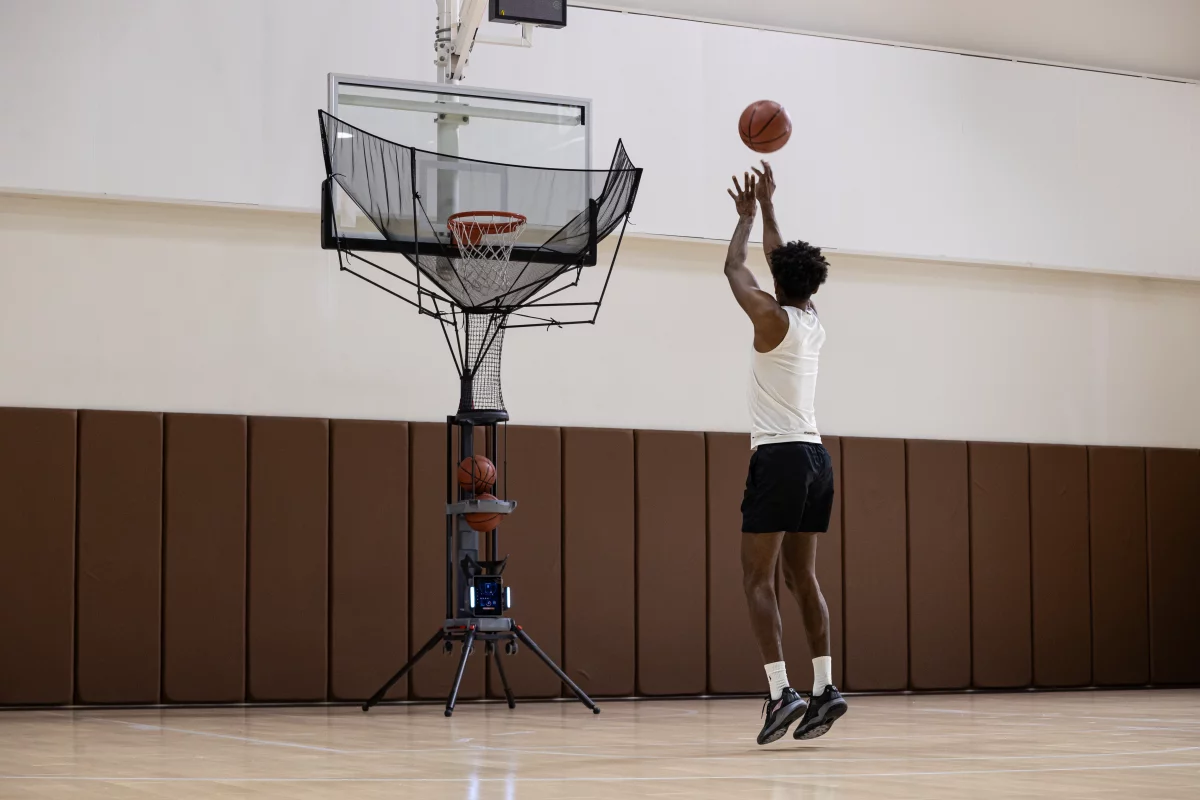
Coaches and athletes typically review wearable and video performance data only after training ends. In contrast, Lumistar’s Carry combines real-time AI coaching with computer vision shot tracking to analyze performance as it happens. The system adapts difficulty, pace, and shot selection to replicate live game conditions.
Lumistar
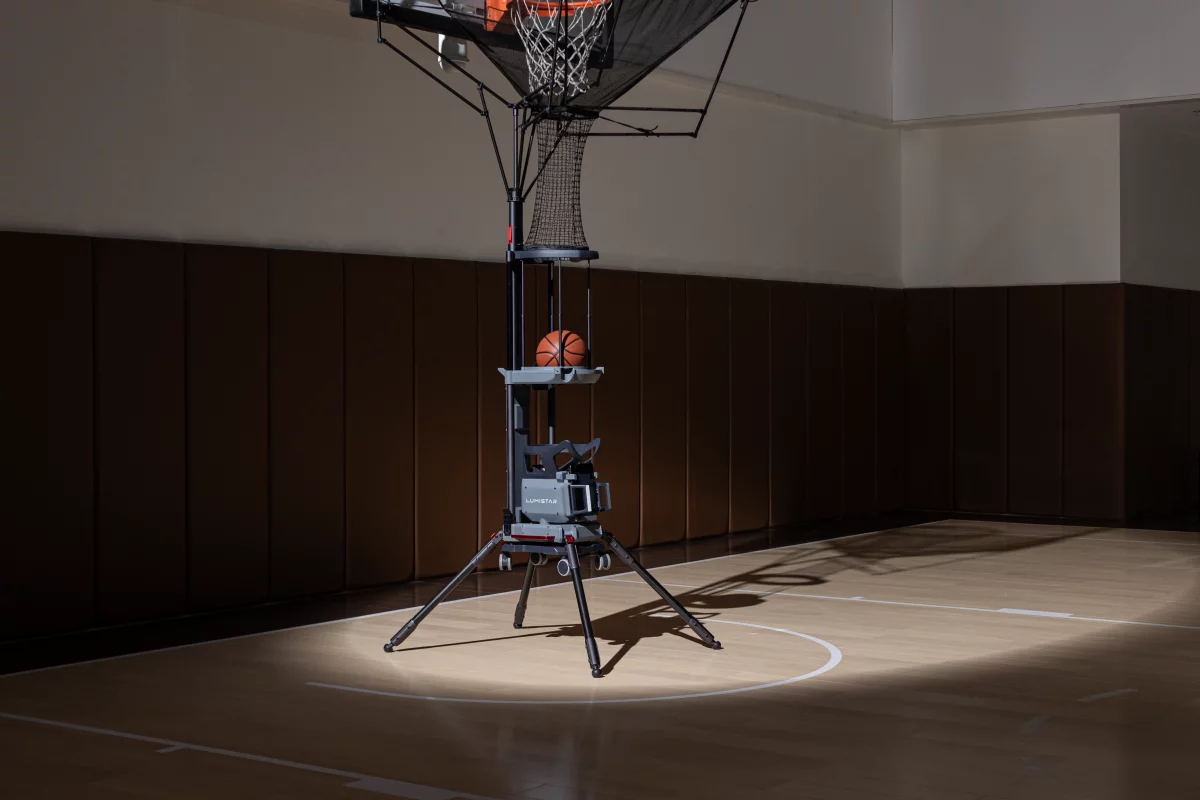
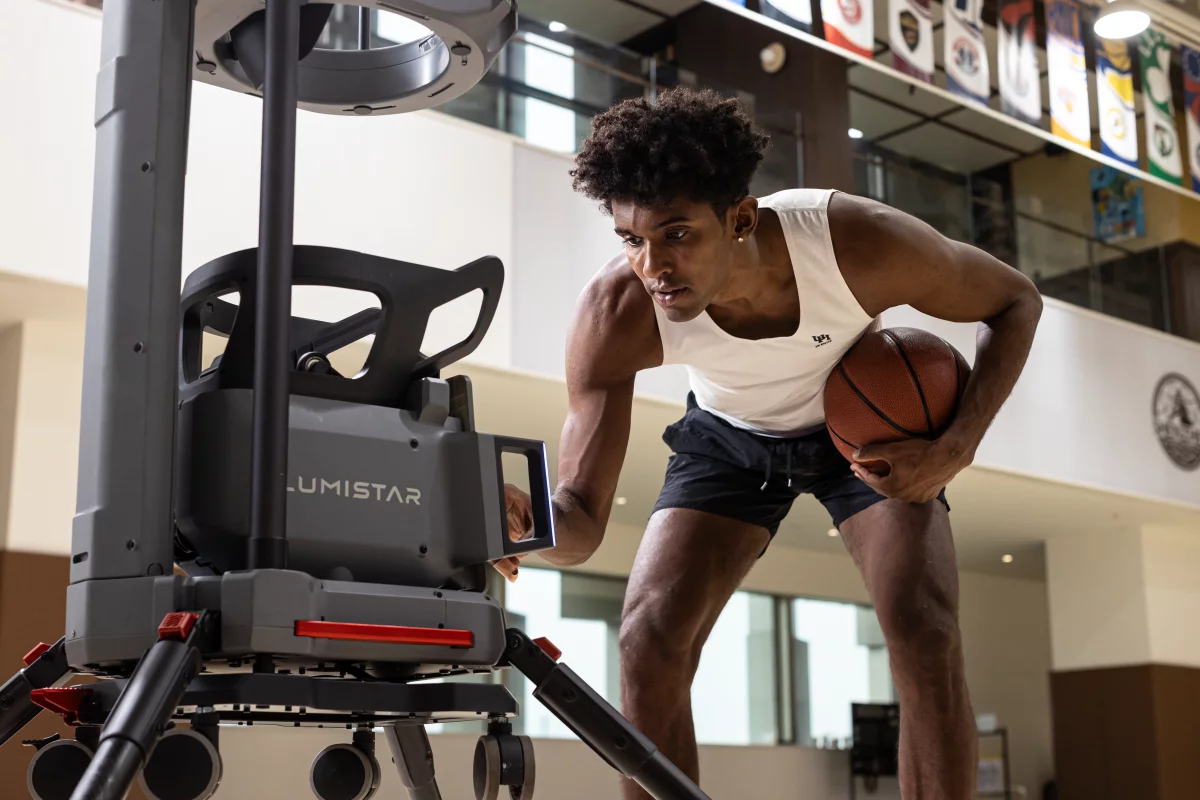
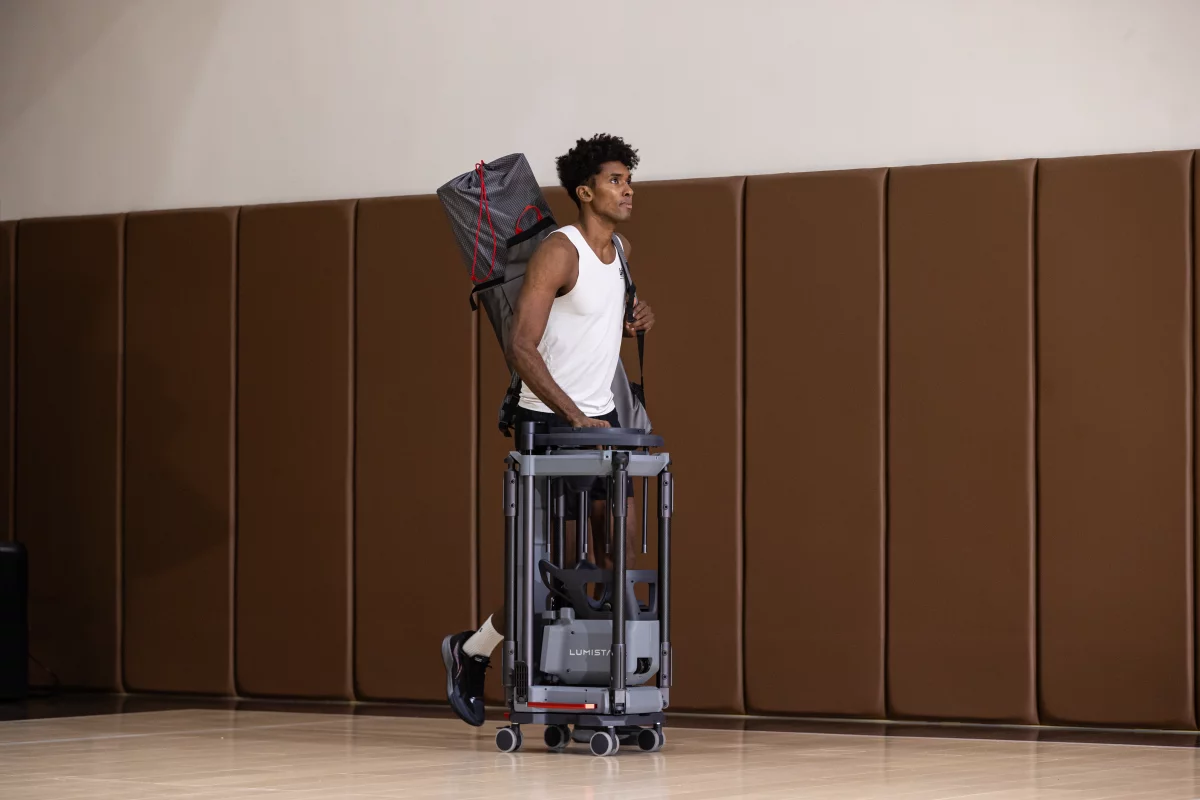
Designed for easy transport and individual use, the Carry weighs 77 lb (35 kg) and features integrated wheels and a built-in handle for effortless mobility. Its compact design allows it to fit conveniently into most car trunks and training environments.
A carbon fiber and aluminum alloy pyramid frame keeps Carry stable during workouts. The tool-free net system sets up in about 60 seconds with a simple power-on and play operation.
AI-Driven Passing That Responds to Player Movement
Instead of remote controls or manual settings, players use a hand gesture to request passes. AI biometrics track their position and deliver timed, realistic passes that match natural movement and rhythm.
Lumistar
Carry uses three 2K HD cameras to track player movement and a fourth camera to follow the ball’s path for a complete view of each shot. This multi-camera system helps minimize blind spots and enhances performance tracking throughout training sessions.
AI Technology Replicates the Dynamics of Real-Game Passing
Advanced motor and AI vision systems create more human-like passing with natural variations in ball speed, spin, and release height. Compared with traditional ball machines, it aims to create a more realistic training experience. The system delivers shots up to 33 ft (10 m), with speeds reaching 500 RPM spin and a 2.5-second pass interval for rapid, spin-enabled response.
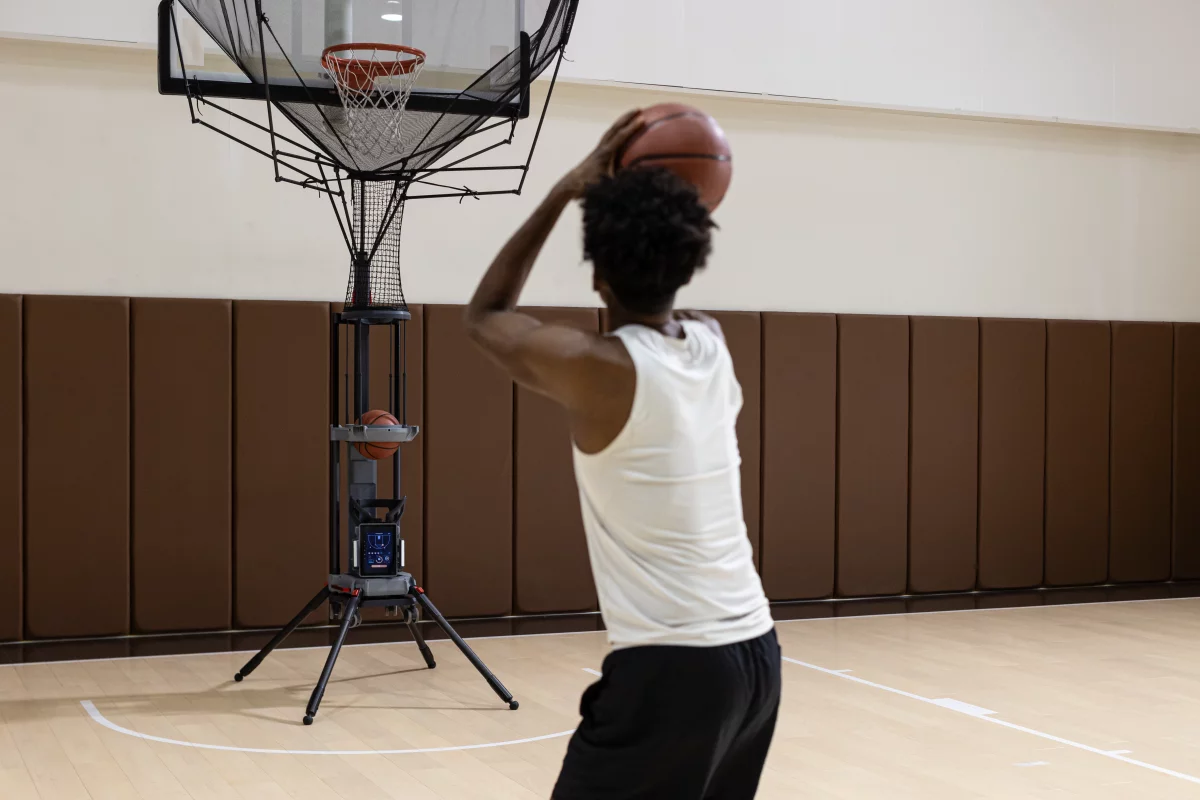
The Carry supports training sessions with up to five players, allowing participants to alternate passes while accessing real-time scores and leaderboard updates displayed on screen.
Lumistar
In multi-ball mode, the Carry can handle up to four balls simultaneously, while its camera system can monitor as many as five players at once. It tracks movements from fingertips to legs and analyzes key performance metrics, including shot direction, backspin, court positioning, and scoring outcomes.
Players can manage training sessions through the Carry’s 10-inch touchscreen or the Lumistar app, allowing them to adjust drills, customize settings, and review AI-generated coaching insights.
The Lumistar app automatically records and stores every session, tracking shot statistics, AI-powered heat maps, coaching feedback, and long-term progress.
Lumistar
Carry offers preset training programs based on shooting distance, court angles, and shot sequences. Its AI system can identify important performance patterns, helping players target specific strengths, weaknesses, movement habits, and positioning strategies. The AI Coach can then create customized training plans designed to address the areas that need the most improvement.
The Carry enhances safety with AI-powered sensors that pause ball delivery when someone enters its protected zone. Its non-friction delivery system supports size 6 and 7 basketballs while reducing wear and maintaining grip during repeated training.
Lumistar
The Carry features a replaceable battery that provides up to four hours of training on a single charge, depending on usage and operating conditions. For extended sessions, the machine can also be connected directly to a wall power outlet.
Lumistar has launched a Kickstarter campaign to support the production of the Carry. Early backers can secure the device for US$2,499, while the standard retail price reaches $4,999. If funding and manufacturing stay on track, the company plans to begin shipping in November.

Read the original article on:newatlas
Read more:Robotic Bird Addresses the Biggest Aerodynamic Weakness of Drones


