


New research suggests that camel milk can help ease the severity of asthma triggered by house dust mites—a common and persistent allergen. Although still in its early stages, the study hints at the potential of using camel milk alongside existing asthma treatments.
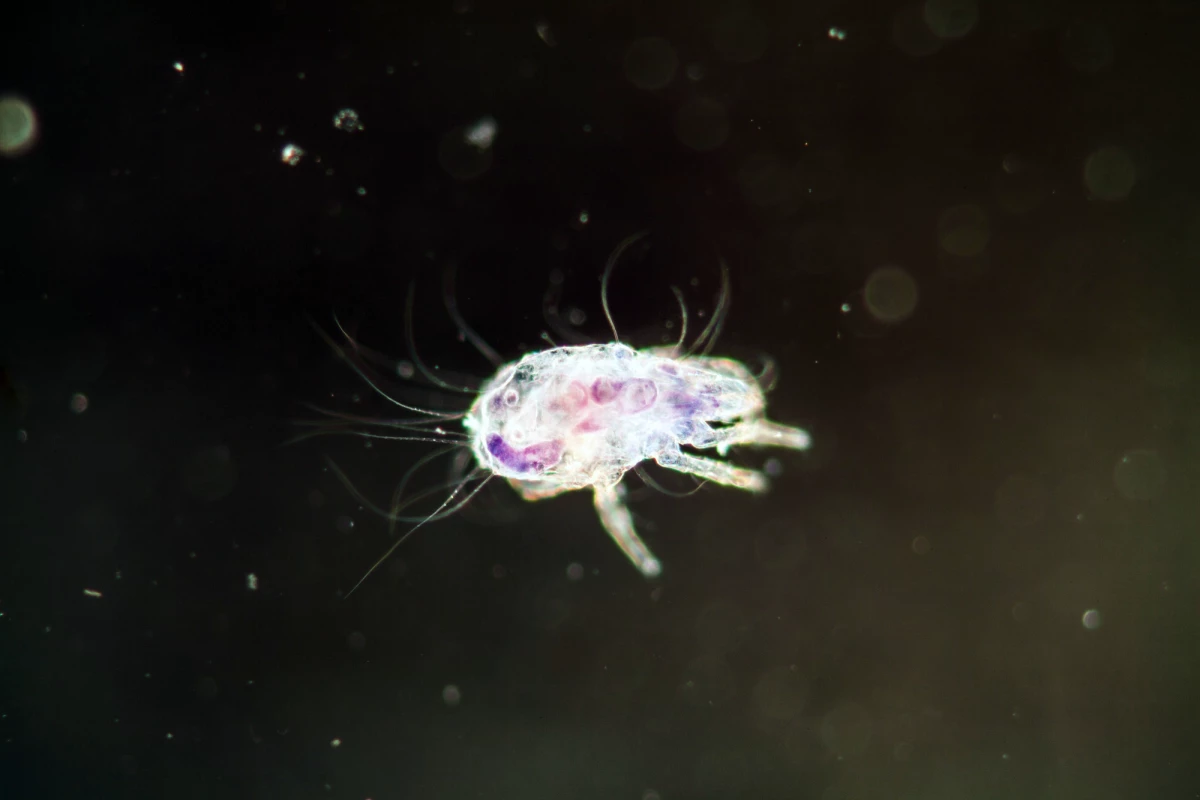
House dust mites (HDM), microscopic organisms found in nearly every home—especially in warm, humid climates—are a major cause of allergic reactions in people with asthma. Since they can’t be completely eradicated, they remain a constant risk.
An international study has shown that camel milk can help reduce both the development and severity of asthma caused by house dust mites (HDM) in mice.
Study Tests Camel Milk’s Impact on Asthma in Mice Using Allergen Exposure and Lung Function Analysis
Researchers tested the effects of camel milk in three groups of mice: healthy controls, HDM-induced asthma models, and HDM-induced mice treated with camel milk. The treated group received 0.5 ml of camel milk orally, five times a week, starting one day before allergen exposure and continuing throughout the study. To assess lung function, the mice were exposed to increasing doses of methacholine, a drug that causes airway narrowing, and samples of lung fluid, tissue, and cells were analyzed for signs of inflammation and immune response.
Mice exposed to HDM without treatment showed heightened airway hyperresponsiveness—a key asthma symptom marked by overly sensitive, easily narrowed airways. Camel milk significantly reduced this sensitivity, bringing airway function closer to normal levels. It also lowered the number of immune cells in the lungs, especially eosinophils, which are closely linked to allergic asthma.
Camel Milk Lowers Inflammatory T Cells, Cytokines, and CCL17 Linked to Asthma Responses
In addition, camel milk reduced levels of helper T cells, specifically Th2 and Th17. Th2 cells drive allergic inflammation in asthma, while Th17 cells are associated with broader inflammatory and autoimmune conditions. The milk also decreased levels of cytokines, the chemical messengers that fuel inflammation, and suppressed CCL17, a protein that draws T cells to sites of inflammation.
Overall, the findings suggest camel milk may have anti-inflammatory and immune-modulating effects that help ease asthma symptoms triggered by allergens.
Depositphotos
Camel Milk Packed with Immune-Boosting Nutrients and Antioxidants Linked to Asthma Relief
Earlier research has highlighted the therapeutic benefits of camel milk, which is richer in minerals, vitamins, and antioxidants than other animal milks. It also contains high-value whey proteins, lactoferrin—a protein known to support the immune system—and immunoglobulin G (IgG), an antibody found at lower levels in many people with asthma.
Although camel milk is packed with bioactive compounds, the study did not pinpoint which specific ingredients were responsible for the observed anti-asthma effects. Another limitation was the lack of comparison with cow’s milk, which is more widely consumed and also known for its immune-supporting properties. Additionally, because the research was done in mice and all the camel milk came from a single farm, the results may not fully apply to humans or reflect milk from different sources, as composition can vary based on breed, region, and environment.
Despite these constraints, the findings are encouraging. Camel milk shows real promise as a supportive treatment for allergic asthma, thanks to its anti-inflammatory and immune-regulating effects. These results align with traditional uses and early human studies suggesting benefits for asthmatic individuals.
Still, human clinical trials are crucial before camel milk can be recommended for asthma treatment or prevention. Future research may explore its use alongside current therapies or as a dietary supplement for people at high risk.
Read the original article on: New Atlas
Read more: Expert Reveals How Drinking a Daily Glass of Milk May Reduce Cancer Risk


