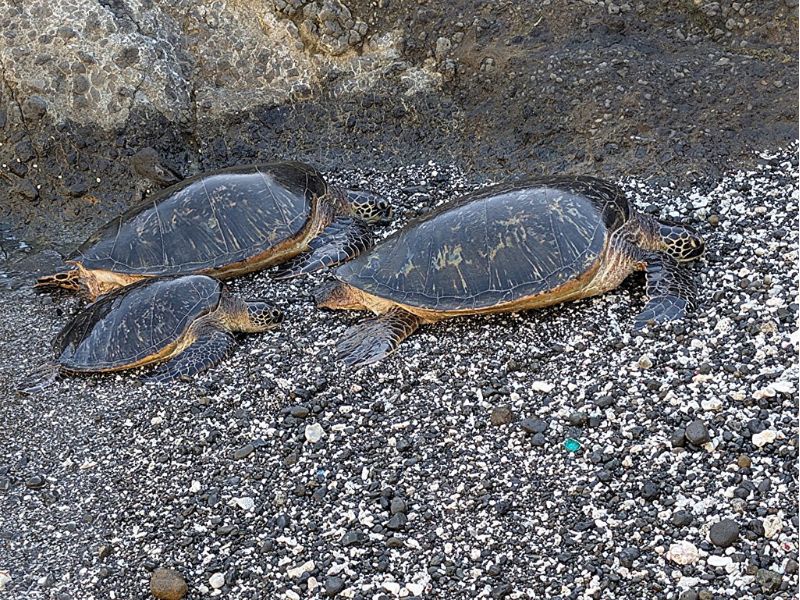
Green sea turtle, Chelonia mydas, in the Ogasawara Islands, Japan. Image Credits: Ministry of the Environment, Government of Japan
Researchers investigated the diet and plastic consumption of green sea turtles living in the waters near the Ogasawara Islands, Japan, finding plastics in 7 out of 10 turtles studied. By combining genetic, isotopic, and plastic analyses, they inferred that the plastics had come from regions outside the turtles’ usual migratory routes, highlighting the impact of transboundary marine pollution. The study was published in the journal PeerJ.
Effects of Plastic Pollution on Sea Turtles
Researchers have detected plastics in a diverse array of marine life, ranging from open-ocean fish and whales to tiny zooplankton. Plastic pollution particularly impacts sea turtles, which scientists often identify as one of the most affected marine species.
Sea turtles ingest plastics through two main routes: unintentionally, when plastics mix with their regular food such as algae, and intentionally, when turtles mistake plastic items for prey like jellyfish. Despite this, researchers still lack comprehensive information on sea turtle diets.
Migration Patterns and Dietary Behavior of Green Turtles
Green turtles inhabit oceans worldwide, primarily in tropical and subtropical waters. In Japan, it breeds on the Ogasawara Islands, situated roughly 1,000 km south of the main islands. Green turtles migrate from the Pacific coasts of Japan to the Ogasawara Islands for mating and nesting.
“During their extensive journey to the Ogasawara Islands, green turtles are prone to ingesting plastics present throughout the ocean in various forms, such as floating debris, sediment particles, and materials entangled with seaweed,” explains Prof. Lee.
“To investigate the factors affecting plastic ingestion and determine the sources of the plastics consumed, we combined morphological and genetic analyses of gut contents with isotopic and plastic examinations of ten green turtles captured on the Ogasawara Islands.”
Insights into Plastic Intake and its Sources
When researchers captured them, the turtles primarily ate macroalgae. DNA analysis suggested that their feeding areas corresponded to three regions where their preferred seaweed species—Ectocarpus crouaniorum, Sargassum muticum, and Lobophora sp.—are abundant. Stable isotope and DNA analyses suggest that during their southward migration to the Ogasawara Islands, the turtles may have eaten drifting seaweed and gelatinous plankton.
Researchers found plastics in the digestive tracts of 7 out of 10 turtles examined. On average, each turtle contained 9.2 ± 8.5 plastic items, ranging from 0 to 31. Notably, larger macroplastics, ranging from 10 cm² to 1 m², made up 56.5% of all items.
Sea turtles ingest not only microplastics (<5 mm) but also larger mesoplastics (5 mm–<2.5 cm) and macroplastics (2.5 cm–<1 m), unlike most studies that focus only on microplastics in marine organisms. These larger items can have more severe impacts on individual turtles and marine ecosystems. The results of this study further support this observation.
The findings suggest the turtles likely ate meso- and macroplastics tangled in drifting seaweed, mistaking them for gelatinous plankton. Markings on the ingested plastics show they came from beyond the turtles’ migratory range, highlighting cross-border pollution.
Prof. Lee emphasized, “This study underscores that plastic pollution crosses borders.”“Reducing plastic pollution—through measures targeting the production, use, and disposal of plastics—requires international collaboration, alongside ongoing research.”
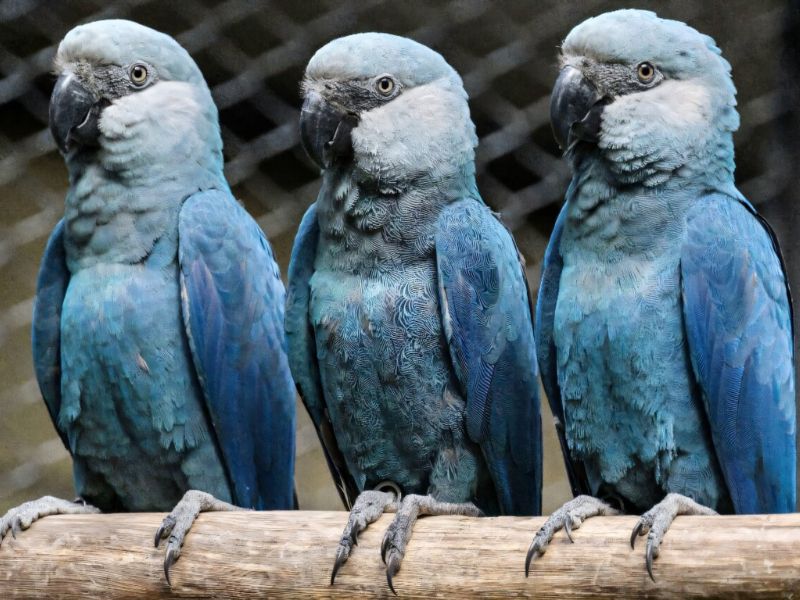
Image Credits: Spix’s macaws live mostly in captivity, with 27 housed at the Sao Paulo zoo.
The Brazilian government announced in a statement to AFP on Thursday that the last wild individuals of a rare blue parrot—only recently reintroduced to their native habitat—have been found to carry a fatal, untreatable virus.
The discovery deals a significant setback to efforts aimed at reestablishing the Spix’s macaw—made famous by the 2011 animated movie Rio—in its native semi-arid region of northeastern Brazil, more than 25 years after the species disappeared from the wild.
Surviving Reintroduced Macaws Hit by Fatal Circovirus Outbreak
Considered among the rarest birds on the planet, the Spix’s macaw has faced steep challenges. Brazil’s conservation authority, ICMBio, told AFP that since they brought a group of the birds from Germany in 2020, they have released about 20, of which only 11 survived.
Researchers have now found that all of the remaining birds carry circovirus, the pathogen that causes beak and feather disease in parrots.
“The illness is incurable and is typically fatal,” ICMBio said in a statement.
An additional 21 macaws housed at a breeding facility in Bahia have also tested positive.
Authorities are currently investigating how the virus emerged, though it poses no risk to humans.
The movie Rio tells the story of a Spix’s macaw raised in captivity in the U.S. that returns to Brazil in an effort to preserve its species.
The real-world conservation campaign has been equally dramatic, complicated by worries about unethical breeders and the illicit trade of rare birds.
Circovirus Threatens the Last Reintroduced Spix’s Macaws
According to ICMBio, the Bluesky breeding facility partners with the German Association for the Conservation of Threatened Parrots (ACTP), which manages about 75% of the world’s registered Spix’s macaws.
Brazil ended its collaboration with ACTP in 2024 after the German group sold 26 Spix’s macaws to a private zoo in India without Brazil’s approval.
At multiple CITES meetings—the international body overseeing wildlife trade—Brazil has voiced ongoing concerns about regulatory gaps that permit the sale of captive-bred Spix’s macaws, thereby encouraging demand for the already vulnerable species.
In addition to losing its natural habitat, the bird disappeared from the wild largely because private collectors created a lucrative market for it.
ICMBio imposed a fine of 1.8 million reais ($336,000) on the BlueSky breeding center for not following required biosafety measures to prevent the virus from spreading.
Inspectors reported that bird feeders were “extremely dirty” and coated with feces, and that staff were tending to the birds while dressed in “flip-flops, shorts, and T-shirts.”
Ithaca, NY— A new study published in Philosophical Transactions of the Royal Society B reveals that both territorial behavior and diet play key roles in determining why certain bird species sing more frequently at dawn.
Tracking Bird Songs in India’s Biodiversity Hotspot
Researchers from the Cornell Lab of Ornithology’s K. Lisa Yang Center for Conservation Bioacoustics, in collaboration with Project Dhvani in India, examined 69 bird species from the Western Ghats—one of the planet’s major biodiversity hotspots—to explore the factors influencing how often birds sing throughout the day.
The researchers used microphones across the forest for passive acoustic monitoring to automatically capture bird sounds. This approach records continuous audio that scientists later analyze to identify which bird species were vocalizing. Passive acoustic monitoring enabled us to simultaneously collect acoustic data from 43 different sites over several months. Lead author Vijay Ramesh of K. said the data volume needed would have been impossible to obtain otherwise. Lisa Yang Center for Conservation Bioacoustics.
Why Birds Sing More in the Early Morning
Their analysis revealed that 20 bird species were significantly more vocal at dawn than at dusk. These early-morning singers included the Gray-headed Canary-Flycatcher, Greater Racket-tailed Drongo, and Large-billed Leaf Warbler. In contrast, only one species—the Dark-fronted Babbler—was found to vocalize more frequently in the evening.
Ramesh and his team explored four potential explanations for why many of the bird species they studied sang more frequently at dawn than at dusk. Existing hypotheses suggest dawn choruses are shaped by microclimatic factors like low wind and cooler temperatures, which help high-pitched songs carry farther and clearer. Other explanations propose birds sing at dawn to defend territory or prepare for feeding as light and insect activity rise. The researchers tested these ideas by combining their recordings with previous data on species’ territorial behavior and diet.
“We discovered that birds with strong territorial behavior and those with omnivorous diets were significantly more likely to sing during dawn hours,” Ramesh explained. The authors propose that early-morning singing helps territorial species assert and defend their space. Omnivorous species—those that consume both fruit and insects—also tended to sing more at dawn. Ramesh suggests this might be because omnivores often join mixed-species foraging groups, where vocal signals are key for coordinating feeding and alerting others to predators. However, he noted that further research involving direct visual observations is needed to verify this hypothesis.
Social Factors, Not Environment, Drive Dawn Singing
The researchers found that other environmental variables they analyzed—such as light intensity and how well sound travels—had little effect on the timing of bird songs, calling into question earlier hypotheses about why birds are more vocal at dawn.
“Our results show that social factors, especially territorial behavior and feeding strategies, play a greater role in shaping dawn singing patterns than environmental conditions,” Ramesh explained.
Researchers studied alpine plant species to explore how flower scent chemistry influences both the diversity of insect pollinators and the bacterial communities on the flowers.
Published in New Phytologist, the study shows that high floral scent chemodiversity—the presence of various chemical compounds—attracts a greater diversity of pollinators but reduces bacterial diversity on flowers. Based on these findings, the researchers proposed the “Filthy Pollinator Hypothesis.”
Key Insights of the Filthy Pollinator Hypothesis
This hypothesis suggests two key points: flowers with more chemically diverse scents attract a wider range of pollinators, increasing the chance of microbial transfer between plants, and that floral scent chemodiversity helps reduce harmful microbial colonization by blocking harmful microbes while still supporting beneficial ones.
“This process may offer an evolutionary reason for why floral scent chemodiversity continues to exist,” said Maximilian Hanusch, Ph.D., corresponding author from Marburg University, Germany.
A team of Taiwan-based scientists has reported a biochemical breakthrough that may transform multiple industries and aid in mitigating climate change. Their study, published in Science, reveals a method to enhance the carbon-fixing pathway and promote plant growth.
This breakthrough, which redesigns a core process essential to life, greatly accelerated plant growth. The modified plants grew two to three times larger and sturdier in less time and, unexpectedly, produced more viable seeds than their unmodified counterparts.
A Complement to the Calvin Cycle in Carbon Processing
The pathways altered in these plants govern the fundamental processing of atmospheric CO₂, rather than the more advanced carbon-use steps involved in building plant structures. The new pathway, called the McG Cycle, generates molecules that integrate into the same routes as those from the Calvin Cycle. In fact, the McG Cycle complements the Calvin Cycle, with each able to make use of the other’s surplus compounds.
In short, the Calvin Cycle remains fully functional, but plants now gain access to additional resources through the McG pathway, which is far more efficient than the natural process.
The experiment was carried out on a weed-like species, but the underlying biochemistry could likely be transferred to other plants without major issues. The potential benefits for forestry are significant: companies might harvest smaller areas of forest while still yielding the same volume of timber. For example, a fast-growing cedar could potentially retain most, if not all, of the qualities of slower-growing conventional trees.
Ecological Risks of Releasing Genetically Enhanced Plants
However, releasing such a heavily engineered organism into the environment raises serious concerns. A genetically modified oak designed to outcompete natural varieties might, over time, dominate entire regions, displacing native oaks. If these “super-oaks” spread into ecosystems traditionally sustained by other species, they could continue proliferating and dramatically alter the balance of the biosphere.
When scientists evaluate genetic modifications of this scale, the risks are considerable—especially for plants that mature more quickly than trees. If applied to food crops, the modification could redefine the issue of food scarcity. Yet the most widely discussed impact concerns the atmosphere. Since plants are nature’s most effective carbon sinks, this advance could enable far greater carbon capture each year and even improve the feasibility of biofuels.
Still, many uncertainties remain—for instance, whether these plants might release the stored carbon back into the atmosphere during decomposition. Regardless, the achievement of altering one of evolution’s most conserved processes is remarkable on its own.
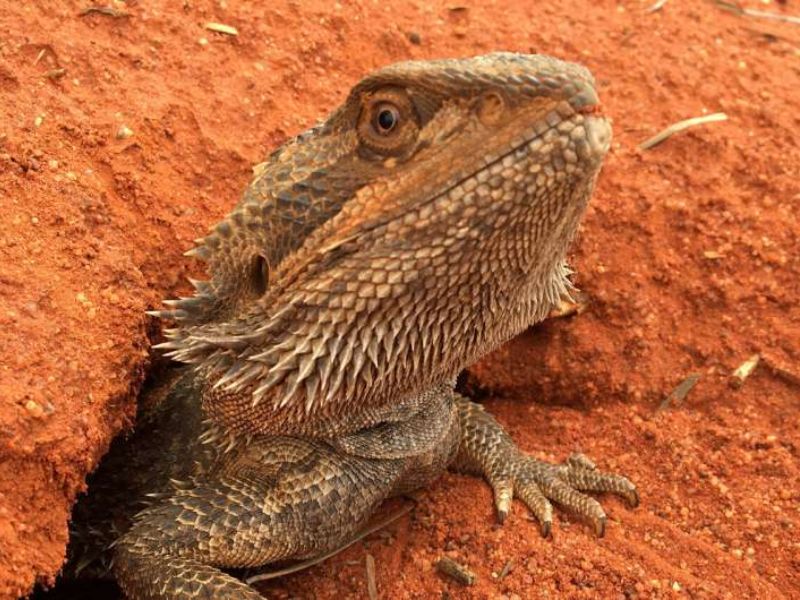
Example of an Australian central bearded dragon (Pogona vitticeps). Image Credits: Duminda Dissanayake
Two separate studies published in GigaScience report the nearly complete reference genomes of the central bearded dragon (Pogona vitticeps), a dragon lizard native to central eastern Australia and widely kept as a pet in Europe, Asia, and North America. This species is unusual because both genetics and nest temperature determine its sex.
Because of this, the species has long served as a valuable model for studying the biology of sex determination. Recent advances in genomics have now pinpointed a specific genomic region and a possible master sex-determining gene that appears to play a key role in male development. The fact that two separate research groups confirmed this result using different methods makes the discovery particularly robust.
Bearded Dragons Can Switch Sex Under High Incubation Temperatures
Bearded dragons possess an uncommon sex determination system shaped by both genetic and environmental influences, especially temperature.
Unlike most animals, where chromosomes alone determine sex, high incubation temperatures can reverse bearded dragons from male to female. So, when incubated at sufficiently warm temperatures, a lizard with male chromosomes can still develop into a fully functional female.
Similar to birds and many reptiles, bearded dragons follow a ZZ/ZW sex chromosome system, with females carrying dissimilar ZW chromosomes and males carrying two identical ZZ chromosomes.
The process becomes more complex because elevated incubation temperatures can transform ZZ males into phenotypic females without using the W chromosome or W-linked genes.
Thanks to new ultra-long nanopore sequencing, researchers can now produce telomere-to-telomere (T2T) assemblies of sex chromosomes and pinpoint non-recombining regions, helping to narrow down potential sex-determining genes in species with chromosomal sex determination.
New Sequencing Technologies Enable Clearer Insights into Z and W Chromosomes
This technology’s ability to more clearly separate maternal and paternal genome halves now makes it much easier to compare Z and W sequences, helping researchers assess whether key sex-related genes may have lost or altered functions.
Researchers at BGI, the Chinese Academy of Sciences, and Zhejiang University produced the first genome by combining DNBSEQ short reads with long reads from the new CycloneSEQ nanopore sequencer—marking the first animal genome published with this platform.
The second genome was generated under the leadership of the University of Canberra, with analysis contributions from the Australian National University, Garvan Institute of Medical Research, University of New South Wales, CSIRO, and the Universitat Autònoma de Barcelona (UAB) in Spain.
This assembly combines PacBio HiFi, ONT ultralong reads, and Hi-C sequencing. Publishing reference genomes with two distinct technologies now makes it possible, for the first time, to directly compare ONT and CycloneSEQ performance. The two methods also complement one another by addressing the question of sex determination from different angles.
Male and Female Genomes Reveal Missing Sequences and Key Sex Determination Clues
In the first effort, researchers sequenced a ZZ male central bearded dragon, providing the first full characterization of the Z sex chromosome. The second assembly focused on the genome of a female ZW individual.
The new nanopore sequencer also recovered about 124 million base pairs of previously missing sequences—nearly 7% of the genome—including many genes and regulatory elements, offering new insights into the species’ complex sex determination system.
Both projects produced 1.75 Gbp genome assemblies of outstanding quality, resolving all but one telomere, with only a few remaining gaps, mostly within the microchromosomes.
The data revealed that the Z- and W-specific sex chromosomes were assembled into single scaffolds, and a “pseudo-autosomal region” (PAR), where the sex chromosomes pair and recombine, was identified on chromosome 16.
BGI Team Identifies Amh, Amhr2, and Bmpr1a as Key Sex-Determining Candidates
In the male dragon genome sequenced by the BGI team, researchers searched for genes present on the Z but absent on the W chromosome. They identified Amh and Amhr2 (the Anti-Müllerian hormone gene and its receptor), along with Bmpr1a, as strong sex-determining candidates.
Similarly, the Australian-led team’s sequencing of the female dragon genome pointed to the same candidate Sex Determination Region (SDR) and also highlighted Amh and Amhr2 as the most likely sex-determining genes.
Analysis of gene expression at different developmental stages showed that Amh displayed strong male-biased expression, making it the leading candidate for the master sex-determining gene.
However, the differing expression of another sex-related gene, Nr5a1, located in the PAR, suggests a more complex mechanism. Nr5a1 encodes a transcription factor that binds to the Amh promoter region. Unlike in many fish species that use Amh-like genes for sex determination, the autosomal copies of Amh and its receptor gene Amhr2 remain intact and active in bearded dragons.
This raises the possibility that sex determination may involve a kind of “council” of genes on the sex chromosomes, influenced by their remaining autosomal counterparts.
Amh and Amhr2 Emerge as Strong Candidates for Master Sex-Determining Genes
The key outcome of these assemblies is the identification of genetic elements on the sex chromosomes that are crucial to male sexual differentiation in vertebrates.
The Amh gene and its receptor Amhr2 have been duplicated onto the Z chromosome within the non-recombining region, making them strong candidates for the master sex-determining gene in this species, likely operating through a dosage-based mechanism—a finding that has remained elusive for years.
Until now, no reptile has been shown to possess a definitive master sex-determining gene comparable to Sry in mammals or Dmrt1 in birds. This study identifies Amh as a compelling candidate, present in two copies in ZZ males but only one in ZW females.
Arthur Georges, from the University of Canberra and senior author of the second paper, emphasized the broader impact of this research: “We expect these new assemblies to accelerate research in diverse fields, including cranial and brain development, behavior, gene–gene and gene–environment interactions in vertebrate sex determination, and many other areas seeking a robust squamate model for comparison with established model organisms such as mice, humans, or birds.”
“I am continually impressed by how quickly Chinese science has advanced. In just a short time, BGI and its partner institutions have developed sequencing technologies that not only match the quality of competitors but also surpass them in throughput and cost-effectiveness. These genome assemblies clearly demonstrate that achievement.”
BGI Team Chose Bearded Dragon Genome to Mark the Year of the Dragon
Qiye Li of BGI, senior author of the first paper and lead author of the Chinese project, explained their reasoning for this choice: We chose the bearded dragon genome as the first animal genome for the new sequencer last year because it coincided with the Year of the Dragon in China.
“With the unbiased long reads produced by the CycloneSEQ sequencer, we were able to generate a highly contiguous genome assembly and resolve regions with high repetitiveness and GC content that have traditionally posed challenges. The two reference genomes, representing opposite sexes and built using different technologies, truly complement one another.”
“I’m thrilled that both genomes highlight the central role of AMH signaling in this species’ sex determination. But an important question remains: how did these sex chromosomes originate? We expect that sequencing additional high-quality genomes from related species will shed light on the evolutionary development of the ZW system and help complete the picture.”
The fact that two independent projects identified the same candidate master genes strongly reinforces the reliability of these results. Moreover, openly sharing the data enables other researchers to build on this foundation, particularly since the precise roles of several other transcription factors involved in sex determination remain unclear.
Still, producing these two high-quality genome assemblies marks a major advance in unraveling the full story of sex determination in the bearded dragon.
Many studies have focused on how climate change leads to biodiversity loss—but MIT researchers have now shown that the reverse is also true: declining biodiversity can undermine one of the planet’s strongest natural defenses against climate change.
In a paper published in PNAS, the team found that naturally regenerating tropical forests with thriving populations of seed-dispersing animals can store up to four times more carbon than similar forests where those animals are scarce.
New Insights into Biodiversity’s Role in Strengthening Tropical Forest Carbon Storage
Since tropical forests serve as the world’s largest land-based carbon sinks, the research offers new insight into how biodiversity helps combat climate change.
“These findings highlight the critical role animals play in sustaining carbon-dense tropical forests,” says lead author Evan Fricke, a research scientist in MIT’s Department of Civil and Environmental Engineering. “If populations of seed-dispersing animals fall, we risk reducing the ability of these forests to mitigate climate change.”
Fricke’s co-authors include MIT’s César Terrer and Charles Harvey, along with Susan Cook-Patton from The Nature Conservancy.
The study integrates extensive data on animal biodiversity, movement patterns, and seed dispersal from thousands of species, along with carbon storage measurements from numerous tropical forest sites.
According to the researchers, their findings offer the strongest evidence to date that seed-dispersing animals significantly influence forests’ capacity to capture carbon. The results emphasize the importance of viewing biodiversity loss and climate change as interconnected challenges within a complex ecological system—not as isolated issues.
“While it’s well known that climate change threatens biodiversity, this research reveals how biodiversity loss can, in turn, intensify climate change,” says Fricke. “Recognizing this two-way relationship helps us better understand these intertwined crises and how to address them. Protecting biodiversity and combating climate change aren’t mutually exclusive—this study shows that advancing one can directly support the other.”
Connecting The Dots
The next time you watch a monkey or bird nibble on fruit, remember they’re doing more than just snacking—they’re performing a key ecological service. Research shows that by consuming fruit and later depositing the seeds elsewhere, these animals support plant germination, growth, and long-term survival.
Fricke, who has spent nearly 15 years studying animal-driven seed dispersal, has previously found that trees without animal help face reduced survival rates and struggle more to adapt to changing environments.
“We’re increasingly exploring how animals might influence the climate through seed dispersal,” Fricke explains. “In tropical forests—where over 75% of trees depend on animals to spread their seeds—a drop in seed dispersal doesn’t just threaten biodiversity. It also weakens the forest’s ability to recover from deforestation. And globally, animal populations are declining.”
While reforesting is widely promoted as a strategy to combat climate change, the role of biodiversity—particularly the presence of seed-dispersing animals—in boosting forests’ carbon absorption has been largely overlooked, especially on broader scales.
Comprehensive Analysis Reveals How Human Impact Alters Seed Dispersal in Tropical Forests
For their research, the team drew on data from thousands of individual studies and applied new methods to quantify complex, interrelated ecological processes. After examining over 17,000 vegetation plots, they chose to focus on tropical regions, analyzing where seed-dispersing animals live, how many seeds each species disperses, and the impact of that activity on seed germination.
They also factored in data on how human activity affects the movement and presence of these animals—finding, for instance, that animals tend to travel shorter distances when consuming seeds in areas with significant human disturbance.
Using this information, the researchers developed a seed-dispersal disruption index, which revealed a clear link between human activity and reductions in animal-driven seed dispersal. They then examined how this index correlated with long-term carbon accumulation in naturally regrowing tropical forests, while accounting for variables like drought, fire frequency, and grazing.
“Bringing together data from so many field studies to map disruptions in seed dispersal was a major undertaking,” Fricke says. “But doing so allowed us to move beyond identifying which animals are present—we were able to measure their ecological functions and see how human pressures interfere with those roles.”
The researchers acknowledged that limitations in the available data on animal biodiversity introduce some uncertainty into their conclusions. They also pointed out that other ecological factors—like pollination, seed predation, and competition—affect seed dispersal and may influence how forests regenerate. Nonetheless, their results align with recent estimates in the field.
“What sets this study apart is that we’re now able to quantify these effects,” Fricke explains. “The fact that disruptions in seed dispersal account for a fourfold variation in carbon uptake across thousands of tropical forest regrowth sites highlights the significant role seed-dispersing animals play in regulating forest carbon.”
Measuring Carbon Loss
In forests identified as suitable for natural regrowth, the researchers found that declines in seed dispersal were associated with an average yearly reduction of 1.8 metric tons of carbon absorbed per hectare—representing a 57% drop in regrowth potential.
Their findings suggest that natural forest recovery is most effective in areas where seed-dispersing animals remain relatively undisturbed. These include recently deforested regions, places near well-preserved forests, or landscapes with substantial existing tree cover.
“When comparing tree planting with natural regrowth, the latter is essentially free, while planting is costly and often results in less diverse ecosystems,” says Terrer. “Thanks to these findings, we can now better identify areas where natural regrowth is likely to succeed because animals are ‘planting’ seeds on their own—and where, due to animal decline, active tree planting becomes necessary.”
To help maintain healthy populations of seed-dispersing animals, the researchers recommend strategies like protecting habitats, creating wildlife corridors, and regulating wildlife trade. They also suggest reintroducing lost species or planting tree species that attract seed dispersers to restore their ecological role.
“Failing to account for the effects of disrupted seed dispersal could lead to overestimating natural regrowth potential in some regions and underestimating it in others,” the authors note.
Findings Highlight Urgency to Study Declining Carbon Uptake in Tropical Forests
The team sees their findings as opening new directions for research. “Forests offer a massive climate benefit by absorbing around one-third of human-generated carbon emissions,” says Terrer. Tropical forests are the world’s most vital carbon sink, yet their carbon uptake capacity has declined in recent decades.
Our next step is to investigate how much of that drop is due to increasing droughts and wildfires versus the loss of animal-driven seed dispersal.
More broadly, the researchers hope this work deepens understanding of the intricate relationships that sustain Earth’s ecosystems.
“When we lose animals, we’re dismantling the ecological framework that supports the health and resilience of tropical forests,” Fricke adds.
The study was funded by the MIT Climate and Sustainability Consortium, the Government of Portugal, and the Bezos Earth Fund.
A well-known wasp species, favored by scientists, has revealed another secret — it can pause its development based on environmental cues, which slows aging in adulthood. This discovery suggests that aging isn’t a fixed process and could lead to new directions in aging research and epigenetic treatments.
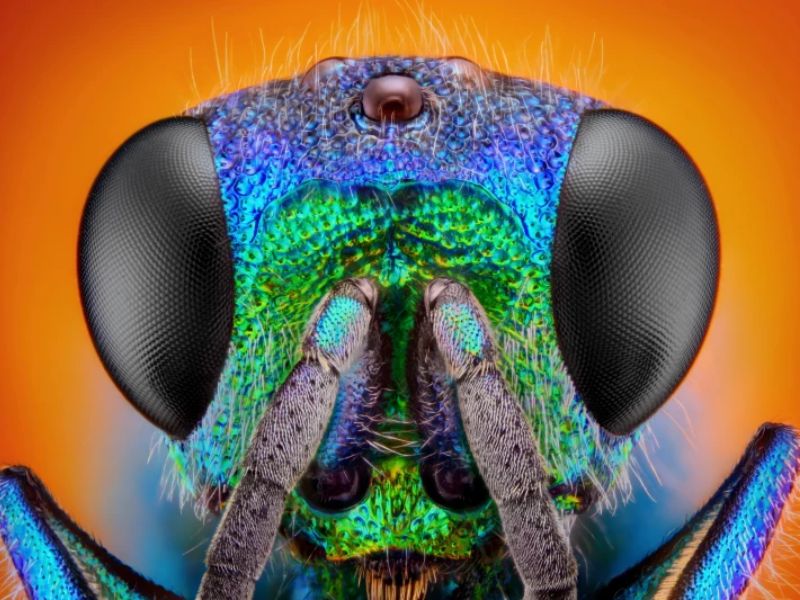
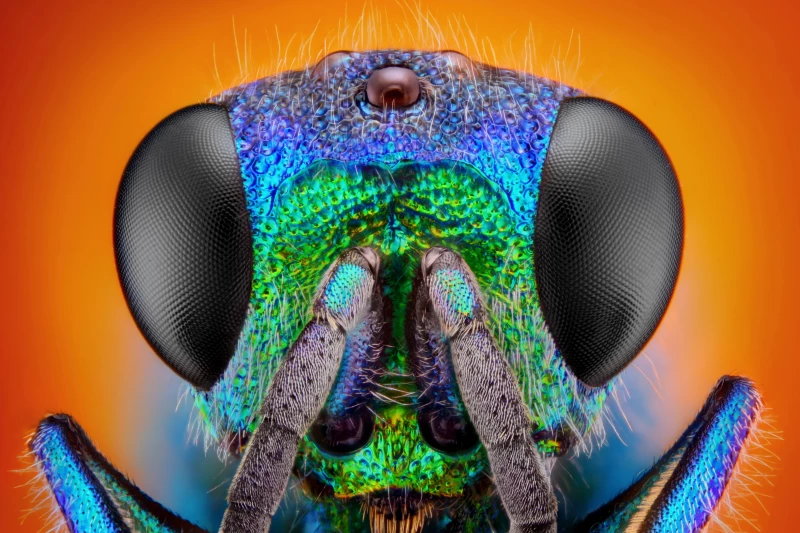
In a groundbreaking study, University of Leicester researchers discovered that early-life environmental factors—not just time—can shape an insect’s epigenetic clock. They discovered that the jewel wasp (Nasonia vitripennis) can enter a pause during its larval stage, called diapause. Wasps that took this developmental “time out” aged at a molecular level 29% more slowly and lived significantly longer than those that didn’t.
Mapping the Wasp’s Epigenetic Clock Through DNA Methylation Analysis
To gauge how quickly the wasps were aging biologically, the researchers analyzed DNA methylation — chemical tags (methyl groups) that attach to specific DNA sites and change in consistent ways with age. Using whole-genome bisulfite sequencing, they mapped these tags across the entire genome at the single-letter level. From over 700,000 methylated regions (CpG sites), they identified those that changed most with age, eventually narrowing it down to 27 key sites that formed the wasp’s epigenetic clock.
To test this, the team used an environmental trigger — exposing mother wasps to cold and darkness — which induced diapause in their offspring. This dormant state lasted three months, after which the young resumed development and reached adulthood.
Something remarkable occurred: the wasps that underwent diapause lived 36% longer — averaging 30 days compared to 22 — and aged about a third more slowly at the molecular level than those that didn’t pause development.
“It’s as if the wasps who took an early-life break came back with time in reserve,” said senior author Eamonn Mallon, professor of evolutionary biology at the University of Leicester. “It shows that aging isn’t set in stone — environmental factors can shape it even before adulthood.”
Diapause Alters the Pace of Aging, Slowing the Epigenetic Clock
Interestingly, the wasps appeared epigenetically older just after diapause (day six), likely due to methylation shifts during reactivation. But by day 30, they were biologically 2.7 days younger than their non-diapause peers — a meaningful delay in aging when translated to human terms.
An epigenetic clock is like a biological timer that gauges how old your body—or a specific part of it—appears on a molecular level. It does this by tracking changes in DNA methylation. Think of DNA as your body’s blueprint, and methylation as the wear it accumulates over time. Epigenetic clocks monitor these changes to estimate an organism’s biological age, which may differ from its actual chronological age.
This concept has become a hot topic in gerontology, as scientists explore ways to extend healthy aging.
Youthful Hibernation Slows Aging in Wasps, Offering Clues for Human Longevity
In wasps that experienced a kind of youthful hibernation, their biological clocks ticked more slowly throughout life. This offers the first clear evidence that biological aging can be influenced in an invertebrate. Although this type of dormancy isn’t applicable to humans, studying the underlying molecular changes that help preserve wasp DNA may provide valuable insights into the science of aging.
Interestingly, this wasp species also follows a gruesome reproductive strategy: females paralyze fly pupae by injecting venom, then lay their eggs inside. As the larvae hatch, they feed on the still-living host, carefully avoiding vital organs to keep it alive until they’re ready to emerge.
Despite their macabre life cycle, these wasps are a promising model for aging research. Unlike many other invertebrates, they have an active DNA methylation system similar to humans. Their short lifespan and this molecular similarity make them ideal for studying the aging process. They’ve also been studied in neurobiology, especially after their brain was mapped in detail in 2019.
What Wasps Can Teach Us About Slowing Time at the Molecular Level
“Aging is one of science’s biggest puzzles,” said Mallon. “This study doesn’t just tell us more about wasps—it raises exciting possibilities about future molecular-level strategies to slow aging.”
This research is the first to demonstrate the lasting impact of a dormant state that some animals can enter. Scientists found that specific biological pathways drive this molecular slowing of aging — including ones linked to insulin and nutrient sensing that also exist in humans. These shared pathways are now a focus of aging research.
Surprisingly, this tiny parasitic wasp shares more biological similarities with us than one might expect. Its epigenetic clock and the way it ticks are drawing significant attention from scientists.
“With its genetic toolkit, measurable signs of aging, and a clear connection between development and lifespan, Nasonia vitripennis is emerging as a key model in aging studies,” Mallon said. “In essence, this small wasp might offer major insights into how we could slow the aging process.”
A global group of coral experts is urging immediate regulatory changes to enable assisted gene flow (AGF), a key method for strengthening coral resilience, before climate change leads to more reef loss and permanent damage to coral ecosystems.
Policy Steps to Support Global Coral Broodstock Exchange
In Science, researchers outline regulatory changes to enable international coral exchange and boost genetic diversity for reef restoration.
They suggest adapting plant-sharing rules, creating regional coral biobanks, and using political alliances for faster cross-border transfers. These reforms have become essential as current global carbon reduction efforts have failed to sufficiently slow ocean warming.
“We need new strategies to protect coral reefs, and updating regulations is key to global collaboration,” said lead author Andrew Baker.
Assisted gene flow (AGF) is the intentional transfer of individuals or their reproductive cells between populations of the same species to promote interbreeding. The goal is to boost genetic diversity and traits like resilience or disease resistance, especially in the face of climate change.
First Cross-Border Coral Outplanting Targets Florida Reef Recovery
The new study was published just three weeks after elkhorn corals—bred from a cross between parent corals from Florida and Honduras—were planted on Miami reefs. This marked the first time corals from different countries were approved for outplanting on wild reefs. After the severe coral losses of the 2023 heatwave, researchers created these crossbreeds to aid Acropora palmata’s genetic rescue and restore Florida’s reefs.
The successful creation and outplanting of “Flonduran” corals paves the way for research on their role in reef restoration.
“We need to expand assisted gene flow and build biobanks to preserve and breed diverse Caribbean corals,” said Andrew Baker. “These steps are key to scaling climate-resilient coral efforts and giving reefs a fighting chance.”
Study Weighs Genetic Rescue Against Risks Like Outbreeding Depression
The paper also warns that introducing outside genes could cause outbreeding depression, disrupting traits key to local survival.
“Risks exist, but inaction isn’t an option—many corals can’t keep up with rapid warming,” said co-author Iliana Baums. “Assisted gene flow has boosted resilience in other animals and could be crucial for stressed corals.”
Coral reefs around the world face mounting threats from climate-driven ocean warming, along with nutrient pollution, disease, and other stressors. The 2023–2025 bleaching event marked the fourth global bleaching event on record, affecting 84% of the planet’s coral reefs.
“Addressing these challenges needs regional coordination, as most reefs can’t gain genetic diversity quickly enough,” said Andrew Baker. “We need bold international strategies and regulatory reforms to scale up—this paper shows the way.”
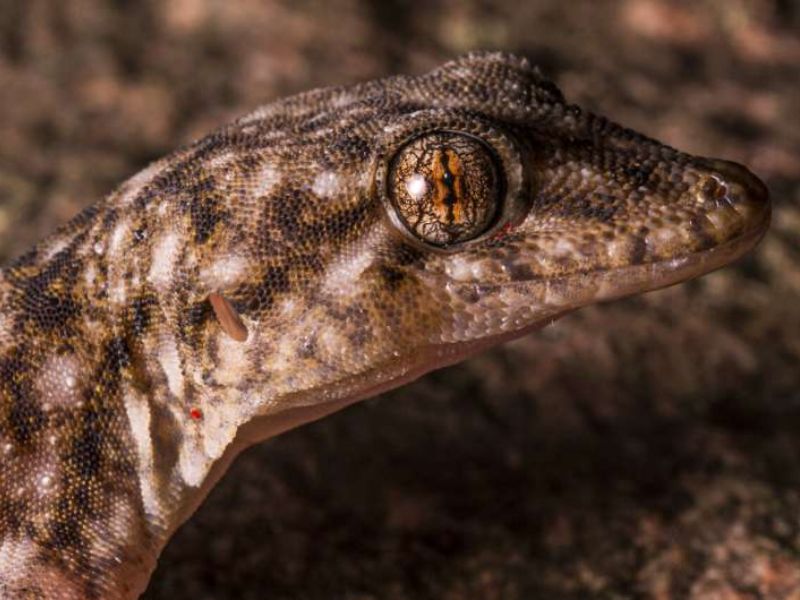
Paragehyra tsaranoro. Image Credits: Javier Lobón-Rovira
Researchers have identified a new gecko species, Paragehyra tsaranoro, in Madagascar’s Tsaranoro Valley. This microendemic reptile lives exclusively in three small forest patches within the region. Due to ongoing deforestation, the species faces significant threats, emphasizing the urgent need for conservation. Community-managed reserves play a crucial role in protecting vulnerable species like P. tsaranoro. The researchers detailed their findings in the journal ZooKeys.
An international team of herpetologists has identified a new gecko species that had gone unnoticed among the granite boulders on the western slopes of the Andringitra Massif in southeastern Madagascar.
Lead author Francesco Belluardo says they named Paragehyra tsaranoro after the valley where they first found it. The species is unique to Madagascar and microendemic, inhabiting a very limited area.
Paragehyra tsaranoro. Image Credits: Javier Lobón-Rovira
Paragehyra tsaranoro has so far been found in just three small forest fragments, all within a 15-kilometer radius. These isolated patches are remnants of a once-continuous forest, now fragmented by deforestation a major threat to Madagascar’s biodiversity.
“The results highlight the need to study small forest fragments, which are vital for documenting the full diversity of Malagasy reptiles and amphibians,” the researchers note.
Due to its extremely limited distribution and the continued loss of habitat, the authors propose classifying this gecko as Critically Endangered on the IUCN Red List. As with many of Madagascar’s endemic species, deforestation poses a serious risk to its survival through habitat destruction and fragmentation.
Researchers Urge Stronger Community Support to Safeguard Endangered Gecko
The research team which includes Angelica Crottini, Javier Lobón-Rovira, Gonçalo M. Rosa, Franco Andreone, Malalatiana Rasoazanany, Costanza Piccoli, and Ivo Oliveira Alves emphasizes the need for greater support for local communities in efforts to conserve the species.
Notably, most of P. tsaranoro’s known habitat falls outside of Madagascar’s official protected areas. The only existing conservation initiatives are community-managed reserves, established to promote sustainable livelihoods while safeguarding local biodiversity.
Paragehyra tsaranoro. Image Credits: Javier Lobón-Rovira
“Building on earlier studies in the area, it’s becoming clear that this landscape harbors many hidden biodiversity treasures, including other microendemic reptiles unique to this region,” says Belluardo. “The community-managed reserves serve as vital sanctuaries for local wildlife.”
“Interestingly, many of these small forest patches are referred to as Forêts sacrées, or sacred forests, by the local Betsileo people, as they contain boulders used as ancestral tombs. Efforts to preserve this cultural heritage have also contributed to protecting native species—highlighting how conserving biodiversity often aligns with maintaining cultural traditions.”
We use cookies on our website to give you the most relevant experience by remembering your preferences and repeat visits. By clicking “Accept All”, you consent to the use of ALL the cookies. However, you may visit "Cookie Settings" to provide a controlled consent.
This website uses cookies to improve your experience while you navigate through the website. Out of these, the cookies that are categorized as necessary are stored on your browser as they are essential for the working of basic functionalities of the website. We also use third-party cookies that help us analyze and understand how you use this website. These cookies will be stored in your browser only with your consent. You also have the option to opt-out of these cookies. But opting out of some of these cookies may affect your browsing experience.
Necessary cookies are absolutely essential for the website to function properly. These cookies ensure basic functionalities and security features of the website, anonymously.
Cookie
Duration
Description
cookielawinfo-checkbox-analytics
11 months
This cookie is set by GDPR Cookie Consent plugin. The cookie is used to store the user consent for the cookies in the category "Analytics".
cookielawinfo-checkbox-functional
11 months
The cookie is set by GDPR cookie consent to record the user consent for the cookies in the category "Functional".
cookielawinfo-checkbox-necessary
11 months
This cookie is set by GDPR Cookie Consent plugin. The cookies is used to store the user consent for the cookies in the category "Necessary".
cookielawinfo-checkbox-others
11 months
This cookie is set by GDPR Cookie Consent plugin. The cookie is used to store the user consent for the cookies in the category "Other.
cookielawinfo-checkbox-performance
11 months
This cookie is set by GDPR Cookie Consent plugin. The cookie is used to store the user consent for the cookies in the category "Performance".
viewed_cookie_policy
11 months
The cookie is set by the GDPR Cookie Consent plugin and is used to store whether or not user has consented to the use of cookies. It does not store any personal data.
Functional cookies help to perform certain functionalities like sharing the content of the website on social media platforms, collect feedbacks, and other third-party features.
Performance cookies are used to understand and analyze the key performance indexes of the website which helps in delivering a better user experience for the visitors.
Analytical cookies are used to understand how visitors interact with the website. These cookies help provide information on metrics the number of visitors, bounce rate, traffic source, etc.
Advertisement cookies are used to provide visitors with relevant ads and marketing campaigns. These cookies track visitors across websites and collect information to provide customized ads.