Tag: Heart

  • Scientists use a Spinach Leaf to Make an Artificial Heart

    Scientists use a Spinach Leaf to Make an Artificial Heart

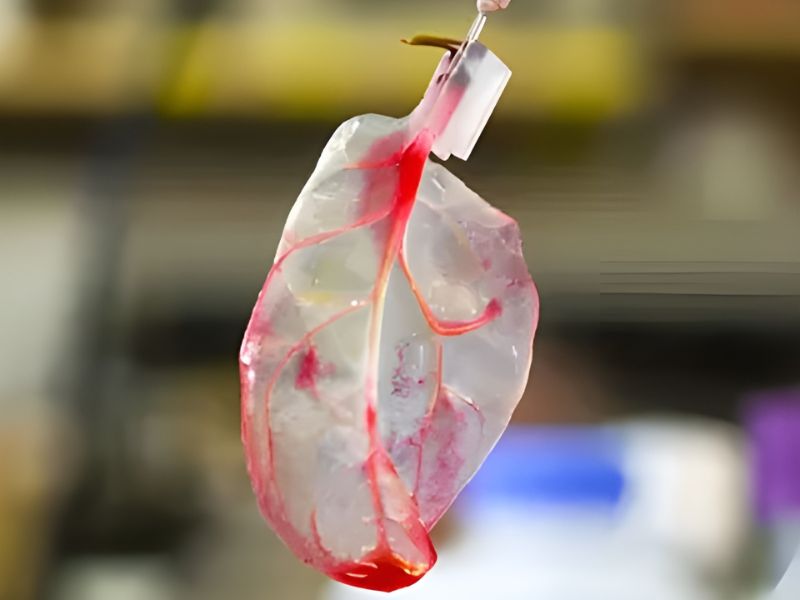
    Medical progress doesn’t always come from cutting-edge technology or sophisticated machinery; sometimes it starts with simple observation. That was the case when scientists examined a spinach leaf and recognized its potential as the foundation for an experimental artificial heart, created in the lab to support research on heart disease and tissue regeneration.
    Image Credits:Pesquisa científica demonstra como folhas de espinafre serviram de base para um coração artificial experimental com células humanas. Fonte: Worcester Polytechnic Institute

    Medical progress doesn’t always come from cutting-edge technology or sophisticated machinery; sometimes it starts with simple observation. That was the case when scientists examined a spinach leaf and recognized its potential as the foundation for an experimental artificial heart, created in the lab to support research on heart disease and tissue regeneration.

    The study was conducted by researchers at Worcester Polytechnic Institute in the United States and published in 2017 in the journal Biomaterials.

    A Renewed Spotlight on an Unconventional Breakthrough

    While the research is not new, it has regained attention in recent years for its unusual solution to one of medicine’s biggest challenges: developing living heart tissue with a working circulatory system.

    Cardiovascular diseases remain the leading cause of death worldwide.

    Meanwhile, the number of available organs for transplantation falls far short of patient needs.

    In this context, studies focused on artificial hearts and tissue engineering have become increasingly important.

    Rather than aiming to fully replace the human heart right away, the research seeks to create biological structures that can aid treatments, enable drug testing, and eventually help reduce reliance on organ transplants.

    Nature’s Blueprint for Blood Circulation

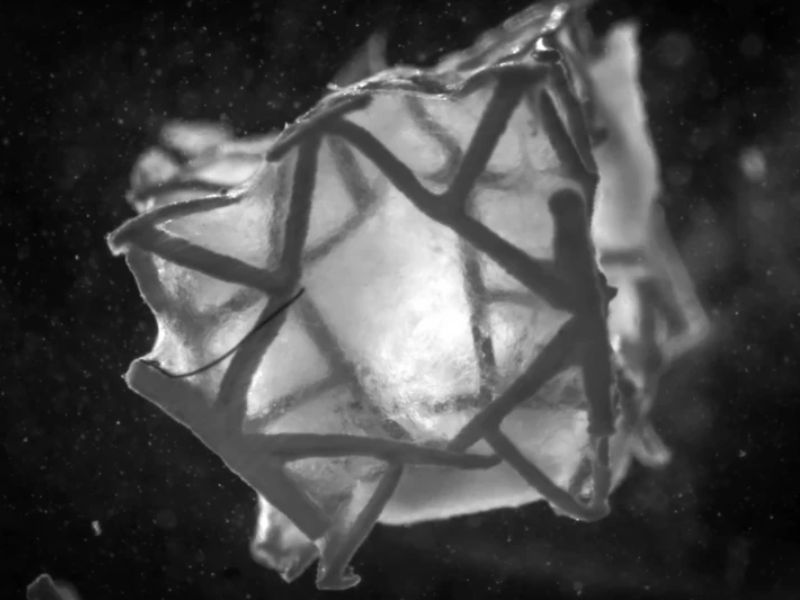
    These naturally branching patterns are similar to the network of human blood vessels. Because of this resemblance, researchers proposed that the leaf could serve as a natural blueprint for fluid flow, an essential feature of any artificial heart.

    To allow the introduction of human cells, all of the plant’s original cells had to be removed.

    This step, called decellularization, strips away the living plant tissue while leaving the leaf’s structural framework intact.

    The result was a clear, lightweight, and durable cellulose scaffold that preserved the leaf’s internal channels, forming a network capable of efficiently transporting fluids.

    Image Credits: Worcester Polytechnic Institute

    With the scaffold prepared, the researchers seeded the spinach framework with human heart muscle cells.

    From that point, the experiment entered its most carefully monitored stage.

    Within days, the cells began to arrange themselves and display characteristics typical of living tissue.

    Scientists observed spontaneous contractions under a microscope, signaling activity similar to that of functional heart muscle.

    Testing the Leaf’s Ability to Circulate Fluids

    To determine whether the plant-based structure could perform one of the heart’s most complex roles—circulation—the team injected blood-like fluids into the leaf’s veins.

    The fluid moved smoothly and continuously through the spinach’s internal network.

    This outcome was especially significant, as insufficient vascularization remains one of the biggest challenges in developing lab-grown tissues and artificial hearts.

    Despite these promising findings, researchers stress that the model is still far from clinical use.

    At present, it serves mainly as an experimental platform for research.

    Even so, the method may aid in the development of tissues to treat heart attacks, cardiac injuries, and congenital defects.

    In addition, scientists are experimenting with other plant species, broadening the potential applications of this strategy.

    An Innovative, Low-Cost, and Sustainable Approach

    Using a spinach leaf as the basis for an artificial heart stands out not only for its originality but also for its affordability and environmental sustainability.

    The study highlights how innovative breakthroughs can arise from simple materials when examined through a fresh scientific lens.

    Although it has no immediate medical application, the research marks a meaningful advance in regenerative medicine and suggests that future cardiac therapies may be more closely linked to nature than once thought.


    Read the original article on: Clickpetroleoegas

    Read more:Russian Scientists Test a Plasma Engine that could Shrink Mars Travel to 30 Days
  • Exercise Strengthens The Heart and Retrains its Nerves

    Exercise Strengthens The Heart and Retrains its Nerves

    New research shows that regular aerobic exercise not only strengthens the heart muscle but also subtly reshapes the nerves that regulate its function.
    Moderate exercise reshapes the heart’s nerve control system in a side-specific way that could improve treatment of common cardiac disorders. Imade Credit: Stock

    New research shows that regular aerobic exercise not only strengthens the heart muscle but also subtly reshapes the nerves that regulate its function.

    Regular exercise does more than build a stronger heart. New findings show it also reshapes the nerve network that governs how the heart operates, a discovery that could pave the way for more targeted and effective therapies for common cardiac disorders.

    In a study led by scientists at the University of Bristol in the UK, researchers found for the first time that moderate aerobic exercise affects the heart’s nerve control differently on the left and right sides. The researchers recently published their results in Autonomic Neuroscience.

    By uncovering these distinct patterns in the heart’s nervous system, the research could ultimately contribute to better treatments for issues such as abnormal heart rhythms, chest and angina pain, and stress-related conditions like “broken-heart” syndrome.

    A Hidden Left–Right Difference is Revealed

    Dr. Augusto Coppi, the study’s lead author and a Senior Lecturer in Veterinary Anatomy at the University of Bristol, explained that the findings reveal a previously unknown left–right pattern within the body’s automatic nervous system that regulates the heart.

    He noted that these nerve clusters function much like a dimmer switch for heart activity, and the research shows that regular, moderate exercise reshapes this control system differently on each side. This side-specific effect may help explain why certain treatments are more effective on one side than the other and could eventually allow doctors to tailor therapies with greater precision.

    Researchers conducted the study in partnership with University College London in the UK, and the University of São Paulo and Federal University of São Paulo in Brazil. Using advanced three-dimensional quantitative imaging techniques known as stereology, the researchers found that rats trained over a 10-week period developed about four times as many neurons in the right-side cardiovascular nerve cluster compared with untrained rats. Meanwhile, neurons on the left side nearly doubled in size, while those on the right side became slightly smaller.

    Potential Impacts on the Treatment of Heart Conditions

    Dr. Coppi noted that conditions such as irregular heart rhythms (arrhythmias), stress-related “broken-heart” syndrome, and some forms of chest pain are commonly treated by reducing activity in the stellate ganglia—small paired nerve centers in the lower neck and upper chest that send stimulatory signals to the heart.

    He added that by charting how exercise affects these ganglia differently on each side, the research provides insights that could eventually help refine treatments like nerve blocks or denervation, targeting the side most likely to be effective. He emphasized that the results are preliminary and come from animal studies, so researchers will need to conduct further clinical studies in humans.

    Moving Toward more Targeted, Personalized Treatments

    The researchers plan to study how these structural nerve changes relate to heart function both at rest and during exercise. They also aim to investigate whether the same left–right pattern exists in other animals and in humans using non-invasive methods. This could reveal whether targeting one side of the nerve cluster improves the effectiveness of treatments like stellate nerve blocks or denervation for arrhythmias, stress-related “broken-heart” syndrome, and hard-to-treat angina.

    Dr. Coppi added that understanding these left–right differences could help tailor treatments for heart rhythm disorders and angina. The next step is to see how these structural changes correspond to heart function and whether similar patterns are present in larger animals and humans.


    Read the original article on: SciTechDaily

    Read more: Shingles Vaccine Tied to Lower Risk of Heart Attack and Stroke

  • Man Survives 100 Days with Artificial Titanium Heart in Successful Trial

    Man Survives 100 Days with Artificial Titanium Heart in Successful Trial

    An Australian man survived 100 days with an artificial titanium heart—the longest anyone has lived with the device—while waiting for a donor transplant.
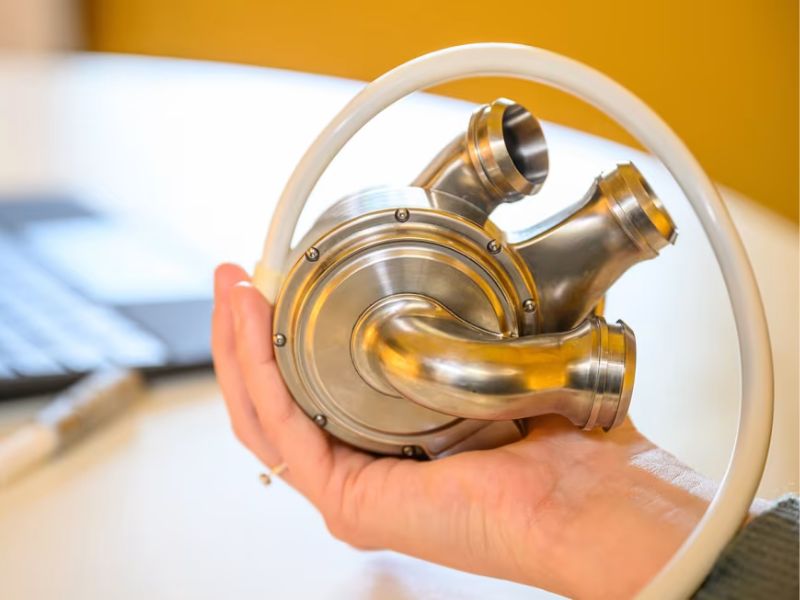
    Image Credits:The BiVACOR Total Artificial Heart has a single moving part – a levitated rotor that’s held in place by magnets. 
    BiVACOR

    An Australian man survived 100 days with an artificial titanium heart—the longest anyone has lived with the device—while waiting for a donor transplant.

    The patient, a man in his 40s who chose to remain anonymous, received the implant at St. Vincent’s Hospital in Sydney last November.

    First Patient to Leave Hospital with Artificial Heart Survives Until Transplant

    In February, he made history as the first person worldwide to leave the hospital with the device, which sustained him until a donor heart became available earlier this month.

    St Vincent’s Hospital, Monash University, and BiVACOR—the US-Australian company that developed the device—said Wednesday that the man, who had severe heart failure, was “recovering well.”

    Doctors hail his prolonged survival with the device as a promising sign that artificial hearts could eventually provide a long-term solution for people with heart failure. However, the device is still in trials and has not received approval for widespread use.

    Image Credits:(L-R) Prof Chris Hayward and Dr Paul Jansz worked with Dr Daniel Timms to get his artificial heart invention ready for clinical trials. 
    St Vincent’s Hospital Sydney

    Daniel Timms, Australian bioengineer and founder of BiVACOR, who created the device after losing his father to heart disease, described seeing it succeed as “exhilarating” and the result of decades of work.

    The BiVACOR team is profoundly thankful to the patient and his family for trusting our Total Artificial Heart,” he stated. “Their courage will help open the door for many more patients to benefit from this life-saving technology.”

    Single Moving Part, Titanium Design

    The BiVACOR Total Artificial Heart (TAH) uses a single moving component—a magnetically levitated rotor—and consists entirely of titanium, eliminating valves or mechanical bearings that could wear out.

    It functions as a replacement for both ventricles, pumping blood to the body and lungs.

    Cardiovascular diseases are the world’s leading cause of death, claiming approximately 18 million lives each year, according to the World Health Organization.

    The long-term goal is to use the device to help more patients who are stuck on donor waiting lists. According to the US Health Department, around 3,500 people received heart transplants in 2024, while roughly 4,400 joined the waiting list that year.

    Professor Chris Hayward of the Victor Chang Cardiac Research Institute said the BiVACOR heart represents “a whole new ball game for heart transplants.

    A Lifeline for Patients Awaiting Donors

    Artificial hearts could become an option for patients unable to wait for a donor over the next decade,” Hayward said. He is overseeing the Australian patient’s recovery and played a key role in preparing the device for clinical trials.

    The FDA’s Early Feasibility Study in the US has already tested the BiVACOR heart, successfully implanting it in five patients.

    The first implant in July kept a 58-year-old alive for eight days; four more patients have since received the device in a trial that may expand to 15.

    The Australian implant marks the first in Monash University’s $31 million Artificial Heart Frontiers Program, aiming to develop and commercialize three heart-failure devices.


    Read the original article on: Cnn

    Read more: AI Glasses Help the Visually Impaired Navigate Safely

  • Men Need Nearly Double the Exercise for Equal Heart Benefits

    Men Need Nearly Double the Exercise for Equal Heart Benefits

    A new study reveals that women gain greater heart health benefits from exercise than men.
    Image Credits: Pixabay

    A new study reveals that women gain greater heart health benefits from exercise than men.

    According to research published in Nature Cardiovascular Research, women who work out about four hours a week can cut their risk of coronary heart disease by 30%, while men need nearly nine hours of exercise to achieve similar results.

    What Causes Coronary Heart Disease?

    Coronary heart disease, caused by narrowing or calcification of heart vessels, limits blood flow and is linked to factors like poor diet, inactivity, and smoking.

    Even small amounts of exercise help: around 2.5 hours of moderate to vigorous activity weekly can lower heart disease risk by 22% in women and 17% in men.

    The results surprised Germany’s former health minister, Karl Lauterbach, who described them as “unfair” in a post on X.

    Exercise Helps Even Those With Existing Heart Disease

    The study also showed that exercise benefits people who already have heart disease. Women who engaged in 51 minutes of moderate to vigorous activity per week had a lower risk of death, while men needed about 85 minutes for the same effect.

    In other words, men must exercise roughly 1.7 times more than women to achieve comparable survival benefits.

    Overall, the more frequently someone is active, the lower their risk of heart disease, regardless of gender.

    Researchers suggest women’s biological advantage may stem from hormonal and muscular differences. Oestrogen supports fat metabolism and protects blood vessels, while women tend to have more endurance-oriented muscle fibres. Men, by contrast, have more power- and speed-focused fibres — a factor that may explain why women’s hearts improve with less training.


    Read the original article on: Euronews

    Read more:A Study Suggests Gray Hair may Help Protect the Body from Cancer

  • Implantable Heart Patch Heals Tissue and Closes Holes

    Implantable Heart Patch Heals Tissue and Closes Holes

    A novel 3D-printed heart patch seals and regenerates
    Soft Robotics Lab/ETH Zurich

    Researchers have created a 3D-printed, biodegradable cardiac patch designed to both seal holes in the heart and encourage tissue regeneration, offering a potentially safer option than traditional surgical materials.

    The Global Burden of Heart Disease

    Heart disease remains the world’s leading cause of death, with heart attacks at the center of the crisis. Survivors often face long-term complications due to the loss of heart cells and the buildup of scar tissue, which weakens the heart’s performance. In severe cases, the heart wall may rupture, requiring emergency intervention.

    For years, scientists have worked on implantable patches to support damaged heart tissue. Now, a team from ETH Zurich in Switzerland has unveiled a new type of patch that not only covers defective areas but also actively promotes healing.

    Conventional heart patches don’t integrate with native tissue and remain in the body permanently,” explained Lewis Jones, lead author and researcher at ETH Zurich’s Soft Robotics Lab. “Our patch was designed to merge with existing heart tissue.

    Aiming for Complete Repair

    Professor Robert Katzschmann, co-author of the study, added: “We aimed to build a patch that not only closes a defect but truly contributes to full repair.”

    To achieve this, the researchers engineered the “RCPatch,” a reinforced, implantable scaffold 3D-printed from a biodegradable polyester metamaterial.The researchers tuned its stiffness to mimic the flexibility of natural heart tissue. They used computer modeling and simulations to generate hundreds of lattice structures before selecting one with mechanical properties closely resembling heart tissue.

    A Scaffold That Disappears

    The researchers infused the scaffold with a fibrin-based hydrogel containing heart muscle cells derived from reprogrammed adult cells. To minimize blood leakage and provide a surface for surgical attachment, the team added a mesh also coated with fibrin hydrogel.

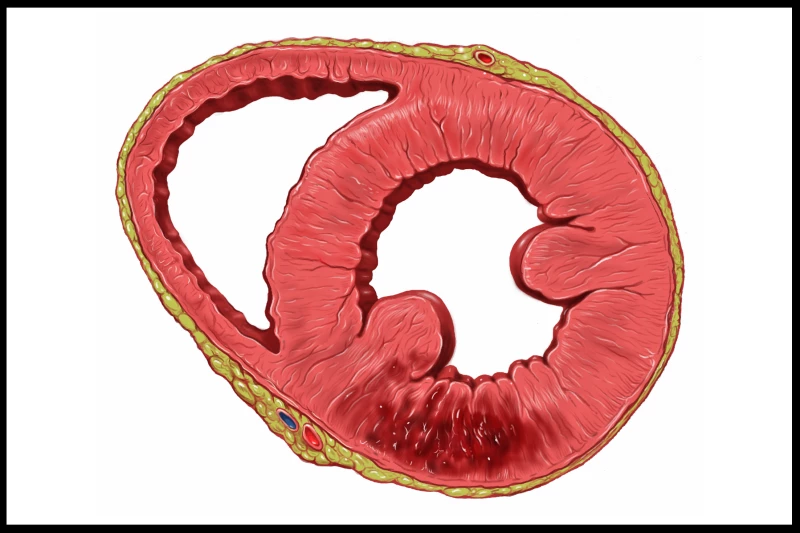
    Area of tissue damage following a heart attack
    Wikimedia Commons/Patrick J. Lynch CC BY-SA 3.0

    The scaffold is strong enough to hold living cells, but once they integrate with the tissue, it degrades completely,” Jones explained. “This ensures no foreign material remains in the body.

    In the lab, the patch began contracting within three days as the cells became active.The researchers subjected it to thousands of stretch-and-compression cycles to replicate heartbeats. They then implanted the RCPatch over an 8-mm hole in the left ventricle of a pig’s heart.

    Promising First Results

    The results were promising: once attached, bleeding from the hole nearly stopped immediately, with only minor bleeding continuing for about 10 minutes. “We showed that the patch maintains structural stability even under real blood pressure,” said Katzschmann.

    A patch for the heart

    Despite the success, the study had limitations. It was an early proof-of-concept tested on a single animal and only for a short duration. Real heart ruptures often leave larger, more irregular holes, and it remains uncertain how well the patch would perform over weeks or months in a living system.

    Still, with further refinement, the RCPatch could represent a biodegradable, regenerative alternative to animal-derived patches. If successful, it may improve heart repair procedures and reduce the long-term risks that follow heart attacks.


    Read the original article on: New Atlas

    Read more: Research Reveals Higher Likelihood of Heart Attacks Occurring on Mondays

  • First “Never-Stop Beating” Heart Transplant Marks a Historic Medical Breakthrough

    First “Never-Stop Beating” Heart Transplant Marks a Historic Medical Breakthrough

    Zero ischemic time reduces damage, improves success rate and recovery
    Depositphotos

    For the first time, surgeons have successfully performed a heart transplant in which the donor heart continued beating throughout the entire procedure, significantly reducing the potential damage often associated with this complex operation. This innovation marks a major milestone and could pave the way for a new era of more effective heart transplants.

    The groundbreaking surgery was carried out by a team at National Taiwan University Hospital (NTUH) in Taipei. In this unprecedented approach, the donor heart remained active from removal through to implantation in the recipient. Traditionally, the heart is removed and preserved in cold storage to reduce its metabolic activity, resulting in a period without blood flow known as “ischemic time.” This stage poses a risk of damage to the heart and increases the likelihood of rejection post-transplant.

    Understanding Ischemic Damage

    When deprived of blood flow, the heart experiences ischemia – a lack of oxygen – which can harm the heart muscle (myocardium), affecting its function after the transplant.Even when doctors keep the ischemic time to just a few hours, it can still cause significant damage.

    To eliminate this risk, the NTUH team performed a zero-ischemic-time transplant, keeping the heart beating continuously between donor and recipient.

    Our goal was to carry out a transplant without any ischemic time, so the heart wouldn’t have to stop, and we could prevent the typical injury that happens after reperfusion, said Chi Nai-hsin, a physician at the hospital’s Cardiovascular Center, during a press conference held on April 16.

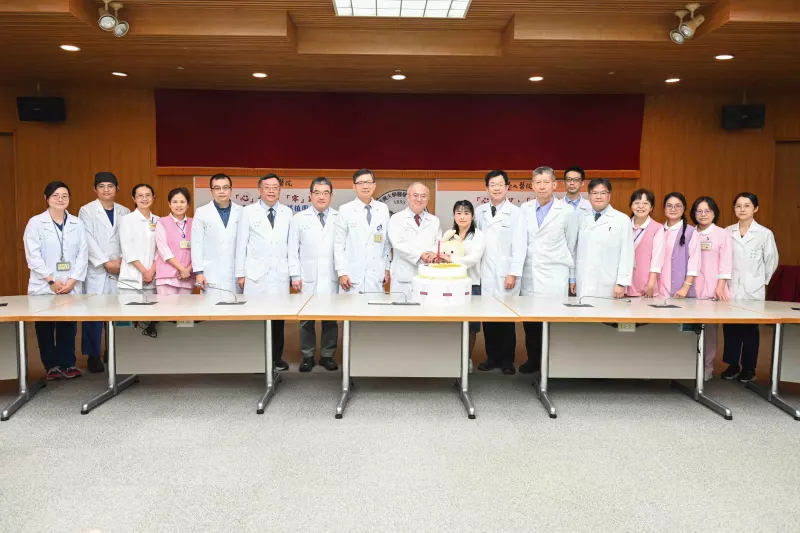
    The NTUH team this week, with the woman (10 from left) who received a new heart via this remarkable surgery last August
    NTUH

    The hospital team developed a specially designed organ care system that made this achievement possible.Known as the NTUH organ care system (OCS), it keeps the heart beating with oxygen-rich blood throughout the entire process.The team inspired the system by extracorporeal membrane oxygenation (ECMO), a life support technology that assists heart and lung function.

    The team connected the heart to this system and moved it from one operating room to another—without missing a single beat.

    Doctors discharged the 49-year-old woman with dilated cardiomyopathy shortly after her surgery, which took place last August. Follow-up visits showed that her levels of cardiac enzymes—typically elevated when heart muscle injury occurs—remained low, signaling a smooth recovery.

    Chi said, “We’ve proven the safety and feasibility of this surgery,” and added that the team successfully performed a second transplant using the same method earlier this year.

    A New Direction for Future Transplants

    So far, NTUH has performed around 700 heart transplants.The team now hopes to perform more future procedures using the OCS, completely avoiding ischemic time.

    It’s worth noting that Stanford University also published studies in 2023 and 2024 detailing similar beating-heart transplant procedures. However, in those cases, the medical teams allowed the hearts to undergo brief periods of ischemia (10 to 30 minutes) before they connected them to the support system.

    In both of NTUH’s procedures, the hearts were still beating before procurement, continued beating after procurement, and never stopped – achieving zero ischemic time, said Chen Yih-shurng, head of the hospital’s Organ Transplant Team.

    The team plans to continue refining the procedure and advancing organ preservation technology, so even more patients can benefit from zero-ischemic-time heart transplants in the future.


    Read the original article on: New Atlas

    Read more: Injectable Pacemaker Regulates Heartbeat for Five Days, Then Dissolves

  • Patient Discharged with Titanium Heart Pumping Inside

    Patient Discharged with Titanium Heart Pumping Inside

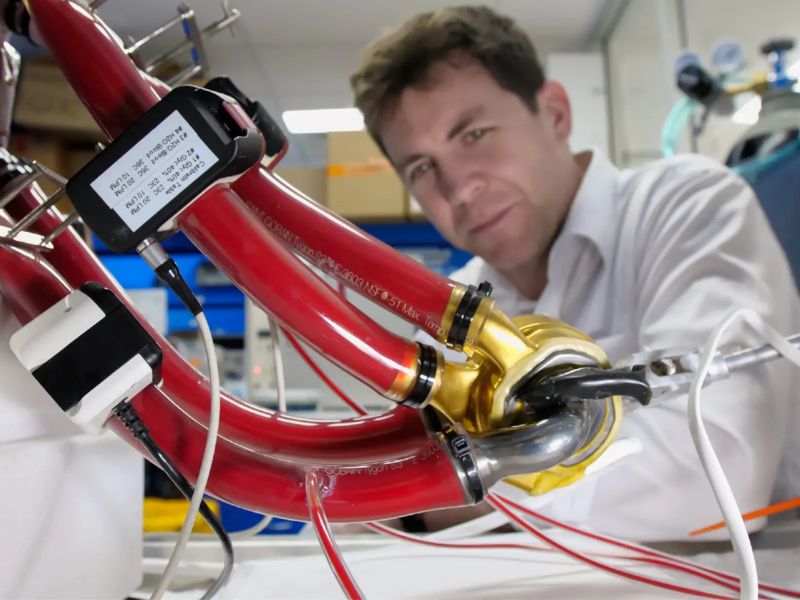
    BiVACOR founder and CTO Daniel Timms tests the artificial heart
    BiVACOR

    A man in his 40s has lived for over 100 days with an artificial maglev heart sustaining his circulation. In a groundbreaking achievement, he walked out of the hospital earlier this year, becoming the first person to live outside a medical facility with the device implanted in his body.

    On November 22, 2024, doctors at St. Vincent’s Hospital in Sydney implanted the BiVACOR Total Artificial Heart (TAH) to keep him alive while he awaited a donor heart. For 105 days, the device functioned as his heart, setting a new endurance record. In early February 2025, he was discharged from the hospital, marking a historic milestone—proving that the maglev heart could operate safely outside of a clinical setting. Finally, on March 6, 2025, he received his donor heart.

    This achievement follows previous successful BiVACOR TAH implants at the Texas Heart Institute in the United States. Since the first implantation in July 2023, four other patients have used the device as a bridge to transplantation, with the longest wait time being 27 days before receiving a donor heart.

    Engineering a New Future for Heart Patients

    Unlike traditional artificial hearts, which rely on flexible polymer diaphragms prone to wear and tear, the BiVACOR TAH uses a titanium electromechanical rotary pump. A single rotor, suspended by magnetic levitation—the same technology used in high-speed trains—moves blood through the circulatory system with minimal friction, enhancing durability. The device is powered by a small external controller with a rechargeable battery.

    The heart’s Australian-born inventor, Dr. Daniel Timms, expressed his excitement about the device’s potential:

    “Bringing Australia into this journey and seeing our device extend support to its first Australian patient is incredibly rewarding. Decades of work are finally paying off.”

    A Promising Step Toward the Future

    While experts remain cautious about whether the BiVACOR TAH could serve as a permanent replacement for donor hearts—since transplants typically last over a decade—its role as a bridge to transplantation is becoming increasingly clear.

    Cardiologist Chris Hayward of St. Vincent’s Hospital emphasized its significance:

    “The BiVACOR Total Artificial Heart is revolutionizing heart transplants in Australia and globally. Within the next decade, this technology could become a viable alternative for patients who cannot wait for a donor heart or when a donor heart is unavailable.”

    With each success, the BiVACOR heart moves closer to transforming the landscape of heart failure treatment, offering new hope to those awaiting life-saving transplants.


    Read Original Article: New Atlas

    Read More: Thermal stabilization of a conductive polymer streamlines bioelectronics manufacturing.

  • Occasional Indulgence May Be Better for Your Heart Than Avoiding Sugar Completely

    Occasional Indulgence May Be Better for Your Heart Than Avoiding Sugar Completely

    A study from Lund University, Sweden, reinforces the link between added sugar and heart disease but reveals a surprising finding: occasional sweet treats may reduce cardiovascular risk compared to a strict "zero-sugar" diet. However, this benefit does not apply to other sugar sources like sweetened drinks or sugary toppings.
    Credit: Pixabay

    A study from Lund University, Sweden, reinforces the link between added sugar and heart disease but reveals a surprising finding: occasional sweet treats may reduce cardiovascular risk compared to a strict “zero-sugar” diet. However, this benefit does not apply to other sugar sources like sweetened drinks or sugary toppings.

    This surprising contrast highlights the importance of considering not just how much sugar people consume but also its source and the context in which it is eaten,” the researchers said.

    The study tracked data from 69,705 Swedes aged 45–83, monitoring their diet and health from 1997 to 2019. Researchers categorized added sugar into sweetened drinks, sweet treats, and sugary toppings, analyzing its relationship with seven cardiovascular diseases while accounting for factors like smoking.

    Sugar Type Matters: Contrasting Risks for Cardiovascular Health

    (Janzi et al., Frontiers in Public Health, 2024)

    The impact of sugar varied by type and cardiovascular condition. Sugary toppings were linked to a higher risk of abdominal aortic aneurysms, while occasional sweet treat consumption showed the lowest risk across all heart diseases.

    Liquid sugars may encourage overeating due to low satiety, while socially enjoyed treats could lower stress and boost social bonds.

    “Liquid sugars don’t fill you up like solid forms, leading to higher calorie intake,” explains epidemiologist Suzanne Janzi. “In contrast, treats shared in social settings might offer added health benefits.”

    Limitations and Context: Interpreting the Study’s Findings

    The researchers noted that their findings suggest associations rather than proving cause and effect. The analysis did not include other health impacts, such as dental damage, which should be considered alongside these results.

    Cultural habits may also influence outcomes. In Sweden, the “fika” tradition—sharing coffee and pastries—promotes social interaction, which can reduce loneliness and stress, benefiting heart health.

    While our study doesn’t prove causation, it suggests that extremely low sugar intake may not be essential for heart health,” says Janzi.

    The key finding is how sugar sources differently affect heart disease risk, emphasizing the role of context and moderation. Future research could examine the link between sugar, obesity, and heart health in varied cultural settings.


    Read Original Article: Science Alert

    Read More: Haunting Historical Photo Reveals Humanity’s Deadly Footprint

  • Holiday Heart Syndrome: A Significant Health Risk Tied to Festive Drinking

    Holiday Heart Syndrome: A Significant Health Risk Tied to Festive Drinking

    As the season of workplace Christmas parties and family gatherings kicks off, many people indulge in heavier-than-usual drinking. After such occasions, you might notice your heart racing or beating irregularly, feel a fluttering in your chest or neck, experience dizziness, or struggle to catch your breath. Concerned, you might head to the emergency department, only to learn you have "alcohol-induced atrial arrhythmia"—an irregular heartbeat triggered by binge drinking. This condition is so common during the holidays it has earned the nickname "holiday heart."
    Credit: Pixabay

    As the season of workplace Christmas parties and family gatherings kicks off, many people indulge in heavier-than-usual drinking. After such occasions, you might notice your heart racing or beating irregularly, feel a fluttering in your chest or neck, experience dizziness, or struggle to catch your breath. Concerned, you might head to the emergency department, only to learn you have “alcohol-induced atrial arrhythmia“—an irregular heartbeat triggered by binge drinking. This condition is so common during the holidays it has earned the nickname holiday heart.”

    What Is Holiday Heart?

    During the festive season, emergency departments see a surge in alcohol-related health issues, including irregular heart rhythms. These episodes often stem from a combination of binge drinking, overeating, dehydration, and seasonal stress.

    First identified nearly 50 years ago, holiday heart syndrome was originally described as an abnormal heart rhythm occurring in otherwise healthy people after heavy alcohol consumption. Doctors frequently observed it after weekends, public holidays, and festive celebrations. However, irregular heart rhythms linked to alcohol aren’t confined to the holidays—they can occur year-round in individuals who binge drink or those with a history of chronic heavy drinking.

    Holiday heart is common to holidays, but can strike at any time of the year. (zf L/Moment/Getty Images)

    What Causes Holiday Heart, and How Is It Diagnosed?

    Alcohol can disrupt your heart, blood vessels, and nervous system in several ways. It may lead to dehydration and inflammation, which interfere with the heart’s electrical system and result in an irregular heartbeat.

    Symptoms of holiday heart include heart palpitations, chest pain, fainting, and shortness of breath. However, irregular heartbeats can also occur without noticeable symptoms and may only be discovered during investigations for other health conditions.

    If you experience symptoms, visit your doctor or the emergency department. Diagnosis typically involves:

    • Electrocardiogram (ECG): This non-invasive test uses electrodes placed on your chest, arms, and legs to measure your heart’s electrical activity, identifying irregular rhythms.
    • Blood tests: These can check for electrolyte imbalances, inflammation markers, and kidney or liver function issues.

    Clinicians may focus on the “P wave” in the ECG, which represents the electrical activation of the heart’s upper chambers.

    Why Is Holiday Heart Concerning?

    Most people diagnosed with holiday heart recover fully, especially when treated early or after reducing alcohol consumption. However, some individuals are diagnosed with atrial fibrillation (AF), the most common heart rhythm disorder. AF affects 1.4%–5.5% of Australian adults and may require:

    • Medication to restore a regular heartbeat.
    • Electrical cardioversion, using a defibrillator to reset the heart’s rhythm.
    • Cardiac ablation, a procedure to correct the underlying electrical issue.

    Untreated atrial fibrillation increases the risk of blood clots, strokes, and heart attacks.

    Preventing Holiday Heart

    There’s no specific alcohol threshold that triggers holiday heart, but prevention starts with avoiding binge drinking. Australian guidelines suggest consuming no more than:

    • 10 standard drinks per week.
    • 4 standard drinks in a single day.

    Other strategies include:

    • Hydration: Alternate alcoholic drinks with water to counteract dehydration.
    • Stress management: Reduce seasonal stress to avoid additional strain on your heart.
    • Healthy lifestyle: Stay active and eat a heart-friendly diet to support overall cardiovascular health.

    By moderating alcohol intake and maintaining healthy habits, you can reduce your risk of holiday heart syndrome and keep your heart in good shape throughout the festive season.


    Read Original Article: Science Alert

    Read More: Scitke

  • Just 5 Extra Minutes of Daily Activity Boosts Heart Health Significantly

    Just 5 Extra Minutes of Daily Activity Boosts Heart Health Significantly

    Image from Pixabay

    Finding time for daily exercise can be tough, but a new study involving nearly 15,000 people shows that just five extra minutes of activity, like stair climbing or jogging, can help reduce blood pressure. Researchers from the University of Sydney and University College London found that even this small increase in movement could lower systolic blood pressure by about 0.68 mm Hg and diastolic by around 0.54 mm Hg.

    SBP, the top number in a BP reading, reflects artery pressure during heartbeats, while DBP, the bottom number, shows pressure between beats. “High blood pressure is a major global health concern, but unlike some causes of cardiovascular mortality, it may have accessible solutions beyond medication,” says Professor Emmanuel Stamatakis of USyd and the ProPASS Consortium. He notes that just five minutes of daily exercise could lower BP, highlighting the impact of short, intense activity on heart health.

    Hypertension affects 1.28 billion adults worldwide and is a major contributor to heart attack, stroke, and heart failure. While diet, lifestyle, and medication are essential in managing it, regular exercise remains challenging due to time and fitness limitations.

    Global Study Tracks Activity and Blood Pressure with 14,761 Participants Using Thigh-Mounted Accelerometers

    In the study, 14,761 participants from five countries wore thigh-mounted accelerometers to measure daily activity and BP. Activities were categorized as sleep, sedentary (sitting), slow and fast walking, standing, and vigorous exercise (like running or stair climbing). Researchers then analyzed the BP impact of replacing one activity with another. As expected, replacing sedentary behavior with exercise provided the most benefit, but even five minutes per day showed significant improvement.

    Lead author Dr. Jo Blodgett from UCL’s Division of Surgery and Interventional Science explains, “For many, exercise – rather than low-effort movement – is crucial for lowering BP. Fortunately, just a few minutes of activity, even running for a bus or brief cycling, can make a difference.” Walking, while beneficial, didn’t match the BP impact of higher-intensity movement.

    Sedentary behavior negatively impacted BP, but walking and standing had neutral effects. However, five minutes of brisk uphill walking raised heart rates enough to achieve BP benefits similar to more vigorous activity. Among the categories, sleep also benefited BP, though significant improvement required more time than exercise – about two hours and 50 minutes for SBP and one hour and 46 minutes for DBP.

    These findings suggest that even small changes to daily routines, like short bursts of activity, can effectively lower BP. Always consult your doctor for heart-rate-boosting alternatives if activities like cycling or stair climbing aren’t suitable.


    Read Original Article On: New Article

    Read More: Scitke