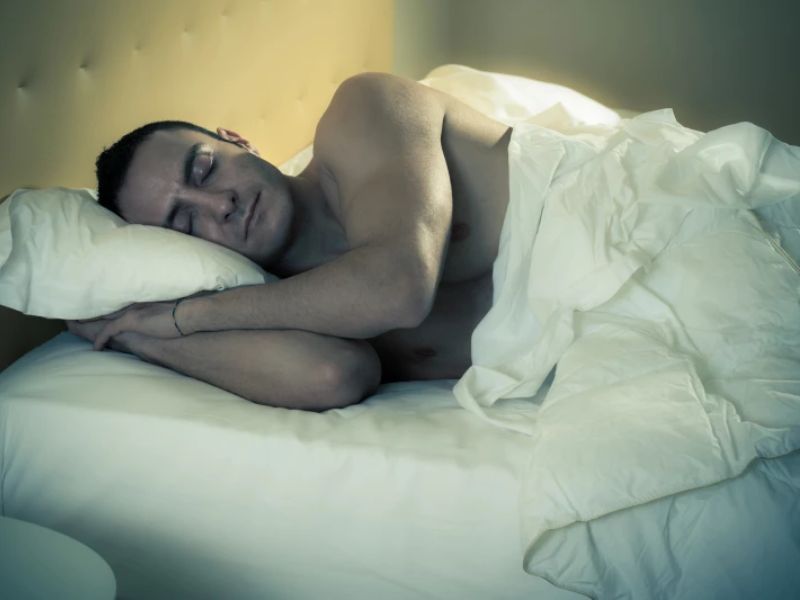
Those “extra” hours you squeeze out by staying up late for one more episode or another scroll through your feed come at a cost—your lifespan. A new study is reshaping what we thought we knew about health. Observational study highlights sleep’s vital role in nightly bodily repair In short, it’s time to stop cutting your sleep short.
Among all the risk factors examined, only smoking harms life expectancy more than poor sleep.
OHSU Study Flags Less Than Seven Hours of Sleep as a Major Longevity Risk
Researchers at Oregon Health & Science University (OHSU) reviewed U.S. data from 2019 to 2025, comparing reported sleep habits with life expectancy. They identified fewer than seven hours of sleep per night as the “danger zone.”
The researchers also accounted for other factors that influence lifespan—like inactivity, job type, and level of education. Even after controlling for these, the results held steady: insufficient sleep is a striking predictor of early death.
Andrew McHill, a sleep physiologist at OHSU, says the intensity of the connection surprised even him: “We’ve always known sleep matters, but this study really drives it home—people should aim for seven to nine hours a night whenever they can.”
Observational Study Reinforces Sleep’s Critical Role in the Body’s Nightly Repair Work
And while the study is observational—showing a strong association rather than proving direct causation—scientists already understand that sleep is when the body performs essential biological upkeep.
Missing even a single night of sleep disrupts brain networks and weakens the immune system. Over time, chronic sleep loss is associated with obesity and diabetes—both of which significantly shorten lifespan. “It seems obvious, but it was striking to see the data reflect it so powerfully in the models,” McHill notes.
Have your family or friends ever told you that you talk while sleeping? No need to feel ashamed! Research shows that over half of people have spoken out loud in their sleep at least once. This phenomenon, known as somniloquy, is surprisingly common and sparks a lot of interest.
Many people who talk in their sleep aren’t aware of it unless someone else points it out or wakes them up. While researchers focus heavily on how language works when we’re awake, speech during sleep is just as captivating. Let’s dive into what science has uncovered about this curious sleep behavior.
Inside the Sleep-Talking Brain
What’s happening in the brain when words slip out during slumber? This article explores the science behind sleep talking, the stages of sleep in which it occurs, and the kinds of things people actually say. Prepare to discover some surprising insights into what goes on while you dream!
Sleep talking, or somniloquy, belongs to a broader group of “sleep expressions,” which also includes laughing, mumbling, or groaning during sleep—a phenomenon noted as early as 2,500 years ago by the philosopher Heraclitus.
It can occur at any age and during any sleep stage, though it seems more common in children, likely because parents notice it more often. It’s often classified among parasomnias like sleepwalking or teeth grinding but is usually harmless unless linked to trauma.
Sleep consists of distinct stages monitored via EEG. While vivid dreams mainly occur during REM sleep, when the body is paralyzed to prevent movement, actions like sleep talking or sleepwalking arise in non-REM sleep, when parts of the brain partially “wake up,” allowing speech.
When the Body Rests but the Brain Keeps Talking
Since speech requires muscle coordination, sleep talking most often happens during non-REM sleep when the body isn’t paralyzed. This means sleep speech doesn’t always reflect dream content, though it can occasionally occur during REM when paralysis is incomplete. Clearly, the brain stays more active during sleep than we assume.
Contrary to popular belief, people rarely reveal secrets while asleep. At most, they reference familiar people or recent events. Sleep talk may express emotion but rarely anything deeply personal. Utterances often range from simple phrases like “Mm-hm, yes” to more detailed statements.
Linguistically, sleep speech resembles normal speech, complete with errors and self-corrections—sometimes even mirroring mild aphasia. It also lacks thematic continuity, shifting rapidly like dreams. Some reports even suggest greater fluency or creativity, occasionally in another language.
Despite rarely remembering their sleep speech, their grammar is usually flawless, indicating that grammatical processing is automatic in the brain, leaving only the content to be formed [6].
No Age Limit or Sleep Phase Required
Sleep talking can happen at any age in individuals capable of speech, and it may occur during any stage of sleep throughout the night. This highlights how universal the phenomenon is, unaffected by one’s life stage or the specific timing of sleep.
Sleep-talking appears more common in children, likely because parents monitor their sleep more closely, making detection easier.
Its occurrence shows that the brain stays active during sleep, challenging the idea that rest equals inactivity.
The phenomenon has even entered popular culture, as seen in songs like “Talking in Your Sleep,” reflecting ongoing fascination with the mysteries of the sleeping mind.
Is Sleep Speech More Creative?
Curiously, speech during sleep can sometimes be more inventive than when awake. Anecdotal accounts describe increased fluency or originality, possibly due to the lack of conscious restraint. This presents an intriguing avenue for future studies on language and creativity during sleep.
In conclusion, while sleep talking shares several similarities with wakeful speech, it also presents key differences. Yet, despite its prevalence, the phenomenon has been largely overlooked by researchers over the past thirty years.
Many questions remain unresolved, especially regarding the neurobiological mechanisms that distinguish sleep speech from waking speech, particularly in terms of brain network activation.
Thus, sleep talking presents a promising area of exploration for emerging scholars and researchers curious about the workings of the brain and language. It offers ample opportunity for fresh discoveries that could enrich our understanding of the human mind.
During sleep, the body releases ‘growth hormone‘ to repair and strengthen muscles and bones — though the exact mechanisms behind this process have long been unclear.
Now, through detailed analysis of brain circuits in mice, a research team led by scientists at the University of California, Berkeley (UC Berkeley) has uncovered specific mechanisms and feedback loops that control the release of growth hormone during sleep.
Unlocking Sleep’s Role in Growth Hormone Release for Better Treatments
These discoveries may improve treatment for conditions linked to sleep disturbances, such as type 2 diabetes and Alzheimer’s disease. Gaining insight into sleep is essential for understanding many different facets of our overall health.
“While people know that sleep closely influences growth hormone release, researchers have mostly observed this by measuring hormone levels in the blood during sleep,” explains UC Berkeley neuroscientist Xinlu Ding.
“Our approach involves directly recording brain activity in mice to understand the process in real time. We’re laying the groundwork for future research that could lead to new treatment options.”
The researchers analyzed the release of growth hormone in mice during sleep/wake cycles. (Ding et al., Cell, 2025)
Distinct Growth Hormone Release Patterns During REM and Non-REM Sleep
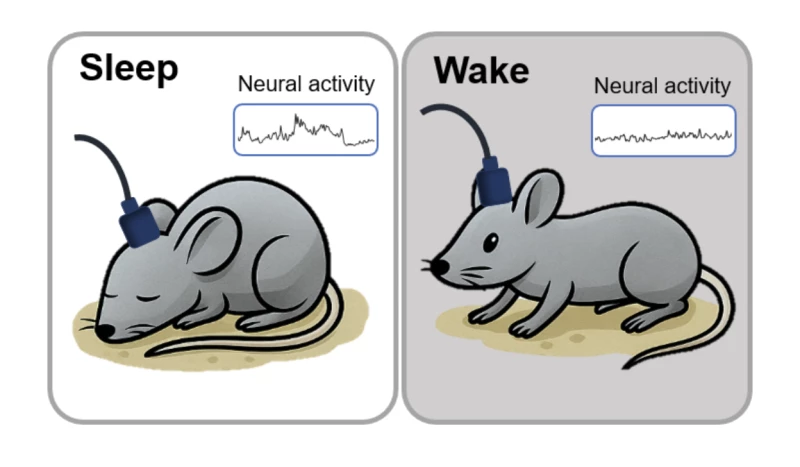
Tracking brain activity over several sleep-wake cycles in mice, researchers showed that growth hormone releases differently during REM (rapid eye movement) and non-REM sleep.
Although levels of the hormone rose in both stages, the balance of neurons that stimulate or suppress its release changed depending on the sleep phase. Researchers also identified a feedback loop involving neurons in the locus coeruleus, a brain region associated with wakefulness.
“This indicates that sleep and growth hormone work together in a closely regulated system,” says neuroscientist Daniel Silverman. “Not getting enough sleep can lower growth hormone levels, while excessive growth hormone may actually nudge the brain toward being awake.”
Sleep triggers the release of growth hormone, which in turn helps regulate wakefulness — a balance that’s vital for growth, tissue repair, and overall metabolic health.
Growth Hormone’s Role in Metabolism and the Potential for New Sleep Disorder Treatments
Beyond its primary role in supporting growth, growth hormone also plays a key part in managing how the body processes glucose and fat. When insufficient sleep disrupts hormone levels, it can increase the risk of conditions like obesity, diabetes, and heart disease. These findings further highlight the important connection between sleep and overall well-being.
Additionally, the locus coeruleus helps regulate alertness during wakefulness, suggesting that the mechanisms uncovered in this study may also influence daytime cognitive function.
However, much more research is required to confirm these findings. While there’s strong reason to think that these processes are similar in humans and mice, that assumption still needs to be verified. In the long run, though, this research could lead to new treatments for sleep disorders — a challenge that many people face.
“By understanding the neural pathways involved in growth hormone release, we may eventually develop new hormone-based therapies to enhance sleep quality or restore healthy growth hormone levels,” says Silverman.
“There are experimental gene therapies that focus on targeting specific types of cells. This newly identified circuit could offer a unique way to reduce the overactivity of the locus coeruleus — something that hasn’t been explored before.”
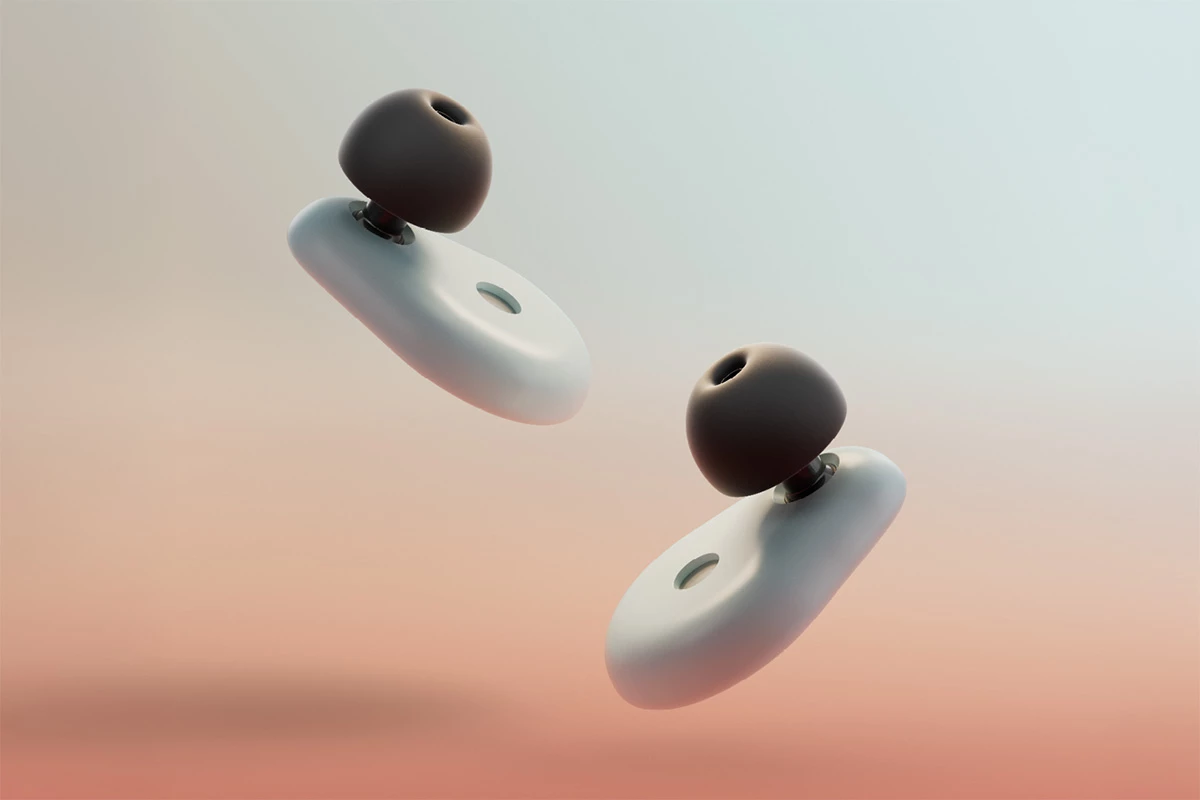
Image Credits:The SomniBuds use patent-pending tech to deliver audio to your ears without any electronics inside the diminutive buds Somni
A UK company claims to have found a better solution for blocking nighttime noise and improving sleep. Somni says its sleep earbuds are the tiniest available and never require charging.I’m intrigued to see if this ambitious crowdfunded product delivers on its promise.
SomniBuds use a thin pad placed under your pillow, mattress, or headboard (within 2–3 feet). The pad connects to your phone or tablet via Bluetooth and sends sound to the earbuds through a magnetic field.
Battery-Free Design with Patent-Pending Magnetic Audio Technology
The earbuds have no batteries or built-in electronics. The company says each SomniBud contains a sensitive magnetic speaker diaphragm in an acoustic chamber, with no coil or electronics. It’s mechanically driven by the voice coil field from the SomniMat, similar to how a speaker cone operates.” This forms the basis of the product’s patent-pending technology.
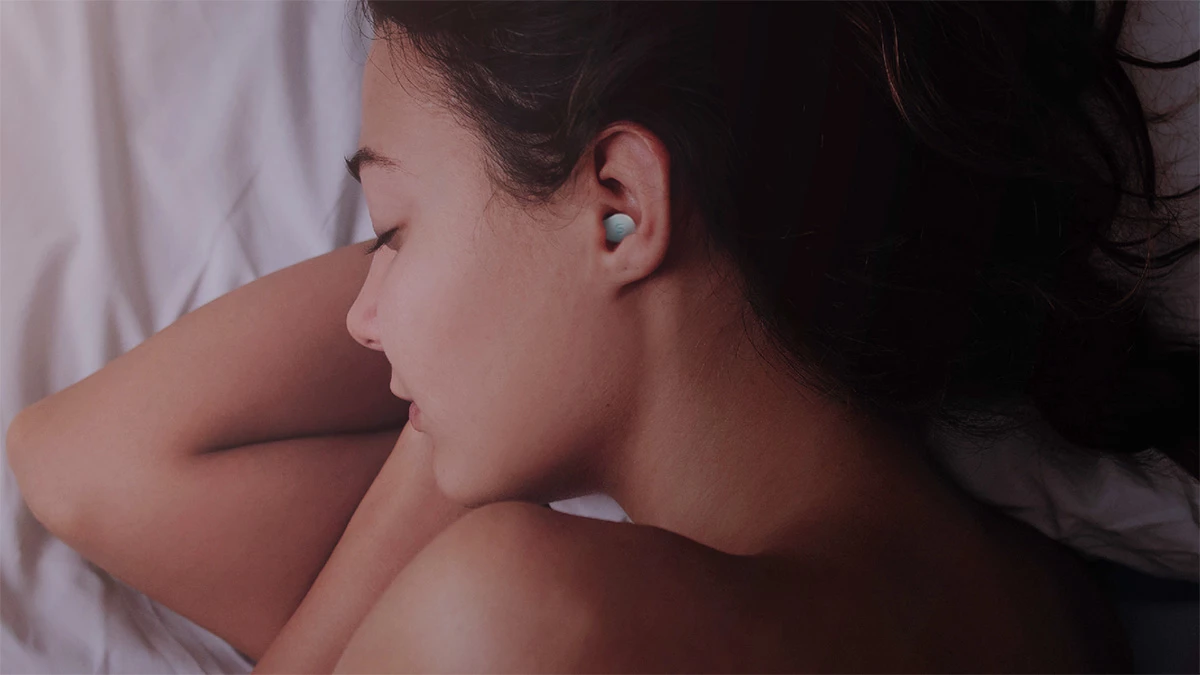
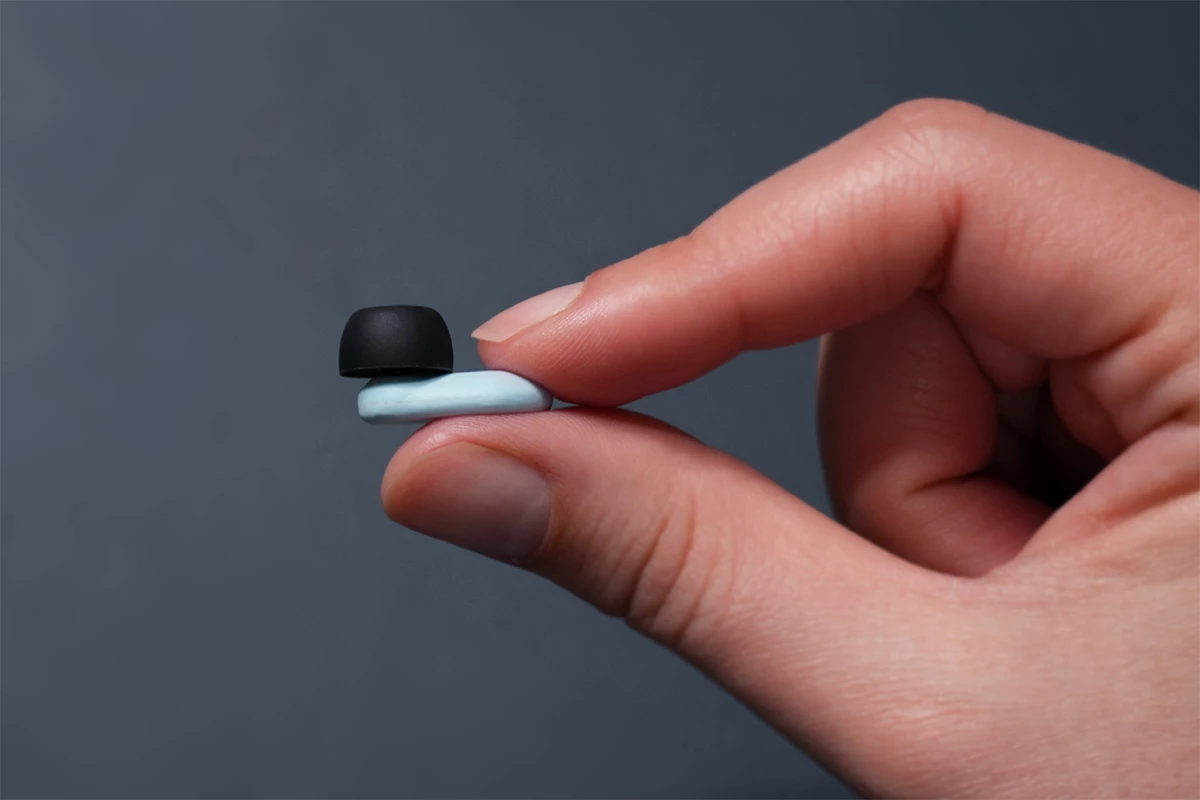
This eliminates the need for batteries and charging while making the earbuds significantly smaller. Each bud is 3 mm thick, slim enough to stay comfortable for side-sleeping.
Image Credits:The SomniBuds use foam ear tips to deliver a precise fit and passively block noise while you sleep Somni
Somni explains that the slim, flexible post inside the foam ear tip allows it to compress as your ear canal shifts during sleep, preventing any hard components from pressing uncomfortably against your ear.
Thanks to their tiny size, the buds fit securely and form a tight seal that passively blocks sound. Without active noise cancellation, Somni says the buds still block up to 37 dB of noise, enough to mask disturbances at low volume.
Image Credits:At just 3 mm thick, the SomniBuds are designed to fit snugly inside your ear canal so you can comfortably sleep on your side Somni
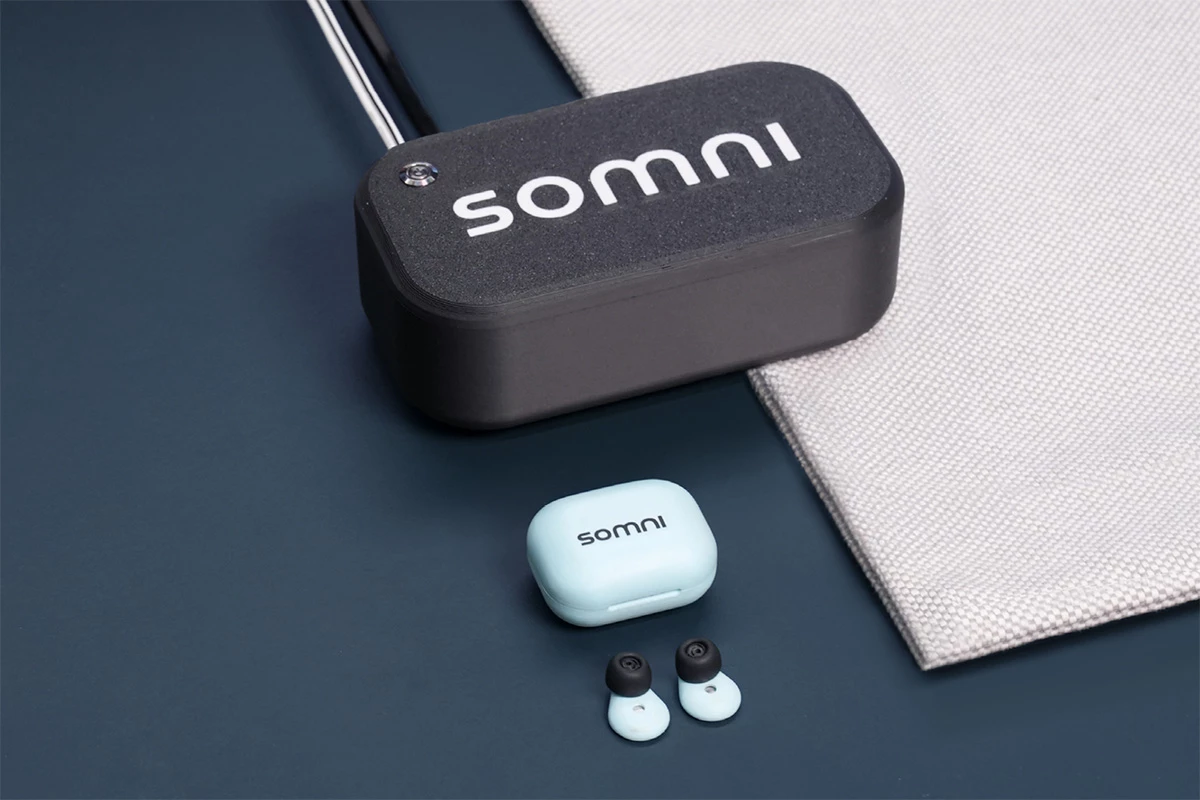
In addition to the earbuds, the setup includes two other components: a placemat-sized pad that houses the magnetic coil typically found inside earbuds, and a brick-shaped power supply with a Bluetooth receiver that plugs into a wall socket.
Image Credits:The SomniBuds kit includes a pair of battery-less buds, a power brick and Bluetooth receiver, and a mat that goes under your pillow or bedsheet Somni
Somni says its earbuds provide clear audio within the mat’s range, though only in mono. They don’t work well outside of bed, as the volume drops the farther you move from the mat. In short, Somni designed them exclusively for sleep, not to replace regular audio devices.
I’d be especially curious for my partner to try them to see if they help soften my relentless snoring—since nothing else we’ve tested has been both effective and comfortable.
Pricing and Kickstarter Discounts
A single-bud kit normally retails for US$300 but currently sells for $231 on Somni’s Kickstarter. The DuoMat bundle, letting a partner listen simultaneously, costs $251.
Somni plans to begin global shipping in December. As with any crowdfunded project, risks exist, but orders should ship by year-end if all proceeds smoothly.
Scientists track how growth hormone reinforces our muscles and bones while we’re asleep Image Credits: Depositphotos
Sleep is often viewed as a passive break from wakefulness, but new research reveals it’s an active and essential biological function. A recent study has demonstrated that during sleep—particularly at night—the brain plays a key role in releasing growth hormone, which helps repair muscles, strengthen bones, and regulate metabolism. Scientists have now identified the brain circuits responsible for the nighttime surge of this hormone, revealing why insufficient sleep can negatively affect physical health.
Breakthrough Study Reveals How Deep Sleep Triggers Growth Hormone Release
In a breakthrough animal study, researchers at the University of California, Berkeley, have, for the first time, uncovered the mechanism behind the rise of growth hormone during deep sleep. Although researchers have known that GH levels rise at night, they hadn’t identified the exact cause until now. The team discovered a unique feedback system that regulates hormone levels to support essential functions like muscle growth.
Scientists have long known that sleep closely influences growth hormone release, but until now, they’ve primarily observed this by directly measuring hormone levels in blood samples taken during sleep,” explained Xinlu Ding, the study’s lead author and a postdoctoral researcher in UC Berkeley’s Department of Neuroscience. “What we’re doing differently is directly monitoring brain activity in mice to understand what’s happening. Our findings lay the groundwork for future research aimed at developing new treatments.”
New Insights Reveal How Skipping Sleep Can Accelerate Aging and Undermine Muscle Health
Using a combination of genetic techniques, calcium imaging, and optogenetics, the researchers mapped how the “gas pedal” (GHRH) and “brake” (somatostatin) hormones behave differently during REM and non-REM sleep. They found that during REM sleep, both somatostatin and GHRH activity increases, working together to elevate growth hormone levels. In contrast, during non-REM sleep, somatostatin activity drops while GHRH rises slightly—still resulting in a GH boost, but through a different balance of signals.
Researchers recorded brain activity in sleeping and awake mice while stimulating neurons in the brain’s hypothalamus Yang Dan lab/UC Berkeley
If this all seems a bit complex, you’re not alone. The researchers discovered that somatostatin (SST), typically known for suppressing growth hormone, also helps regulate its timing. During REM sleep, brief bursts of both SST and GHRH trigger sharp spikes in growth hormone release. In non-REM sleep, SST activity drops, allowing for a steadier flow of GH. This interplay actively regulates GH release, aligning it precisely with different sleep phases.
Growth Hormone and the Brain’s Wakefulness Center Work in a Delicate Sleep-Wake Balance
The study also uncovered a feedback loop between growth hormone and a brainstem region called the locus coeruleus, which helps regulate alertness. As GH accumulates during sleep, it subtly activates this brain hub to begin preparing the body to wake up. However, when the locus coeruleus becomes overly stimulated, it shifts gears and actively promotes drowsiness. This creates a delicate yin-yang dynamic, where sleep boosts GH production, and GH in turn helps regulate the cycle of sleep and wakefulness.
In simple terms, the key takeaway is that the nighttime pulses of growth hormone (GH) released into the bloodstream play a crucial role in preparing the body’s tissues for repair and regeneration.
“This points to a finely tuned relationship between sleep and growth hormone,” explained co-author Daniel Silverman, a postdoctoral researcher at UC Berkeley. “Not getting enough sleep reduces GH release, while excess GH can actually nudge the brain toward wakefulness. Sleep triggers GH production, and GH, in turn, helps regulate when we wake up. This balance is vital for physical growth, tissue repair, and maintaining a healthy metabolism.”
Sleep Loss Disrupts the Body’s Prime Time for Repair, Growth, and Healthy Aging
Missing sleep doesn’t just make you tired the next day—it causes you to skip a critical window when your body performs repair and recovery. This period, driven by growth hormone (GH), is essential for anyone looking to build muscle, maintain bone density with age, or manage weight and blood sugar. Since GH levels naturally decline as we get older, prioritizing good sleep may be one of the most effective ways to support healthier aging.
“Growth hormone doesn’t just support muscle and bone development or fat reduction—it may also enhance brain function by boosting alertness upon waking,” added Ding.
Although the researchers conducted the study in mice, humans share the same neural circuits, and their hormone release patterns closely mirror those findings. By uncovering how different sleep stages regulate growth hormone (GH), scientists can now target and fine-tune the rhythm vital for physical restoration.
New Insights Reveal How Skipping Sleep Can Accelerate Aging and Undermine Muscle Health
Past studies have already linked poor sleep to accelerated biologicalaging, and this new research adds further depth to our understanding of the complex processes happening between sleep and wakefulness. The key message: if you’re aiming to build or maintain muscle, missing sleep can negatively affect your body in both the short and long term.
“By identifying the brain circuit responsible for GH release, we may eventually develop new hormone-based treatments to improve sleep quality or restore proper GH balance,” said Daniel Silverman, a postdoctoral fellow at UC Berkeley and study co-author. “There are emerging gene therapies that can target specific cell types, and this circuit may offer a new way to reduce overactivity in the locus coeruleus—something that hasn’t been explored before.”
We’re often bombarded with reminders from the media and social platforms about the importance of getting enough sleep. You’ve likely heard it all before—too little sleep can harm your brain, heart, overall health, even your skin and libido.
But what about getting too much sleep? Recent findings suggesting that sleeping over nine hours might be more harmful than too little sleep can leave you feeling frustrated and unsure of what to believe.
It’s easy to feel overwhelmed and concerned.
Determining Optimal Sleep Duration and Its Health Implications
So, how much sleep do we really need? And what does regularly sleeping a lot say about our health? Let’s take a closer look at the research.
Like diet and exercise, sleep is a fundamental part of good health.
While we rest, our bodies undergo important processes that help us function during the day. These include muscle repair, memory formation, and emotional regulation.
According to the Sleep Health Foundation—Australia’s leading nonprofit for evidence-based sleep guidance—adults should aim for seven to nine hours of sleep each night.
Short Sleep May Work for Some, But Most Face Health Drawbacks
Some people naturally need less and can thrive on under seven hours. But for most, consistently getting too little sleep can lead to short-term issues like fatigue, irritability, poor focus, and increased stress.
Over time, chronic sleep deprivation is a serious health risk. It’s associated with conditions such as heart disease, stroke, type 2 diabetes, mental health disorders like depression and anxiety, certain cancers, and even early death.
It’s well established that too little sleep is harmful—but what about getting too much?
A recent study analyzed data from 79 previous studies that tracked participants for at least a year to explore how sleep duration affects health outcomes and mortality risk.
The findings showed that people who slept less than seven hours per night had a 14% higher risk of dying during the study period compared to those who slept between seven and eight hours—a result that aligns with the known dangers of insufficient sleep.
Oversleeping Linked to Even Higher Mortality Risk
More surprisingly, those who slept more than nine hours a night had an even greater risk: a 34% increase in mortality compared to the seven-to-eight-hour group.
This echoes a 2018 review of 74 studies, which found that sleeping over nine hours was associated with a 14% higher risk of death over periods ranging from one to 30 years.
Other research has linked oversleeping—defined as exceeding the recommended sleep duration for your age—with issues like depression, chronic pain, weight gain, and metabolic disorders.
Correlation, Not Causation
While this may seem worrying, it’s important to note that these studies show a correlation, not a direct cause. In other words, sleeping too much doesn’t necessarily cause poor health or early death.
There may be several factors at play. People with chronic illnesses often sleep longer, either because their bodies require extra rest to heal, or because symptoms and medication side effects keep them in bed longer. Additionally, poor sleep quality might lead them to spend more time trying to rest, even if the sleep isn’t restorative.
Long Sleep May Reflect Underlying Health or Lifestyle Issues
We also know that common risk factors for poor health—like smoking and being overweight—are linked to poor sleep. This suggests that longer sleep durations may reflect underlying health issues or lifestyle factors, rather than being the direct cause of poor health.
In short, sleeping too much may be a sign of poor health, not the source of it.
Sleep needs vary from person to person, and researchers don’t yet fully understand all the reasons why some people sleep more or less than others.
How Sleep Needs Change with Age
Age plays a role. Teenagers, for instance, often need more sleep—around eight to ten hours—and naturally tend to fall asleep and wake up later. Older adults might spend more time in bed, but their actual sleep requirement typically remains the same as when they were younger.
For most adults, seven to nine hours of sleep per night is ideal.
But it’s not just about quantity. Sleep quality and maintaining a consistent sleep-wake schedule are equally—if not more—important for your health.
Many Australians aren’t getting enough sleep, so the priority should be ensuring adequate rest rather than worrying about sleeping too much.
To improve your sleep, get exposure to sunlight and stay physically active during the day. In the evening, stick to a regular routine, avoid screens before bed, and create a quiet, dark, and comfortable sleeping environment.
If you consistently find yourself sleeping far more than usual, it could be your body signaling an underlying issue.
If you’re struggling to fall asleep, it might be worth giving your partner a gentle nudge—or checking the nightstand drawer. A recent study confirms what many already suspected: engaging in sexual activity right before bedtime can lead to better sleep.
Researchers from Central Queensland University and Flinders University in Australia tracked the sleep patterns of seven heterosexual couples over 11 consecutive nights. Each evening, couples rotated among three bedtime routines: solo masturbation, partnered sex, or no sexual activity.
Daily Logs and Sleep-Tracking Technology Reveal Patterns
Participants filled out daily surveys about their sexual experiences and sleep, while their sleep quality was also monitored objectively using polysomnography headsets that recorded brain waves, physical movement, and breathing patterns.
The pattern that participants followed over their 11 nights in the study. (Lastella et al., Sleep Health, 2025)
Nighttime Sex Linked to Better Sleep, Confirmed by Data
As expected, participants who engaged in sexual activity tended to delay their bedtime by up to 30 minutes. However, this was balanced out by better sleep efficiency and less time spent awake during the night. And these findings weren’t just based on self-reports—they were backed by data from the sleep-monitoring headsets.
Participants also reported feeling more ready and motivated the following day. On a 100-point scale, motivation levels increased by about 5 points after solo activity and by 11 points following partnered sex.
Sleep Timing Unaffected, But Study Size Limits Findings
There weren’t noticeable changes in how quickly participants fell asleep or in the total duration of their sleep. However, lead researcher Michele Lastella, a sleep and sports scientist from Central Queensland University, believes the small sample size may have limited the results.
The need to put on a headset and launch a phone app right after sexual activity may also have reduced the relaxing effects, the researchers noted.
To explore the true clinical impact, the team recommends future studies with more participants, greater diversity in sexual orientation, and the inclusion of individuals with sleep issues, health conditions, and a wider age range.
Chances are, they won’t struggle to recruit volunteers.
Your brain not only has to store a huge collection of past memories, but it also needs to handle new information daily—meaning it must prepare for forming new memories even as it processes existing ones.
Sleep has traditionally been understood as a process that looks backward—where experiences are processed and stored as memories during the nights that follow, allowing us to recall them later.
A Tool for Remembering the Past and Preparing for the Future
A new study suggests sleep helps process past memories and prepare for future ones. Beyond just consolidating existing memories, the brain appears to get ready to capture new experiences while we sleep.
Memory is a complex, multi-dimensional process that shapes our identity, and from a personal viewpoint, it can feel almost magical—something that transcends simple, separate parts.
However, it’s not magical. Engram cells are specialized neurons that store our experiences, making them retrievable later.
Previous research highlights sleep’s importance for memory function, though many physiological details remain unclear. Beyond storing memories, the brain also processes and organizes information, much of which occurs during mental rest.
Exploring Sleep’s Role in Memory Processing and Future Preparation
In the new study, researchers in Japan aimed to explore the role of sleep in memory processing, including how it helps prepare for future memorable experiences.
The researchers used an imaging system for moving mice to track both engram and non-engram cells during memory processing. This allowed them to monitor neuronal activity before, during, and after significant events the mice experienced.
This offered new insights into neuron behavior under various cognitive conditions, including during sleep before and after learning experiences.
The results revealed two simultaneous processes occurring during post-learning sleep. Engram cells that encoded a memory showed consistent reactivation patterns, crucial for memory consolidation during sleep.
The study also uncovered another intriguing group of neurons that hadn’t yet been linked to specific memories. These “engram-to-be cells,” as the researchers termed them, became more synchronized as the mice slept after learning. Eventually, these same neuron groups went on to encode new and distinct memories.
“Engram-to-be cells showed increased coactivity with engram cells during sleep, suggesting this helps form new memory networks,” says co-author Kaoru Inokuchi.
Modeling Hippocampal Activity to Reveal Engram-to-Be Cell Mechanisms
The researchers also created a neural network model to simulate hippocampal activity, aiming to better understand the underlying processes. The model indicated that synaptic depression and scaling are key to organizing engram-to-be cells. Disabling these mechanisms reduced cell organization.
The study found that engram and engram-to-be cells co-activated during post-learning sleep, suggesting coordination or data transfer between networks for past and future memories.
This implies that the quality of sleep between learning events may impact not only how well we retain what we’ve already learned, but also how effectively we will absorb new information in the near future.
While more research is needed, these findings could provide valuable insights for education, memory disorder treatments, and enhancing cognitive performance.
“Inokuchi states, ‘We believe that altering brain activity during sleep or modifying sleep patterns could reveal ways to boost memory by unlocking the brain’s hidden potential.’”
Inokuchi explains, “Sleep is more than rest—it’s crucial for how the brain processes information. We hope people will value sleep more and use it to improve their quality of life.”
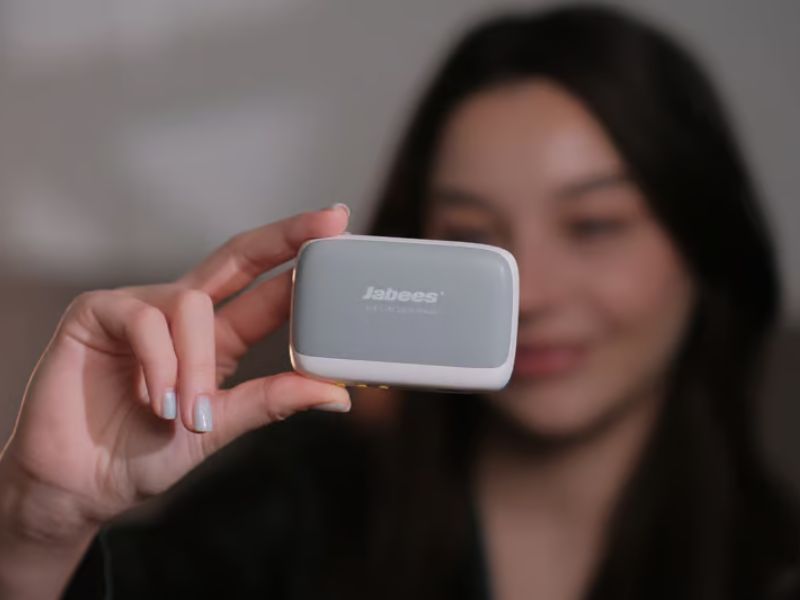
The pillow speaker uses bone conduction technology to deliver audio to your ears only Jabees
Whether it’s the discomfort of headphones or earbuds, or sharing a bed with someone who prefers silence, drifting off to sleep with audio isn’t always the easiest way to unwind. However, this affordable and practical speaker might be the perfect solution to some of the common challenges people face at bedtime.
Bone conduction technology for audio that’s just for you
The lightweight PEACE Pillow Speaker from Jabees uses bone conduction technology to deliver your chosen audio—whether it’s a podcast, music, audiobook, or meditation track—directly to your ears. At just over half an inch (13.7 mm) thick, it’s as slim as a smartphone and about half its size, meaning it sits discreetly between your mattress and pillow, transmitting vibration-based audio to whoever’s resting their head on it.
Pop this little unit under your pillow at night for a personal audio sleep soundtrack Jabees
“We wanted to create something for people who share a bed but have different sleep routines,” explained Jabees co-founder Louisa Cheng. “The PEACE speaker allows users to drift off to their favorite audio without needing earbuds or worrying about disturbing their partner.”
The speaker connects to a smartphone via Bluetooth, or you can load an SD card with your desired audio and control the volume and tracks through its simple control panel. While it doesn’t offer the deep, immersive sound you’d get from traditional headphones, such as noise-canceling earbuds, it’s far more comfortable—especially for side sleepers.
What sets this speaker apart is the way it transmits audio—subtle and passive, making it surprisingly easy to fall asleep with and unlikely to wake you up during the night. Plus, it features multiple timer options—30 minutes, 1 hour, and 2 hours—so it will automatically turn off to conserve battery once it’s done its job. The audio will remain inaudible to anyone else nearby (as long as you’re not sharing the pillow, of course).
Long battery life and more bedtime convenience
You can expect around 10 hours of playback, so charging during the day is necessary. It’s especially ideal for side sleepers, as it provides “background noise” without blocking out everything else. Plus, there’s no need to search for missing earbuds in your bed after waking up.
The Plus version comes with a pre-loaded SD card Jabees
Jabees, known for creating sleep-friendly and audio products for over a decade, has kept things straightforward with this speaker—it’s simple to operate, charge, and connect to. The sound quality is surprisingly clear for something traveling through a pillow. Weighing only 1.6 ounces (45 grams), the compact speaker comes with a protective pouch and is also travel-friendly.
The speaker supports MP3 and WAV file formats and can connect to apps like Spotify. It takes about two hours to fully charge after a night’s use. The standard version is priced at $35.99, while a PLUS version, which includes an SD card preloaded with nature sounds, costs $39.99. Shipping is a flat $10 worldwide (free for orders over $50). Additionally, the speaker comes with a one-year warranty and a seven-day return policy if it doesn’t meet expectations.
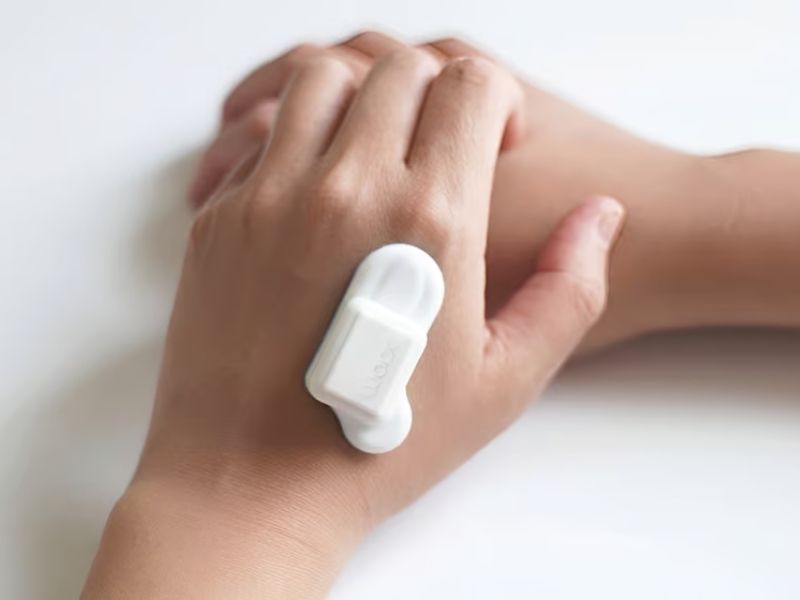
The ADAM sensor uses haptic feedback to indicate when scratching is taking place Sibel Health
A new device aims to help individuals with chronic itching avoid scratching their skin during sleep, without disturbing their rest. Scratching can exacerbate dermatitis, and this innovative sensor seeks to address the issue.
Key Components of the ADAM Sensor
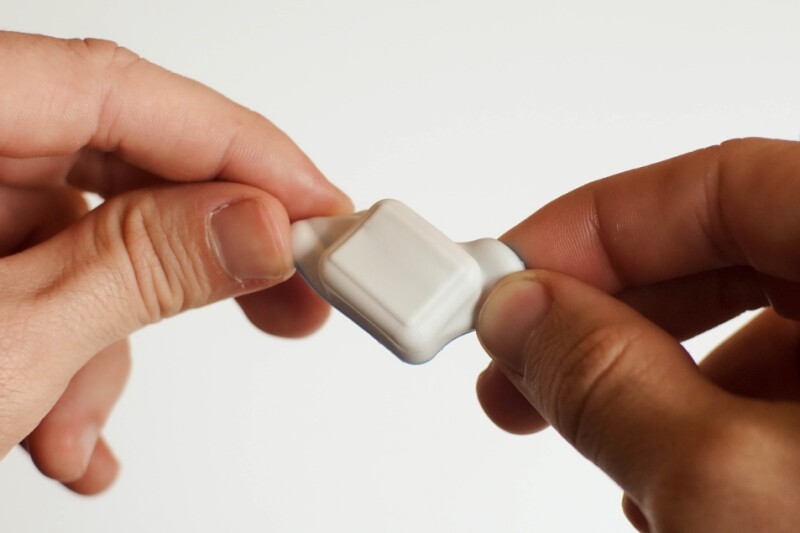
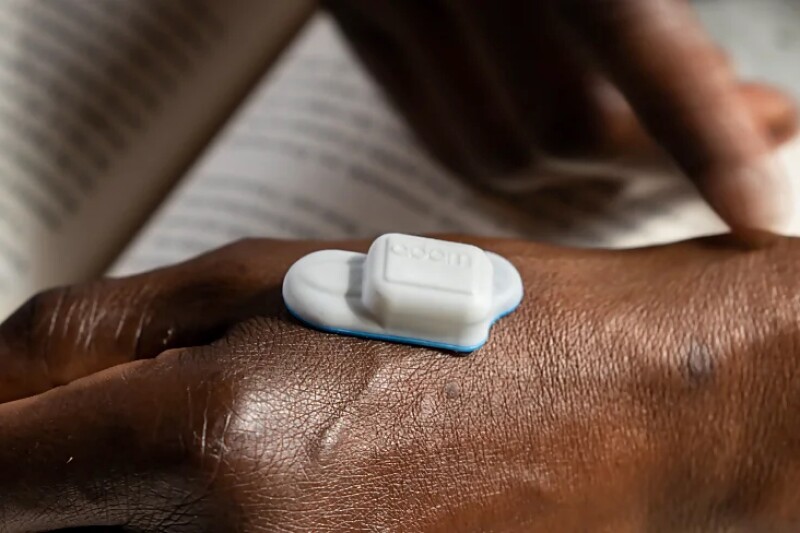
Developed by Chicago-based Sibel Health, the ADAM (ADvanced Acoustic-Mechanic) sensor integrates several key components: a microprocessor, a haptic feedback motor, a Bluetooth module, an IMU (inertial measurement unit), and a rechargeable battery. These are all housed in a waterproof, medical-grade silicone casing, which attaches to the back of the patient’s dominant hand with a hypoallergenic, waterproof adhesive.
The device operates through an AI-based algorithm running on the microprocessor. It analyzes real-time data from the IMU to detect hand movements associated with scratching. This information is then transmitted to a smartphone or computer, where it can be reviewed by a physician.
here’s currently no word on when ADAM may reach commercial production Sibel Health
When the device detects scratching, it activates the motor and delivers a subtle vibration, alerting the wearer to their behavior without waking them. This technology draws inspiration from the NightWare system, which uses an Apple Watch to vibrate and interrupt PTSD-related nightmares without disturbing sleep.
ADAM could also be utilized to monitor scratching activity while the wearer is awake Sibel Health
Successful Pilot Test and Results
In a pilot test, 10 adults with atopic dermatitis used ADAM nightly over 14 days. During the first week, they kept the motor disabled, and the device only recorded scratching activity, achieving 99% accuracy compared to infrared video footage. In the second week, they activated the motor, which led to a 28% reduction in scratching time and a 40% reduction in scratch events. The best part? Participants reported no disruptions to their sleep, with their total sleep time increasing by an average of 16%.
While further research, including larger studies with more diverse participants, is necessary, ADAM is now moving forward commercially through a partnership between Sibel Health and Maruho, a Japanese dermatology technology company.
We use cookies on our website to give you the most relevant experience by remembering your preferences and repeat visits. By clicking “Accept All”, you consent to the use of ALL the cookies. However, you may visit "Cookie Settings" to provide a controlled consent.
This website uses cookies to improve your experience while you navigate through the website. Out of these, the cookies that are categorized as necessary are stored on your browser as they are essential for the working of basic functionalities of the website. We also use third-party cookies that help us analyze and understand how you use this website. These cookies will be stored in your browser only with your consent. You also have the option to opt-out of these cookies. But opting out of some of these cookies may affect your browsing experience.
Necessary cookies are absolutely essential for the website to function properly. These cookies ensure basic functionalities and security features of the website, anonymously.
Cookie
Duration
Description
cookielawinfo-checkbox-analytics
11 months
This cookie is set by GDPR Cookie Consent plugin. The cookie is used to store the user consent for the cookies in the category "Analytics".
cookielawinfo-checkbox-functional
11 months
The cookie is set by GDPR cookie consent to record the user consent for the cookies in the category "Functional".
cookielawinfo-checkbox-necessary
11 months
This cookie is set by GDPR Cookie Consent plugin. The cookies is used to store the user consent for the cookies in the category "Necessary".
cookielawinfo-checkbox-others
11 months
This cookie is set by GDPR Cookie Consent plugin. The cookie is used to store the user consent for the cookies in the category "Other.
cookielawinfo-checkbox-performance
11 months
This cookie is set by GDPR Cookie Consent plugin. The cookie is used to store the user consent for the cookies in the category "Performance".
viewed_cookie_policy
11 months
The cookie is set by the GDPR Cookie Consent plugin and is used to store whether or not user has consented to the use of cookies. It does not store any personal data.
Functional cookies help to perform certain functionalities like sharing the content of the website on social media platforms, collect feedbacks, and other third-party features.
Performance cookies are used to understand and analyze the key performance indexes of the website which helps in delivering a better user experience for the visitors.
Analytical cookies are used to understand how visitors interact with the website. These cookies help provide information on metrics the number of visitors, bounce rate, traffic source, etc.
Advertisement cookies are used to provide visitors with relevant ads and marketing campaigns. These cookies track visitors across websites and collect information to provide customized ads.