
The Mediterranean diet, along with similar eating patterns, has long been linked to a lower risk of chronic illness, cognitive decline, and early death. Now, new research adds weight to those claims, suggesting that such diets could also help shield against dementia — and offering clues about the biological processes behind it.
Focus on the MIND Diet
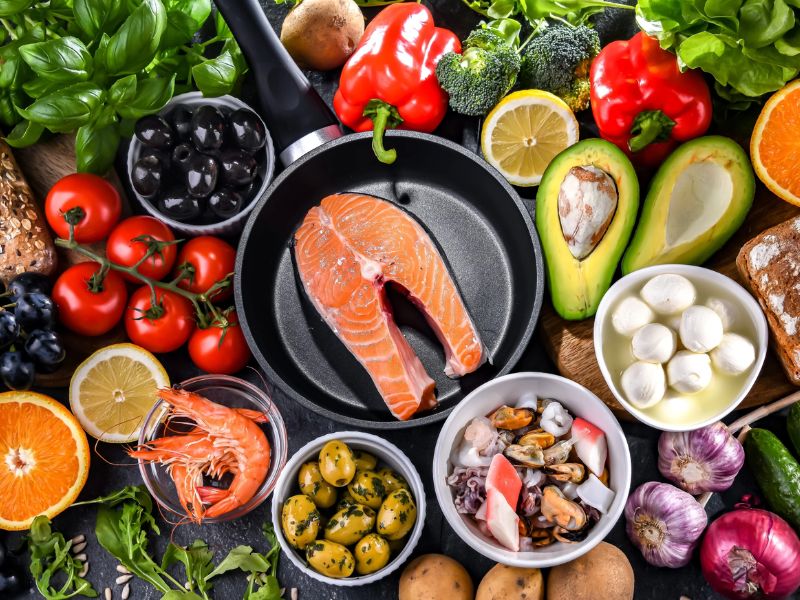
A research team from Rush University Medical Center in Chicago focused on the MIND diet (Mediterranean-DASH Intervention for Neurodegenerative Delay), which merges the principles of the Mediterranean diet with those of the DASH diet (Dietary Approaches to Stop Hypertension).
In simple terms, the MIND diet emphasizes vegetables, whole grains, fish, and poultry, while limiting dairy, red meat, and fried foods.
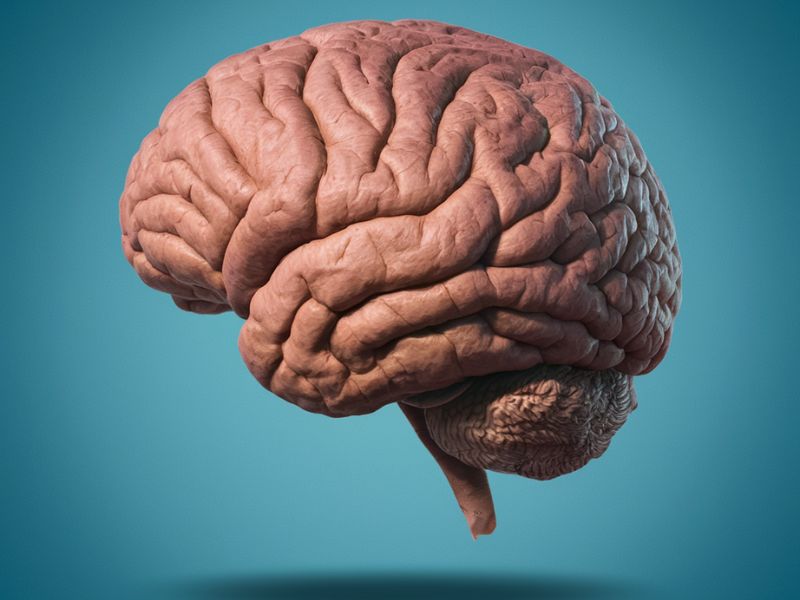
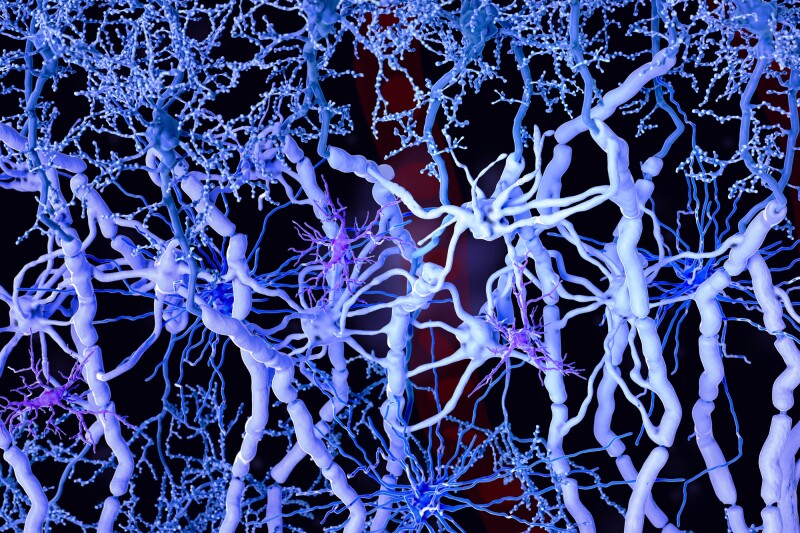
The study examined the potential connection between this dietary approach and hippocampal sclerosis — a brain condition tied to dementia and Alzheimer’s disease, marked by the death of neurons in the hippocampus.
Evidence from Long-Term Data
Using data from 809 deceased individuals whose dietary habits had been documented years before their passing, researchers found that those who most closely adhered to the MIND diet were significantly less likely to exhibit signs of hippocampal sclerosis.
These results suggest that following a healthy eating plan like the MIND diet may lower the odds of developing hippocampal sclerosis and help preserve hippocampal function,” the authors wrote.

While earlier studies have shown the MIND diet’s role in lowering dementia risk, this research points to a possible reason: the diet’s apparent ability to protect the hippocampus specifically.
The hippocampus plays a critical role in memory, learning, and spatial navigation, and dementia strongly associates with damage to this brain region. Although the link is not absolute — not everyone with hippocampal sclerosis develops dementia — there is a notable overlap between the two conditions.
Diet as a Potential Protective Factor
The study controlled for demographic and genetic factors, but it cannot prove direct causation. However, combined with prior evidence, it strongly suggests that diet plays a role in influencing dementia risk.
Puja Agarwal, a nutritional epidemiologist, told Newsweek that these findings are the first in humans to indicate that hippocampal sclerosis may partially explain the connection between diet and dementia.
Although the origins of hippocampal sclerosis remain unclear, research is steadily uncovering its relationship with dementia. This is not the first time scientists have found that diet may affect the health of this brain region.
Future Research Directions
Future investigations aim to uncover exactly why this link exists. One possibility is that the anti-inflammatory and antioxidant properties of foods in the MIND diet help protect neurons from damage.
To fully understand how diet and nutrients influence brain health, it will be essential to explore their relationship with other markers of neuroinflammation and oxidative stress, the researchers concluded.
Read the original article on: Science Alert
Read more: A Type of Fat in the Diet Interferes With the Body’s Cancer Defenses